





The cinematic adaptation of Colleen Hoover’s best-selling psychological thriller, Verity, directed by Michael Showalter, relies heavily on visual storytelling to navigate the murky waters of identity, obsession, and moral ambiguity. Central to this narrative are the two leads—the celebrated author Verity Crawford, portrayed by Anne Hathaway, and the struggling writer Lowen Ashleigh, played by Dakota Johnson. As the film unfolds, the hair and makeup choices for these characters serve as more than aesthetic flourishes; they function as narrative devices that mirror the characters’ internal shifts and the encroaching dissolution of their separate identities.
Establishing the Dichotomy of Character
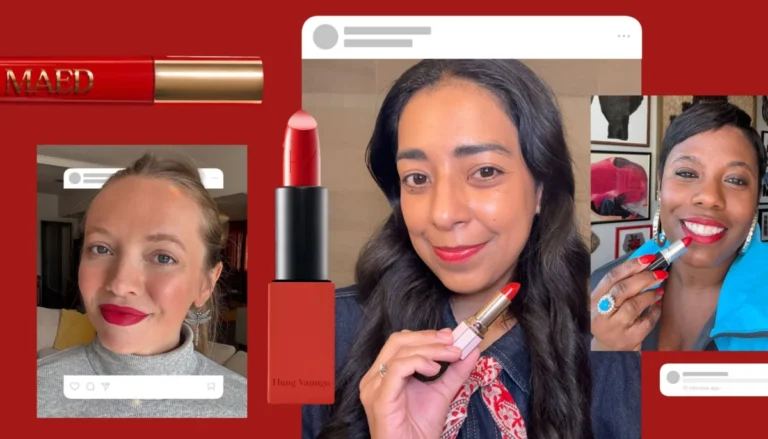
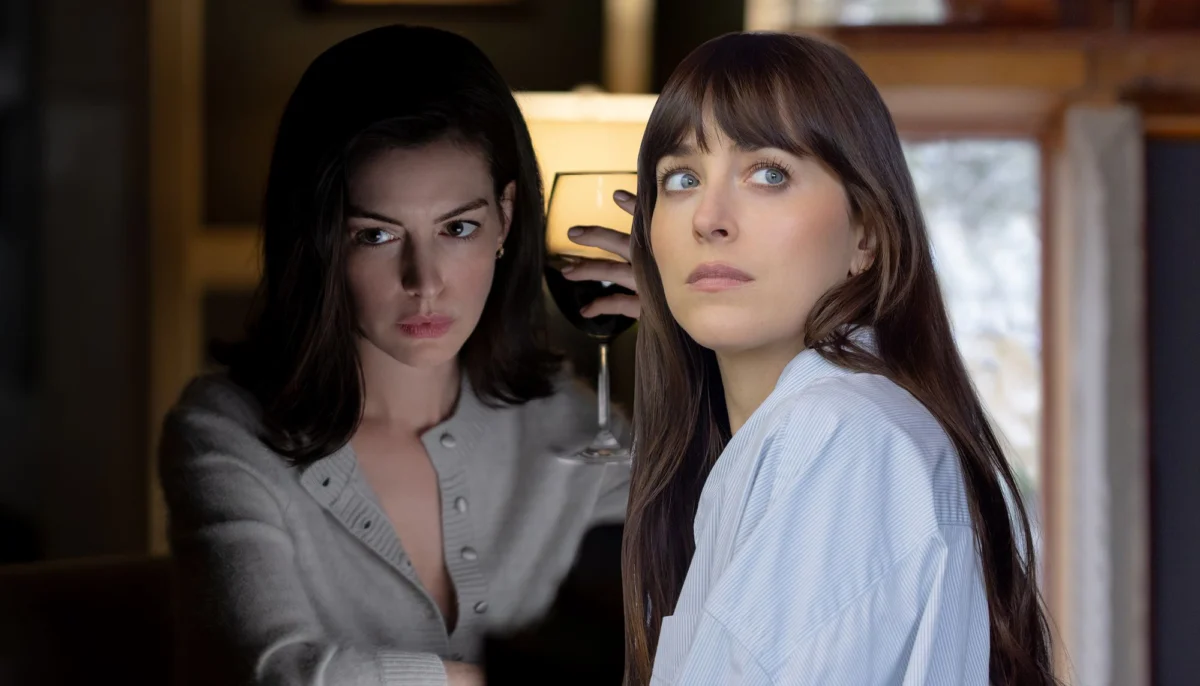
At the onset of the film, Verity Crawford and Lowen Ashleigh exist in disparate professional and personal orbits. Verity, the darling of the romantic-suspense genre, is presented as an image of polished, untouchable success. Her public image is carefully curated, characterized by a signature voluminous, side-parted lob and a sharp, matte red lip. This look, executed by makeup artist Kyra Panchenko, is intended to evoke the glamour of Old Hollywood, creating a stark visual contrast against the crisp, white tailoring she wears during her high-profile media appearances.

Conversely, Lowen Ashleigh is introduced in a struggling, claustrophobic environment. In a quiet, sparsely attended reading at a Brooklyn bookstore, she is shown as a woman defined by her invisibility. Her aesthetic is characterized by a smoky eye and mauve, over-lined lips, a look developed by makeup artist Emma Strachman to suggest a woman attempting to armor herself against a world that has largely ignored her. While Verity is the sun around which her publishing world orbits, Lowen is a shadow. Makeup department head Andrea Miller notes that the visual design for these characters is intentionally Hitchcockian—a mystery where the audience is invited to admire the beauty of the players while simultaneously questioning their inherent stability.
Chronology of Transformation
The narrative arc of the film is marked by Lowen’s transition from a struggling ghostwriter to a woman who finds herself dangerously entwined with the history of the Crawford family. When Lowen arrives at the secluded Vermont home of Verity and her husband, Jeremy (played by Josh Hartnett), the house itself serves as a character—a modern, foreboding structure designed by Jens Quistgaard that traps the characters in a physical manifestation of their psychological isolation.
As Lowen begins to immerse herself in the research for the book she has been hired to complete, her look undergoes a deliberate softening. Her sharp, sooty eyeliner gives way to ethereal brown tones, and her bold mauve lip is replaced by the muted, matte taupe of Westman Atelier’s Piqué. This shift is not merely stylistic; it represents the vulnerability Lowen feels as she is drawn into the orbit of the Crawford household. The production team intentionally designed this transition to encourage the audience to empathize with Lowen, making her appear more approachable and "sweet" to foster a sense of trust that the film eventually subverts.

The Role of Color and Texture
The color red serves as a recurring motif throughout the film, acting as a visual tether between the two women. Whether it is Verity’s red lips during her media tour or the crimson Versace gown she wears in the flashback sequences that detail her first meeting with Jeremy, the color signifies power, danger, and a sense of absolute control.
When Lowen finally adopts a similar red aesthetic—pairing a vintage red slip dress with a dark, sultry lip—the visual transformation suggests that she is no longer merely a spectator in the Crawford family drama. She is actively stepping into the role that Verity vacated. Hair department head Robert Lugo, who collaborated with hairstylist Fríða Aradóttir to maintain the consistency of Hathaway’s hair throughout the production, emphasizes that this "meshing point" is crucial to the film’s climax. The hair, which is kept consistently glossy and voluminous for both leads, serves to highlight the eerie physical similarities that begin to manifest as the boundary between the two women dissolves.
Technical Execution and Behind-the-Scenes Methodology
The technical requirements for maintaining these looks were substantial. Because the film relies on a non-linear narrative, moving between the present day and the past, the continuity of hair and makeup was paramount. For Dakota Johnson’s character, the use of high-end products such as the Makeup by Mario Ultra Suede Sculpting Lip Pencil and MAC Cosmetics’ Sweet Talk liner provided the base for her "sharp" look, while the transition to softer, more neutral palettes was achieved through careful layering of products like the Armani Beauty Eye Tint.

For the hair, which served as a critical indicator of character status, the team utilized a rigorous regimen of professional-grade products. Joshua First, Johnson’s personal stylist, relied on Le Labo Hinoki shampoo to establish a foundation of health and shine, while serums from R&A-z and Kevin Murphy were employed to achieve the smooth, wavy textures that defined both characters. The wig used for Anne Hathaway, which matched her natural hair color, allowed for the consistent, voluminous silhouette that characterizes the "Golden Age" aesthetic of Verity, even as the character’s narrative trajectory becomes increasingly erratic.
Implications for Modern Psychological Thrillers
The visual language employed in the adaptation of Verity reflects a broader trend in contemporary psychological cinema: the use of "high-gloss" beauty to mask or distract from underlying instability. By utilizing classic Hollywood beauty standards—the red lip, the side-parted lob, the impeccable complexion—the production team creates a sense of comfort that is systematically dismantled as the plot reveals the darker reality of the characters’ lives.
This approach acknowledges the audience’s psychological predisposition to equate physical beauty and "put-together" appearances with trustworthiness. By systematically deconstructing these looks, the film forces the viewer to confront their own biases. When Lowen begins to mirror Verity’s style, it is not merely a costume change; it is a signal that she has adopted the same lethal ambition that defined the author.

Critical Reception and Audience Impact
The decision to deviate from the source material regarding Verity’s hair color—the character is a blonde in the novel, whereas Hathaway maintains her natural brunette tone—was a subject of significant discussion during the press tour. This choice, however, aligns with the film’s broader goal of grounding the narrative in a more tangible reality. By keeping the leads visually similar in tone and hair texture, the film heightens the sense of unease.
The success of these aesthetic choices relies on the audience’s ability to track the subtle shifts in tone and color as the story progresses. Statements from the creative team, including Andrea Miller and Robert Lugo, suggest that the goal was never to present a straightforward hero or villain, but rather to create an environment where the viewer is constantly questioning who is in control. As the film reaches its conclusion, the "meshing point" of the two characters’ aesthetics serves as a final, jarring reminder that identity in the world of Verity is fluid, constructed, and ultimately, a performance.
In conclusion, the aesthetic choices in Verity provide a critical layer of depth to the film. Through the careful selection of color palettes, the evolution of makeup techniques, and the precise maintenance of hair textures, the production team has succeeded in creating a visual lexicon that mirrors the internal, often contradictory, states of its characters. This attention to detail ensures that while the audience may be initially captivated by the "gorgeous people" on screen, they are ultimately left to grapple with the deeper, more unsettling questions that remain once the final frame fades to black. The film stands as a testament to the power of hair and makeup not just as tools of vanity, but as essential components of narrative structure in the thriller genre.