








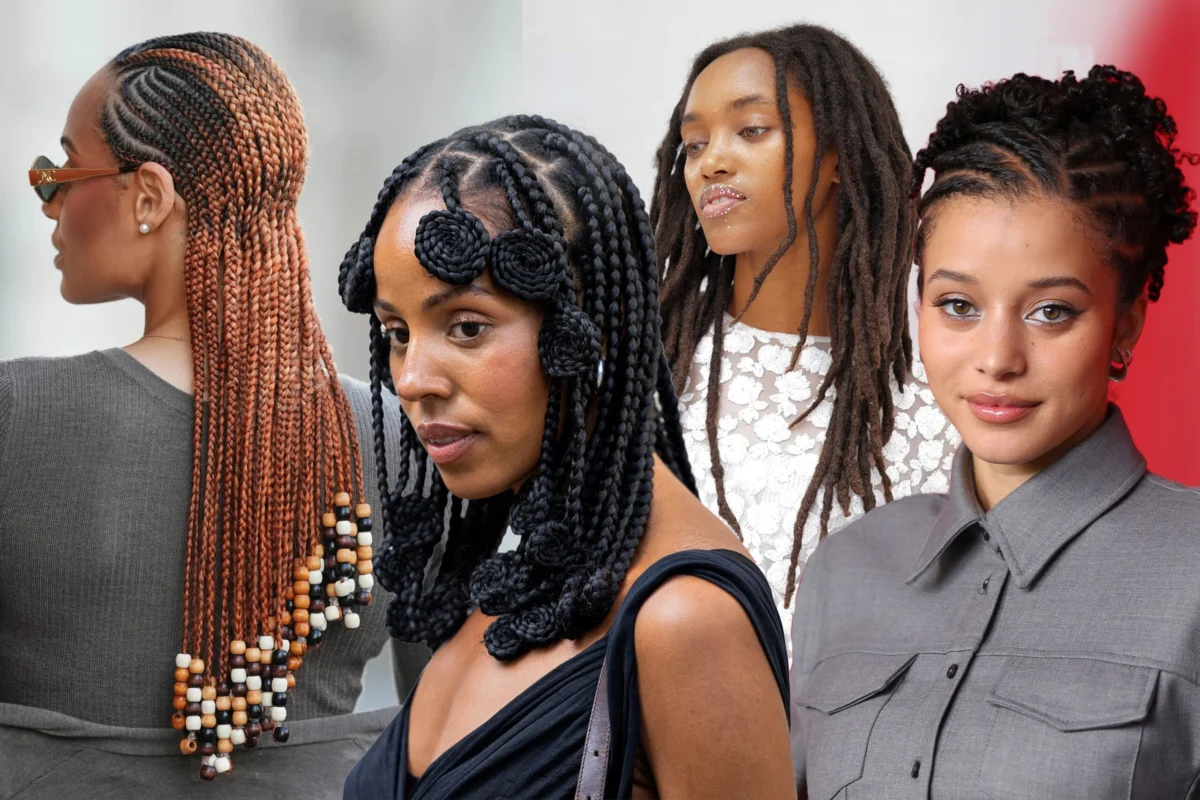
For individuals with tightly curled or coily hair, the concept of a protective hairstyle is not merely a modern aesthetic choice but a foundational component of hair health and maintenance. Whether one recognizes the terminology or not, these styles—ranging from intricate braids and Bantu knots to locs and sew-in weaves—serve a functional purpose: to shield the hair shaft from environmental stressors, heat damage, and the structural fatigue associated with daily grooming. By minimizing physical manipulation, these styles provide a necessary reprieve for fragile hair types that struggle to distribute natural scalp oils along the entire length of the strand.

The Science of Hair Retention and Mechanical Stress
The biological architecture of coily hair is distinct in its curvature, which creates inherent challenges for natural sebum distribution. Because the scalp’s natural oils have difficulty traveling down the spiral structure of the hair shaft, these hair types are significantly more prone to dryness and brittleness. When hair is left exposed, daily styling—combing, brushing, and heat application—exerts mechanical stress, often leading to breakage and cuticle damage.
According to dermatological experts, the primary goal of a protective style is to isolate the hair from these external factors. When the hair is "swaddled" or tucked away, the friction that occurs during sleep or clothing contact is drastically reduced, allowing the hair to retain its length and integrity. This practice is supported by professional stylists who note that the reduction in manipulation is the single most effective way to prevent premature breakage and support consistent growth cycles.

Historical Context and Cultural Evolution
The history of protective styling is deeply rooted in the traditions of various cultures across the African diaspora. For centuries, braids, twists, and knots have served as more than just a method for hair preservation; they have acted as a form of cultural expression, social signaling, and artistic practice.
The term "Bantu knots," for instance, derives from the Bantu-speaking people of Sub-Saharan Africa. Historically, these knots were crafted as a protective measure to keep the hair secure while traveling or performing labor. Today, these styles have transcended their utilitarian origins, appearing on global fashion runways and in corporate settings, representing a fusion of ancestral heritage and modern hair care science. The evolution of these styles from cultural necessity to mainstream beauty standards reflects a broader shift in the perception of natural hair textures in the 21st century.

Categorization and Technical Application of Protective Styles
Protective styling is broadly categorized by the technique used to secure the natural hair. These categories include, but are not limited to, braided styles, twists, locs, and extension-based installations.
Braided Architectures
Braids remain the most recognizable form of protective styling. Ranging from simple cornrows—where hair is woven closely to the scalp in linear patterns—to complex box braids, these styles allow for a significant reduction in maintenance. A critical development in this space is the "knotless" technique. Unlike traditional box braids that anchor the extension hair at the base with a tight knot, knotless braids feed the added hair into the braid incrementally. This results in a more flexible, lightweight installation that exerts less tension on the hair follicle, thereby reducing the risk of traction alopecia.

Twisting Techniques
Twists offer a versatile alternative to braids. A standard two-strand twist involves wrapping two sections of hair around each other. These can be executed on natural hair alone or with the addition of extensions, such as Senegalese, passion, or Marley hair. Beyond the protective benefit, twists provide a secondary aesthetic advantage: the "twist-out." Once the twists are removed, the hair retains a defined, wavy texture, effectively providing two distinct hairstyles from a single installation.
Loc Journeys and Maintenance
Locs are perhaps the most long-term commitment in the protective styling spectrum. The process begins with the deliberate sectioning and coiling of hair, which then naturally intertwines over time. Whether through comb coils, palm rolling, or the free-form method, the mechanics remain consistent: the hair is allowed to lock upon itself. For those seeking a temporary version of this aesthetic, "faux locs" or "soft locs" allow individuals to mimic the appearance of locked hair without the permanent structural changes required by traditional locs.

Clinical Perspectives: When to Proceed with Caution
While the benefits of protective styling are well-documented, dermatologists emphasize that these methods are not universally appropriate. Patients with a history of traction alopecia—a form of gradual hair loss caused by chronic pulling—are advised to avoid styles that place excessive weight or tension on the scalp.
Furthermore, individuals suffering from inflammatory scalp conditions such as seborrheic dermatitis or severe eczema must exercise extreme caution. The use of synthetic braiding hair can occasionally trigger allergic contact dermatitis, as the chemical coatings on some synthetic fibers are known to irritate sensitive skin. Dermatologists strongly recommend the use of human hair extensions for those with a history of skin sensitivity to mitigate the risk of adverse reactions.

Analyzing the Risks: Tension, Buildup, and Improper Takedown
The efficacy of a protective style is entirely dependent on its installation and maintenance. The two most significant risks associated with these styles are mechanical tension and product accumulation.
The Dangers of Excess Tension
Tension is a primary driver of follicle damage. If a hairstyle is installed too tightly, it can lead to localized inflammation, often manifested by small, painful red or white bumps at the base of the hair section. This physical trauma disrupts the hair growth cycle and, if left unaddressed, can cause permanent, irreversible scarring of the follicle. Stylists and dermatologists agree that if a style causes pain, headaches, or persistent discomfort during or after the installation, it must be loosened or removed immediately to prevent long-term damage.

The Necessity of Scalp Hygiene
A common misconception is that protective styles negate the need for a cleansing routine. On the contrary, the scalp remains a living organ that requires consistent care. Accumulation of dirt, oils, and styling products can clog follicles and encourage bacterial or fungal growth. Experts suggest that individuals maintain a weekly washing schedule, even when wearing braids or twists.
For those who find it difficult to wash their hair without disturbing the style, modern hair care technology has introduced specialized scalp refreshing sprays. These products, often formulated with enzymes or gentle chelating agents, can dissolve buildup without the need for total submersion of the hair, thereby extending the life of the style while maintaining scalp health.

Chronology and Best Practices for Hair Health
To maximize the protective benefits of these styles, professionals recommend following a structured cycle of installation and removal:
- Pre-Installation Assessment: Consult with a stylist to ensure the natural hair is strong enough to support the intended style.
- Installation Phase: Ensure the braider or stylist uses proper tension. The weight of the hair should be manageable to avoid strain on the hairline.
- Maintenance Phase (Weeks 1-6): Use lightweight, water-soluble oils for scalp hydration. Avoid heavy waxes or butters that cause significant buildup.
- Takedown Phase: This is the most critical period. Use a detangling spray and a wide-tooth comb to gently remove the style. Rushing this process is a leading cause of breakage.
- Rest Period: Allow the scalp and hair to recover for at least two to four weeks between installations. During this time, focus on deep conditioning treatments to restore moisture balance.
Broader Implications and Future Trends
The industry surrounding protective styling is currently experiencing a period of rapid innovation. As demand for these services grows, so does the focus on scalp-health-focused products. The shift toward lighter, more breathable synthetic fibers and the increased availability of high-quality human hair extensions signal a move toward more sustainable, health-conscious styling practices.

Ultimately, the goal of protective styling is to facilitate growth and health. By adhering to professional guidance, maintaining strict scalp hygiene, and listening to the physical signals of the hair and scalp, individuals can utilize these traditional methods to achieve and maintain long-term hair vitality. As the industry continues to evolve, the emphasis will likely remain on the balance between aesthetic versatility and the fundamental necessity of protecting the hair follicle from unnecessary trauma.