






Finding the perfect gift for a man who appears to possess everything can be an exercise in frustration. Often, the search culminates in the purchase of high-tech gadgets or novelty items that serve little practical purpose and are relegated to a junk drawer within months of the holiday season. A more sophisticated approach, and one that yields higher satisfaction, is to prioritize utility combined with exceptional craftsmanship. In the 2026 luxury market, the most coveted gifts for men are those that bridge the gap between daily necessity and heirloom quality—items designed to endure for decades rather than cycles of planned obsolescence.

The following guide details a collection of accessories curated by Fort Belvedere, the retail division of the Gentleman’s Gazette. These items are the result of partnerships with heritage artisans across Italy, Germany, and England. The focus here is on materials chosen for their ability to withstand the rigors of daily wear and designs that fulfill a specific, functional role in a gentleman’s wardrobe. To assist in the selection process, this analysis is categorized by price point, ranging from essential stocking stuffers under $100 to significant investment pieces.

Stocking Stuffers and Entry-Level Refinements
The perception that gifts under $50 lack substance is often misplaced. When manufacturers apply the same rigorous material standards to small-scale accessories as they do to high-ticket items, the result is a product that punches above its weight class. For example, Italian-made waxed cotton shoelaces, available in over 30 distinct shades, offer an immediate, cost-effective way to revitalize the appearance of classic dress shoes.

Equally significant are the small mechanical tools of a well-dressed man, such as collar jewelry. A simple collar bar, clip, or pin serves a vital architectural function, keeping collar points aligned under a tie to maintain a sharp, deliberate silhouette. Similarly, a handcrafted travel shoe horn, carved from water buffalo horn, provides a functional alternative to the flimsy plastic variants found in most hotel rooms. At 4.5 inches, such a tool is small enough for a carry-on bag but robust enough to prevent the crushing of a shoe’s heel counter—a critical factor in the longevity of high-quality leather footwear.

The $100 Threshold: Wardrobe Staples
Moving into the $55 to $100 range, the focus shifts toward items that constitute the foundation of a professional wardrobe. Foremost among these are over-the-calf dress socks. While often dismissed as a banal gift, the technical specifications of a true over-the-calf sock are transformative. Unlike standard mid-calf socks that inevitably slip, these are knitted on specialized machinery to remain in place throughout the day. The hand-linked toe seam is a hallmark of quality, eliminating the bulky rubbing that causes discomfort.

Material science plays a critical role here. Lightweight options, knit from 2-ply Egyptian Fil d’Ecosse cotton on 240-needle machines, provide a smooth profile under tailored trousers. For colder climates, midweight cotton offers 40% more mass, providing warmth without the bulk of heavy wool. For formal occasions, silk remains the industry standard, offering a sheen and drape that cotton cannot replicate.

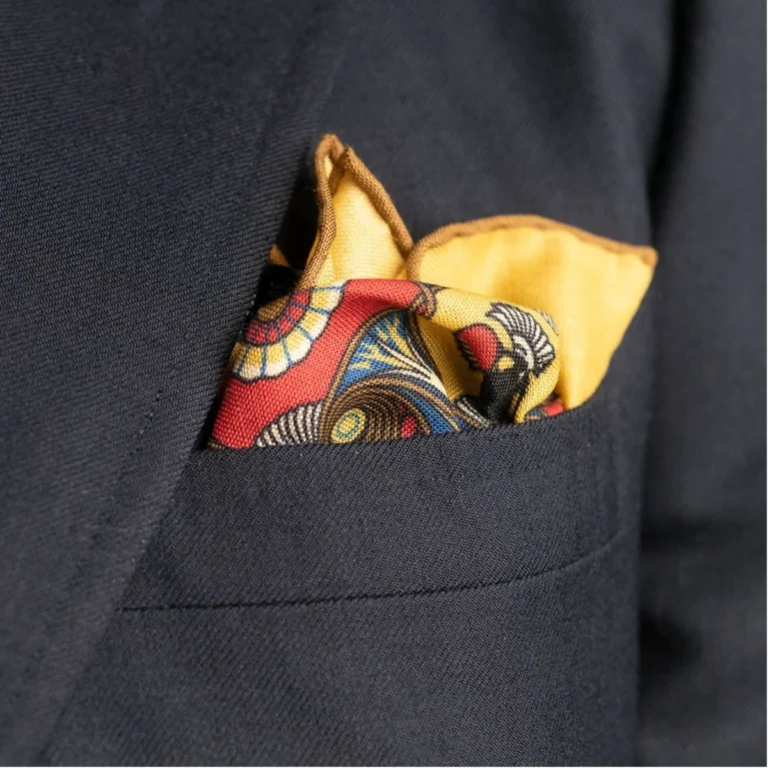
In the same price bracket, the white Italian linen pocket square stands as an essential, if frequently overlooked, accessory. Unlike mass-produced department store versions that feature rigid, machine-pressed hems, high-quality squares feature hand-rolled edges. This craftsmanship creates a soft, rounded border that allows for a more natural "puff" or "TV fold" in a jacket pocket. Research into optimal dimensions suggests that a 35 x 35 cm square is the ideal size, preventing excess bulk in the chest pocket while ensuring sufficient material to maintain the shape of the fold throughout an event.

Leather Goods and Personalization
For leather goods, the choice of hide is paramount. Togo, an Alpine calfskin, represents the pinnacle of scratch-resistant materials. The pebbled grain is achieved through a natural shrinking process, ensuring that the texture and color remain consistent even after years of daily handling. In contrast, leathers like those used in the Montecristo, Dumont, or Americana collections are designed to develop a rich, darkening patina over time, appealing to those who prefer an accessory that evolves with its owner.

An example of this utility is the soft eyeglass case. A hard shell is often too cumbersome for a jacket breast pocket, yet a microfiber pouch offers insufficient protection against pressure. A case constructed from high-grade leather with a suede lining offers the necessary structural protection while maintaining a slim profile. At approximately 42 grams, such an item protects delicate frames without spoiling the drape of a bespoke suit.

Strategic Investments: $200 to $300 and Beyond
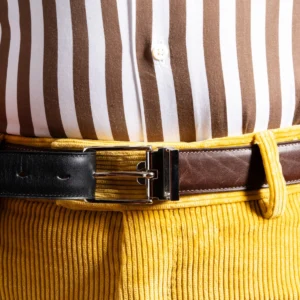
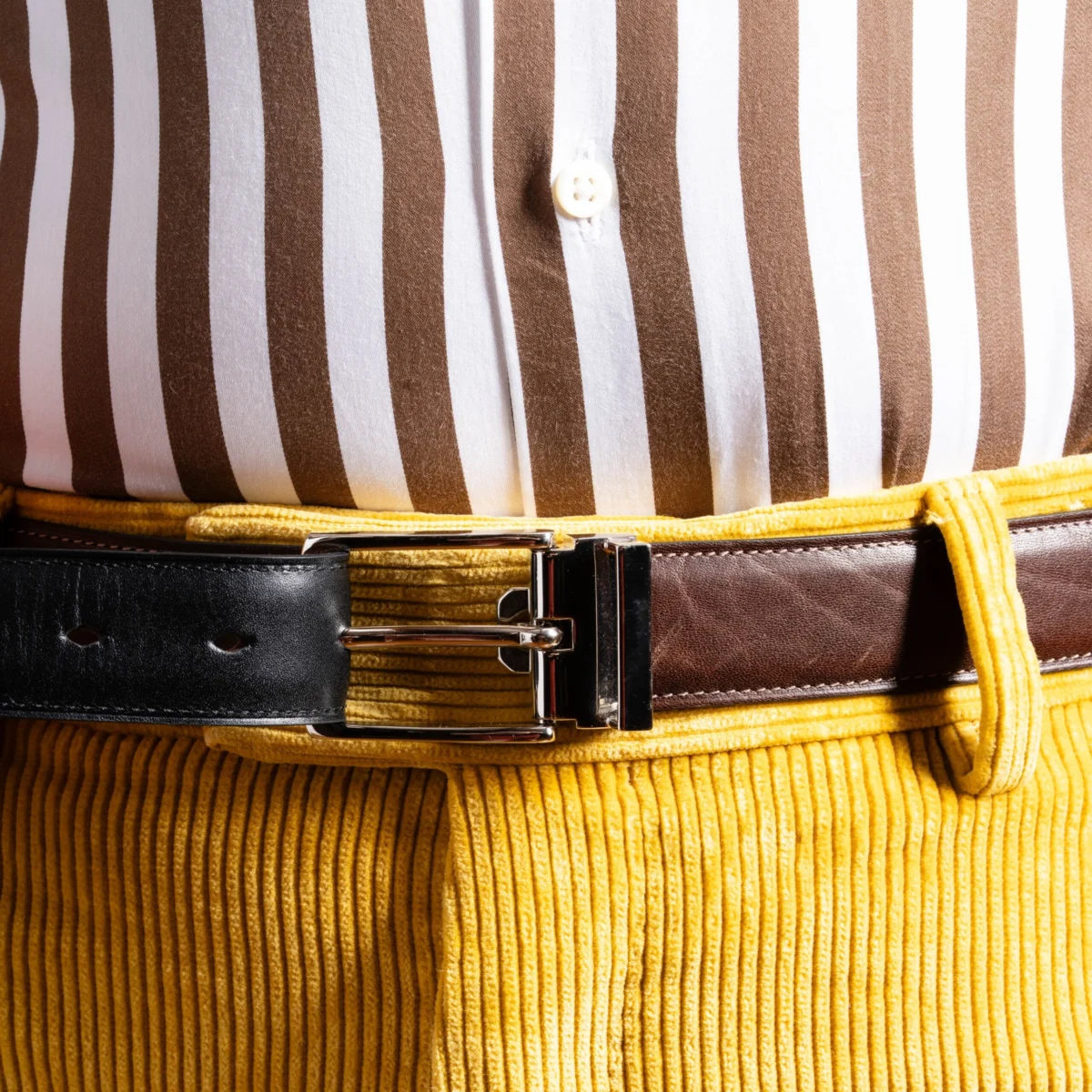
As the investment level reaches the $200 to $300 range, the focus transitions to "forever" pieces. A prime example is the reversible belt system. By utilizing a high-quality buckle that can be swapped between a black boxcalf strap and a chocolate brown vegetable-tanned strap, a man can reduce his total inventory of belts while maintaining versatility for various footwear colors.

Furthermore, the integration of technology into classic accessories has produced practical solutions, such as the leather-bound AirTag key ring. By housing an Apple AirTag within a round fob of premium leather, the aesthetic dissonance of carrying a plastic tracking device is eliminated. The result is a piece that functions as a sophisticated keychain while providing modern utility.

The Role of Heritage Craftsmanship in Modern Gifting
The resurgence of interest in traditional craftsmanship—such as the hand-printed ancient madder silk ties or the intricate silk boutonnieres—reflects a broader trend in the men’s luxury market. Data from independent luxury goods trackers indicates that consumers are increasingly looking for provenance and story. When a gift comes with a narrative—such as the fact that the boutonnieres are handmade in Germany and designed to sit in a lapel buttonhole like a living flower—it carries more emotional weight.

This sentiment extends to the luxury of "true vermeil" in jewelry. While the term is often loosely applied, strict standards exist. In the United States, vermeil requires a base of sterling silver coated with at least 2.5 microns of gold. Premium pieces often exceed this, sometimes reaching 5 to 6 microns, ensuring the longevity of the gold finish against the oils of the skin and friction from clothing.

Conclusion and Practical Implications
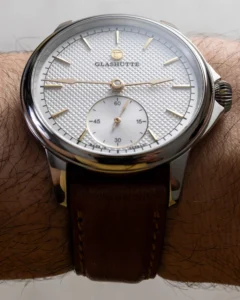
The act of gifting should, ideally, result in an item that becomes a seamless part of the recipient’s daily routine. Whether it is a pair of cashmere-lined peccary gloves that make a winter commute tolerable or a handmade watch case that protects a timepiece during international travel, the value of these items is found in their daily utility.

For those still uncertain, the "practical luxury" approach remains the safest and most sophisticated strategy. By selecting items that solve minor daily irritations—such as keeping socks from sliding, preventing shoe heel damage, or organizing travel essentials—one ensures that the gift will be used and appreciated. As with all luxury acquisitions, the final consideration should be the long-term cost-per-wear or cost-per-use; a $300 passport holder that lasts twenty years is, in objective terms, a more prudent investment than a $50 gadget that lasts for six months. Happy holidays, and may your gift selections serve as a testament to the value of quality over quantity.