









In the landscape of 2026, the definition of luxury has undergone a profound recalibration. It is no longer defined by the overt displays of wealth, such as private aviation or logocentric fashion, but rather by the subtle, intimate rituals of daily life. This shift toward "quiet luxury"—a focus on quality, texture, and personal fulfillment—is currently manifesting in the olfactory industry. According to market data from Spate, luxury perfume has experienced a 123.7% increase in popularity year-over-year, signaling a consumer base that is prioritizing elevated personal experiences over traditional status symbols.
This movement is deeply rooted in the current socio-economic climate. Data from the American Psychiatric Association’s 2026 Annual Mental Health Poll highlights that a significant portion of the population is grappling with heightened levels of anxiety, driven by global instability, rising living costs, and an pervasive sense of social isolation. Consequently, the fragrance industry has responded by moving away from aggressive, high-projection scents toward compositions that offer comfort, reassurance, and a "cocooning" effect. As Delphine Jelk, a renowned Paris-based perfumer and creative director of fragrance for Guerlain, notes, the modern consumer is seeking intimacy. In an increasingly accelerated world, scent has become a conduit for meditative calm and a return to the essential.
The Shift Toward Sophisticated Simplicity
The preference for understated elegance is corroborated by a 2025 luxury client index survey conducted by EY. The report indicates that while 62% of respondents cite product quality as a primary driver for their purchasing decisions, only 26% express an interest in the presence of brand logos. This data point is a critical indicator of the "quiet luxury" movement: consumers are investing in the substance of the product rather than the signal of its price tag.
Fragrance houses are adapting their creative strategies to align with this shift. The focus has moved toward "sophisticated simplicity," where perfumes are designed to be more intuitive, understandable, and deeply emotive. This does not imply a lack of complexity; rather, it suggests a refinement of composition where depth is achieved through high-quality raw materials rather than synthetic intensity.
The Rise of Nature-Inspired and Forest Notes
A significant driver of the current winter fragrance trend is the "wilderkind" movement, a cultural pivot toward off-the-grid living and environmental reconnection. As society navigates ongoing "tech fatigue," there is an increasing desire to retreat into nature, both physically and sensorially. This trend is bolstered by scientific research, including studies published in Nature and PubMed, which demonstrate that exposure to forest-derived scents—such as fir, pine, and damp earth—can significantly reduce cortisol levels and blood pressure.
The market reflects this "touching grass" phenomenon with a 94.4% increase in searches for petrichor-based fragrances and a 243.8% surge in interest regarding "woody" perfumes. Alie Kiral, founder of Pearfat Parfum, suggests that these scents serve as a grounding mechanism. By utilizing notes like cedar, cypress, eucalyptus, and moss, perfumers are creating a sense of "cold air" that mirrors the wintry landscape rather than masking it with traditional, heavy holiday spices.
The strategy, as articulated by NYC-based home fragrance expert Jon Bresler, is to focus on "cold greens." By balancing these crisp notes with aged woods such as sandalwood, oud, and patchouli, brands are successfully evoking the atmosphere of a winter forest. Notable examples include FFern Winter 26, which utilizes peppermint and lemon to sharpen earthy vetiver and moss, creating an experience of a cold landscape rather than a conventional holiday scent.
Culinary Sophistication in Gourmand Fragrances
The gourmand fragrance category, historically defined by saccharine, dessert-like profiles, has evolved into a more mature, artisanal segment. The 2026 iteration of the gourmand trend is characterized by what industry insiders describe as "bready, buttery, and toasted" accords. Arnaud Guggenbuhl, global head of marketing and insights at Givaudan, describes this as a "smarter warmth."
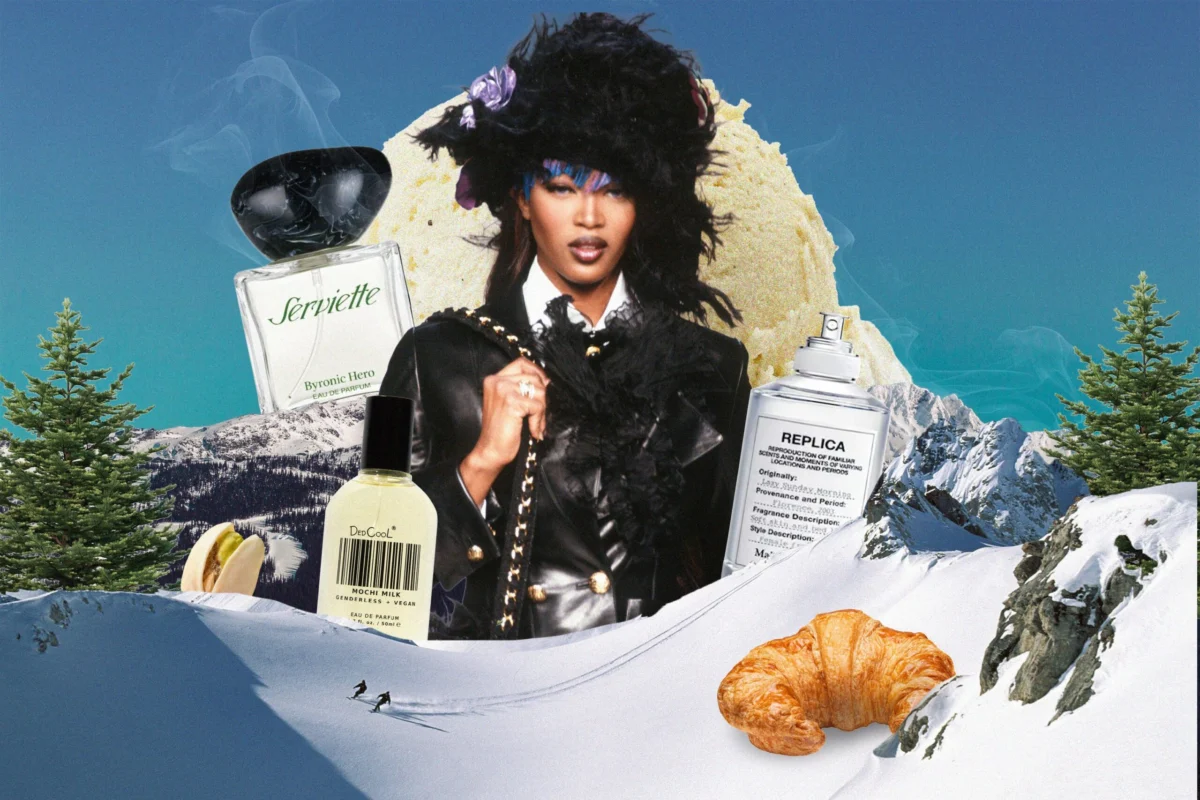
The objective is to move beyond the literal smell of a household kitchen and toward the sensory experience of a high-end, Parisian-style bakery. This involves the use of toasted macadamia, honeyed orange blossom, and pistachio. The inclusion of "chewy" or "milky" notes, such as those found in DedCool’s Mochi Milk or Nette’s Mochi Banane, provides a textural dimension that elevates the fragrance from a mere scent to a tactile experience. This is a deliberate move toward artisanal quality, where the fragrance mimics the complex, flaky, and buttery notes of a professional pastry rather than the singular sweetness of a candy bar.
The Transparency of Incense
Incense, long associated with dense, ceremonial, and sometimes polarizing aromas, is undergoing a modern reinvention. As consumers continue to prioritize mindfulness and meditation—with 42% of Gen Z and millennials in the U.S. reporting a focus on spiritual well-being according to a 2025 McKinsey report—there is a demand for incense that is "transparent" and wearable.
The current trend favors incense that is blended with citrus, florals, or pale woods, rendering the smoke more atmospheric and less oppressive. This shift is a direct response to the desire for personal, intimate scents. Perfumers like Richard Saint-Ford argue that incense should be used to provide warmth without creating a "cloud" around the wearer. Fragrances such as Fulton & Roark’s Cathedral of Ruins or Amouage Overture 41 exemplify this trend by softening heavy resins with geranium, cinnamon, or rose, resulting in a scent that is meditative yet subtle.
Tactility and the Skin-Scent Phenomenon
Perhaps the most definitive trend of the 2026 season is the rise of "cozy fabric" fragrances. This trend mirrors the fashion industry’s pivot toward tactility, with consumers seeking scents that emulate the feeling of cashmere, suede, velvet, and freshly laundered linen. The data is clear: Pinterest has recorded a 287% increase in searches for "skin scent," indicating a desire for fragrances that feel like a second skin.
The molecule "cashmeran" has become a staple in this category. It does not mimic the scent of cashmere so much as it recreates the sensation of it—a soft, worn-in texture that grounds the wearer. Phlur’s Cashmere Skin and Bath & Body Works’ Cashmere Amber utilize this molecule to build a foundation of comfort. Similarly, the "linen" trend is being constructed through "fantasy accords," as there is no true linen extract. By combining white musks, light aldehydes, and ozonic notes, perfumers are approximating the feeling of clean, air-dried laundry. Maison Margiela’s Replica Lazy Sunday Morning remains a benchmark for this style, using iris and white musk to evoke a powdery, textile-like quality.
The Role of Pink Pepper as an Olfactory Energizer
To counteract the fatigue of the dark winter months, pink pepper has emerged as a crucial component in contemporary fragrance design. Unlike black pepper, which is dusty and aromatic, pink pepper offers a sparkling, citrusy, and tea-like profile. Emma, the analyst behind @perfumerism, emphasizes that pink pepper is strategically used to provide an immediate impact upon the first spray.
In a saturated market, this "sparkle" is essential for brand differentiation. Furthermore, its ability to add light without adding weight makes it the perfect foil for heavier winter notes like vanilla, incense, or resinous ambers. By incorporating pink pepper, perfumers can ensure that their compositions remain energetic and wearable throughout the winter season. Whether in Nishane’s Hold Me Closer or Byredo’s Havana Tonka, the note acts as a brightening agent, preventing rich bases from becoming overly cloying.
Implications and Future Outlook
The trends of 2026 reflect a broader societal shift toward intentionality. The fragrance industry is no longer solely focused on projection and volume; it is increasingly focused on the psychological and emotional benefits of the product. By prioritizing quality ingredients, textural nuance, and a sense of intimate comfort, the industry is aligning itself with the evolving needs of the modern consumer.
As we move forward, it is likely that the focus on "quiet luxury" will persist. Consumers are demonstrating a clear preference for products that offer a reprieve from the chaos of the digital world, favoring scents that ground, soothe, and energize in equal measure. This era of fragrance is defined not by how much space a scent occupies, but by how deeply it connects with the wearer—a trend that seems poised to influence the industry for years to come.