







Choosing a wedding photographer remains one of the most critical logistical and emotional decisions a couple faces when planning their nuptials. Beyond the immediate aesthetic appeal of a portfolio, the selection process hinges on the rapport between the photographer and the subjects. Hampshire-based professional Benjamin Stuart has established a reputation for bridging the gap between high-end editorial composition and the candid, unscripted reality of a wedding day. As the industry moves away from rigid, pose-heavy photography, Stuart’s "relaxed editorial" methodology has become a focal point for couples seeking a balance between professional guidance and genuine emotional documentation.
The Professional Trajectory and Industry Context
Benjamin Stuart’s professional background is rooted in the high-pressure environment of live event production. For over seven years, he functioned as a cameraman within large-scale commercial and broadcast productions. This period of his career was defined by strict adherence to technical requirements and the orchestration of complex logistical setups. While the professional experience provided a foundation in lighting, composition, and high-stakes timing, Stuart noted a growing desire for a more human-centric approach to his craft.
The transition into wedding photography coincided with his own marriage, a life event that recalibrated his professional focus. Observing the state of the wedding industry fifteen years ago, Stuart identified a disconnect between the intimacy of the event and the prevailing photographic styles of the era, which were often characterized by intrusive direction and a lack of empathy for the couple’s experience. He sought to replace the "clichéd" practices of the early 2000s—often involving demanding photographers and aesthetic compromises—with a practice rooted in narrative integrity and technical precision.
The Methodology of Relaxed Editorial Photography
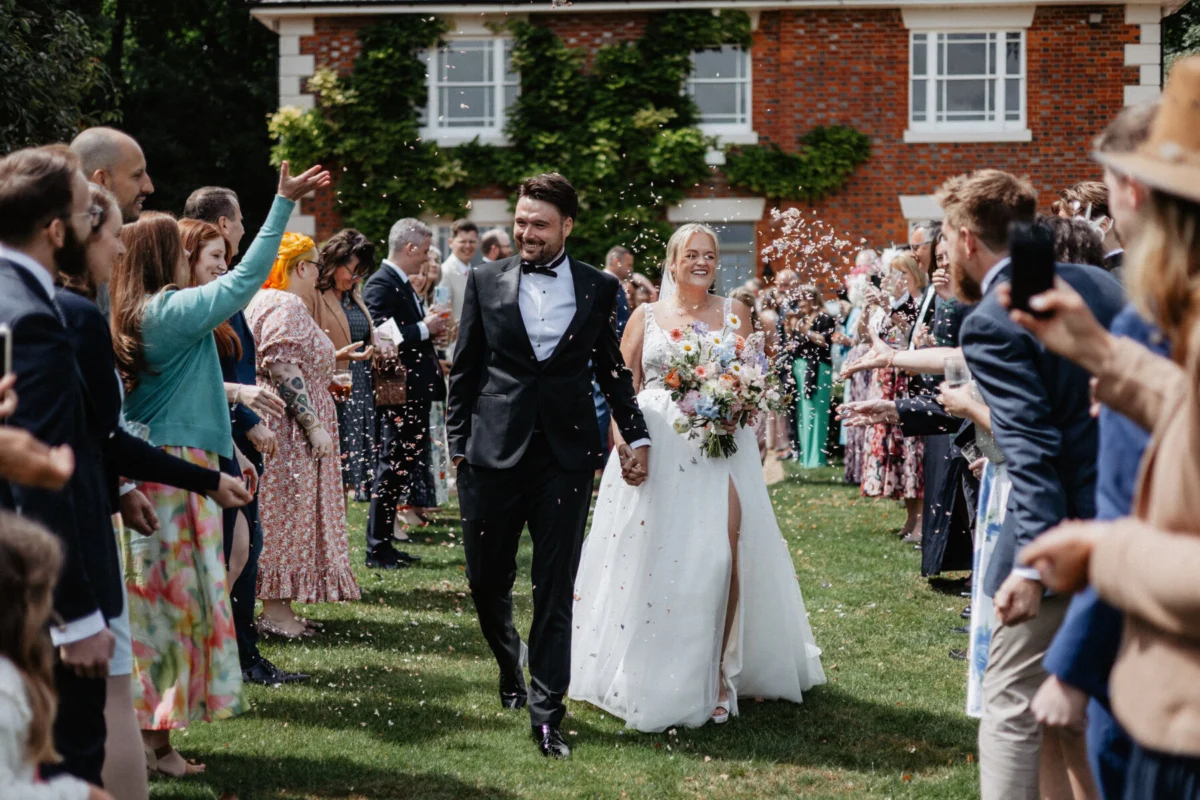
The term "relaxed editorial" is central to Stuart’s practice. This approach acknowledges that while a wedding has inherent structure—legalities, venue logistics, and scheduled programming—the photographic output should reflect the authentic atmosphere of the day rather than a forced performance.
According to data on consumer preferences in the wedding sector, couples increasingly prioritize "authentic" imagery over stylized, highly retouched photos. Stuart’s technique aligns with this shift, utilizing subtle guidance to facilitate moments of genuine interaction. He emphasizes that the photographer’s role is not to dictate the day, but to observe it through a trained lens. This involves a calculated balance: providing just enough direction to ensure flattering light and composition, while remaining unobtrusive enough to capture spontaneous emotional beats.
Chronology and the Art of Observation
A typical wedding day, in Stuart’s estimation, is a sequence of both predictable milestones and fleeting, unrepeatable occurrences. He divides his approach into three distinct phases:
- Preparation and Relationship Building: Unlike commercial photography where the relationship is often transactional, wedding photography requires a sustained period of trust. Stuart emphasizes that the foundation of a successful shoot is laid during the engagement phase, where the couple and photographer align on values and expectations.
- The Event Dynamics: During the wedding itself, the photographer acts as an observer of the couple’s "tribe." Stuart argues that a wedding is essentially a private gathering of hand-picked individuals, and his duty is to document the connections between these people.
- Post-Production and Narrative Curation: The final delivery of images is designed to evoke the memory of the day. Stuart’s goal is to ensure that when a couple views their photographs, they are transported back to the emotional state of the wedding, rather than simply identifying the visual components of the event.
Fact-Based Analysis of Wedding Photography Trends
The evolution of wedding photography over the last decade has been influenced significantly by the rise of social media and the "non-performative" movement. Historically, weddings were documented as a series of staged portraits. Today, the industry standard has shifted toward documentary-style journalism.
Experts in the field note that the "performance" of a wedding—the grand entrance, the formal cake cutting, and the scripted toasts—often overshadows the personal significance of the day. By positioning himself as an observer of the "reflection" of the couple’s values, Stuart taps into a growing market of clients who prefer their wedding photos to feel like a visual documentary of their relationship. The implication of this shift is a move toward more sustainable, timeless imagery that avoids the pitfalls of dated photographic trends.
The Role of Guidance in Professional Photography
A common point of anxiety for wedding couples is the fear of being "in front of the camera." Research into client psychology suggests that a significant portion of couples report feeling self-conscious during photo sessions. Stuart addresses this by explicitly reframing the interaction. His professional stance is that nerves are a natural byproduct of being surrounded by one’s family and friends.
By offering gentle direction, he removes the burden of decision-making from the couple. "Be present in your day, I’ll do the rest," is the cornerstone of his client management philosophy. This approach has been noted by industry observers as a critical factor in producing imagery that feels "crafted yet real." The technical skill lies in the ability to shift a subject into better light or a more harmonious position without interrupting the natural flow of the event.
Broader Impact and Industry Reception
Benjamin Stuart Photography operates across the United Kingdom, Europe, and beyond, with a strong presence in regions such as Hampshire, Berkshire, Oxford, Surrey, and the Cotswolds. His work has gained recognition for its ability to integrate the aesthetic requirements of high-end editorial photography with the emotional weight of a personal, intimate gathering.
The broader impact of his work on the industry is the normalization of the "intimacy-first" model. By prioritizing the human connection over the commercial spectacle, he has contributed to a shift in how professional photographers are expected to interact with their subjects. The long-term implication for the wedding industry is a move toward more personalized, narrative-driven documentation that treats the wedding day as an extension of a couple’s life together, rather than a standalone event for the sake of imagery.
Conclusion
Benjamin Stuart’s approach to wedding photography is an exercise in restraint and intuition. By combining a twenty-year career in technical production with a focus on human emotion, he has carved a niche that serves couples seeking to avoid the performative traps of traditional wedding photography. His work serves as a reminder that the most enduring images are those that capture the quiet, often overlooked, connections between people. For those navigating the complexities of modern wedding planning, the takeaway remains clear: the success of the photography is inextricably linked to the comfort and presence of the couple themselves. As the industry continues to evolve, the demand for photographers who can act as both technical experts and empathetic observers is expected to grow, cementing the role of professionals like Stuart in the permanent documentation of human relationships.