










The global fragrance industry has long traded in an economy of aspirational escapism, routinely marketing scents anchored by sun-drenched Mediterranean yachts, decadent Parisian patisseries, and immaculate floral gardens. Yet, as consumer fatigue sets in against a backdrop of hyper-optimised digital commerce and mass-market uniformity, a counter-movement is quietly taking root. Enter 12_things, an avant-garde perfume brand founded by Charles Vickery, which deliberately subverts traditional olfactory standards. By anchoring its creative vision in the grit of urban infrastructure, the stillness of abandoned liminal spaces, and the stark reality of institutional decay, the brand challenges buyers to confront the unvarnished brutality of the modern world rather than flee from it.
At its core, 12_things operates on a foundational philosophy encapsulated by two recurring maxims: that the world does not smell like a garden, and that every act of creation is at first an act of destruction. Rather than employing the neat, predictable scent pyramids of classical perfumery, the brand curates discordant raw materials—ranging from cold concrete and damp moss to medical-grade iodine and industrial plastics—crafting a sensory profile that is as unsettling as it is compelling.
The Anatomy of the Modern Wasteland: Fragrance Formulation and Concept
The olfactory catalog of 12_things is designed to deconstruct traditional notions of cleanliness, luxury, and allure. In an era where mainstream perfumery relies heavily on universally pleasing synthetic musks and sweet gourmand accords, Vickery’s formulations introduce friction into the consumer experience.

Consider Void, a deliberate subversion of the ubiquitous "skin scent" category. While initial top notes utilise familiar synthetics like Iso E Super and Ambroxan to lure the wearer in with a clean, enhanced-body aroma, the fragrance quickly evolves. Deeper notes of aged paper, damp forest moss, and Suederal emerge, evoking the haunting impression of a traveler stepping indoors from a torrential downpour onto slick asphalt.
Similarly, Condensation plays with consumer expectations by taking the comforting, nostalgic profile of fresh laundry and contaminating it with the heavy, stagnant residue of human activity left behind in a windowless utility room. Despite its underlying tension, it remains one of the brand’s most commercially magnetic offerings.
Perhaps the most confrontational entry in the lineup is Cold Storage, a scent explicitly designed to evoke the clinical atmosphere of a morgue. Utilizing accords of cold metal, rigid plastic, iodine, and lichen, the fragrance sounds harrowing on paper. Yet, Vickery carefully threads a heart of ambergris through the composition, introducing a saline, zesty lime undertone that hints at a lingering human presence. This juxtaposition of the unpalatable with fine perfumery ingredients is emblematic of the brand’s broader mission: to drag the consumer out of pristine fantasy realms and force an engagement with the neglected textures of everyday existence.
Architecture of Ephemera: The Self-Destructing Retail Concept
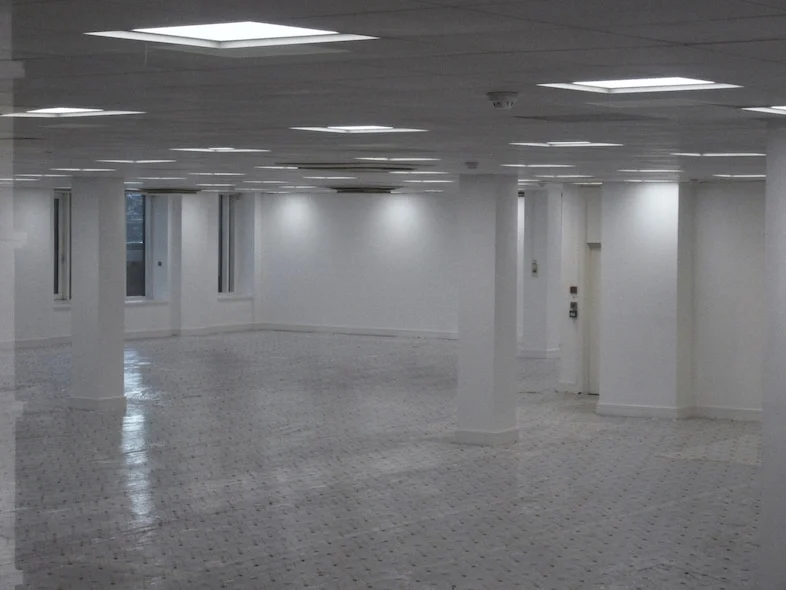
The physical and digital presence of 12_things is meticulously engineered to mirror the transient, decaying themes of its products. Eschewing the sleek, minimalist white-box aesthetic typical of contemporary niche fragrance boutiques, the brand’s flagship retail environment functions as a conceptual art piece designed to actively dismantle itself over time.

The store is lined from floor to ceiling with repurposed bank vault drawers. Inside these heavy metal receptacles, individual bottles of fragrance rest much like occupants in a morgue drawer. The retail experience completely rejects traditional customer service norms: the store features no informational plaques, brand history pamphlets, or digital price tags.
Instead, the transaction itself is inherently destructive. When a customer purchases a fragrance, the entire metal drawer housing the product leaves the store with them. Consequently, the physical walls of the boutique double as the product’s heavy, industrial packaging. As sales accumulate, the architecture of the shop degrades in real-time. When the final drawer is depleted, the store will permanently close its doors, leaving behind only an empty void—a literal embodiment of the ephemeral themes that inspired its creation.
Rejection of the Algorithm: Digital Inconvenience and Consumer Friction
In an economic landscape dominated by frictionless e-commerce, algorithmic recommendations, and one-click purchasing, 12_things has deliberately engineered a system of high resistance. The brand’s official website intentionally strips away the standard digital storefront experience, functioning instead as a stark, minimalist landing page that hosts little more than a mobile phone number.
Prospective buyers are forced to step outside automated consumer loops by texting the number to request access. This deliberate barrier to entry introduces a sense of clandestine exclusivity, evoking the subcultural mechanics of underground economies. Vickery has noted that this friction is a direct pushback against the homogenising forces of artificial intelligence and mass-market duplication that currently plague the creative industries. By making the acquisition process inconvenient, the brand ensures that its clientele must actively desire the psychological and sensory experience of the product, fostering a dedicated community of consumers who value tactile reality over digital ease.

Market Context and the Rise of Atypical Niche Perfumery
The launch of 12_things arrives during a period of profound evolution within the global fragrance market. Over the past five years, the niche and independent perfumery sectors have experienced exponential growth, driven largely by consumer demand for authenticity, complexity, and emotional resonance. According to recent market research data from allied industry trackers, consumer demographics—particularly younger demographics such as Gen Z and Millennials—are increasingly turning away from traditional celebrity endorsements and mass-market designer scents in favour of avant-garde, gender-neutral, and narrative-driven houses.
This appetite for the unusual has paved the way for unconventional notes—such as industrial vinyl, metallic inks, damp soil, and synthetic rubber—to infiltrate collections from both independent artisans and heritage luxury houses like Yves Saint Laurent and Tom Ford. Psychologists note that humans possess a complex, often paradoxical attraction to traditionally unpleasant or challenging odours, a phenomenon linked to the brain’s heightened engagement with novelty and danger. While consumers have long appreciated the ambient smells of petrol stations, old books, or chlorinated swimming pools, translating these visceral triggers into wearable high fashion represents a significant paradigm shift.
Economic and Cultural Implications
The emergence of brands like 12_things signals a broader cultural fatigue with algorithmic perfection and relentless commercial optimism. As urban centres face compounding socio-economic pressures, infrastructure decay, and the homogenising creep of corporate globalisation, artistic expressions that find beauty within the grit are gaining traction.
Vickery’s project is not merely an exercise in shock value, but a paradoxical offering of hope through realism. By elevating the mundane, melancholic textures of city life—concrete, rain, metal, and transient human traces—into high art, the brand invites consumers to reconsider their immediate environments. The underlying cultural objective is not to encourage despair, but to foster a wry, knowing affection for the flawed realities of modern living. In a marketplace saturated by synthetic duplication and digital artifice, 12_things proves that there remains a robust, hungry audience willing to inconvenience themselves for the sake of genuine, uncompromised artistic expression.