






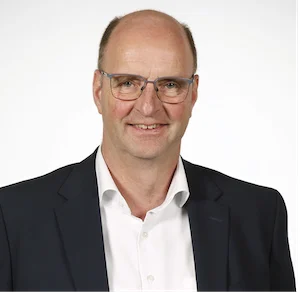



In a significant leadership transition for the global textile machinery sector, Rieter Holding Ltd. announced on November 4, 2026, that Georg Stausberg has been appointed as the new Chief Executive Officer of the Rieter Group, effective immediately. This announcement follows the abrupt withdrawal of Daniel Lippuner, who had been slated to take the helm of the Swiss industrial giant but declined the position at the eleventh hour due to irreconcilable differences regarding his compensation package.
The sudden change at the top of the organization marks a pivotal moment for Rieter, a company that has recently undergone significant structural shifts, most notably the acquisition of Barmag earlier this year. Stausberg, who has served as the CEO of Barmag and a member of the Rieter Group’s Executive Committee since the February 2026 acquisition, steps into the role with an extensive background in international machinery manufacturing and a mandate to stabilize the group during its integration phase.
The Breakdown of Negotiations with Daniel Lippuner
The selection process for the CEO position at Rieter had been closely watched by industry analysts, particularly given the company’s strategic pivot toward man-made fibers and high-tech textile solutions. Daniel Lippuner, a seasoned executive, was initially viewed as the candidate capable of steering the company through its next phase of growth. However, negotiations reached an impasse during the final stages of the transition.
According to statements released by the Board of Directors of Rieter Holding Ltd., the breakdown occurred when Lippuner submitted additional demands regarding his remuneration package, specifically targeting the structure and scale of his performance-related bonuses. The Board, maintaining a policy of strict fiscal governance and alignment with shareholder interests, found these demands to be incompatible with the company’s internal compensation framework.
In a statement addressing the departure, the Board emphasized the necessity of leadership alignment, noting that the "irreconcilable differences" made it impossible for Lippuner to assume the role effectively. The decision to terminate discussions with Lippuner highlights a growing trend among major Swiss industrial firms, which have come under increasing scrutiny from institutional investors to maintain transparency and moderation in executive pay schemes.
A Chronology of Leadership Transitions in 2026
The year 2026 has been one of profound change for Rieter. The company’s trajectory has been defined by a series of aggressive moves to expand its footprint in the man-made fiber market, a sector that is increasingly critical as global demand for synthetic textiles continues to rise.
- February 2026: Rieter Holding Ltd. completes the acquisition of Barmag. This acquisition is framed by analysts as a "transformational deal," allowing Rieter to diversify its portfolio beyond natural fibers.
- March 2026: Georg Stausberg, having led Barmag to global prominence, is appointed to the Executive Committee of the Rieter Group, ensuring a degree of continuity following the integration.
- Late Summer 2026: The Board initiates a search for a new CEO to lead the combined entity, with Daniel Lippuner identified as the primary successor.
- October 2026: Compensation discussions between the Board and Lippuner enter a final phase.
- November 4, 2026: The Board rejects Lippuner’s final demands. Following the collapse of these talks, the Board acts swiftly, elevating Georg Stausberg to the position of CEO to prevent any vacuum in leadership.
Profile of the New CEO: Georg Stausberg
Georg Stausberg enters the CEO office with more than three decades of direct experience in the textile machinery industry. His tenure at Barmag is widely considered a masterclass in industrial management. Under his leadership, Barmag consolidated its position as the world’s leading supplier in the man-made fiber sector, navigating complex supply chain challenges and maintaining technological leadership in high-speed spinning and winding equipment.
Stausberg’s appointment is viewed by many market observers as a stabilizing move. Having already integrated Barmag into the Rieter ecosystem, he possesses a deep understanding of the group’s current technical capabilities and its potential for cross-selling in global markets. His career is characterized by a strong focus on technical innovation, international expansion, and operational efficiency, traits that the Rieter Board clearly prioritizes as they look to leverage the synergies created by the Barmag acquisition.
Supporting Data: Market Positioning and Financial Context
Rieter’s decision to move quickly in appointing Stausberg underscores the competitive nature of the global textile machinery industry. The sector is currently navigating a period of high volatility, driven by shifting global trade policies, energy costs, and the increasing demand for sustainable textile production technologies.
According to sector data, the man-made fiber industry is projected to see significant growth over the next five years, particularly in Asia and the Middle East. By securing a leader with Stausberg’s specific expertise in this domain, Rieter is signaling to shareholders that it intends to prioritize this segment as a primary engine of revenue growth.
Furthermore, the integration of Barmag is expected to contribute to a broader revenue base for Rieter, which has traditionally relied on its dominant position in short-staple spinning. The combined entity is now positioned to serve a much wider spectrum of the textile value chain, from raw material processing to final fiber production. The ability of the new CEO to capitalize on this expanded market presence will be the primary metric by which his success is measured in the coming quarters.
Official Responses and Governance Implications
While official statements from Rieter have remained focused on the transition, the implications for corporate governance are clear. The Board’s refusal to acquiesce to higher bonus demands is a clear signal that Rieter is committed to its established corporate governance guidelines.
Industry analysts suggest that the Board’s decisive action in replacing a designated candidate—rather than continuing negotiations—demonstrates a strong, unified governing body. By acting immediately, the Board avoided a prolonged period of uncertainty that could have spooked investors and negatively impacted the stock price during a sensitive period of post-acquisition integration.
Broader Impact and Future Outlook
The immediate future for Rieter under Stausberg’s leadership will likely focus on three core pillars: integration, innovation, and international outreach.
- Integration Efficiency: The primary task for the new CEO will be to ensure that the synergies identified during the Barmag acquisition are fully realized. This involves not only the alignment of operational workflows but also the harmonization of company cultures.
- Technological Innovation: As the textile industry shifts toward "Industry 4.0" and automated, energy-efficient machinery, Stausberg will be expected to accelerate R&D spending to keep Rieter ahead of low-cost competitors.
- Strategic Market Expansion: With an extensive international network, Stausberg is well-positioned to strengthen Rieter’s influence in emerging markets where the demand for modern, automated textile machinery is reaching an all-time high.
The textile machinery industry is undergoing a transition toward greater sustainability and circularity. Machinery that can process recycled fibers efficiently is becoming a premium asset. Stausberg’s background suggests he is well-equipped to pivot the group’s focus toward these high-value, future-proof product lines.
Conclusion
The appointment of Georg Stausberg as CEO of the Rieter Group is a definitive turn in what has been a year of major corporate evolution for the company. While the departure of Daniel Lippuner serves as a reminder of the complexities involved in executive transitions and compensation negotiations, the board’s swift pivot to a proven industry veteran provides a measure of stability.
As Rieter moves into 2027, the focus will inevitably shift from the boardroom to the shop floor and the global market. With Stausberg at the helm, the company appears prepared to face the challenges of a rapidly changing industry, armed with a clear strategy and a deep reservoir of technical and managerial experience. Investors and stakeholders will now look to the upcoming annual general meeting for a detailed roadmap on how the new CEO intends to drive long-term value for the organization.