











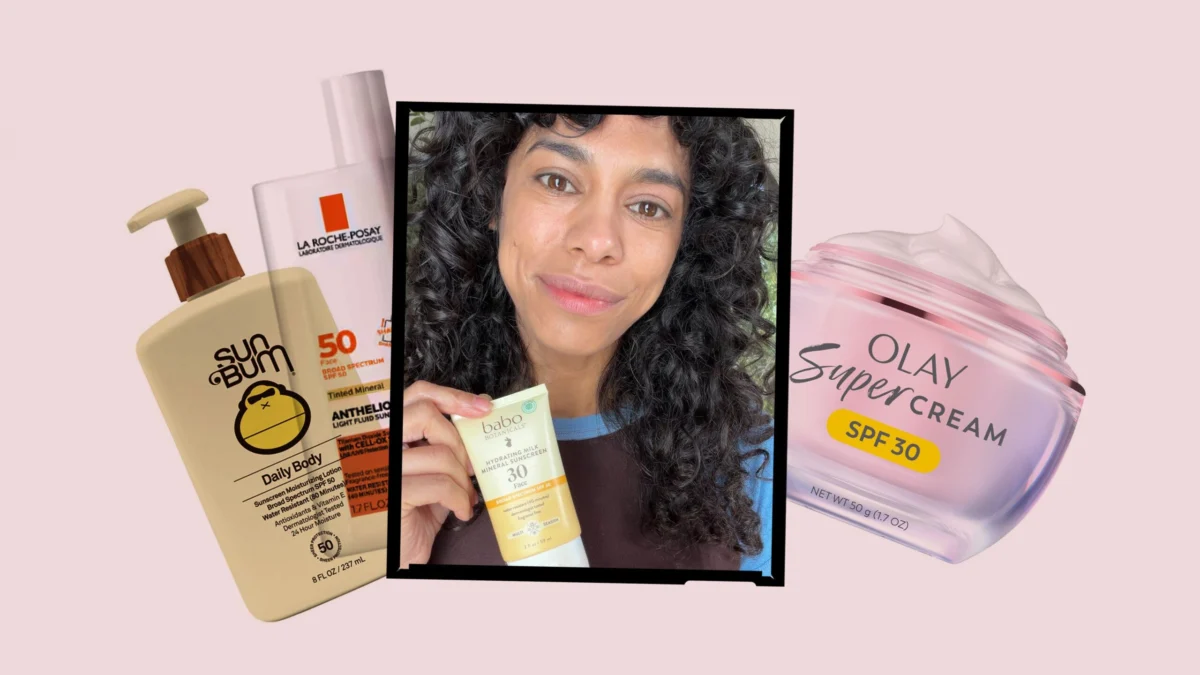
The quest for effective and accessible sun protection often leads consumers to the aisles of their local drugstore. With a vast array of options, understanding what constitutes a quality sunscreen can be overwhelming. Dermatologists and skin care experts emphasize that the best sunscreen is ultimately the one individuals will use consistently, highlighting the crucial role of accessibility, affordability, and cosmetic elegance in daily application. This comprehensive guide delves into the key considerations when selecting a drugstore sunscreen, explores the distinctions between mineral and chemical formulations, and underscores the significant benefits of these readily available products.
Essential Features of a Drugstore Sunscreen
When navigating the sunscreen aisle, dermatologists advise prioritizing several key features to ensure robust protection against the sun’s damaging rays. Dr. Kobets, a prominent dermatologist, stresses the importance of "broad-spectrum protection." This designation, clearly indicated on the product label, guarantees defense against both UVB rays, the primary culprits behind sunburn, and UVA rays, which penetrate deeper into the skin, contributing to premature aging, hyperpigmentation, and an increased risk of skin cancer. The American Academy of Dermatology (AAD) and numerous dermatologists universally recommend using a sunscreen with an SPF (Sun Protection Factor) of 30 or higher. SPF measures a sunscreen’s ability to block UVB rays, and a higher number indicates greater protection. For instance, SPF 30 blocks approximately 97% of UVB rays, while SPF 50 blocks about 98%.
Beyond broad-spectrum coverage and an adequate SPF, water resistance is a critical factor for individuals who engage in outdoor activities, sweat heavily, or swim. Sunscreen labels will specify if a product is water-resistant, typically for either 40 or 80 minutes. If water resistance is not mentioned, it’s safe to assume the product offers no such benefit. This is particularly important for maintaining consistent protection during water-based activities, as water can dilute and wash away sunscreen, leaving skin vulnerable.
However, the efficacy of a sunscreen extends beyond its technical specifications. Cosmetic elegance plays a pivotal role in ensuring consistent application and reapplication. "If a sunscreen feels greasy, pills under makeup, or leaves a cast that someone dislikes, they’re less likely to apply enough or reapply consistently," explains Dr. Kobets. This sentiment is echoed by Dr. Serena Mraz, a double board-certified dermatologist, who notes that finding a formula that a user genuinely enjoys using is paramount. The market has responded to this need, offering a diverse range of textures and finishes, from lightweight lotions to non-greasy gels, catering to various preferences.
For individuals contending with hyperpigmentation, such as melasma or post-inflammatory marks, tinted sunscreens incorporating iron oxides offer an additional layer of defense. These ingredients not only protect against UV radiation but also shield the skin from visible light, which can exacerbate pigmentation issues. Dr. Mraz highlights this as a "significant consideration for people suffering from melasma or conditions like lupus or sun-induced rashes." Visible light, particularly blue light emitted from digital screens and the sun, has been shown to contribute to skin aging and hyperpigmentation, making tinted sunscreens a valuable tool for specific skin concerns.
Furthermore, the evolution of drugstore sunscreen formulations now accommodates a wide spectrum of skin types. "Many drugstore brands now offer excellent formulations tailored to a variety of skin types, including sensitive, acne-prone, oily, and mature skin," notes Dr. Kobets. This specialized approach ensures that individuals can find sunscreens that address their unique needs without compromising on protection. For sensitive skin, mineral sunscreens containing zinc oxide or titanium dioxide are often recommended due to their gentle nature and lower incidence of allergic reactions. Oily or acne-prone skin types may benefit from non-comedogenic, lightweight fluid or gel formulations that prevent pore blockage and feel comfortable throughout the day. Mature or dry skin can find solace in sunscreens enriched with hydrating ingredients like hyaluronic acid, glycerin, ceramides, and niacinamide, which simultaneously protect and moisturize.
Mineral Versus Chemical Sunscreens: An Expert Perspective
The debate between mineral and chemical sunscreens is a common point of discussion among consumers and skincare professionals. However, experts largely agree that neither type is inherently superior; the most effective sunscreen is the one that is used diligently.
Mineral sunscreens, also known as physical sunscreens, utilize active mineral ingredients such as zinc oxide and titanium dioxide. These ingredients work by creating a physical barrier on the skin’s surface that reflects and scatters UV rays. Dr. Mraz is a strong proponent of mineral formulations, stating, "patients with sensitive skin tend to do much better with mineral-based sunscreens." This is due to their generally hypoallergenic nature, making them a favorable choice for individuals with conditions like rosacea, eczema, or those who have recently undergone cosmetic procedures.
Dr. Kobets also leans towards mineral sunscreens, particularly for patients with sensitive skin, acne-prone skin, melasma, or those recovering from dermatological treatments. However, she acknowledges that mineral sunscreens are not universally preferred. "Some people dislike the texture or white cast associated with mineral formulas and may do better with a chemical sunscreen," she explains. Chemical sunscreens, on the other hand, absorb UV rays and convert them into heat, which is then released from the skin. For individuals who find mineral sunscreens cosmetically challenging, a chemical sunscreen can be a perfectly suitable alternative, provided it encourages consistent and adequate application.
Dr. Hale offers a balanced perspective, asserting that "at this point, I would say that both physical and chemical sunscreens are safe and they are effective." She further notes the emergence of hybrid formulas that combine both mineral and chemical active ingredients. These hybrid formulations can offer the best of both worlds, potentially mitigating the white cast often associated with mineral sunscreens while providing comprehensive broad-spectrum protection. The key differentiator remains user preference and adherence, as consistent application is the cornerstone of effective sun protection. The development of micronized mineral particles has also helped to reduce the dreaded white cast, making mineral options more aesthetically pleasing for a wider range of users.
The Enduring Value of Drugstore Sunscreens
The benefits of drugstore sunscreens extend far beyond their protective capabilities. While safeguarding the skin against harmful UV rays is their primary function, their accessibility and affordability play a significant role in promoting consistent sun protection habits. "Wearing daily sunscreen is the best way to slow down development of skin cancer and premature aging of the skin," states Dr. Hale, underscoring the fundamental importance of this practice.
One of the most compelling advantages of drugstore sunscreens is their widespread availability. Found in nearly every pharmacy, supermarket, and convenience store, they are easily accessible, eliminating barriers to purchase. This accessibility, coupled with their often lower price point compared to high-end or specialty sunscreens, encourages more frequent and generous application. "Drugstore sunscreens are widely available, affordable, and easy to replace, which encourages consistent daily use and reapplication," Dr. Kobets observes. Dr. Mraz concurs, identifying "more affordable cost" as the "predominant overarching advantage over a more expensive department store sunscreen."
The economic factor is particularly relevant when considering the recommended application of sunscreen. Dermatologists universally advise applying approximately two milligrams of sunscreen per square centimeter of skin to achieve the stated SPF. This translates to roughly a nickel-sized amount for the face and a shot glass full for the entire body. For many, purchasing a less expensive sunscreen makes it more feasible to apply the correct amount and reapply throughout the day without financial constraint. Dr. Hale highlights this practicality: "There may be some merit in getting a less expensive sunscreen, where you’re getting more quantity of it for the same price." When a lower price point translates to more liberal application and more frequent reapplication, it directly contributes to better sun protection and, consequently, improved skin health outcomes.
The consistent use of sunscreen, regardless of its price point, is a critical public health objective. Studies have consistently shown a strong correlation between regular sunscreen use and a reduced incidence of skin cancer, including melanoma, basal cell carcinoma, and squamous cell carcinoma. The Skin Cancer Foundation reports that daily sunscreen use can reduce the risk of developing squamous cell carcinoma by about 40% and lower the risk of melanoma by 50%. The affordability of drugstore options makes achieving these protective benefits more attainable for a broader segment of the population, thereby contributing to a reduction in the global burden of skin cancer.
Testing and Review Methodology: Ensuring Quality and Reliability
In the assessment of consumer products, rigorous testing and transparent review processes are paramount. For drugstore sunscreens, a multi-faceted approach is employed to evaluate their efficacy, user experience, and overall value. This process typically involves a diverse panel of testers, including editors, writers, contributors, cosmetic chemists, and makeup artists, all possessing varying levels of expertise and experience with skincare and sun protection products.
The evaluation criteria are often categorized into four primary areas:
- Efficacy: This assesses how well the sunscreen performs its core function – providing broad-spectrum UV protection. This may involve laboratory testing to confirm SPF and broad-spectrum claims, as well as real-world observation of how the product prevents sunburn and photodamage over time.
- Texture and Feel: This subjective but critical category examines the sensory experience of applying the sunscreen. Factors such as greasiness, tackiness, ease of spreadability, and the absence of pilling under makeup are thoroughly evaluated. The goal is to identify formulations that are pleasant to use, thereby encouraging consistent application.
- User Experience: Beyond texture, this category considers the overall ease of use, including factors like scent (or lack thereof), packaging design, and how well the product integrates into a daily skincare and makeup routine. For tinted sunscreens, the blendability and color match are also important considerations.
- Formula and Ingredients: Cosmetic chemists and formulation experts analyze the ingredient list to understand the protective mechanisms employed, the presence of beneficial or potentially irritating ingredients, and the overall sophistication of the formula. This includes evaluating the stability of the active ingredients and the presence of antioxidants or other skin-enhancing components.
The commitment to a diverse testing pool is a cornerstone of this methodology. As emphasized in the original content, a product’s effectiveness can vary significantly based on individual characteristics such as skin tone, skin type, hair texture, and specific concerns. For instance, a sunscreen that performs exceptionally well on oily skin might not be ideal for someone with dry or mature skin. Similarly, the aesthetic qualities, such as the degree of white cast, can be perceived differently across various skin tones. By engaging testers who represent a broad demographic, the reviews aim to provide a more comprehensive and universally applicable assessment of each product. This inclusive approach ensures that recommendations are relevant and trustworthy for a wide range of consumers, reinforcing the commitment to delivering unbiased and actionable consumer advice. The methodology employed by reputable publications aims to replicate the diverse needs and experiences of their readership, ensuring that the curated lists of recommended products are both effective and user-friendly for everyone.