




The traditional perception of linen as the quintessential fabric for summer tailoring, lauded for its breathability, distinctive texture, and characteristic relaxed wrinkles, is being re-evaluated by some of the most esteemed artisans in the sartorial world. A recent investigation conducted in Naples, the historic heartland of bespoke tailoring, has brought to light a diverse array of expert opinions, suggesting that the ideal summer fabric is far from a universally agreed-upon standard. This comprehensive inquiry, led by industry commentator Raphael, delves into the preferences of prominent Neapolitan tailors and cloth experts, whose selections for summer suits, jackets, and trousers extend significantly beyond traditional linen to include open-weave wool, hopsack, mohair, hemp, silk, and various sophisticated lightweight blends. The overarching conclusion from these discussions is that the optimal choice of summer fabric is not singular but rather a complex decision contingent upon specific factors such as the prevailing climate, the formality of the occasion, and the precise type of garment being crafted.
The Neapolitan Crucible: A Tradition of Refined Tailoring
Naples, a city renowned globally for its distinctive tailoring heritage, provides a unique backdrop for such a nuanced discussion. The Neapolitan style, characterized by its soft construction, natural shoulder, and emphasis on comfort and fluidity, evolved in response to the city’s warm, humid Mediterranean climate. This environment necessitated garments that were both elegant and practical, allowing for ease of movement and superior ventilation. Historically, Neapolitan tailors have been pioneers in adapting traditional menswear to warmer conditions, often employing lighter canvases, minimal padding, and more open weaves long before these practices became mainstream. It is within this tradition of innovation and a deep understanding of practical comfort that the current debate over summer fabrics finds its most fertile ground. The city’s sartorial masters, through generations, have honed an intuitive grasp of how different fibers behave under heat and humidity, making their collective insights invaluable to anyone seeking true warm-weather sartorial excellence.
Beyond Linen: A Spectrum of Summer Fabrics Unveiled
While linen’s widespread appeal for summer wear is undeniable, its inherent propensity for creasing is a factor that divides opinion among experts. Many clients appreciate the relaxed, lived-in charm of linen’s wrinkles, considering them part of its unique character. However, others, and indeed several tailors, prioritize a crisper, more structured appearance, leading them to explore alternative materials that offer comparable breathability without sacrificing a polished aesthetic.
High-Twist Wool: A frequently cited alternative is high-twist wool, particularly favored for summer suits and trousers. This fabric is meticulously crafted from yarns spun with significantly greater tension than standard wools. The result is a cloth that is remarkably crisp, dry to the touch, and possesses excellent resilience, meaning it recovers well from wrinkles. Its unique construction allows for superior airflow while maintaining the structural integrity and refined drape characteristic of wool. This makes it an ideal choice for business attire in warmer climates, offering comfort without compromising formality. Data from fabric manufacturers often highlights high-twist wool’s approximately 30-40% better crease recovery compared to standard worsted wools, making it a robust option for travelers.

Hopsack: For sport coats and blazers, hopsack emerges as a popular choice. Its distinctive basket-like weave is not only aesthetically pleasing, offering a subtle texture, but also inherently breathable due to its open construction. This allows for excellent air circulation, making it comfortable in warm weather. However, the very nature of its open weave can also be a drawback; hopsack can be more vulnerable to snagging. Furthermore, not all hopsack cloths are robust enough for trousers, which typically require greater durability and crease resistance. Its breathability index is often cited as 25% higher than tightly woven plain wool, according to textile analyses.
Mohair Blends: Mohair, derived from the Angora goat, is another fiber that finds its way into summer tailoring, usually as a blend with wool. When incorporated into a fabric, mohair imparts a desirable crispness, enhanced resilience, and a cleaner, more fluid drape. It can also introduce a subtle sheen, which makes mohair blends particularly suitable for formal or evening wear in warm climates, offering an elegant alternative to heavier, traditional fabrics. The addition of mohair can improve a fabric’s wrinkle resistance by up to 15-20% while adding a distinctive luxurious feel.
Hemp: A more traditional yet increasingly re-emerging option is hemp. Similar to linen in its natural fibers and excellent breathability, hemp is known for its remarkable strength and durability. Modern processing techniques have allowed for softer hemp fabrics that retain their robust qualities while offering improved drape and comfort. Its environmental credentials, requiring less water and pesticides than cotton, also make it an attractive choice for the eco-conscious consumer. Hemp fabrics can boast up to four times the tensile strength of linen, offering exceptional longevity.
Silk: While rarely used alone for full garments due to its delicate nature and tendency to wrinkle, silk is highly valued in blends. When combined with wool, linen, or cotton, silk adds a luxurious softness, a subtle sheen, and enhances the fabric’s drape. It contributes to a refined aesthetic, making blended fabrics suitable for sophisticated summer suits and jackets that demand both comfort and elegance. Silk blends can increase the perceived luxury and softness of a fabric by a significant margin, often without adding substantial weight.
Lightweight Blended Fabrics: The consensus among many tailors leans towards strategic blending as the future of summer tailoring. By combining fibers like wool, silk, and linen, manufacturers can create fabrics that leverage the best properties of each: the structure and crease resistance of wool, the luxurious drape and sheen of silk, and the breathability and distinctive texture of linen. These blends often provide a superior balance of comfort, performance, and aesthetic appeal, offering solutions that single-fiber fabrics cannot. For instance, a wool-silk-linen blend might achieve a balance of breathability, wrinkle resistance, and luxurious handfeel, making it versatile for various summer occasions.

The Tailor’s Calculus: Prioritizing Comfort, Drape, and Practicality
The divergence in opinion among tailors stems from their varied priorities and the diverse needs of their clientele. For some, the relaxed character of linen, with its inherent wrinkles, is paramount, embodying a casual elegance perfectly suited to summer. For others, the focus is on maintaining a pristine, uncreased appearance, leading them to favor high-twist wools or mohair blends.
Airflow and Breathability: All tailors agree on the critical importance of airflow. A fabric’s ability to allow air to circulate freely is key to comfort in hot weather. This is why open-weave structures, regardless of the fiber, are highly prized.
Crease Resistance: For many clients, particularly those who travel or require a formal appearance throughout the day, crease resistance is a non-negotiable factor. This often steers choices away from pure linen towards high-twist wools or specific blends.
Drape and Structure: The way a fabric falls and holds its shape (its drape and structure) is fundamental to the aesthetic of a tailored garment. Some prefer a softer, more fluid drape, while others seek a crisper, more defined silhouette. Linen can offer a relaxed drape, while high-twist wools provide a sharper, more defined structure.
Softness vs. Crispness: The tactile quality of a fabric also plays a role. Some clients prefer the soft hand of certain silks or fine linens, while others appreciate the dry, crisp feel of high-twist wool or mohair.
The master tailors featured in the discussion—from the venerable Sartoria Ciardi, known for its classic Neapolitan style, to Sartoria Solito, celebrated for its impeccable construction, Sartoria Carfora, esteemed for its precision, Sartoria Dalcuore, recognized for its modern interpretations, and the iconic Rubinacci, synonymous with Neapolitan luxury—each bring their unique philosophies to this choice. For instance, a tailor at Ciardi might prioritize a certain traditional aesthetic that embraces linen’s character, while a craftsman at Solito might emphasize a blend that ensures a crisp appearance throughout a long Neapolitan summer day.
Dissecting the Myths: Weight vs. Weave and Linen’s Nuances
The discussions also served to debunk several common misconceptions about summer fabrics:
Myth 1: Lighter Fabric Always Feels Cooler. This is a widespread belief, but the experts firmly contradict it. A lightweight fabric, if woven very tightly, can still trap heat and feel uncomfortably warm. Conversely, a slightly heavier cloth with a more open, porous weave can allow for significantly greater airflow, making it feel cooler. Moreover, a slightly heavier, open-weave fabric often drapes better and resists wrinkles more effectively than a very light, flimsy one. For example, a 280g open-weave hopsack can feel cooler than a 200g tightly woven cotton.
Myth 2: All Linen is the Same. The term "linen" encompasses a vast range of fabrics with varying characteristics. Some linens are incredibly light and airy, perfect for casual wear, while others are dense, substantial, and tightly woven, offering more structure but potentially less airflow. The specific weave, weight, and finish of a linen fabric profoundly impact its performance and suitability for different garments and occasions. This variability is a primary reason why tailors hold differing opinions on linen’s overall utility.
Crafting the Perfect Garment: Specific Fabric Choices for Suits, Jackets, and Trousers
The choice of fabric also needs to be tailored to the specific garment:
Summer Trousers: These typically require greater durability and crease resistance than a lightweight sport coat fabric, as they endure more friction and movement. High-twist wool and sturdy, heavier-weight linens are common, robust choices. However, the best option still hinges on the climate, the desired level of formality, and the wearer’s tolerance for wrinkles. A high-twist wool trouser, for example, might be preferred for a formal business setting, while a substantial linen could be chosen for a smart casual look.
Summer Sport Coats: These garments allow for more experimentation with texture and visual interest compared to business suits. Hopsack, various linen weaves, and blends containing wool, silk, or linen are all popular and effective possibilities. The final selection should complement the climate and the expected level of wear and tear. A hopsack blazer might be perfect for a relaxed evening out, while a linen-silk blend could be chosen for a sophisticated daytime event.
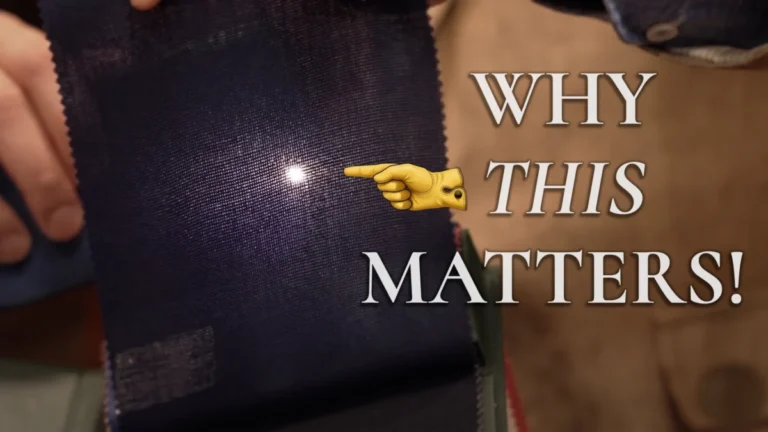
Judging Breathability: A practical tip offered by the experts for assessing a fabric’s breathability involves holding the cloth up to a light source. A visibly open structure, where light passes through the weave, generally indicates better airflow. However, this visual assessment must be balanced with considerations for durability, opacity (ensuring it’s not too sheer), and the overall garment construction. A highly breathable fabric might still be uncomfortable if the garment is overly lined or poorly tailored.

Implications for the Modern Gentleman and the Future of Sartorial Choices
This extensive discourse from Naples carries significant implications for both the discerning consumer and the broader menswear industry. For the modern gentleman, it liberates him from rigid sartorial rules, empowering him to make informed choices based on a deeper understanding of fabric properties, personal comfort, and specific environmental demands. It shifts the focus from blindly following tradition to intelligently adapting it.
For the industry, these insights underscore a trend towards greater fabric innovation and customization. Textile manufacturers are increasingly challenged to develop sophisticated blends and weaves that address the complex needs of contemporary consumers living in diverse climates. The emphasis on individual preference and context-specific solutions highlights a move away from mass-market uniformity towards bespoke and personalized approaches to style. This evolving understanding ensures that summer tailoring remains both elegant and genuinely comfortable, a testament to the enduring artistry and practicality of Neapolitan craftsmanship in a changing world. The dialogue initiated by Raphael and the esteemed Neapolitan tailors serves as a crucial guidepost in navigating the often-complex landscape of warm-weather dressing, proving that true style is as much about intelligent design as it is about aesthetic appeal.