









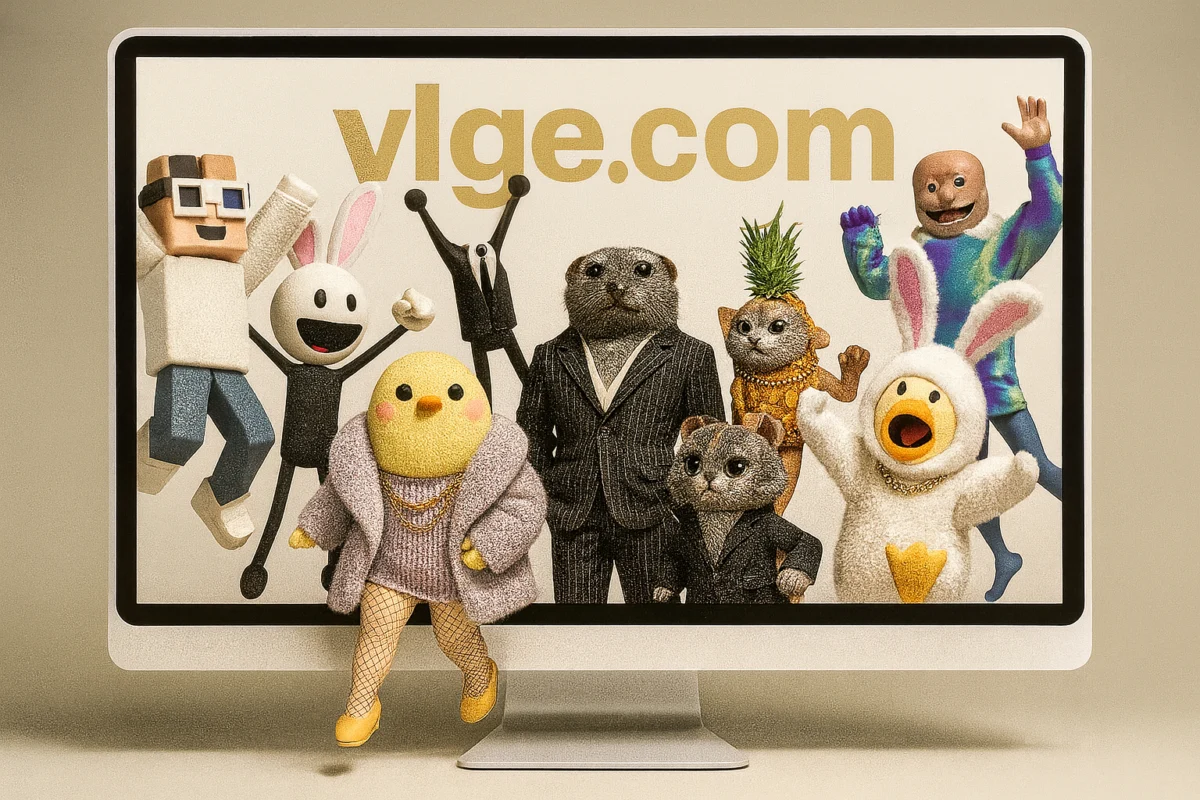
The global fashion industry is currently navigating a period of profound structural transformation, driven by the dual pressures of environmental sustainability and the shifting consumption habits of younger demographics. At the center of this evolution is VLGE, a gaming and immersive-world-building platform that has recently announced a significant expansion of its operations. Founded in 2021 by Evelyn Mora, VLGE is designed to bridge the gap between high fashion and digital interactivity, allowing brands to construct their own virtual environments, populate them with interactive content, and export these assets to major gaming platforms like Roblox. This week, the company marked a major milestone by announcing that 50 fashion brands will launch shoppable virtual worlds as part of "World Fashion Week," an initiative powered entirely by VLGE’s proprietary technology.
The announcement comes at a time when traditional fashion shows are increasingly scrutinized for their carbon footprints and their inability to engage Gen Z consumers, who prioritize digital identity and interactive experiences over passive observation. By positioning itself as the infrastructure for the next generation of commerce, VLGE aims to democratize access to the "metaverse" or immersive web, providing tools that allow brands to bypass the high costs and technical complexities typically associated with 3D world-building.
The Genesis of VLGE: From Sustainability to Digital Innovation
Evelyn Mora’s journey into the digital fashion space began with a focus on environmental advocacy. Early in her career, Mora gained international recognition for founding Helsinki Fashion Week, which became the world’s first 100% sustainable fashion week. Through this experience, she observed a recurring dilemma: while many designers were deeply committed to ethical production and sustainable materials, the logistical reality of staging large-scale physical fashion shows remained inherently wasteful. The travel, construction, and ephemeral nature of these events contradicted the core tenets of the sustainability movement.
Mora realized that the industry needed a new medium—one that offered the prestige and visibility of a fashion show without the physical waste. This realization led to the conceptualization of VLGE. Launched in 2021, the platform was built to offer brands a way to create immersive "worlds" that serve as permanent or semi-permanent digital flagships. Unlike a 15-minute runway show, these worlds allow for continuous engagement, gamified storytelling, and direct-to-consumer sales in a virtual environment.
Since its inception, VLGE has successfully attracted high-profile partnerships and significant financial backing. The company has raised a total of $5 million in capital, drawing interest from a diverse group of investors. Notable contributors include Lammot J. du Pont of the du Pont family, the L’Oréal Group, and the British Fashion Council. These investments signal a growing confidence among traditional industry stalwarts that the future of retail lies in gamified, interoperable digital spaces.
World Fashion Week and the 50-Brand Activation
The upcoming World Fashion Week represents VLGE’s most ambitious project to date. This initiative is designed to act as a bridge for creators and brands to launch shoppable games across multiple platforms. The participation of 50 fashion brands underscores the industry’s readiness to move beyond experimental "one-off" digital drops toward a more integrated digital strategy.
World Fashion Week is not merely a showcase of digital aesthetics; it is a functional marketplace. Each brand world is designed to be "shoppable," meaning users can interact with digital garments and accessories, often with the option to purchase either 3D assets for their avatars or physical counterparts for themselves. This "phygital" approach—combining physical goods with digital assets—is a cornerstone of VLGE’s business model.
Mora has described this event as the brand’s first large-scale activation that demonstrates the platform’s real-time building capabilities. One of the key features of the VLGE platform is its browser-based editor, which allows users to build and modify their worlds in real-time. This eliminates the need for specialized hardware or long rendering times, making the creative process more agile and responsive to market trends.
Breaking Down the Roblox Barrier
A significant portion of VLGE’s current strategy is centered on Roblox, a platform that has become a dominant force in the lives of Gen Z and Gen Alpha. With over 70 million daily active users, Roblox offers an unparalleled reach for fashion brands looking to connect with younger audiences. However, entering the Roblox ecosystem has traditionally been a high-barrier endeavor.
"Roblox has become fashion’s most powerful youth frontier, yet until now, world-building there has been costly, technical, and complex," Mora stated. "We make it instant, affordable, scalable, and interoperable."
Currently, for a brand to establish a presence on Roblox, they typically must hire specialized creative agencies. These projects can cost anywhere from $10,000 to $100,000 and can take months to develop and deploy. Furthermore, these worlds are often "siloed," meaning the assets created for Roblox cannot easily be moved to other platforms or integrated with the brand’s existing e-commerce infrastructure.

VLGE addresses these pain points by offering a "no-code" solution. Brands building on VLGE can launch on Roblox almost instantly without needing to understand Roblox’s specific coding language (Luau) or having a deep background in game development. This interoperability is a critical competitive advantage. In addition to Roblox, VLGE is compatible with Unreal Engine and is currently developing compatibility for Meta’s Horizon Worlds, ensuring that brands are not locked into a single ecosystem.
The Economics of Gamified Commerce
To accommodate brands of varying sizes, VLGE has implemented a four-tier pricing model:
- Freemium: Designed for independent creators and students to experiment with 3D building.
- Creators: A paid tier for professional digital artists and influencers.
- Small Businesses: Focused on emerging labels looking to establish a digital footprint.
- Enterprise: Tailored for major global brands requiring advanced features, high-volume traffic support, and bespoke integrations.
This tiered approach is intended to democratize digital fashion, allowing smaller designers to compete for attention alongside industry giants like Lancôme, Charlotte Tilbury, and Vogue Scandinavia—all of whom have already engaged with VLGE’s technology.
Beyond the subscription model, VLGE is preparing to launch a specialized "e-tail" store. This platform will serve as a marketplace for both physical items from emerging brands and 3D digital assets. The 3D assets will be "interoperable," meaning a user who buys a digital jacket on the VLGE store could potentially wear it across different gaming environments, starting with Roblox. This addresses one of the primary complaints of digital consumers: the lack of portability for virtual goods.
Data and Market Context: Why Now?
The push toward gamified commerce is supported by compelling market data. According to industry reports, Gen Z consumers spend an average of eight hours or more a week in immersive gaming environments. Furthermore, a study by Roblox and Parsons School of Design found that nearly 50% of Gen Z users say they dress their avatars to express their individuality, and more than one-third say they prioritize their avatar’s style over their own physical style in certain contexts.
The digital fashion market is projected to reach a valuation of several billion dollars by the end of the decade. Major luxury houses have already paved the way; brands like Gucci, Balenciaga, and Ralph Lauren have reported significant engagement and revenue from digital-only collections. However, these successes were often achieved through massive investments that are out of reach for the average brand. VLGE’s entry into the market provides the "SaaS" (Software as a Service) infrastructure that could allow the rest of the fashion industry to catch up.
From a sustainability perspective, the implications are equally significant. Digital prototyping and virtual showrooms allow brands to test consumer interest in designs before they ever go into physical production. This "made-to-order" or "validated-demand" model could drastically reduce the overproduction and deadstock issues that currently plague the fashion industry, where it is estimated that 30% of manufactured clothes are never sold.
Industry Implications and Future Outlook
The launch of World Fashion Week and the expansion of VLGE’s interoperability tools mark a shift from the "metaverse hype" of 2021 toward a more pragmatic, utility-driven digital economy. Industry analysts suggest that the success of platforms like VLGE will depend on their ability to prove that virtual engagement translates into long-term brand loyalty and measurable sales.
The involvement of the British Fashion Council and L’Oréal indicates that the establishment is no longer viewing gaming as a niche hobby but as a core pillar of modern retail. For the 50 brands participating in World Fashion Week, this serves as a low-risk, high-reward entry point into a complex technical landscape.
As VLGE continues to build out its compatibility with Unreal Engine and Meta Horizon Worlds, the company is positioning itself as a central node in the emerging "Open Metaverse." By lowering the cost of entry and removing technical hurdles, Evelyn Mora and her team are not just changing how fashion is presented; they are redefining the very nature of the shopping experience for a generation that views the digital and physical worlds as one and the same.
"This moment isn’t just about fashion," Mora concluded. "It’s about the infrastructure that will power the next generation of commerce for the new generation." As World Fashion Week approaches, the industry will be watching closely to see if this gamified vision of retail becomes the new global standard.