









The fast fashion behemoth SHEIN is reportedly moving to acquire Everlane, a brand that has cultivated a public image of responsibility and transparency. This strategic move, confirmed by industry sources, is widely seen as a calculated effort by SHEIN to enhance its environmental, social, and governance (ESG) profile amidst intense scrutiny and persistent accusations of greenwashing. SHEIN, currently rated "We Avoid" by Good On You, operates at the forefront of the ultra-fast fashion model, a business approach frequently criticized for its significant negative impacts on the environment and labor practices. This acquisition raises critical questions about the future direction of both brands and the broader implications for the fashion industry’s sustainability efforts.
The Rise of SHEIN and Its Deepening Controversies
Founded in 2008, SHEIN has rapidly ascended to become one of the world’s largest and fastest-growing online retailers. Its business model hinges on producing an immense volume of trendy clothing items at exceptionally low price points, often leading to concerns about the quality and longevity of its products. This ultra-fast production cycle, characterized by thousands of new designs daily, has drawn considerable criticism for its environmental footprint and its alleged reliance on exploitative labor practices.
Over recent years, SHEIN has faced a barrage of allegations, ranging from copyright infringement to a lack of transparency in its supply chain. The brand has been repeatedly accused of greenwashing, attempting to portray a more environmentally friendly image without making fundamental changes to its unsustainable core operations. A notable incident occurred in 2023 when SHEIN invited a group of social media influencers on a sponsored trip to one of its factories and innovation centers in China. The influencers subsequently posted videos praising the company’s practices and dismissing widespread allegations of child labor as mere rumors. This generated significant backlash across social media and news platforms. As reported by Forbes, "The controversy stems from criticism that SHEIN has received as investigative reporting revealed the company’s use of quick, cheap labour violates Chinese labour laws and negatively impacts the environment."
Further exacerbating its problematic image, SHEIN’s most recent sustainability report, published in early 2025, revealed alarming trends. Despite public commitments to improve its environmental performance, the company’s shipping emissions increased by a staggering 137% in 2024. This data points to a significant backward slide in its environmental impact, directly contradicting any claims of progressing towards sustainability. Concurrently, a 2025 report by Greenpeace highlighted the persistent issue of hazardous substances in SHEIN’s clothing, with tests showing unsafe levels of chemicals that continue to violate international limits. These findings underscore a systemic failure to address critical environmental concerns within its production processes.
Beyond environmental issues, SHEIN’s labor practices remain a major point of contention. A comprehensive review by Good On You in February 2025 found no verifiable evidence that SHEIN ensures living wages are paid to all workers throughout its extensive supply chain. Furthermore, there was no clear indication of concrete actions being taken to minimize hazardous chemicals, enforce robust waste management, or uphold other fundamental ethical standards. These ongoing issues contribute to SHEIN’s consistent "We Avoid" rating, signifying a profound lack of commitment to people, the planet, and animals.
This intensified scrutiny comes at a critical time for SHEIN, as the company has been actively pursuing a public listing on the stock market. Following stalled attempts for an Initial Public Offering (IPO) in London, the company is reportedly considering a return to China for a Hong Kong listing, as reported by The Guardian in August 2025. A successful IPO would require a more favorable public perception, making strategic acquisitions that project a responsible image all the more appealing.
Everlane’s "Radical Transparency" Under Scrutiny
In stark contrast to SHEIN’s reputation, Everlane has long positioned itself as a pioneer in "radical transparency" since its founding. The brand built its identity on a promise to disclose its factories, ethical practices, and the true costs of its products, aiming to empower consumers to make informed choices. This marketing strategy resonated with a growing segment of consumers seeking more ethical and sustainable alternatives to conventional fashion. Everlane’s narrative focused on quality basics, minimalist design, and a commitment to responsible sourcing and manufacturing.
However, Everlane’s own claims of "radical transparency" have not been without their challenges. While the brand has made efforts to be more open about its supply chain, some critics and former employees have pointed to instances where its practices did not fully align with its ambitious rhetoric. The acquisition by SHEIN places Everlane’s hard-earned, albeit imperfect, reputation for responsibility at a critical juncture. The core values that defined Everlane are now confronted with the operational realities of an ultra-fast fashion giant.
Analyzing the Strategic Acquisition and its Implications
SHEIN’s acquisition of Everlane can be interpreted through several strategic lenses, all converging on the company’s urgent need to address its public image and sustainability deficits.
-
Sustainability Optics and Greenwashing: The most immediate and apparent motivation is to acquire a brand with established sustainability credentials. By absorbing Everlane, SHEIN can attempt to co-opt its perceived ethical standing, potentially presenting a narrative of evolving towards a more responsible business model. This could serve as a powerful greenwashing tactic, aiming to deflect criticism and attract environmentally conscious investors and consumers without necessarily overhauling SHEIN’s fundamental, high-volume, low-cost production system. The risk here is that the juxtaposition of SHEIN’s "We Avoid" rating with Everlane’s "responsible" image could backfire, drawing even more attention to the deep-seated issues within the acquiring company.
-
Market Diversification and Expansion: While SHEIN dominates the ultra-fast fashion segment, Everlane caters to a slightly different demographic—consumers who prioritize quality, timeless design, and ethical production, even at a slightly higher price point. This acquisition could allow SHEIN to expand its market reach into a more premium, conscious consumer segment, diversifying its portfolio beyond its current youth-centric, trend-driven offerings.
-
Access to Supply Chain Knowledge: Everlane’s experience with more transparent sourcing and manufacturing practices, even if imperfect, could theoretically offer SHEIN valuable insights. However, integrating Everlane’s relatively smaller-scale, more deliberate supply chain into SHEIN’s vast and rapid production network presents significant logistical and cultural challenges. Whether SHEIN genuinely intends to adopt these practices or merely leverage Everlane’s brand recognition remains a key question.
-
Influence on IPO Prospects: As SHEIN navigates its path towards a potential IPO, demonstrating a commitment to ESG factors is crucial for attracting institutional investors who are increasingly focused on sustainable and ethical investments. The Everlane acquisition could be presented as a tangible step in this direction, signaling to the market that SHEIN is serious about addressing its sustainability concerns.
The implications for Everlane are profound. Its future brand identity and operational integrity hang in the balance. Will Everlane be allowed to maintain its distinct ethos, supply chain, and commitment to quality, or will it gradually be subsumed into SHEIN’s volume-driven model? For consumers who have historically supported Everlane for its ethical stance, this acquisition presents a difficult dilemma. Many may view it as a betrayal of trust, raising questions about the sincerity of Everlane’s previous "responsible" marketing. Sustainability advocates have already voiced concerns, calling for increased vigilance against such corporate maneuvers that appear to prioritize perception over genuine change.
The Broader Landscape of Ethical Fashion
This acquisition highlights the ongoing tension within the fashion industry between the relentless pursuit of speed and affordability and the urgent need for environmental and social responsibility. Ultra-fast fashion’s business model is inherently at odds with sustainability principles, driving overproduction, rapid consumption, and massive waste. The environmental toll includes enormous carbon emissions from manufacturing and shipping, extensive water usage, pollution from dyes and chemicals, and the proliferation of textile waste in landfills. Socially, the pressure for low costs often leads to poor working conditions, inadequate wages, and a lack of transparency in global supply chains.
However, there is a growing counter-movement. Consumer awareness of these issues is on the rise, with more individuals actively seeking out brands that prioritize ethical production, environmental stewardship, and fair labor practices. This demand is fostering innovation in sustainable materials, circular economy models, and responsible manufacturing techniques. The regulatory landscape is also beginning to shift, with increasing pressure on fashion companies to disclose their impacts and be accountable for their sustainability claims.
In this evolving environment, the role of platforms like Good On You becomes increasingly vital. By providing comprehensive, fact-based ratings of fashion and beauty brands’ impact on people, the planet, and animals, Good On You empowers consumers to make choices that align with their values. These ratings serve as a crucial tool for cutting through greenwashing and identifying brands that are genuinely committed to positive change.
Top-Rated Alternatives to SHEIN
For consumers seeking to move beyond ultra-fast fashion and support brands with proven commitments to ethical and sustainable practices, numerous excellent alternatives exist. These brands prioritize quality, durability, fair labor, and environmental responsibility, promoting a more conscious approach to consumption that includes valuing resale, secondhand options, repairing garments, and only buying what is truly needed. Here are some of our favorite "Good" and "Great" rated brands that offer stylish clothes designed to last:
Whimsy + Row
Whimsy + Row is a US-based lifestyle brand established in 2014, founded on a commitment to quality goods and responsible practices. The brand significantly reduces its environmental footprint by utilizing deadstock fabrics and implementing short production runs. It also prioritizes minimizing packaging waste and conserving water resources throughout its operations.
Find most products in XS-XL, with an extended sizing range up to 3XL.
See the rating.
Shop Whimsy + Row.
Shop Whimsy + Row @ Earthkind.
Kotn
Certified B Corp Kotn, based in Canada, is dedicated to making a positive social impact. It partners with local NGOs in the Nile Delta to ensure every child in its farming communities receives a quality education, actively working to improve literacy rates. Each purchase not only provides a beautifully crafted garment but also contributes directly to funding school infrastructure, educational materials, and teacher salaries.
Find Kotn in sizes XS-2XL.
See the rating.
Shop Kotn.
ABLE
ABLE is a US-based clothing and accessories brand committed to creating meaningful impact globally. It produces slow fashion items while providing living wages to women who have overcome extraordinary circumstances. The brand uses lower-impact materials, and reuses water and materials to minimize waste. With thoughtful design and a lifetime guarantee, ABLE’s pieces are an investment in both your wardrobe and women worldwide.
Find the range in sizes 2XS-2XL.
See the rating.
Shop ABLE.
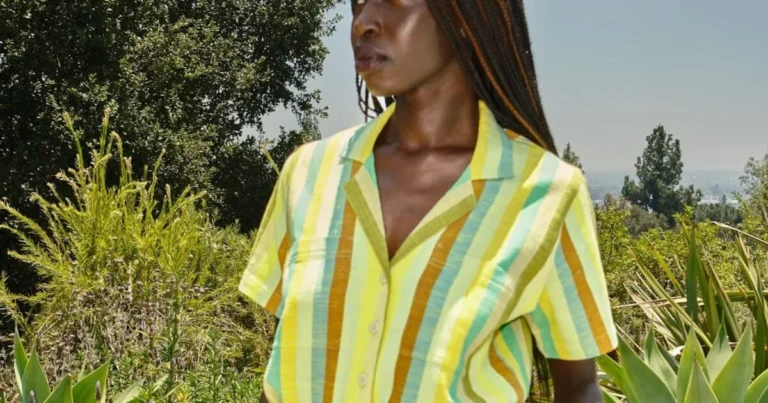
LA Relaxed
"Simplicity, sustainability, style" is the guiding motto for LA Relaxed. The brand actively works to reduce its climate impact by integrating renewable energy into its supply chain. It also prioritizes the use of lower-impact materials, including organic cotton and TENCEL Lyocell, demonstrating a commitment to environmentally conscious production.
Find the collection in sizes XS-XL.
See the rating.
Shop LA Relaxed.
OMNES
OMNES is a UK-based brand that offers more responsible and affordable high-quality womenswear. The brand states its mission: "We created OMNES to help change the way you shop, wear and think about clothing. And to encourage the rest of the industry to do it, too."
Find most items in sizes 6-20.
See the rating.
Shop OMNES.
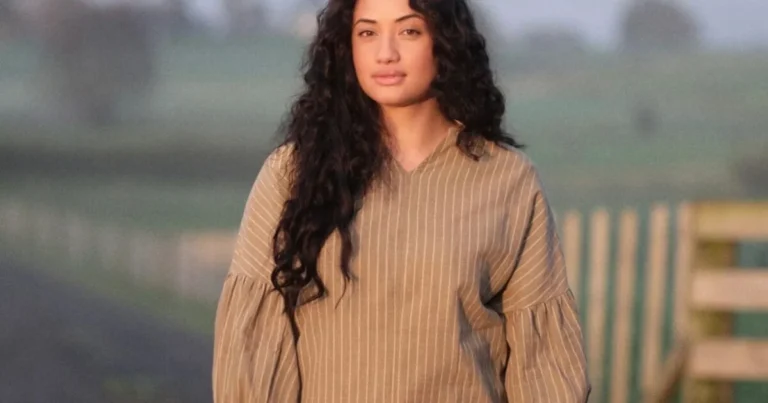
Happy Earth
Happy Earth Apparel is a US organic clothing brand deeply inspired by nature and dedicated to its preservation. Through strategic partnerships with non-profits and its network of Happy Earth ambassadors, the brand actively contributes to planting trees, combating climate change, and participating in clean-up initiatives.
Find most items in sizes XS-3XL.
See the rating.
Shop Happy Earth.
Purusha People
Purusha People infuses delicate details into its activewear collection. The brand’s organic, plant-based pieces are designed to wick away sweat, ensuring optimal comfort and performance for any practice, maintaining a perfect level of "chill."
Purusha pieces are stocked in sizes XS-4XL.
See the rating.
Shop Purusha People.
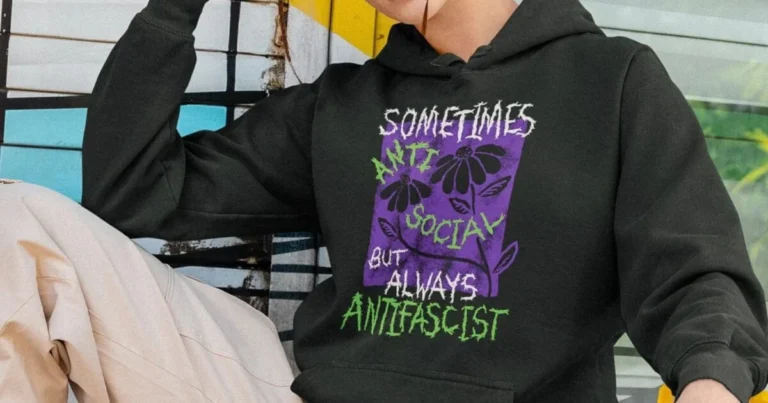
CHNGE
CHNGE is a US-based more sustainable fashion brand committed to using 100% organic materials. Its garments are designed for longevity, built to last a lifetime while making a powerful statement about conscious consumption and environmental responsibility.
Find CHNGE’s inclusive clothes in sizes 2XS-4XL.
See the rating.
Shop CHNGE.
Yes Friends
Yes Friends is a UK-based fashion brand focused on making more affordable clothing accessible to everyone. The brand’s initial product, classic cut t-shirts, are produced for less than £4 and retailed at £7.99. By leveraging large-scale production and direct-to-consumer margins, Yes Friends delivers responsibly made clothing at an affordable price point.
Find the range inclusively sized in 2XS-4XL.
See the rating.
Shop Yes Friends.
Jyoti – Fair Works
Jyoti – Fair Works, based in Germany, specializes in GOTS certified cotton products. The brand is dedicated to providing employment opportunities for individuals from marginalized or disadvantaged communities in India, fostering economic empowerment and social impact.
Sizes available are S-XL.
See the rating.
Shop Jyoti.
Toad&Co
Toad&Co is a US brand committed to socially and environmentally conscious practices. Its women’s and menswear collections are designed for versatility, equally suited for the demands of the trail and the casual comfort of a tavern setting.
Most items are available in sizes XS-2XL.
See the rating.
Shop Toad&Co.
Joyya
Joyya creates organic apparel that generates vital employment opportunities in communities across Kolkata, India. The brand was established through the merger of three companies united by a shared vision: to ignite opportunities where scarcity prevails, ultimately working towards eradicating extreme poverty and human trafficking. Founded in 2001 in Kolkata, this New Zealand-based brand embodies a profound social mission.
Find most items in sizes XS-4XL.
See the rating.
Shop Joyya.
Afends
Born in Byron Bay, Australia, Afends is a more responsible brand leading the charge in hemp fashion. Drawing inspiration from the natural environment, streetwear, and surf culture, Afends’ mission is to create more sustainable clothing through continuous innovation, decisive action, and positive change. As staunch hemp advocates, the brand acquired 100 acres of farmland, named Sleepy Hollow, to cultivate its own hemp crops and spearhead the hemp revolution.
Find most of the range in sizes XS-XL.
See the rating.
Shop Afends.
Natasha Tonic
Natasha Tonic’s hemp swimwear fabric is crafted from natural hemp fiber, which is inherently antimicrobial, UV resistant, and durable. This choice offers a healthier option for both the wearer’s skin and marine environments. Adding to its unique appeal, each piece is hand-printed, ensuring that no two items are exactly alike.
Find its swimwear in sizes XS-XL.
See the rating.
Shop Natasha Tonic.
WAWWA
UK brand WAWWA is dedicated to creating clothing that prioritizes the Earth and its inhabitants. It achieves this by producing organic, fair trade, and vegan-friendly apparel with a positive social impact. The brand utilizes lower-impact materials, including recycled content, employs lower-impact non-toxic dyes, and reuses its offcuts to minimize textile waste, embodying a circular approach to production.
Find the range in sizes XS-2XL.
See the rating.
Shop WAWWA.
Brothers We Stand
Brothers We Stand offers responsible men’s clothing, meticulously selected for style and ethical production in the UK. With a vision to help consumers build a wardrobe of stylish and more sustainably-made menswear that is 100% vegan, it stands as a premier online destination for those seeking better menswear options.
Sizes available are S-XL.
See the rating.
Shop Brothers We Stand.
Spell
Spell is an Australian fashion brand whose designs are deeply inspired by far-off places, treasured vintage finds, and cherished childhood memories. Its distinctive clothes are proudly designed and sampled in Byron Bay, with responsible production carried out in factories across the globe.
Most garments are available in sizes 2XS-2XL.
See the rating.
Shop Spell.
SeamsFriendly
SeamsFriendly specializes in creating beautiful, tailored pieces designed to fit all body types. The brand prioritizes function and utility in its designs and exclusively uses lower-impact materials such as organic cotton and linen. Furthermore, customers have the unique ability to customize the brand’s designs to their exact preferences—modifying neck style, depth, sleeve length, garment length, fabric, and more across its extensive array of clothing.
Offers
SeamsFriendly – Reversible and Convertible Clothing
The most sustainable wardrobe is a smaller one. These pieces flip, convert, and transform, offering multiple looks from a single garment. Each item is handcrafted from natural fabrics.
Exclusive 10% off with code SF-GY10 (Sale items excluded.)
(Ends: 26 JUN)
Checkout code: SF-GY10
Shop now
SeamsFriendly – Most Loved Designer Styles
These styles have been custom-made for hundreds of women, each to her exact measurements. Not off-the-rack, but crafted by artisans, made when you order, and tailored specifically for you.
Exclusive 10% off with code SF-GY10 (Sale items excluded.)
(Ends: 26 JUN)
Checkout code: SF-GY10
Shop now
The brand’s product sizing is highly customizable (for womenswear: bust size range 26″-70″, waist size range 19″-63″, including petite, regular, and tall heights; and for menswear: chest size 34″ to 76″ and above with free custom sizing) to ensure you always find the perfect fit. There’s also a kids range (bust: 18″-28″, waist: 19″-26″) available.
See the rating.
Shop SeamsFriendly.
Editor’s note
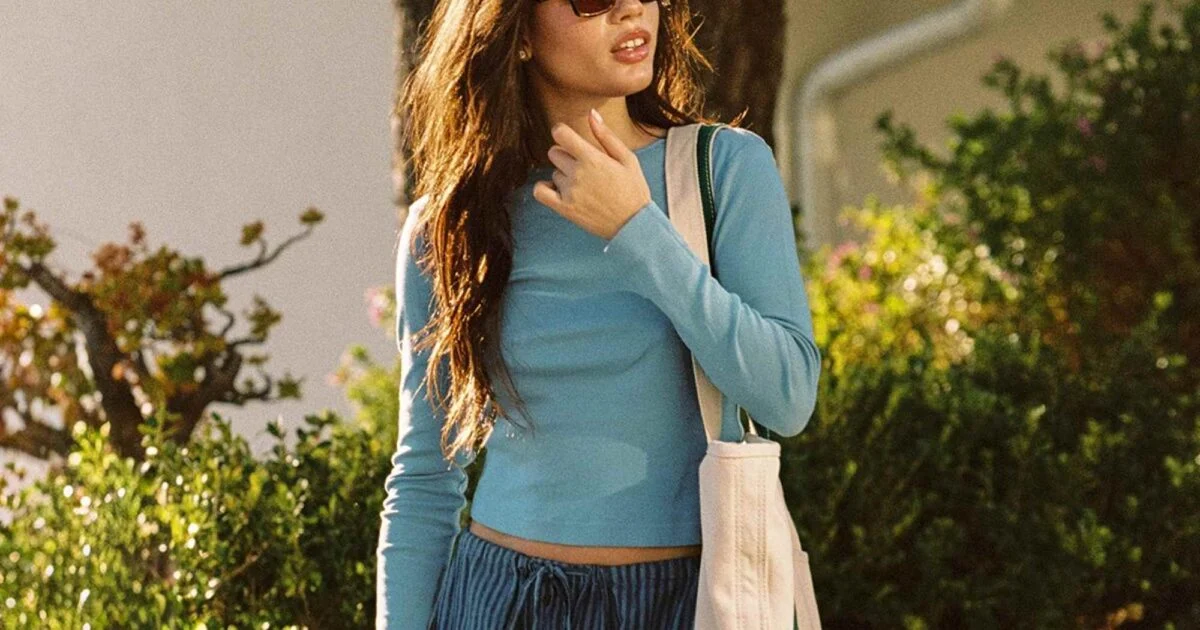
Feature image via LA Relaxed, all other images via brands mentioned. Good On You publishes the world’s most comprehensive ratings of fashion and beauty brands’ impact on people, the planet, and animals. Use our directory to search thousands of rated brands.
We updated this article on 15 June 2026: Our editors frequently make updates to articles to ensure they’re up to date. We updated this list to reflect brands with recent ratings.