









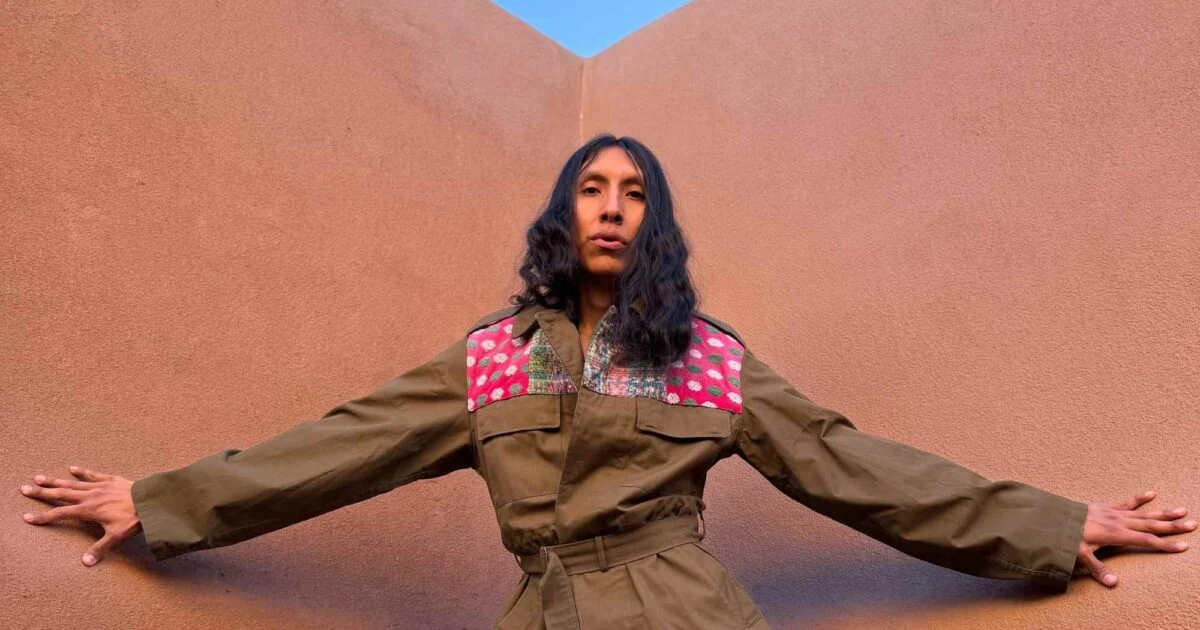
Shopping from Indigenous-owned brands represents a crucial pathway toward fostering sustainable development, empowering local communities, and preserving invaluable traditional techniques and crafts that face existential threats from the pervasive influence of the global fashion industry’s relentless pursuit of cost reduction. This approach not only provides direct economic support to individual makers and their communities but also actively contributes to upholding ancestral knowledge and practices intrinsically linked to environmental stewardship.
The Economic and Environmental Case for Indigenous Brands
Independent research consistently highlights the superior performance of smaller, independent brands, many of which are Indigenous-owned, in adopting sustainable and ethical practices compared to their larger counterparts. Good On You, a leading sustainability rating platform, has evaluated over 7,000 brands to date, repeatedly finding that top performers are often those operating on a more intimate scale. Despite lacking the immense financial leverage and market dominance of global conglomerates, these smaller labels frequently implement more effective measures to mitigate their environmental and social impact. This distinction is partly attributable to their typically lower production volumes, with many operating on a made-to-order basis, which directly addresses the critical issue of overproduction and textile waste that plagues the fast fashion sector.
Furthermore, the localized production models prevalent among many Indigenous brands offer significant environmental advantages. By manufacturing within specific regions or communities, these brands substantially reduce the climate impact associated with the extensive long-distance shipping inherent in globalized supply chains. This localized approach not only minimizes carbon footprints but also strengthens regional economies and creates direct employment opportunities within communities.
Beyond logistics, the very essence of many Indigenous techniques and practices is rooted in an inherent respect for the environment and the people involved in the creative process. Niha Elety, a prominent cultural sustainability advocate, influencer, and founder of Tega Collective, articulated this profoundly in a 2024 interview with Good On You ratings analyst Jessica Ouano. Elety noted, "Many of our ancestral practices—such as regenerative agriculture, natural dyeing, block printing, hand-loom weaving, growing native bio-regional fibres, and stewardship by Indigenous communities—are used when creating clothing […] Communities have reciprocal relationships with the environment and labour. These practices offer promising solutions to our climate crisis by Indigenising fashion supply chains to create a thriving ecosystem." This perspective underscores how Indigenous methodologies are not merely alternative practices but represent holistic systems that integrate environmental health, social equity, and cultural continuity.
Challenges to Cultural Preservation in the Modern Fashion Landscape
Despite their inherent benefits, the perpetuation of cultural heritage and traditional techniques—be it handloom weaving, natural dyeing, or various forms of printing—is increasingly challenging in the current fashion climate. The rapid pace and exploitative practices of fast fashion pose multi-faceted threats to Indigenous artisans and their crafts.
One of the most insidious issues is design theft. Small brands, whose creations are often the culmination of generations of time-honored techniques and meticulous craftsmanship, struggle to compete with cheaper, mass-produced knock-offs. These imitations are typically manufactured with unsustainable, low-cost materials and frequently involve exploitative labor practices, making it impossible for genuine artisans to match their prices. A high-profile instance of this occurred recently when SHEIN, the ultra-fast fashion behemoth, was accused of directly appropriating designs from the Indigenous Nations Apparel Company (INAC), a Winnipeg-based brand. The founder’s daughter was reportedly featured in one of the stolen designs on SHEIN’s website. While SHEIN subsequently removed the items, attributing the issue to third-party sellers, such incidents highlight the precarious position of Indigenous creators in protecting their intellectual and cultural property in a globalized marketplace dominated by powerful corporations. The "third-party seller" defense, while common, often sidesteps direct corporate accountability for the ethical integrity of their platforms’ offerings.
Beyond outright theft, cultural appropriation remains a pervasive and deeply unethical practice. This issue extends beyond fast fashion, as evidenced by accusations leveled by the Mexican government against luxury brands such as Carolina Herrera and Isabel Marant. These brands were accused of incorporating designs and patterns unique to Mexico’s Indigenous communities into their collections without seeking permission, offering appropriate credit, fair payment, or establishing respectful, long-term partnerships with the artisans who are the custodians of these ancestral techniques. Such actions strip Indigenous communities of their cultural ownership and economic opportunities, transforming sacred or deeply meaningful cultural expressions into mere aesthetic trends for commercial gain, often without acknowledging their origin or the people who created them.
The cumulative effect of design theft and cultural appropriation is a significant "trickle-down" phenomenon. As the demand for authentic traditional techniques wanes due to the market saturation of cheap imitations, fewer financial opportunities become available for artisans. This directly impedes the ability to pass down invaluable crafts and skills to future generations, leading not only to the loss of local jobs but, more critically, to the irreversible erosion of regional cultural heritage, traditional knowledge systems, and even language, which is often intertwined with specific crafts.
Adding to these challenges is the global shift in material consumption. The escalating production of synthetic fibers, particularly polyester, and their plummeting costs have led to a significant decrease in demand for traditional, handwoven textiles made from natural fibers. Jessica Ouano noted that in the Philippines, the widespread availability of inexpensive imported polyester yarn has prompted Indigenous communities to abandon their use of endemic natural fibers such as abaca, pineapple, and local cotton. This pattern is likely replicated in numerous other countries, contributing to a global decline in biodiversity, traditional agricultural practices, and textile craftsmanship. The environmental impact of synthetic fibers, from their fossil fuel origins to microplastic shedding, further underscores the importance of revitalizing natural fiber economies.
The Role of Conscious Consumerism and Policy
The decision to support Indigenous-owned brands is therefore not merely a purchasing choice but an act of conscious consumerism that carries profound implications for cultural preservation, economic justice, and environmental sustainability. It is a direct counter-narrative to the prevailing fast fashion model, offering a vision of fashion that is regenerative, respectful, and rooted in community.
Consumers play a pivotal role in shifting market dynamics. By actively seeking out and purchasing from Indigenous brands, individuals contribute directly to:
- Economic Empowerment: Providing fair wages and sustainable livelihoods for artisans and their communities.
- Cultural Preservation: Ensuring the continuity of traditional techniques, knowledge, and artistic expressions.
- Environmental Stewardship: Supporting practices that are inherently sustainable, often drawing on local, natural resources and circular principles.
- Ethical Supply Chains: Promoting transparency, fair labor, and respectful engagement with creators.
Beyond individual consumer choices, there is an increasing call for policy changes to protect Indigenous intellectual property and cultural heritage. Current intellectual property laws are often ill-equipped to safeguard collective traditional knowledge, making it difficult for Indigenous communities to assert ownership over their designs and practices when they are appropriated by large corporations. Advocacy for international and national legal frameworks that recognize and protect traditional cultural expressions is critical.
Spotlight on Sustainable Indigenous Brands
The following brands exemplify the dedication to sustainability, ethical practices, and cultural preservation that characterize the Indigenous fashion and beauty sector. This selection highlights some of the top-rated brands within the Good On You directory, demonstrating a commitment across environmental, social, and animal welfare pillars. It is important to note that this is not an exhaustive list but a representation of brands actively making a positive impact.
Even brands with a "It’s a Start" rating are included, acknowledging that progress, transparency, and a genuine commitment to improving impact are commendable. These brands are taking meaningful steps towards responsible production and offer viable, ethical choices for consumers.
4kinship
Founded by Diné creative Amy Denet Deal, 4kinship stands out for its unique approach to fashion. The brand specializes in one-of-a-kind upcycled and restored vintage clothing, alongside newly created handwoven garments. 4kinship’s mission extends beyond fashion, with a strong focus on community and youth empowerment. Notably, the brand actively contributes to initiatives such as the Diné Skate Garden Project, which provides a vital space for Navajo youth to gather, engage in creative expression, and foster healing. This holistic approach underscores the brand’s commitment to both cultural and social sustainability.
Woven Wildly
Woven Wildly offers a stunning collection of handwoven Mochila bags, bracelets, and baskets. These pieces are deeply inspired by the ancient Indigenous traditions of Colombia, drawing particular inspiration from the Kogi, Wayuu, and Arhuaco tribes. The brand provides transparent evidence of its long-term, responsible partnerships with its skilled artisans, ensuring fair compensation and respectful collaboration. Woven Wildly also incorporates lower-impact dyes in its production processes, further demonstrating its commitment to environmental responsibility.
Jiwya
Jiwya is a fashion brand that champions sustainability through its material choices and production techniques. The brand utilizes lower-impact, plant-based materials, significantly reducing its environmental footprint compared to conventional fashion. Central to Jiwya’s identity are heritage techniques, including hand-spinning and hand-weaving. These traditional methods not only produce high-quality, durable garments but also preserve artisanal skills and knowledge passed down through generations.
Durban Bagii
Founded by Carly Wallace, a proud Dulguburra Yidinji woman from Yungaburra in Far North Queensland, Australia, Durban Bagii translates to "carrying bags" in Wallace’s native Yidiny language. The brand offers a diverse range of handwoven items, including earrings, baskets, and dilly bags. These pieces skillfully blend traditional and contemporary fibers, reflecting a dynamic approach to cultural heritage. Durban Bagii not only creates beautiful products but also acts as a vehicle for cultural expression and economic self-determination for Indigenous Australian women.
Rise of Andes
Operating between Poland and Chile, Rise of Andes specializes in ponchos meticulously produced by local women artisans in Chile. The knitting techniques employed are deeply rooted in generations of ancestral knowledge, ensuring the authenticity and cultural significance of each piece. The wool used is sourced locally from the Andean region, supporting regional economies and reducing transportation impacts. Furthermore, the brand utilizes lower-impact, plant-based dyes, aligning with traditional practices and minimizing environmental harm.
noesa
Based in Indonesia, noesa collaborates directly with local artisans across the region. The brand focuses on producing accessories that showcase traditional techniques and crafts, such as intricate weaving and natural dyeing. By working closely with these communities, noesa helps to sustain traditional livelihoods, preserve ancient skills, and bring unique, culturally rich products to a wider audience. This partnership model is key to empowering local economies and celebrating Indonesian heritage.
Bush Medijina
Bush Medijina is a women-led beauty brand from Australia that expertly fuses ancient knowledge with contemporary practices. The brand draws upon generations of traditional knowledge passed down through the Anindilyakwa people, focusing on the preservation and celebration of the healing power of native bush medicines. Their products embody a deep respect for the land and its resources, offering a tangible connection to Indigenous wisdom and sustainable wellness.
In conclusion, the movement to support Indigenous-owned fashion and beauty brands transcends mere consumer preference; it is a critical endeavor for cultural resilience, economic justice, and global sustainability. By prioritizing these brands, consumers actively participate in a thriving ecosystem that respects both people and the planet, offering a powerful antidote to the destructive currents of fast fashion and cultural appropriation. Those interested in learning more or submitting brands for rating are encouraged to use the Good On You contact form.
Editor’s note: Feature image via 4kinship, all other images via brands mentioned. Good On You publishes the world’s most comprehensive ratings of fashion and beauty brands’ impact on people, the planet, and animals. Use our directory to search thousands of rated brands.