





The global beauty and technology sectors are converging in an unprecedented manner as HaloBraid, an emerging robotics startup, officially launches with $7 million in seed funding. Led by Seven Seven Six—the venture capital firm co-founded by Reddit alumnus Alexis Ohanian—the capital injection marks a significant milestone in automated hair care. The funding round also attracted prominent investments from AlleyCorp and Bling Capital. HaloBraid’s flagship product, engineered to serve as an intelligent assistant to professional hair stylists, is scheduled for commercial release later this year. Designed to expedite the intricate process of creating knotless and box braids, the proprietary hardware addresses centuries-old physical limitations in textured hair care, promising to transform salon workflows and alleviate physical strain for practitioners.
A Technological Approach to a Millennia-Old Ritual
For thousands of years, hair braiding has remained an exclusively manual enterprise. The practice, deeply rooted in cultural heritage and community traditions, often requires clients to sit in salon chairs for up to twelve hours at a time. The physical demands placed on both the wearer and the stylist are substantial.
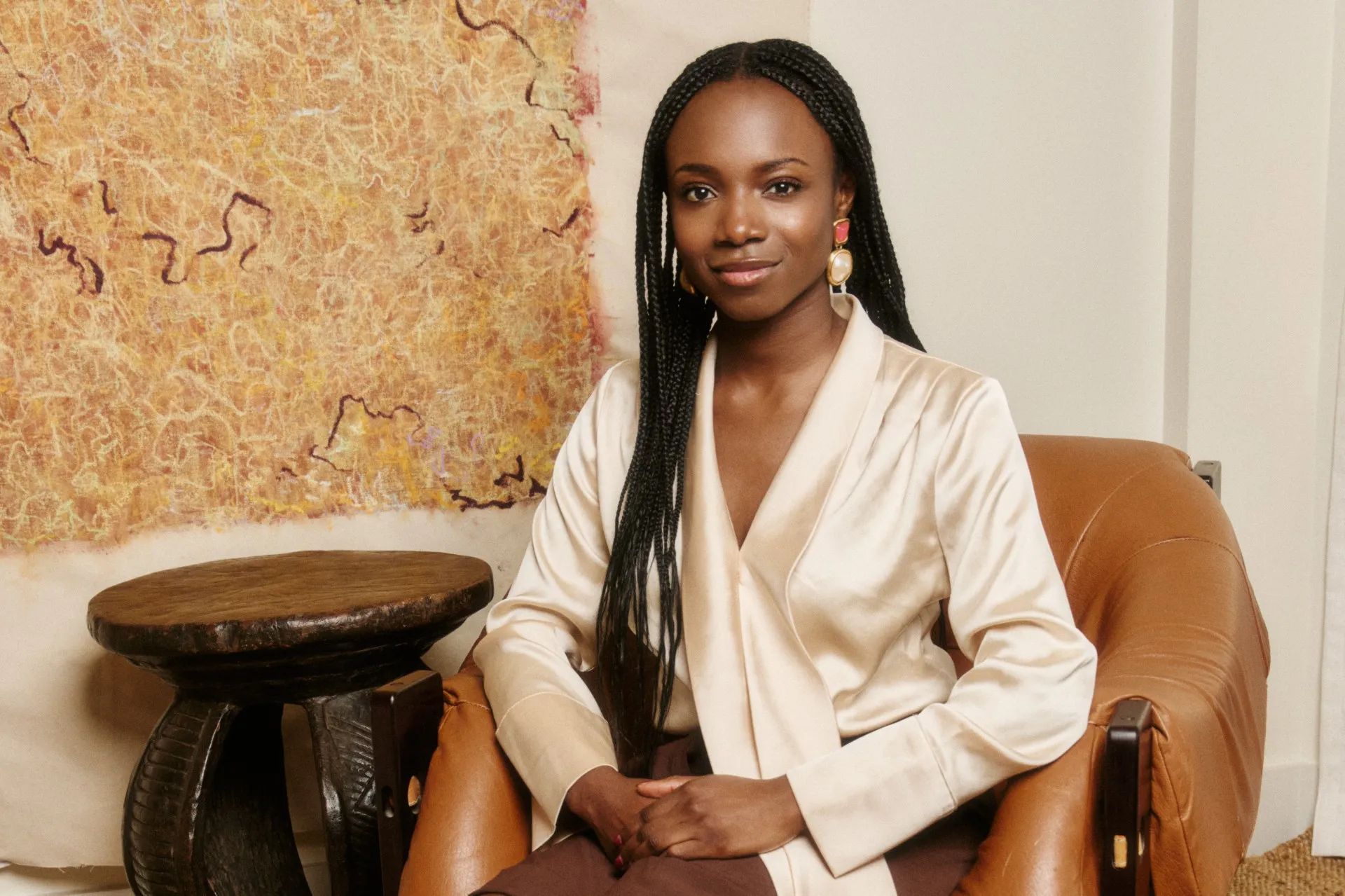
The inception of HaloBraid stems from the height of the COVID-19 pandemic lockdowns. Stranded alone in a London apartment, Yinka Ogunbiyi—who holds an MS in engineering from Harvard University and an MBA, alongside entrepreneurial experience in smart cooking appliances—attempted to braid her own hair. The endeavor consumed four days of continuous labor. Recognizing the inefficiency as a complex engineering challenge rather than merely an aesthetic hurdle, Ogunbiyi shifted her professional focus toward innovating textured hair care.
Hair is widely recognized by biomechanical engineers as one of the trickiest natural substrates to manipulate due to its variable elasticity, texture, and tensile strength. To overcome these hurdles, Ogunbiyi and her multidisciplinary team had to draw methodologies from diverse advanced sectors, including materials science and high-precision inkjet printing. The resulting device allows a professional stylist to initiate the braiding pattern before handing off the remainder of the process to the HaloBraid mechanism, which secures the braid in a matter of seconds while maintaining gentleness on the hair shaft.
Chronology of Development and Strategic Milestones
The trajectory of HaloBraid reflects a methodical approach to hardware development within a historically underfunded market segment:
- 2020: Yinka Ogunbiyi conceptualizes the automated braiding concept during pandemic-related isolation in London, initiating preliminary technical research.
- 2021–2023: Years of iterative prototyping, materials testing, and patent applications are conducted under strict confidentiality. The team identifies specific pain points through quantitative surveys of consumers and salon professionals.
- Early 2026: HaloBraid formalizes its corporate structure, builds a dedicated engineering and design team of approximately 15 employees, and finalizes intellectual property protections.
- June 2026: The startup publicly emerges from stealth mode, announcing a $7 million seed round led by Seven Seven Six, alongside plans for commercial deployment and salon pilot programs.
- Late 2026 (Projected): Commercial launch of the first-generation HaloBraid assistant device for professional salons.
Market Demand, Economic Scale, and Ergonomic Impact
Independent market research conducted by the startup underscores the massive scale of the hair-braiding economy. According to data compiled during the company’s market research phase, consumers worldwide spend an estimated 8 billion hours annually on hair-braiding services. Furthermore, a survey of 2,000 participants revealed that 95% would increase the frequency of their braided hairstyles if the procedure required significantly less time.

Beyond consumer convenience, the professional implications are profound. Licensed hair braiders frequently endure chronic occupational injuries resulting from repetitive motion and sustained awkward postures. Conditions such as carpal tunnel syndrome, cervicalgia, and debilitating arthritis are prevalent among practitioners who spend decades performing meticulous, high-tension manual labor. By integrating automated assistance into the workflow, HaloBraid aims to reduce daily physical fatigue, extend the careers of skilled stylists, and increase salon throughput and revenue potential.
Investor Perspectives and the Hardware Renaissance
The investment thesis championed by Seven Seven Six centers on the intersection of overlooked consumer markets and modern hardware innovation. Alexis Ohanian, drawing from personal observations as the husband of tennis icon Serena Williams and the father of two Black daughters who regularly wear braided styles, noted the stark disparity in technological investment between general consumer electronics and textured hair care.
"I’ve studied exactly how long these braiding sessions take," Ohanian stated, highlighting that while the initial hours of the cultural ritual can be engaging, the extended duration tests the endurance of both children and parents. Comparing the current state of textured hair care to the revolutionary impact of brands like Dyson on hair-styling appliances, Ohanian emphasized that the demographic represents a loyal, high-intent consumer base eager for technological advancement.
Ohanian categorized the current venture climate as a prime era for hardware innovation, noting that automated hair-braiding apparatuses represent highly feasible, differentiated products with a well-defined go-to-market strategy.
Future Roadmap and Industry Implications
With the newly acquired $7 million in capital, HaloBraid plans to accelerate final product development, scale manufacturing capabilities, and establish strategic partnerships with prominent hair salons across key metropolitan markets. Because patent applications remain pending, specific mechanical details of the device are currently restricted, though leadership has confirmed the apparatus is optimized for popular styles such as box braids and knotless braids.
Looking beyond the initial product launch, Ogunbiyi and her engineering team are already conceptualizing secondary applications within the hair care ecosystem. Among the prospective future developments is a specialized device designed to efficiently and gently undo braids—a labor-intensive process that frequently matches the time investment of the initial installation.
The broader implications of HaloBraid’s market entry point toward a larger trend of venture capital allocation shifting toward specialized, demographic-specific technology solutions. By applying rigorous engineering principles to cultural practices that have persisted largely unchanged for millennia, startups in this emerging category are redefining the boundaries of consumer hardware, promising a future where traditional aesthetics and modern automation coalesce to save time, reduce physical injury, and enhance the overall salon experience.