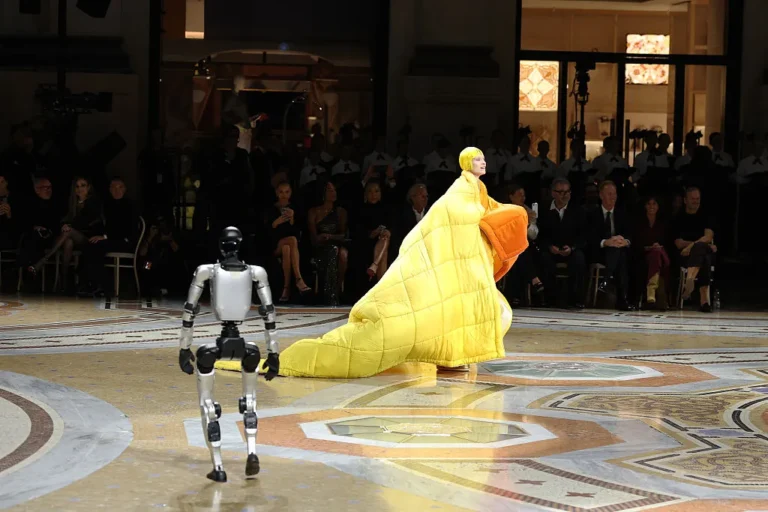









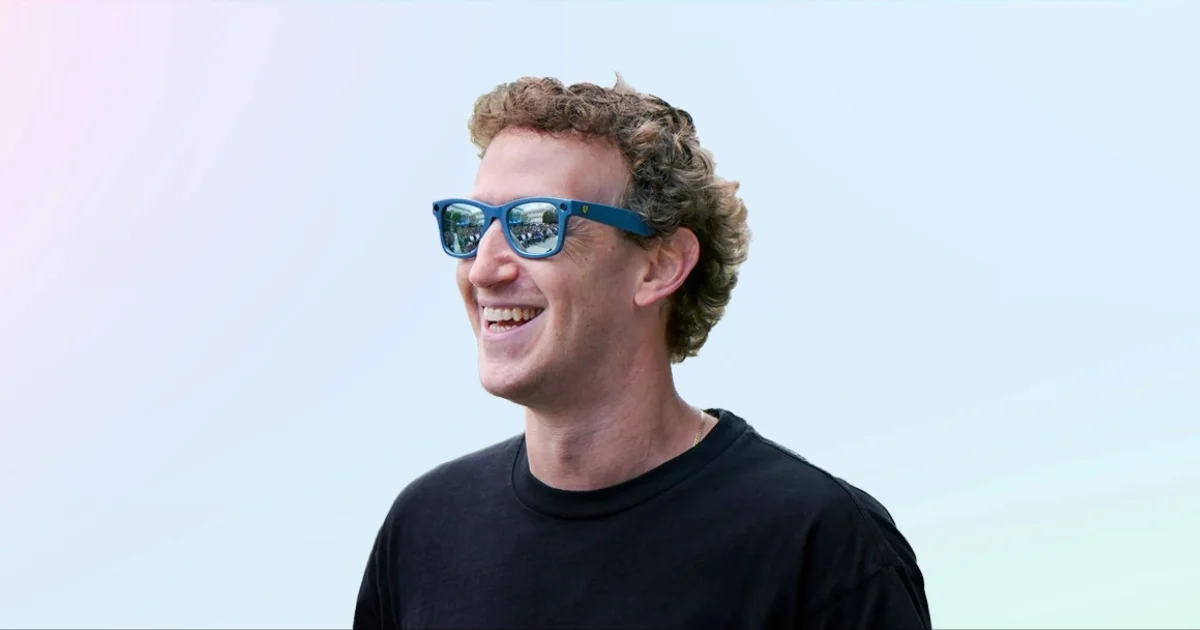
The intersection of high fashion and wearable technology experienced a significant moment of speculation in Milan this week when Meta Chief Executive Officer Mark Zuckerberg and his wife, Priscilla Chan, attended the Prada Fall/Winter 2026 Fashion Week presentation. Seated prominently in the front row, the technology executive was observed engaging in extensive conversation with Lorenzo Bertelli, Prada’s chief merchandising officer and son of leading designer Miuccia Prada. While Zuckerberg’s public appearances in recent years have frequently highlighted a deliberate wardrobe evolution and a softened public image, industry analysts and technology observers suggest his presence in Milan extends far beyond a casual interest in haute couture. Instead, the encounter has fueled widespread anticipation that Meta is preparing to debut a luxury-tier iteration of its flagship AI-powered smart glasses, developed in partnership with the iconic Italian fashion house.
The mounting speculation follows reports that emerged last summer indicating Meta was actively exploring design collaborations with high-end luxury brands to broaden the appeal of its hardware ecosystem. Although neither Meta nor the Prada Group has officially confirmed an imminent product launch—and representatives for Meta declined to comment on Zuckerberg’s itinerary in Milan—the structural foundations for such a partnership are firmly in place. EssilorLuxottica, the multinational eyewear giant and long-term manufacturing partner for Meta’s smart glasses initiative, maintains an extensive licensing agreement with the Prada Group. This dynamic positions the companies to bridge the gap between consumer technology and luxury accessories, potentially reshaping how high-fashion consumers perceive wearable computers.
Evolution of the Meta Smart Glasses Ecosystem
Meta’s journey into smart eyewear began with modest ambitions under the Ray-Ban Stories banner, a product line that offered basic camera and audio integration without advanced artificial intelligence capabilities. Over subsequent hardware iterations, the integration of conversational AI transformed the product category from a novelty into a commercially viable computing platform. The strategic partnership with EssilorLuxottica has yielded substantial financial and market validation. According to financial disclosures released by EssilorLuxottica in February 2026, sales of Meta AI glasses tripled year-over-year, soaring to more than 7 million units sold throughout 2025, compared to approximately 2 million units in the preceding year.
This rapid expansion has been bolstered by product diversification. In addition to the ubiquitous Ray-Ban Meta frames, the companies introduced Oakley Meta glasses tailored toward athletic demographics, emphasizing durability, performance framing, and active lifestyles. However, a noticeable gap remains within the ultra-luxury segment. While Ray-Ban captures the mainstream commercial market and Oakley addresses athletics, neither brand occupies the prestigious tier commanded by houses like Prada and Miu Miu.
Securing a partnership with Prada would offer Meta a strategic foothold in the high-fashion market. High-end consumers routinely pay premium prices for designer frames, and integrating cutting-edge artificial intelligence into luxury aesthetics could reposition smart glasses from niche tech gadgets into desirable lifestyle accessories. Furthermore, EssilorLuxottica and the Prada Group solidified their long-term manufacturing alignment by renewing their exclusive eyewear licensing agreement. Originally set to expire on December 31, 2025, the partnership was extended through the end of 2030, with provisions allowing for an additional five-year renewal through December 31, 2035. This long-term industrial stability provides the manufacturing framework necessary to support complex, high-precision technological integration within luxury frames.
The Surveillance Backlash and Privacy Concerns
Despite the commercial momentum and the potential prestige of a luxury collaboration, Meta’s expansion into AI-powered eyewear occurs against a complex backdrop of growing public skepticism regarding consumer surveillance technologies. The broader market for ambient recording devices—ranging from smart doorbells to automated license plate readers—has faced mounting consumer pushback. Recent public sentiment shifts have manifested in physical resistance, with consumers disconnecting or removing Ring surveillance systems and various municipal or commercial monitoring cameras experiencing vandalism or destruction across several regions.
These consumer anxieties have been compounded by reports detailing Meta’s internal product roadmap. Recent reporting from The New York Times indicated that Meta is actively planning to incorporate facial recognition capabilities into its smart glasses. While the core functionality of capturing photos, recording video, and interacting with a multimodal AI assistant has largely been accepted by early adopters, the introduction of real-time facial recognition has reignited intense privacy debates. Critics and civil liberties advocates argue that outfitting everyday eyewear with continuous biometric identification infrastructure infringes upon public anonymity.
The societal friction surrounding always-on recording devices has already inspired grassroots countermeasures. In response to the proliferation of smart glasses, independent developers have begun designing proximity alert applications. These software tools are intended to notify individuals when someone wearing AI-equipped recording hardware approaches or enters their immediate vicinity, highlighting a growing cultural demand for privacy safeguards in public spaces.
Implications for the Future of Wearable Computing
As Meta navigates the tension between mainstream commercial expansion and intensifying privacy scrutiny, the potential introduction of Prada-branded AI glasses presents both unique opportunities and strategic challenges. On one hand, a luxury partnership validates the hardware as a legitimate fashion accessory, attracting affluent consumers who traditionally reject conspicuous technology. On the other hand, associating an elite luxury brand with a device facing regulatory and social resistance regarding surveillance could complicate brand positioning for both companies involved.
Industry analysts note that the success of any potential Prada-Meta collaboration will likely depend on transparent privacy controls and how effectively the companies can market the device as a tool for personal empowerment rather than ambient surveillance. As technology companies increasingly merge computing hardware with personal apparel, consumer acceptance will remain the ultimate arbiter of commercial viability. For now, the global technology and fashion sectors await official confirmation from Milan regarding whether Zuckerberg’s front-row appearance will culminate in the next major evolution of smart eyewear.