









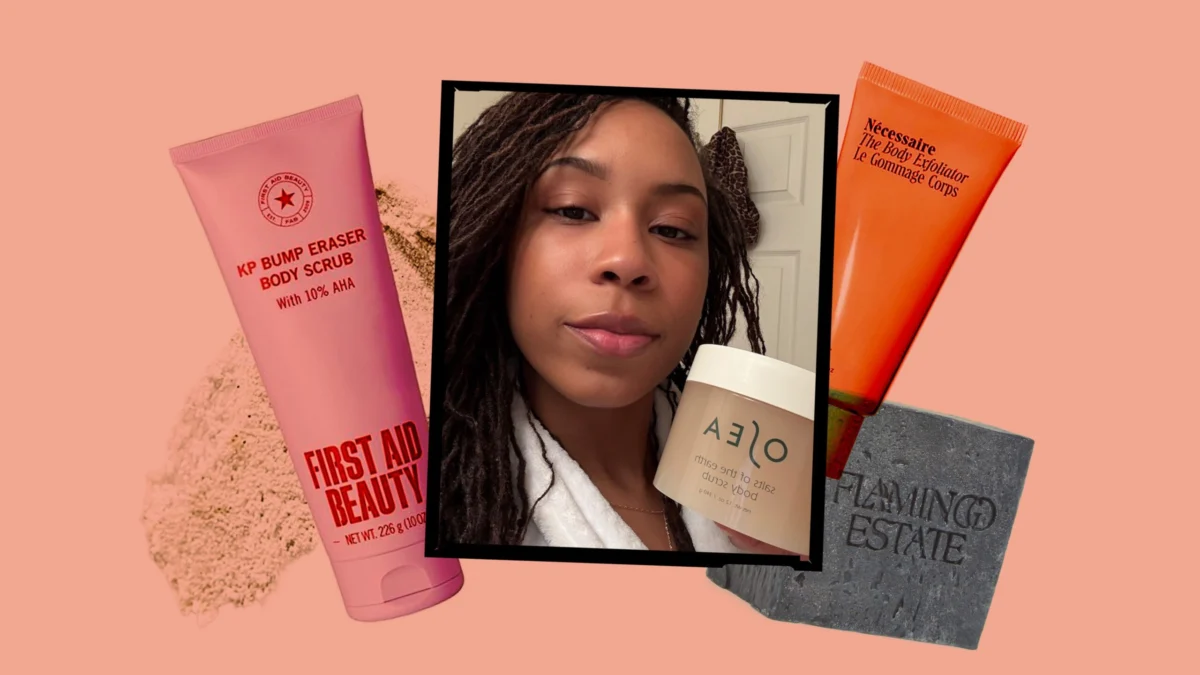
When it comes to achieving exceptionally soft and smooth skin with a healthy, dewy finish, the right exfoliation techniques and products are paramount. Dermatology practitioner Jodi LoGerfo, DNP, based in New York City, highlights a specific application method for scalp treatments, emphasizing the importance of proper technique for optimal results. For scalp application, she advises sectioning wet hair, applying a quarter-size amount directly to the scalp, and massaging gently in circular motions before thoroughly rinsing. This process is then followed by conditioner, ensuring the hair and scalp are properly nourished. Dr. LoGerfo notes her personal satisfaction with the product’s ability to leave her skin feeling "unbelievably soft and smooth" and imparting a desirable "dewy finish." This underscores the transformative power of targeted exfoliation beyond just the body, extending its benefits to the scalp for improved hair health and texture.
The Multifaceted Benefits of Body Scrubs
Body scrubs are not merely a pampering indulgence; they are potent tools for skin rejuvenation and health. Their primary function is to physically accelerate the removal of dead skin cells, a process known as exfoliation. Dr. Moy, a leading dermatologist, explains that this shedding of superficial skin cells "can help reveal smoother skin and improve the efficacy of post-shower moisturizers." By eliminating the buildup of dead cells, subsequent skincare products can penetrate more effectively, maximizing their hydrating and nourishing benefits.
Beyond just smoothing the skin’s surface, regular exfoliation plays a crucial role in stimulating blood circulation. This enhanced blood flow can contribute to a healthier, more vibrant complexion. Furthermore, as Dr. LoGerfo points out, the physical act of exfoliating helps to "reduce ingrown hairs by keeping pores and follicles clear." Ingrown hairs, a common and often uncomfortable concern, arise when hair curls back or grows sideways into the skin, often due to blocked follicles. Consistent exfoliation acts as a preventative measure, maintaining clear pathways for hair growth.
The optimal frequency for using body scrubs is a subject of expert consensus, with Dr. Moy recommending "two to three times per week as the sweet spot." This frequency allows for consistent exfoliation without overwhelming the skin. However, individuals with sensitive skin must exercise caution. For these individuals, limiting use to "once weekly" is advised, as "over-exfoliating can compromise the skin barrier and lead to water loss and inflammation." A compromised skin barrier can manifest as redness, irritation, increased sensitivity, and a diminished ability to retain moisture, negating the intended benefits of exfoliation.
Tailoring Your Scrub: Ingredients for Specific Skin Concerns
The effectiveness of a body scrub is significantly influenced by its ingredient profile. Dermatologists recommend specific formulations to address various skin concerns, from the persistent bumps of keratosis pilaris (KP) to dryness and clogged pores.
For individuals struggling with keratosis pilaris, a common condition characterized by small, rough bumps, Dr. Moy advocates for scrubs that employ a dual-action approach. He suggests looking for products that "pair physical granules with chemical exfoliants like lactic or glycolic acid." This combination offers "instant smoothing while significantly improving skin texture over time." The physical granules provide immediate buffing, while the chemical exfoliants work on a deeper level to break down the keratin buildup contributing to KP. Dr. LoGerfo further supports this approach, highlighting "urea and sugar" as effective ingredients for managing KP. Urea is a humectant that also possesses keratolytic properties, helping to break down dead skin cells, while sugar, a natural humectant, acts as a gentle physical exfoliant.
Dry skin necessitates a focus on hydration and lipid replenishment. Both Dr. Moy and Dr. LoGerfo emphasize the importance of "oil-rich, nourishing formulas." Dr. Moy specifically calls out "shea butter, ceramides, or squalane to replenish lipids," ingredients known for their emollient and barrier-restoring properties. Shea butter is rich in fatty acids and vitamins, ceramides are essential components of the skin’s natural barrier, and squalane is a highly stable emollient that mimics the skin’s natural sebum. Dr. LoGerfo complements this with a focus on humectants and oils, highlighting "hyaluronic acid, jojoba oil, and glycerin." Hyaluronic acid draws moisture to the skin, jojoba oil is a versatile emollient that closely resembles natural skin oils, and glycerin is a powerful humectant that helps the skin retain water.
When addressing clogged pores or body acne, the focus shifts to ingredients that can penetrate oil and debris. Dr. Moy recommends "formulas featuring salicylic acid (BHA), which is oil-soluble and can penetrate deep into the pores to clear out sebum." Salicylic acid, a beta-hydroxy acid, is particularly effective because its oil-solubility allows it to dissolve sebum and dead skin cells within the pores. Dr. LoGerfo echoes this recommendation and further suggests the inclusion of "tea tree oil and benzoyl peroxide." Tea tree oil possesses natural antimicrobial and anti-inflammatory properties, which can help combat acne-causing bacteria and reduce redness. Benzoyl peroxide is a potent antimicrobial agent that effectively kills acne-causing bacteria and helps to unclog pores.
Chemical vs. Physical Exfoliation: A Matter of Preference and Skin Type
The debate between chemical and physical exfoliation is ongoing, with both methods offering distinct advantages. The "better" approach ultimately depends on an individual’s skin type, sensitivity, and desired outcome.
Dr. Moy elucidates the core differences: "Chemical exfoliation can offer a physically gentler and long-term benefit, while physical exfoliation provides immediate tactile change." Chemical exfoliants, such as alpha-hydroxy acids (AHAs) like glycolic and lactic acid, and beta-hydroxy acids (BHAs) like salicylic acid, work by dissolving the bonds that hold dead skin cells together. This process is generally less abrasive than physical scrubbing. They can also lead to more profound and lasting improvements in skin texture and tone with consistent use.
Physical exfoliants, on the other hand, utilize granular or textured materials – such as sugar, salt, ground seeds, or microbeads – to manually slough away dead skin cells. Dr. LoGerfo leans towards physical exfoliation "for more immediate results," noting it delivers "instantaneous polishing, smoothness, and improvements." The immediate tactile feedback of physical exfoliation can be very satisfying for users seeking instant gratification. However, she also acknowledges that "chemical exfoliants like glycolic, lactic, and salicylic acids are effective options as well for improving skin over time with prolonged use."
The choice between the two should be guided by "your skin’s tolerance and the specific thickness of the skin in the area you are treating," according to Dr. Moy. Areas with thinner or more sensitive skin might benefit more from the gentler action of chemical exfoliants, while thicker, less sensitive areas might tolerate physical scrubbing well. Many individuals find a combination of both, perhaps using a gentle chemical exfoliant a few times a week and a physical scrub once a week, to be the most effective strategy for achieving optimal skin health.
The Rigorous Process Behind Product Testing and Review
At Allure, the commitment to providing readers with reliable and effective beauty recommendations is underscored by a meticulous testing and review process. This methodology ensures that every product featured has undergone thorough evaluation, combining expert insights with hands-on testing.
When Allure editors evaluate a product, they adopt a comprehensive approach, scrutinizing it from every conceivable angle. This includes a detailed review of the product’s "ingredients, scrutinize brand claims, and, when necessary, examine peer-reviewed scientific and medical studies." This commitment to scientific validation ensures that recommendations are grounded in evidence, not just marketing hype.
Furthermore, the editorial team relies on the expertise of leading professionals in the field. "In addition to testing each and every product that’s included in each and every review, we rely on experts who shape their fields, including dermatology, cosmetic chemistry, and medicine, to help us vet the ingredients and formulas." This collaborative approach ensures that the scientific integrity of the products is assessed by those with the deepest understanding of skincare science.
For the specific evaluation of body scrubs, the Allure team considered each product’s performance across five primary categories: "product ingredients and efficacy, packaging, fragrance, texture, and product wear." This holistic assessment allows for a well-rounded understanding of how a product performs in real-world conditions. "Every product was determined to have excelled in each category by our editorial team, which is composed of in-house writers and editors as well as contributors – along with special consideration from board-certified dermatologists we interviewed for the piece." This multi-faceted evaluation, incorporating both editorial and expert dermatological perspectives, guarantees that the recommendations are both practical and scientifically sound. For those interested in the detailed methodology, Allure provides a comprehensive overview on their reviews process and methodology page.
A Diverse Team for Inclusive Recommendations
The philosophy behind Allure‘s product testing extends to the composition of its testing panel. Recognizing that beauty is a personal and diverse experience, the publication prioritizes inclusivity in its review process. "A beauty product is a personal purchase," and the aim is to ensure that "you love anything we recommend in our stories."
This commitment is realized through a diverse team of writers, editors, and external testers. "We believe that having a diverse team of writers and editors – in addition to the wide range of outside testers and industry experts we regularly call upon – is essential to reaching that goal." This diversity encompasses a broad spectrum of ages, skin tones, hair textures, genders, and backgrounds.
The rationale behind this inclusive approach is straightforward: "After all, can we really say a skin-care product is the ‘best’ for people over 50 if the only testers we’ve solicited opinions from folks who have yet to hit 30? Can we honestly deem a high-end diffuser worthy of your hard-earned cash if it’s never been tested on curls?" By ensuring that products are tested by individuals who reflect the varied needs and experiences of their readership, Allure aims to provide truly representative and trustworthy recommendations. The publication is proud that "our staff spans a wide range of ages, skin tones, hair textures, genders, and backgrounds, which means that we are able to fairly assess any beauty product that comes into the beauty closet." This dedication to diversity ensures that their beauty advice is applicable and beneficial to a wider audience.