



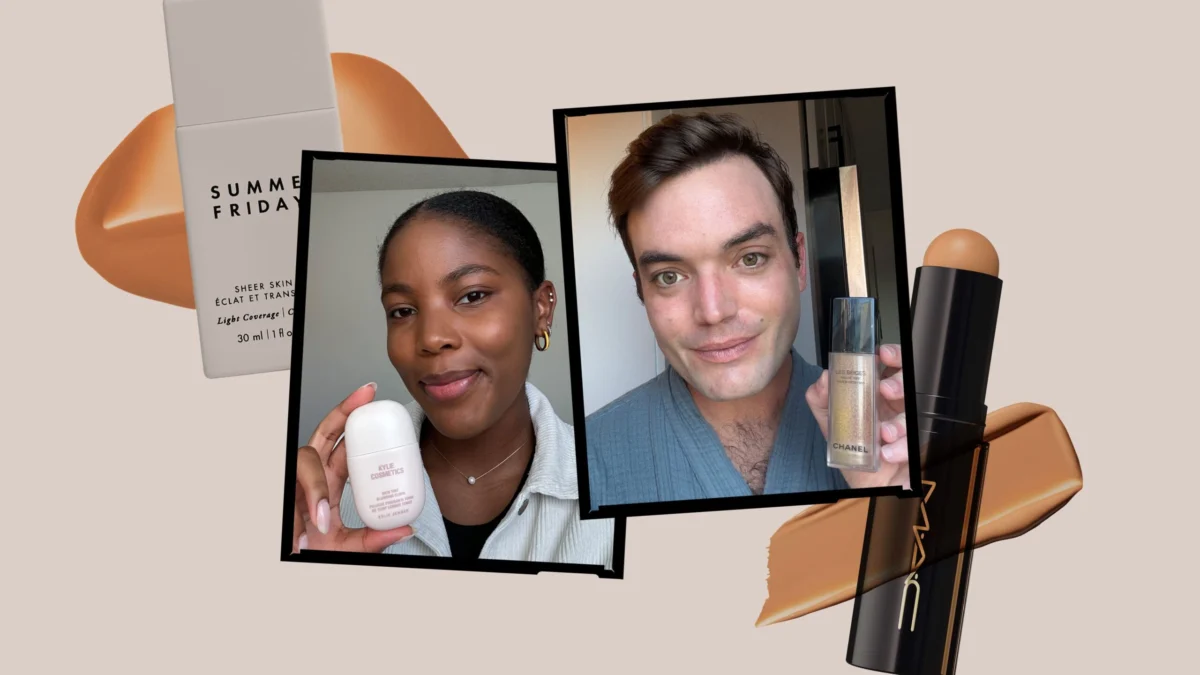
The evolution of the modern makeup bag has been defined by a decisive shift toward products that bridge the gap between heavy coverage and restorative skincare. For decades, the cosmetics industry relied on traditional foundations—thick, pigment-heavy formulas designed to mask imperfections through opacity. However, a significant pivot in consumer behavior over the last decade has favored the rise of the skin tint, a hybrid category that emphasizes a "your-skin-but-better" aesthetic while delivering active ingredients typically reserved for serums and moisturizers. Understanding the technical distinctions between these two categories requires an analysis of pigment density, formulaic composition, and the specific physiological needs of varying skin types.
The Technical Evolution of Base Makeup
Historically, foundation was categorized by its ability to provide a uniform canvas, often utilizing high concentrations of iron oxides and titanium dioxide to achieve full coverage. While effective at concealing hyperpigmentation, these dense formulas frequently contained talc, silica, or clay-based powders that could settle into the micro-furrows of the skin, highlighting rather than smoothing textural irregularities. This is particularly problematic for mature skin, which naturally experiences a reduction in collagen and elasticity, making the skin’s surface more susceptible to the "cracking" effect of matte, heavy-coverage products.
The shift toward skin tints represents a move toward permeability and hydration. Unlike foundations, which sit primarily on the surface of the stratum corneum, skin tints are formulated with lower pigment loads and higher concentrations of emollients and humectants. By design, these products aim to provide a sheer, breathable veil of color that allows the skin’s natural luminosity to permeate. This development reflects a broader industry trend where skincare efficacy is now a non-negotiable requirement for color cosmetics.
Chronology of the Hybridization Trend
The trajectory toward "skincare-first" makeup began in earnest around 2015, as consumers became more ingredient-savvy. The rise of social media beauty discourse and the influence of dermatological content creators forced legacy beauty brands to pivot away from purely aesthetic formulas. By 2019, the market for "clean" or "active" makeup had reached a critical mass, with major retailers reporting a 30% increase in demand for products containing clinical-grade actives like niacinamide and hyaluronic acid.
Today, the market is segmented by these functional requirements. While foundation remains the gold standard for high-event photography and long-wear requirements, the skin tint has claimed dominance in the daily-wear market. This dichotomy creates a dual-use opportunity for the modern consumer. Makeup artist Tommy Napoli notes that the most sophisticated applications often involve a hybrid approach: using a skin tint as a base to provide a uniform, hydrated foundation for the face, and then deploying targeted, high-pigment concealer or foundation only where needed. This methodology preserves the skin’s natural texture while addressing specific localized concerns.
Ingredient Science: The Active Components
The distinction between these categories is perhaps best observed through a forensic analysis of the ingredient lists. Modern skin tints are frequently formulated with "actives" that would have once been exclusive to a dermatologist’s office or a high-end serum.
Hyaluronic acid, a glycosaminoglycan, is a primary fixture in these formulations. Its molecular ability to hold up to 1,000 times its weight in water provides the immediate plumping effect that defines the skin-tint aesthetic. Dermatologist Dr. Doris Day notes that this ingredient is essential for providing skin resilience, particularly in environments where transepidermal water loss (TEWL) is prevalent.
Furthermore, squalane—a stable, odorless emollient—is now a staple for those with compromised skin barriers. Because squalane mimics the natural lipids produced by human skin, it is non-comedogenic and highly tolerated by sensitive skin types. In the context of a tint, it serves a dual purpose: it acts as a carrier for the pigment to ensure even application and serves as a protective layer against environmental stressors.
Niacinamide, or Vitamin B3, has also become a standard addition to these formulations. Beyond its role in regulating sebum, niacinamide is clinically recognized for its ability to stimulate ceramide production, which strengthens the skin barrier. This is critical in the context of makeup; by layering a product that actively improves the skin barrier, the user is essentially performing a skincare treatment throughout the day.
The SPF Question: A Critical Caution
One of the most persistent, yet contentious, developments in the skin tint market is the inclusion of broad-spectrum SPF. While products like the Ilia Super Serum Skin Tint integrate non-nano zinc oxide to provide physical UV protection, dermatological consensus remains firm: makeup should not be considered a substitute for a dedicated sunscreen.
The efficacy of SPF is measured by the application of a specific thickness—approximately 2mg of product per square centimeter of skin. In practice, most consumers apply significantly less foundation or tint than is required to achieve the label’s stated protection level. Dr. Hadley King, a board-certified dermatologist, emphasizes that while mineral filters are a beneficial secondary defense, the industry recommendation is to apply a standalone SPF 30 or higher before the application of any color cosmetic. This ensures that the user is not relying on the sparse coverage of a tint for sun protection, which can lead to inadequate coverage and premature photoaging.
Methodology and Editorial Rigor
The evaluation of these products requires a multi-dimensional testing process. In professional beauty reporting, the distinction between "marketing claims" and "product performance" is paramount. An objective review process must account for five distinct metrics:
- Ingredient Efficacy: Examining the concentration and stability of active ingredients against the manufacturer’s claims.
- Texture and Finish: Assessing how the formula interacts with different skin types—oily, dry, and combination—throughout an eight-hour period.
- Fragrance Profile: Ensuring that additives do not cause contact dermatitis, which is particularly relevant for the target demographic of sensitive skin users.
- Packaging Utility: Determining if the delivery system (e.g., dropper, pump, or wand) compromises the stability of light-sensitive or air-sensitive ingredients.
- Longevity: Measuring the rate of pigment migration or oxidation over time.
This rigorous approach is necessary because beauty is inherently personal. A product that performs exceptionally on an individual with a robust skin barrier may fail for someone managing rosacea or severe dehydration. Consequently, testing must be inclusive of diverse skin tones, ages, and conditions to be considered statistically valid.
Broader Implications and Market Impact
The move toward skin tints is not merely a passing trend but a structural change in the beauty industry. As consumers continue to demand more value from their purchases, the pressure on manufacturers to integrate high-performance skincare into color cosmetics will only intensify.
From an economic perspective, this shift has forced a consolidation of the skincare and makeup markets. Consumers are increasingly hesitant to purchase a separate foundation, primer, and serum, favoring "all-in-one" products that streamline their routines. This "skin-minimalism" movement has significant implications for retail, as shelf space is increasingly dedicated to these hybrid products.
Furthermore, the emphasis on transparency regarding ingredients and testing methodologies is setting a new standard for corporate accountability. Brands that rely on obfuscation or exaggerated claims are finding it increasingly difficult to compete in a market where consumers have access to independent dermatological analysis and ingredient databases.
Conclusion: Making an Informed Selection
Choosing between a foundation and a skin tint is ultimately a matter of matching the product’s design intent with the user’s daily goals. If the objective is a high-coverage finish for events where lighting is harsh or high-definition, a traditional, high-pigment foundation remains the appropriate tool. If the priority is a daily-wear solution that supports long-term skin health, provides a breathable finish, and addresses textural concerns, the skin tint is the superior choice.
By understanding the interplay of pigments, emollients, and active ingredients, consumers can curate a makeup routine that not only enhances their appearance in the short term but respects the biological needs of their skin for the long term. The future of the category lies in this convergence: where the boundary between "masking" and "treating" continues to blur, resulting in a more functional, efficient, and healthy approach to personal care.