







The global beauty market is increasingly witnessing a significant divergence in skincare approaches, particularly when it comes to sun protection. A growing body of evidence and expert opinion suggests that Korean sunscreens, often integrated into a comprehensive skincare regimen, offer a distinct advantage over their Western counterparts, which have traditionally focused solely on the functional aspect of sun protection. This distinction stems from fundamental differences in how skincare is perceived, the regulatory environments governing cosmetic ingredients, and the innovative formulations emerging from the K-beauty industry.
The Multifaceted Role of Korean Sunscreens in Skincare Regimens
One of the most pronounced differences lies in the philosophical integration of sunscreen within the broader skincare landscape. As noted by Dr. Zion Ko Lamm, MD, a board-certified internal medicine doctor, Korean sunscreens are not merely a last step in a routine; they are an intrinsic component of a holistic skincare lifestyle. This approach emphasizes defending against the wider spectrum of long-term sun damage, which extends beyond immediate sunburn to include premature aging, hyperpigmentation, and an increased risk of skin cancer. Consequently, Korean formulations are designed to actively contribute to general skin health, going beyond basic UV defense.
In contrast, Western sunscreens have historically been developed with a primary, and often singular, focus on necessity: sun protection. This functional imperative, while crucial, has sometimes led to formulations that prioritize efficacy in blocking UV rays above other skin-benefiting properties. This difference in perspective influences the ingredient selection, texture, and overall user experience of the final product.
Innovations in Formulation: Eliminating the White Cast and Enhancing Skin Benefits
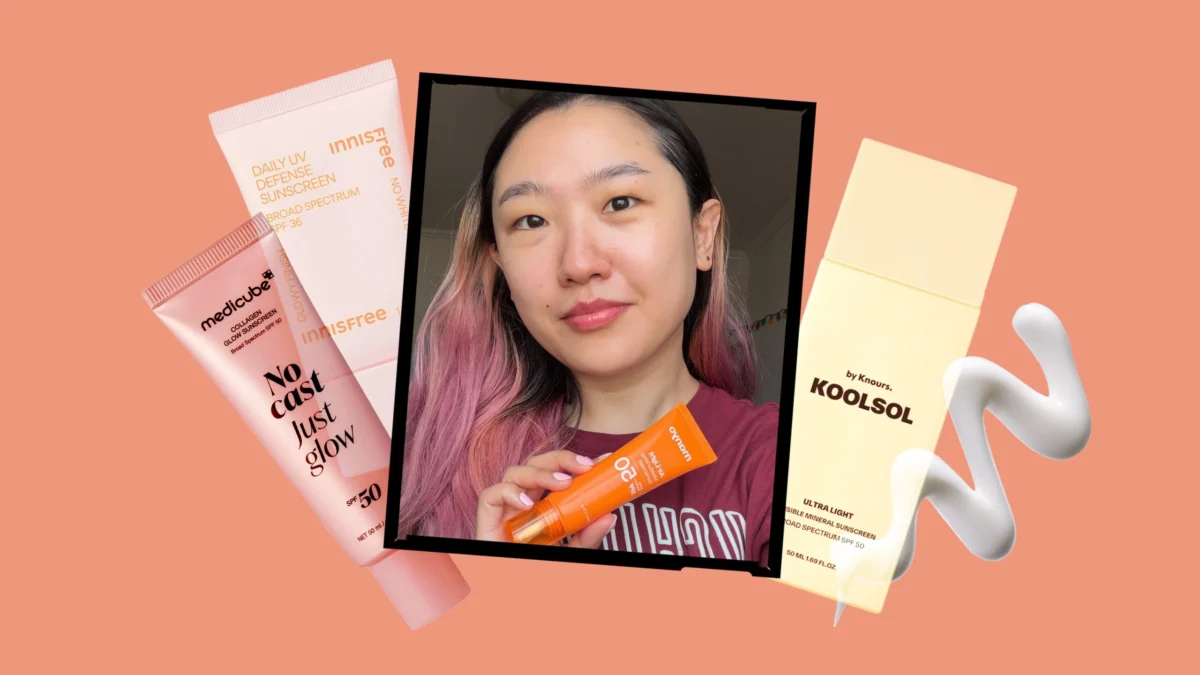
A significant practical advantage of many Korean sunscreens, particularly mineral formulations, is their ability to blend seamlessly into all skin tones without leaving a tell-tale white cast. This is a persistent challenge for many Western mineral sunscreens, even those with high concentrations of zinc oxide. The development of micronized or nano-sized mineral particles, alongside advanced formulation techniques, has allowed Korean brands to create effective physical blockers that are virtually invisible upon application. This cosmetic elegance makes daily use more appealing, encouraging consistent application, which is paramount for effective sun protection.
Furthermore, Korean sunscreens have pioneered the integration of skincare actives into their formulas. This means that applying sunscreen is not just a protective act but also an opportunity to deliver beneficial ingredients to the skin. Common additions include Centella asiatica, renowned for its soothing and healing properties; allantoin, which promotes cell regeneration and hydration; ceramides, essential for maintaining the skin barrier; hyaluronic acid, a powerful humectant for intense moisture; and niacinamide, celebrated for its brightening, anti-inflammatory, and barrier-strengthening capabilities. This dual-action approach transforms sunscreen from a protective barrier into a potent skincare treatment, working to hydrate, brighten, smooth, and protect the skin simultaneously.
The Regulatory Divide: A Key Factor in Ingredient Availability and Innovation
The perceived superiority of some Korean sunscreens over Western ones is often attributed to regulatory differences, particularly between South Korea and the United States. Cosmetic chemist Stephen Ko explains that the distinction isn’t necessarily about unique K-beauty manufacturing capabilities, but rather access to a broader palette of sunscreen ingredients.
In the United States, the Food and Drug Administration (FDA) classifies sunscreen as an over-the-counter drug. This classification subjects sunscreen ingredients to rigorous and lengthy drug approval processes. As a result, the range of approved UV filters available for use in American sunscreens has remained remarkably stagnant. Stephen Ko points out that "there hasn’t been a new [chemical or mineral] approved for use in sunscreens in the U.S. since 1999." This regulatory bottleneck significantly limits the innovation potential for Western sunscreen brands, hindering their ability to incorporate newer, more sophisticated UV filters that offer broader spectrum protection or improved photostability.
South Korea, on the other hand, operates under a different regulatory framework for cosmetics, allowing for faster adoption and approval of advanced sunscreen ingredients. This has enabled Korean brands to incorporate cutting-edge filters such as Tinosorb S, Uvinul A Plus, and Uvinul T 150 into their formulations. These filters are widely used and highly regarded in many other parts of the world, including Europe and Asia, for their efficacy, photostability, and favorable safety profiles. This access to a more extensive and modern ingredient library allows Korean companies to develop state-of-the-art sunscreens that offer superior broad-spectrum protection and enhanced cosmetic properties.
Dr. Vivian Bucay, a board-certified dermatologist, echoes this sentiment, stating that the U.S. is "terribly behind the rest of the world in approving sunscreens that are superior to those we have." This sentiment has even gained traction in legislative circles. Congresswoman Alexandria Ocasio-Cortez has publicly advocated for reforms to the FDA’s sunscreen approval process, urging constituents to contact their representatives, particularly those on the House Energy and Commerce Committee, to "break through some of the regulatory barriers at the FDA" and "fund public research so that we can all enjoy the filters that develop out of the scientific process." The implication is clear: a more streamlined and scientifically informed regulatory system could unlock a new era of sun protection in the United States, bringing it closer to global standards.
Navigating the World of Korean Sunscreens: Understanding PA Ratings
When selecting a Korean sunscreen, understanding the labeling system is crucial for optimal protection. While SPF (Sun Protection Factor) primarily measures protection against UVB rays, the "PA" rating is vital for assessing UVA protection. Developed in Japan and widely adopted in Korea, the PA system quantifies the level of protection against UVA radiation, which is responsible for tanning, photoaging, and an increased risk of skin cancer.
Dr. Ko Lamm explains that the PA rating is based on the Persistent Pigmentation Darkening (PPD) test. This test measures the amount of UVA exposure a person can tolerate before their skin darkens. The PA scale ranges from PA+ (minimal UVA protection) to PA++++ (maximum UVA protection). A PA++++ rating indicates a PPD value of 16 or higher, meaning the skin can withstand approximately 16 times more UVA radiation than it would without sunscreen before showing signs of tanning or darkening. Dr. Ko Lamm recommends seeking out sunscreens with a minimum of PA+++, equating it to SPF 30, to ensure robust protection against both UVB and UVA rays. This emphasis on UVA protection is a hallmark of the K-beauty approach to sun care, recognizing that both types of UV radiation pose significant threats to skin health.
The Rigorous Process Behind Product Recommendations
When publications like Allure undertake the task of reviewing and recommending products, a comprehensive and multi-faceted testing methodology is employed. This process is designed to ensure that consumers receive well-vetted, effective, and trustworthy recommendations. For Korean sunscreens, this involves a detailed examination of several key aspects:
- Ingredient Analysis: Editors and experts scrutinize the ingredient lists to identify beneficial components, assess the quality and concentration of UV filters, and ensure the absence of potentially irritating or harmful substances. The presence of skincare actives, as discussed earlier, is a significant factor in evaluating Korean formulations.
- Efficacy: Products are tested for their stated sun protection capabilities. This can involve a combination of laboratory data (where available) and real-world application to gauge how well they shield the skin from UV exposure.
- Product Wear and Texture: The cosmetic elegance of a sunscreen is paramount for consistent daily use. Testers evaluate the texture, absorbency, finish (e.g., matte, dewy), and how well the product layers under makeup or other skincare products. The elimination of the white cast is a critical component of this evaluation for all skin tones.
- Additional Benefits: The multi-functional nature of many Korean sunscreens is also assessed. This includes evaluating their hydrating, soothing, brightening, or smoothing effects, as indicated by their ingredient profiles and observed results during testing.
- Expert Consultation: Dermatologists, cosmetic chemists, and other industry professionals are often consulted to provide expert opinions on ingredient safety, formulation science, and the overall effectiveness of the products. Their insights lend a critical layer of scientific validation to the recommendations.
This thorough testing protocol ensures that the featured products not only perform their primary function of sun protection but also align with the broader expectations of modern skincare, offering a pleasant user experience and contributing positively to overall skin health.
A Diverse Testing Pool for Inclusive Recommendations
The commitment to providing inclusive and reliable product recommendations extends to the diversity of the testing pool itself. Recognizing that beauty and skincare products are deeply personal purchases, Allure and similar publications emphasize the importance of testing across a wide spectrum of individuals. This includes testers of various ages, skin tones, genders, hair textures, and backgrounds.
The rationale behind this approach is straightforward: a product’s performance can vary significantly depending on individual characteristics. For instance, a sunscreen that works flawlessly for one skin tone might leave a noticeable cast on another. Similarly, a moisturizer’s efficacy can differ based on age-related skin concerns or individual hydration needs. By employing a diverse group of testers, publications can provide more comprehensive and representative feedback, ensuring that recommendations are applicable and beneficial to a broader audience. This commitment to inclusivity is crucial in the beauty industry, where products are designed for a global and diverse consumer base. The staff and regular contributors often reflect this diversity, bringing a wealth of varied experiences and perspectives to the evaluation process.
The increasing global appreciation for Korean sunscreens is not merely a trend; it represents a significant evolution in how sun protection is viewed and integrated into daily life. The industry’s ability to innovate, driven by a combination of consumer demand for multi-functional products and a more agile regulatory environment, has positioned K-beauty sunscreens as frontrunners in the quest for effective, enjoyable, and health-conscious sun care. As discussions around regulatory reform continue in Western markets, the lessons learned from the success of Korean sunscreens offer a compelling roadmap for the future of sun protection worldwide.