










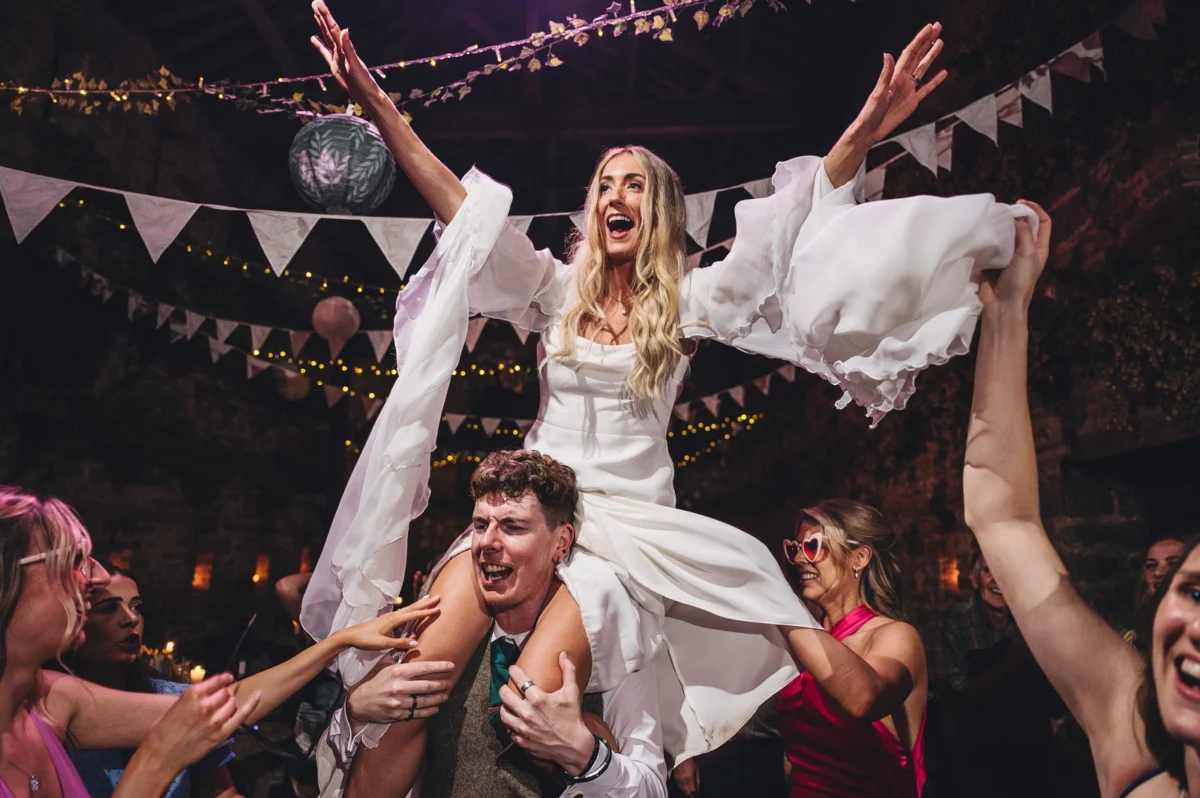
After a decade-long partnership, Chloe and Joe celebrated their union in a quintessentially British garden-themed wedding this past May at Homme House in Herefordshire. The event, which drew inspiration from the couple’s penchant for hosting intimate gatherings, transformed the 17th-century estate into a vibrant, personal celebration of their ten-year history. The nuptials were documented by Marta May Photography, a vendor noted for a documentary style that focuses on the fluid, unscripted moments of the day.
The Venue and Geographical Context
Homme House, located in the rural landscape of Herefordshire, served as the primary setting for both the ceremony and the reception. The estate is well-regarded for its historic walled garden and its 17th-century summerhouse, which served as the focal point for the vows.
The couple selected the venue based on its reputation for a "homely" atmosphere, a sentiment echoed by the property’s stewards, Charlie and Sarah. According to the couple, the venue’s management style—which emphasizes a collaborative approach to event planning—was a primary factor in their decision-making process. The selection reflects a broader trend in the UK wedding industry, where couples are increasingly moving away from high-density, commercialized venues in favor of private, residential-style estates that offer a degree of seclusion and personalization.
Chronology of the Event
The wedding day followed a carefully orchestrated sequence designed to leverage the natural flow of the Homme House grounds. The morning commenced with the arrival of the wedding party in a vintage VW campervan, locally known as "Tom," which functioned as both transport and a later-evening photobooth.
The ceremony was held in the walled garden under the shade of wisteria. Following the exchange of vows, the transition from the garden to the indoor reception area was facilitated by a roaming brass band, The Horn Brokers. This strategic use of live music acted as a logistical tool to guide guests, minimizing the friction often associated with moving large groups between ceremony and dining spaces.
The reception featured a multi-course meal, preceded by a cake-cutting ceremony held under the estate’s interior spiral staircase. The evening concluded with an informal outdoor dining experience provided by a wood-fired pizza van, a common feature in modern, relaxed wedding catering.
Attire and Aesthetic Curation
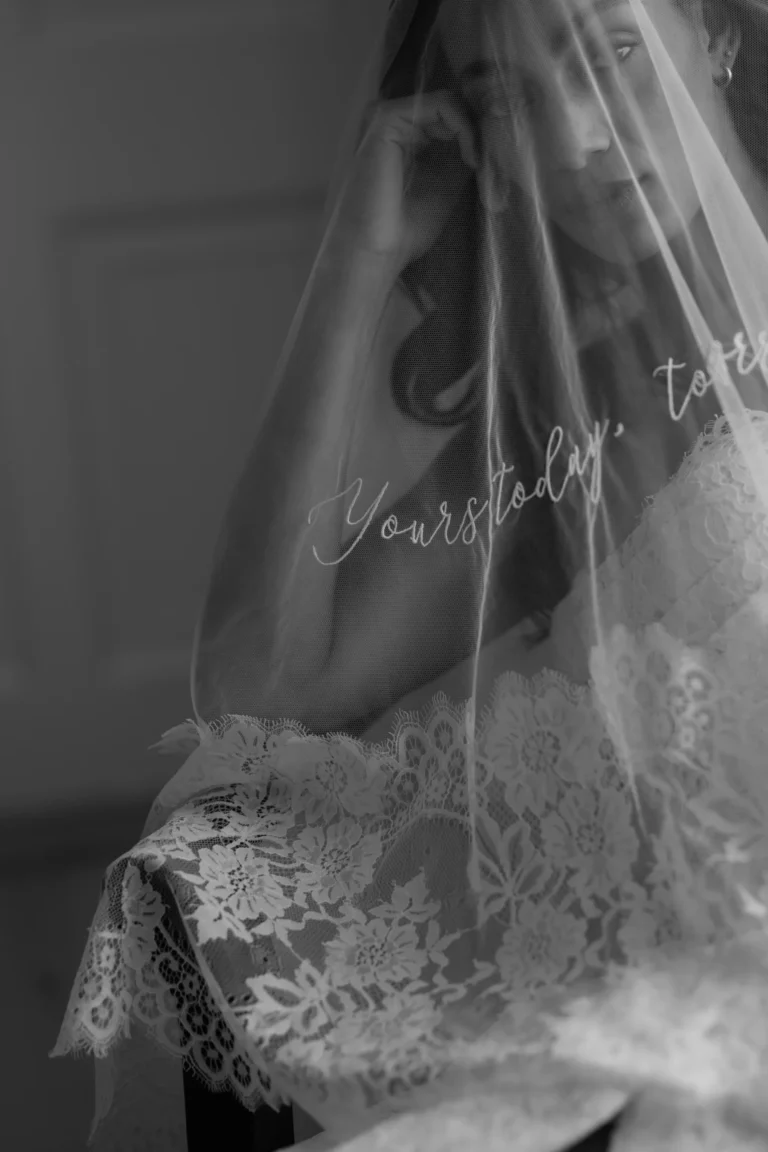
Chloe’s choice of attire for the event involved a collaboration between international bridal design and local craftsmanship. The primary garment was the "Jean" gown by Theia, a contemporary design house. To tailor the look to the garden setting, she commissioned a bespoke lace bridal cape by designer Laura Fray.
The floral arrangements, managed by Hannah of Bride and Bloom, were curated to reflect an English cottage aesthetic. Data from the wedding industry suggests that the use of seasonal, locally sourced blooms is becoming a standard priority for couples aiming to reduce the environmental footprint of their events. In this instance, the inclusion of Lily of the Valley served a dual purpose: it anchored the table decor and, by a fortuitous coincidence, provided a namesake for the couple’s daughter, born exactly one year later in May.
Symbolic Elements and Personalization
The ceremony included several highly personalized elements that departed from traditional wedding liturgy. The couple incorporated a reading titled "The Art of Marriage" by Wilferd Arlan Peterson, a text discovered by the bride among the effects of her late grandfather. Furthermore, the bride penned an original poem, "Littlest of Love," which was read by her mother.
Jewelry selections were also indicative of the couple’s focus on ethical sourcing and personal significance. The engagement and wedding rings, designed by Ruth Tomlinson, utilized ethically sourced materials. This focus on provenance is consistent with a shift in consumer behavior, where luxury goods are increasingly evaluated by their ethical supply chains rather than traditional market value alone.
Broader Industry Implications
The wedding of Chloe and Joe provides a snapshot of current trends in the UK private-event sector. The "elevated garden party" concept is not merely an aesthetic choice but a structural shift in how weddings are organized. By prioritizing "flow"—the way guests move through a space—the couple managed to create an experience that felt cohesive rather than fragmented.
The integration of professional vendors with DIY elements, such as the bride’s home-baked wedding cake and self-designed signage, highlights a hybrid model of event management. This approach allows couples to retain agency over the personal aspects of the day while utilizing professional expertise for logistical and high-stakes services like photography and floral design.
Economic and Social Observations
The use of a brass band to facilitate movement between the garden and the house represents a tactical use of entertainment. In professional event management, such techniques are often employed to maintain momentum and ensure that the guest experience remains high-energy throughout the transition periods.
Furthermore, the decision to host the event in May aligns with historical peak-season preferences in the UK. Data from the Office for National Statistics frequently shows a spike in marriage registrations during the spring and early summer months, driven by the increased likelihood of favorable weather for outdoor ceremonies. However, as climate volatility increases, the ability of a venue like Homme House to offer both pristine outdoor spaces and comfortable, character-filled indoor areas has become an essential competitive advantage.
Closing Reflections
The event concluded with a formal, yet spirited, celebration that centered on the couple’s history. The choice of the first dance song, "My Girl" by The Temptations, was framed by the bride as a reflection of their long-term commitment. The lyrics, specifically the reference to "the month of May," provided a thematic link between their wedding date and their subsequent family expansion.
In terms of "wedded wisdom," the couple’s advice to focus on the movement of guests and the "moments in between" serves as a practical takeaway for future planners. By treating the logistics of the day as part of the celebration itself, rather than a necessary evil, the couple ensured that every interaction—from the confetti throw to the procession to the reception—felt intentional.
The wedding at Homme House serves as a testament to the enduring appeal of the English country wedding, provided it is underpinned by meticulous, thoughtful, and highly personal planning. As the industry continues to evolve, the demand for venues that offer both historic charm and operational flexibility is expected to remain high, cementing the status of estates like Homme House as cornerstones of the UK’s destination wedding market.