








On August 21, 2026, Kate, a Head of Buying at the fashion label 4th & Reckless, and Jonny, a professional designer and DJ known as DJ Krafty, hosted a high-concept wedding at the Dalton Old Pump House in Seaham, County Durham. The event, which drew significant attention for its fusion of industrial architecture and high-fashion aesthetics, served as a case study in modern wedding planning that balances personal identity with large-scale, theatrical event design.
The venue, a restored Victorian water facility, provided a striking backdrop for the couple’s vision, characterized by its exposed brickwork, iron infrastructure, and the installation of approximately 80 crystal chandeliers. The selection of this venue was the result of a nine-month search following the couple’s engagement at Glastonbury Festival in June 2025. The couple prioritized a location that could accommodate both the industrial sensibilities required for their music-centric tastes and the logistical needs of a large guest list, including accessible facilities for family members with health considerations.
A Chronology of the Planning and Execution
The timeline of the wedding preparations highlights the deliberate nature of the event’s construction. Following the engagement, the couple spent the period from late 2025 to August 2026 finalizing the logistical framework. Finding the venue in November 2025 was the primary catalyst, allowing the couple roughly nine months to curate the aesthetic and technical aspects of the celebration.
The wedding day itself was structured to transition from an intimate, solemn ceremony to a high-energy, carnival-inspired reception. The morning was characterized by a focus on guest comfort, with the bridal party utilizing the venue’s large suite for preparation, ensuring a seamless flow into the afternoon events. The ceremony featured a civil registration and a personalized exchange of vows, followed by a transition into an evening program that integrated live music, specialized lighting, and performance art.

Fashion as a Narrative Element
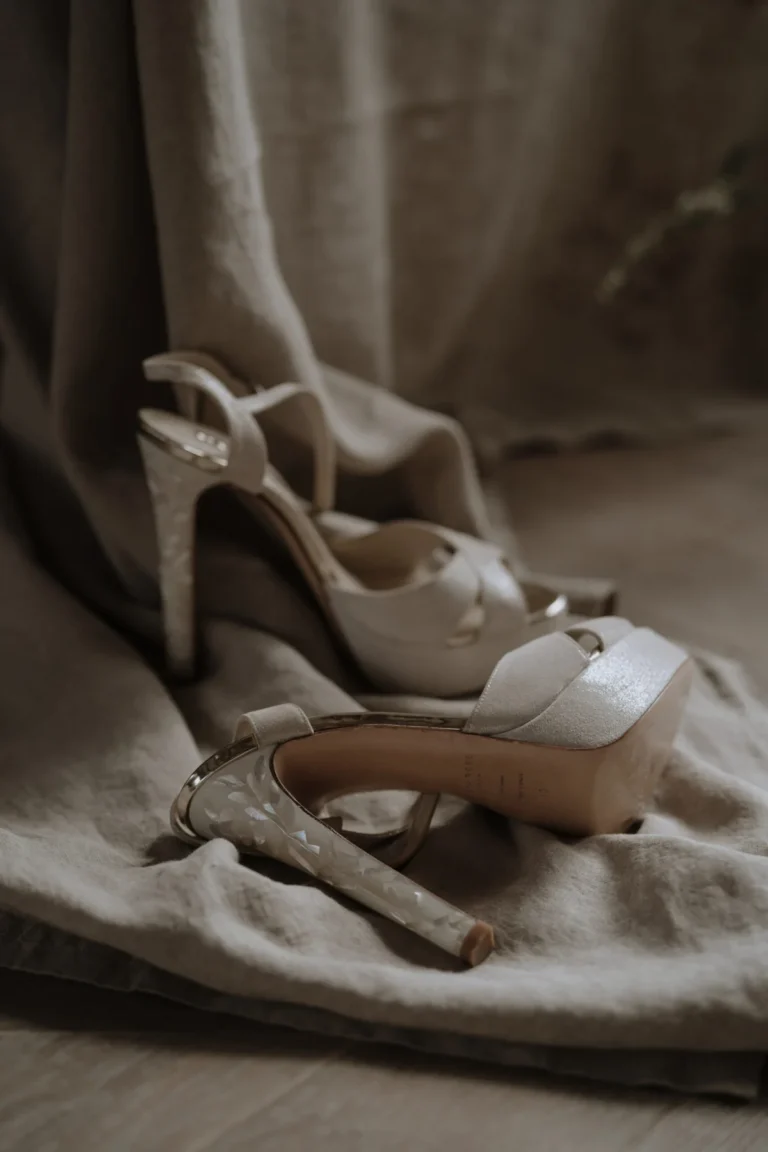
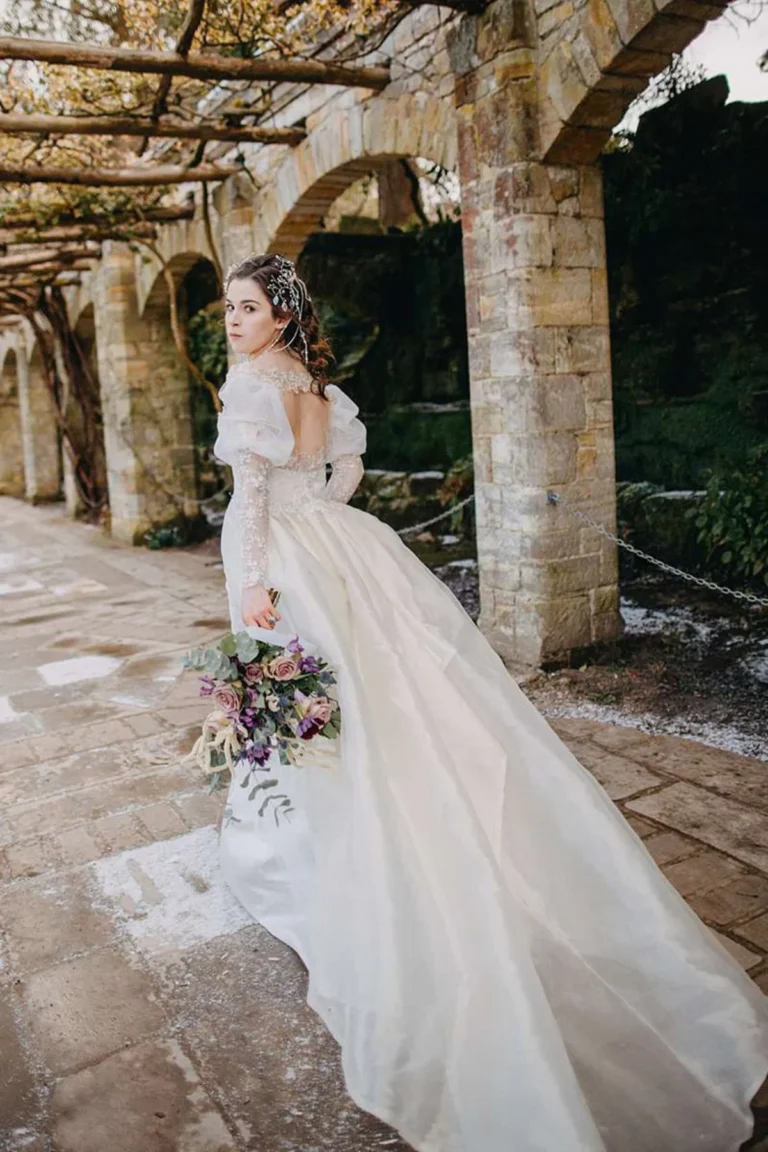
The bridal fashion choices were central to the event’s aesthetic identity. Kate, leveraging her professional experience in the buying sector, opted for three distinct bridal looks sourced from The Mews Bridal, featuring gowns by Rime Arodaky. The selection of three outfits served as a structural device for the event, with the transition between dresses signaling the shift from the formal ceremony to the high-energy evening party.
The bridesmaids’ attire adhered to a strictly controlled monochromatic palette. Four members of the bridal party wore the ‘Ellen’ dress from 4th & Reckless—a deliberate nod to the bride’s professional affiliation—while the remaining four wore complementary silhouettes in black. This uniform color scheme provided a stark, contemporary contrast to the white roses and greenery used throughout the floral decor, reinforcing a "clean and chic" visual language that is increasingly popular in modern bridal styling.
The Technical and Design Infrastructure
The logistical scale of the event was notable, particularly regarding the conversion of an industrial space into a fine-dining and performance environment. The couple implemented a "serpentine" top table layout, which seated 40 guests in a continuous configuration—a feat that required custom coordination with the venue’s operations team, as such a layout had not been previously tested in the space.
Beyond the physical layout, the technical requirements were extensive. The couple collaborated with Purple Rain Audio to install moving heads and specialized lighting systems designed to transform the venue’s atmosphere as the night progressed. This was complemented by the use of dry ice and pyrotechnic-style lighting for the first dance. The inclusion of a VOID sound system was a specific requirement for the groom, underscoring the couple’s commitment to professional-grade audio for their music-heavy itinerary.
Musical Integration and Performance Art
Music served as the primary driver of the event’s momentum. The day’s soundtrack was carefully curated to align with the changing stages of the wedding. A harpist, Stephanie, provided music for the ceremony, reflecting a connection to the groom’s Yorkshire roots. The cocktail hour featured an Italian house set performed by a professional DJ, setting a distinct, cosmopolitan tone.

The evening transition was marked by the performance of the Samba De Janeiro dance troupe, who provided two 40-minute sets of 90s music. This element of the evening transformed the wedding from a social gathering into a choreographed event, or "production." The couple’s first dance, performed to Madonna’s "Like a Prayer," incorporated live vocals and a surprise reveal of showgirl performers, illustrating the couple’s preference for theatrical, unexpected entertainment over traditional customs.
Economic and Strategic Considerations
While the couple did not disclose the specific financial figures, they acknowledged that the total expenditure was double their initial projections. This increase was attributed to the prioritization of experiential elements, such as the hiring of performance troupes, specialized lighting, and high-end decor.
In the context of the modern wedding industry, this event reflects a growing trend of "budget-busting" for the sake of personalized, high-production-value moments. Experts in the event planning sector have noted that couples are increasingly moving away from standard packages in favor of bespoke, multi-vendor arrangements that allow for total control over the event’s atmosphere. The "Words of Wedded Wisdom" offered by the bride emphasized the importance of self-authentication over adherence to trends, suggesting that while the financial investment was significant, it was justified by the creation of a unique, memorable experience.
Impact of Digital and Collaborative Documentation
The couple employed a dual-approach to documentation, utilizing Polina of PLN Cinema to capture the event on a mix of film and digital formats. This choice reflects a broader shift toward "cinematic" wedding photography, which prioritizes the artistic capture of movement and emotion over traditional, posed portraiture.
Furthermore, the integration of technology, such as the use of a QR code on thank-you cards to facilitate crowd-sourced media uploads, allowed the couple to capture multiple perspectives of the event. The inclusion of an audio guestbook served as an additional layer of sensory documentation, enabling the couple to preserve the voices and spontaneous messages of their guests.
Broader Implications for the Wedding Industry
The success of the Dalton Old Pump House wedding underscores several shifting dynamics in the wedding industry:
- Venue Versatility: There is an increasing demand for "blank canvas" industrial spaces that allow for high-end lighting and sound installations, moving away from traditional hotel or country estate settings.
- Fashion-First Planning: Couples with backgrounds in creative industries are increasingly treating their weddings as platforms for fashion expression, often involving multiple outfit changes that mirror editorial styling.
- The "Eventification" of Weddings: The expectation for a wedding has moved beyond a dinner and a dance. Modern couples are looking to incorporate professional performance art, high-tech lighting, and specific soundscapes to ensure the event feels like a cohesive production.
- Personalization over Tradition: The deliberate choice to omit standard readings in favor of personalized vows and to forgo traditional favors for crystal keepsakes demonstrates a move toward values-based event design.
The wedding of Kate and Jonny stands as an example of how personal interests—specifically in music, fashion, and design—can be scaled to create a large-scale event that feels authentic. By treating the wedding as a creative project rather than a series of mandatory rites, the couple was able to navigate the balance between high-glamour aesthetics and the emotional intimacy required for a celebration of marriage. As the industry continues to evolve, this event serves as a indicator of the increasing influence of professional design standards and theatrical performance in the personal sphere.