








Clothes moths represent a pervasive and often devastating threat to wardrobes and textile collections worldwide, known for their capacity to inflict significant damage on natural fibers. These invasive pests are not merely an annoyance; they are a formidable challenge for homeowners and textile conservators, with infestations capable of destroying valuable garments, heirlooms, and household furnishings. The insidious nature of clothes moths lies in their preference for dark, undisturbed environments, making early detection difficult and allowing infestations to proliferate unseen.
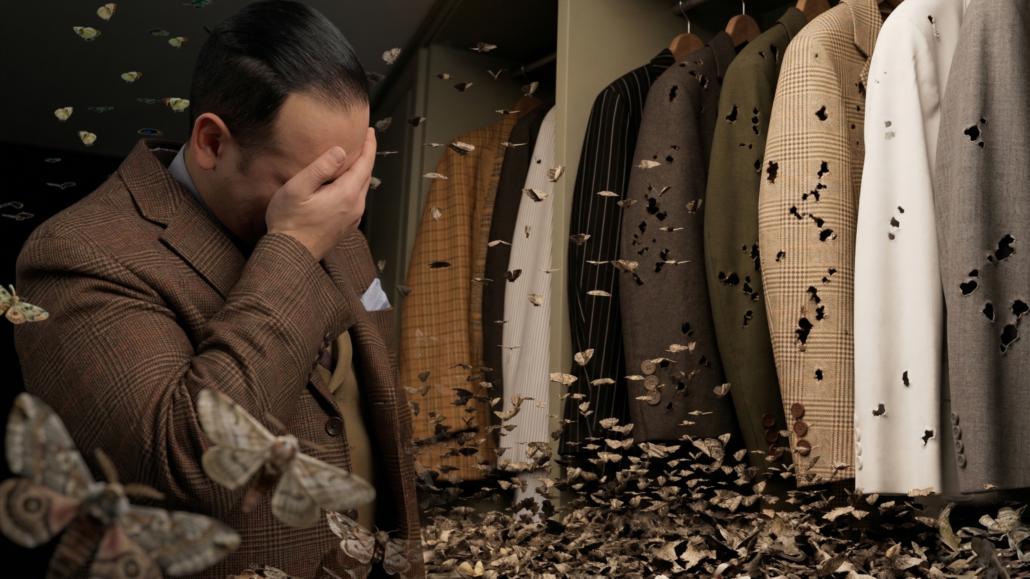
The typical discovery of a clothes moth problem often begins with subtle indicators that quickly escalate into undeniable proof of infestation. Homeowners might initially notice a small, translucent larva crawling on fabric or a single adult moth fluttering in a dimly lit room. Such sightings frequently trigger an initial phase of denial, as individuals hope the problem is isolated. However, the subsequent appearance of additional moths or, more alarmingly, visible damage to textiles, confirms a full-blown infestation is underway.
Identifying the Extent of the Threat
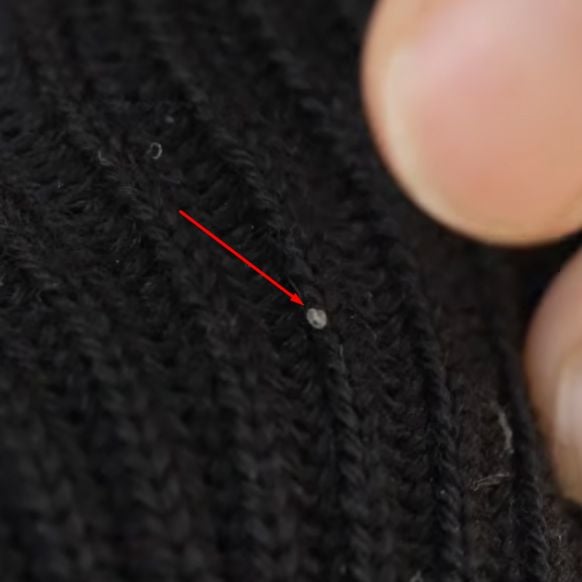
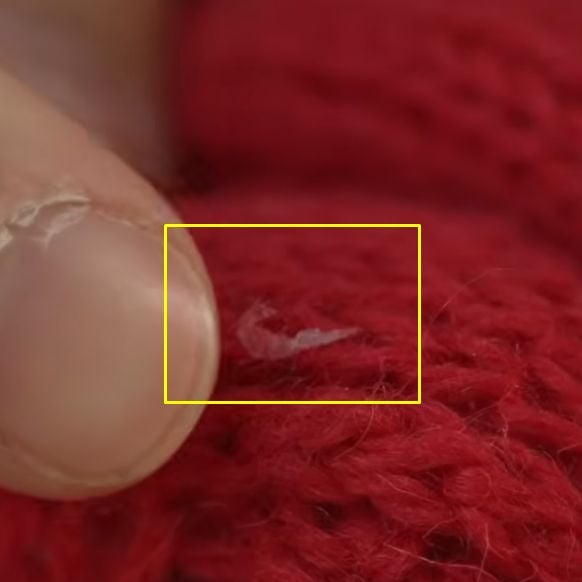
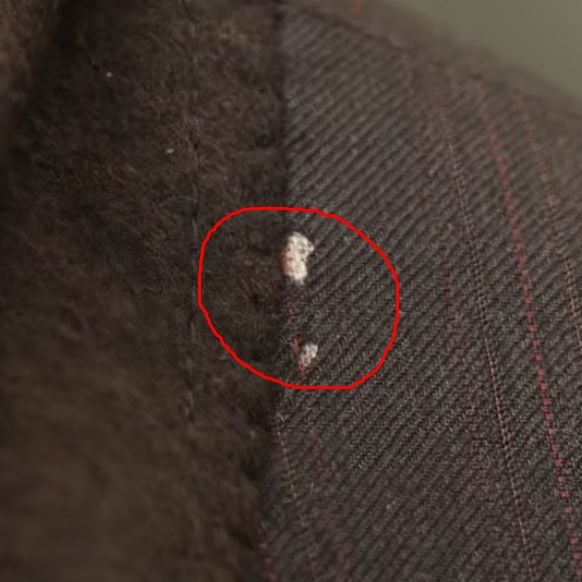
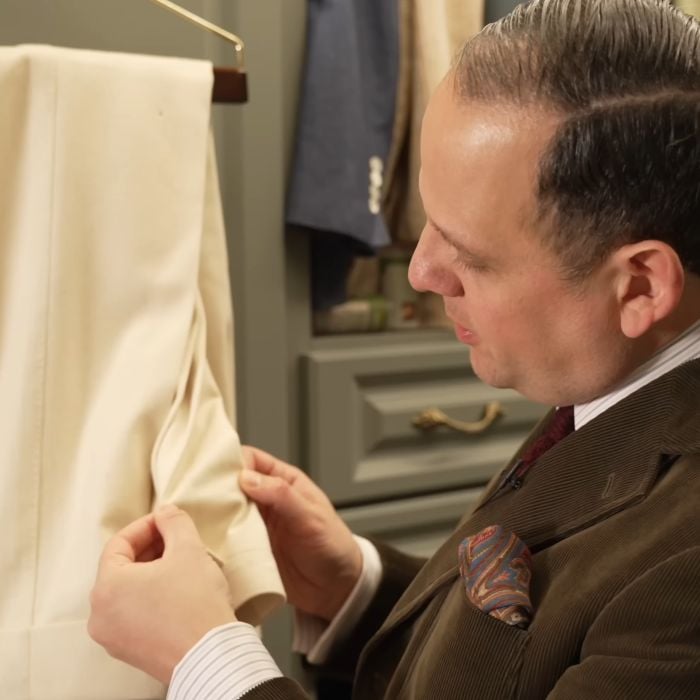
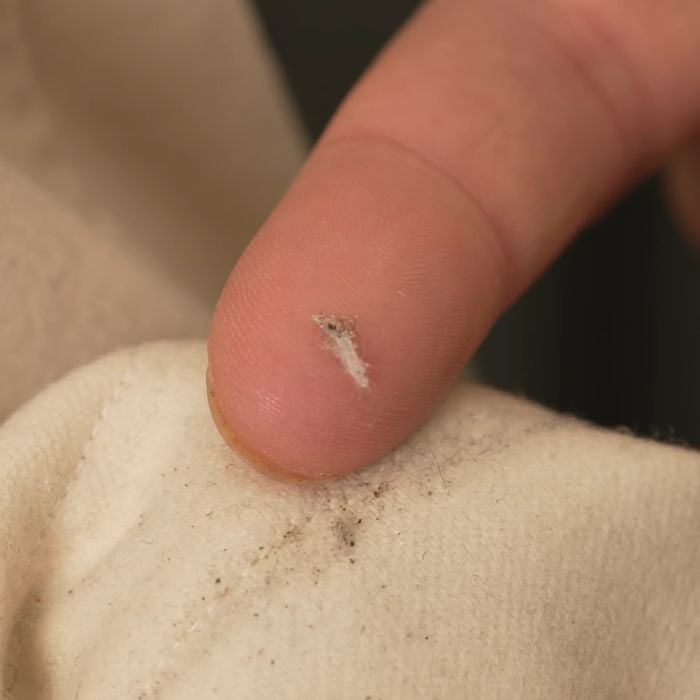
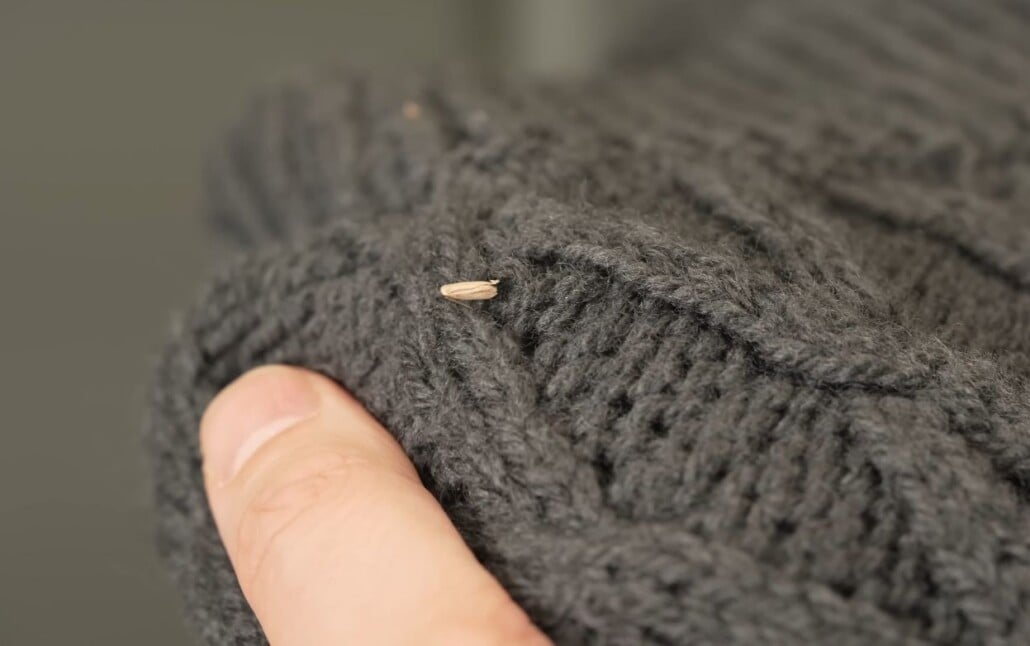
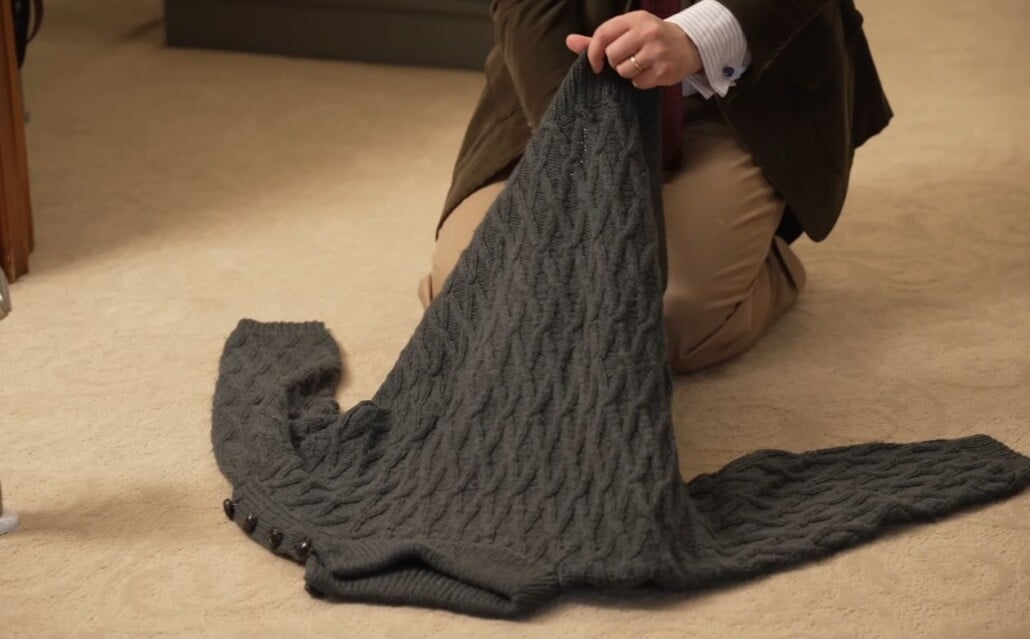
Upon suspecting an infestation, a thorough inspection is paramount. The morning after the first sighting often reveals the true scope of the problem. Closer examination of wool, cashmere, and other animal fiber garments will expose tiny white, rice-shaped moth eggs, often nestled within fabric folds. Active larvae, the true culprits of textile destruction, may also be visible, along with translucent silken webbing and residual cocoons. The most disheartening sign, however, is the appearance of distinct holes in garments, a direct result of larval feeding. This damage often manifests as a powdery white substance or webbing, which, once brushed away, reveals the irreversible harm.
Understanding Moth Behavior and Hiding Spots
A critical aspect of effective clothes moth management is recognizing their unique behavior. Unlike many other moth species that are phototactic (drawn to light), clothes moths are lucifugous (light-fleeing). This means that adult clothes moths actively avoid bright areas, preferring to hide in dark, quiet recesses. If an adult moth is observed flying boldly around a lamp, it is more likely a harmless pantry moth or an outdoor species, not the one responsible for consuming valuable textiles.
Clothes moths are opportunistic scavengers, driven by a biological imperative to seek out keratin, the protein found in virtually all animal-based fibers. This biological drive means infestations are rarely confined to a single closet or wardrobe. Beyond clothing, common breeding grounds and feeding sites include:
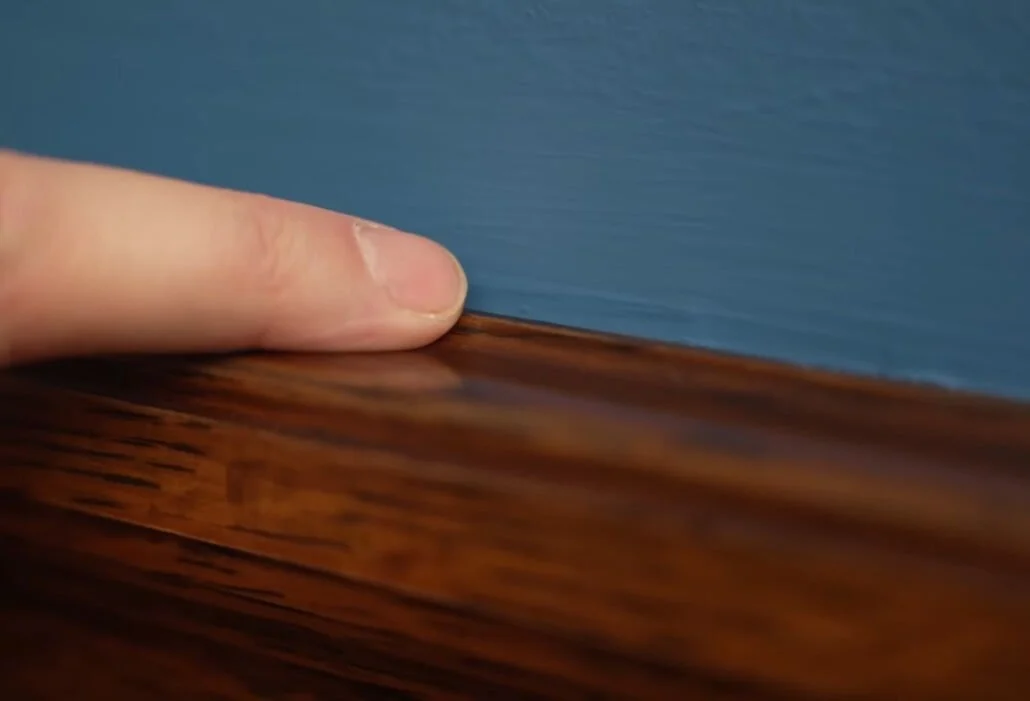
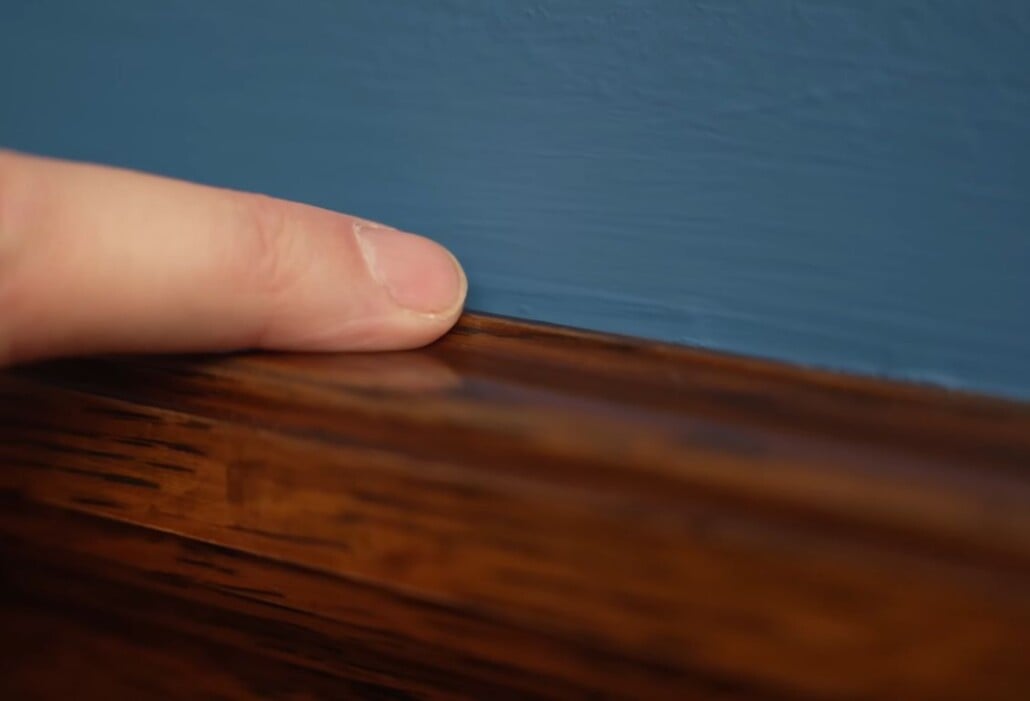
- Wool rugs and carpets: Especially underneath furniture or along baseboards.
- Upholstered furniture: The undersides and crevices where dust and shed skin cells accumulate.
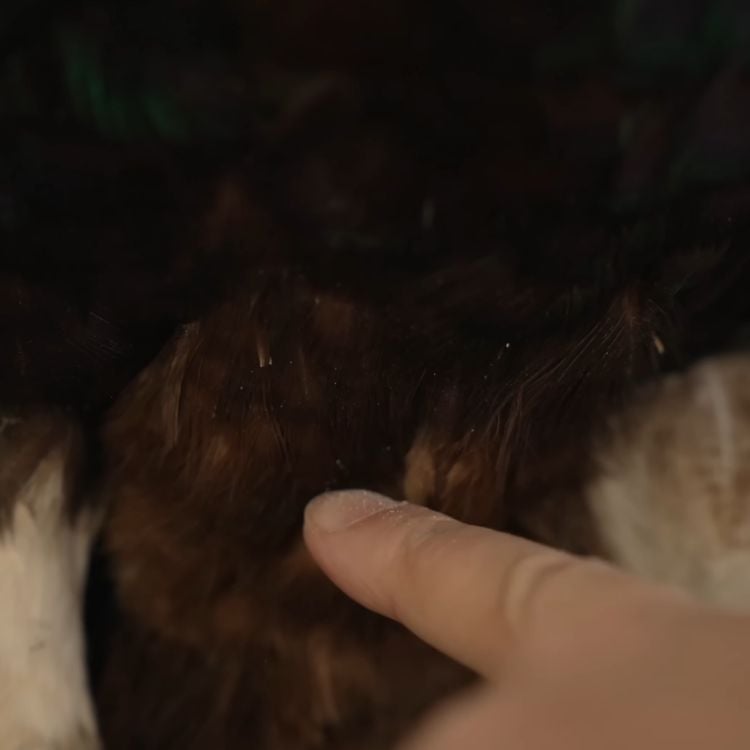
- Taxidermy: Feathers, fur, and felt components are prime targets.
- Pianos: The high-quality wool felt on hammers and dampers provides an ideal, undisturbed food source.
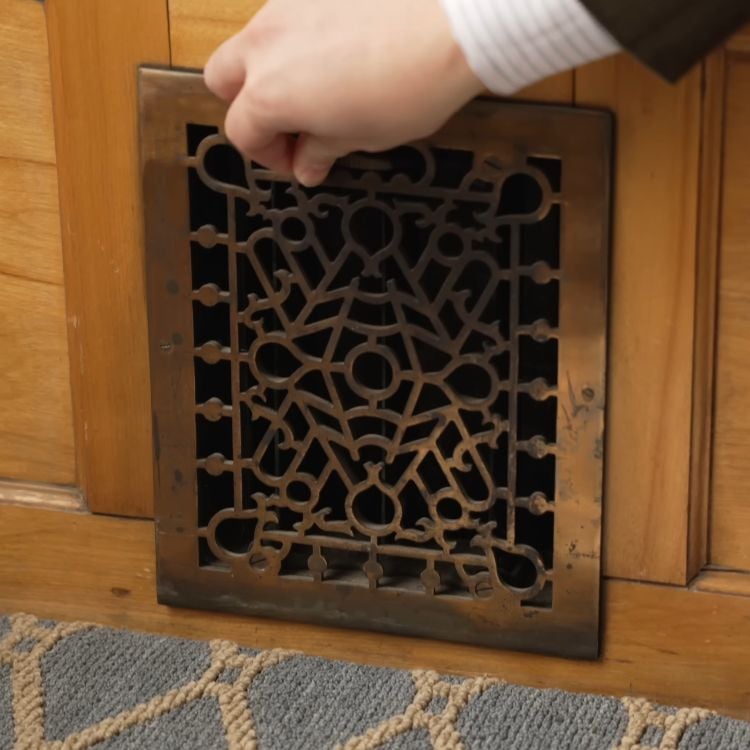
- HVAC ductwork: Accumulations of dust, pet hair, and human dander in dark ducts can sustain populations.
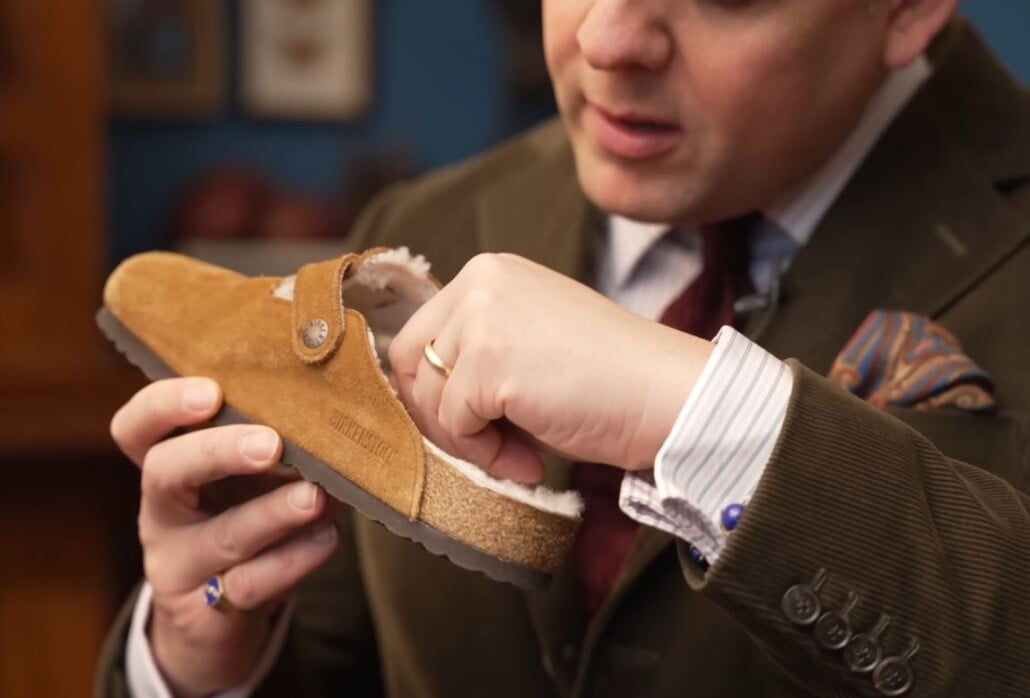
- Shearling-lined slippers and boots: Often stored in dark closets, these offer both warmth and keratin.
- Hat felts and fur collars: Infrequently worn items are particularly vulnerable.
- Untouched storage areas: Attics, basements, and rarely opened drawers.
The realization that an entire home, not just a wardrobe, can be under attack underscores the complexity of eradication.
The Inadequacy of Common Remedies
In the initial stages of dealing with a clothes moth infestation, many homeowners turn to readily available DIY solutions, often with disappointing results. These methods, while seemingly logical, frequently fall short due to a lack of scientific efficacy against the entire moth life cycle or the sheer scale of an established infestation.
- Vodka Sprays and Steamers: While alcohol can kill larvae on contact and intense heat from a steamer might eliminate surface eggs, these methods suffer from significant limitations. Achieving thorough penetration into thick knit fibers or hidden seams is extremely difficult and time-consuming. Furthermore, they offer no residual protection and fail to address eggs or larvae in inaccessible areas.
- Cedar and Lavender: The notion that the strong scent of cedar or lavender deters moths is a widely held belief. While these natural repellents may have some minor deterrent effect in very high concentrations within airtight containers, they do not kill existing eggs or larvae. In an open closet or room, the vapors quickly dissipate, rendering them ineffective for active infestations. Moths will simply migrate to other, untreated areas of the house.
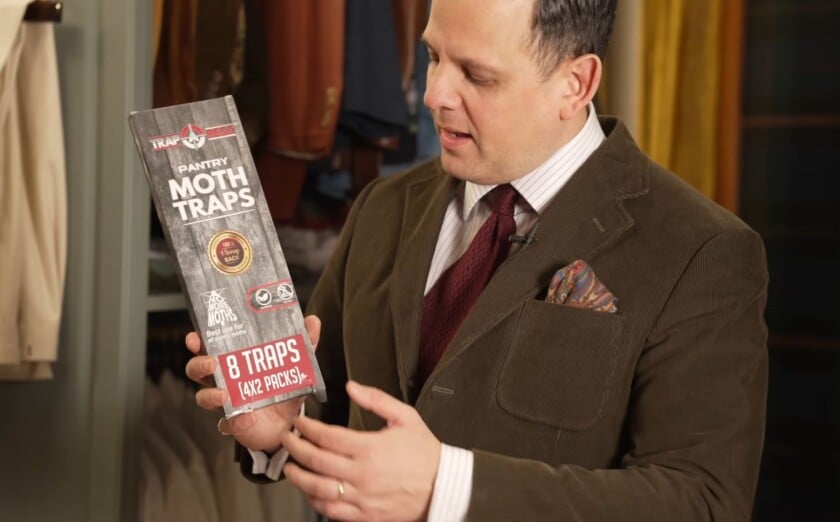
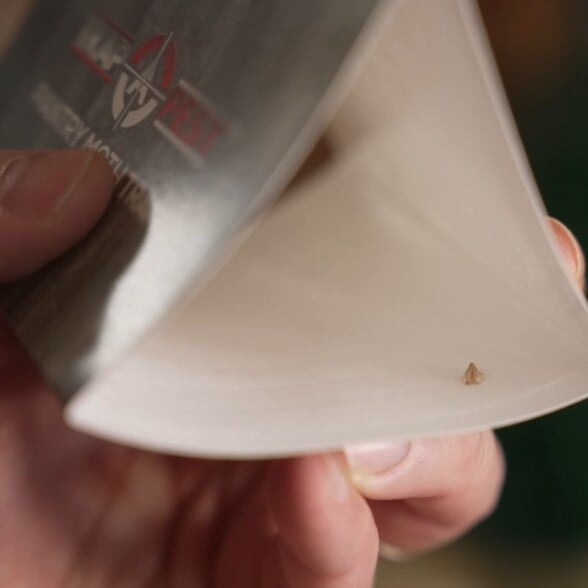
- Pheromone Glue Traps: These traps are excellent diagnostic tools, indicating the presence of clothes moths by attracting and capturing adult males. However, they are not an eradication solution. By the time male moths are caught, they have often already mated, and female moths have laid thousands of eggs. Since adult moths do not feed (their sole purpose is reproduction), trapping males does little to halt the ongoing destructive cycle of the larvae. Moreover, many commercially available traps are designed for pantry moths and are ineffective against clothes moths due to species-specific pheromones.
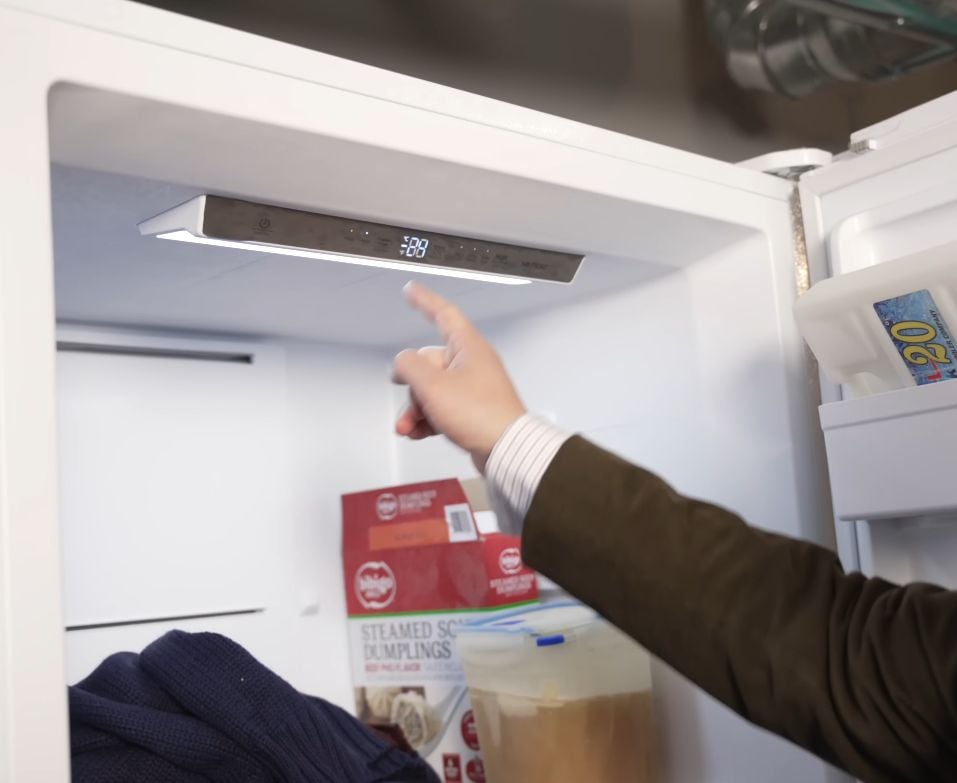
- The Freezing Method: Extreme cold is indeed lethal to clothes moth eggs and larvae. Homeowners in colder climates sometimes place infested items outdoors in winter or invest in dedicated chest freezers. For individual, smaller items, this can be effective if sustained at 0°F (-18°C) or below for at least 72 hours, ideally longer. However, scaling this method for an entire wardrobe, let alone a whole house, presents immense logistical challenges. The limited capacity of freezers and the prolonged treatment time mean that while one batch of clothes is being treated, moths in other parts of the house continue to breed and cause damage.
- Whole-House Heat Treatment: The idea of heating a house to extreme temperatures (e.g., above 130°F / 54°C) to "bake" pests to death is used in some professional pest control scenarios. However, attempting this without specialized equipment can cause severe structural damage to a residential property, including warping wood, peeling wallpaper, and compromising adhesives, making it an impractical and dangerous DIY option.
The Scientific Solution: Biological Control with Parasitic Wasps
The limitations of conventional and DIY methods highlight the need for a more comprehensive and scientifically robust solution. This led to the discovery of biological control agents, specifically Trichogramma wasps, as an ultimate weapon against clothes moth infestations.
Trichogramma wasps are microscopic parasitoids, so tiny they are almost invisible to the naked eye. Crucially, they pose absolutely no threat to humans or pets; they do not sting, bite, or carry diseases. Their entire life cycle is dedicated to a single, highly effective biological purpose: locating the eggs of pest insects, including clothes moths, and laying their own eggs inside them. This process, known as parasitism, effectively sterilizes and kills the moth larva before it can hatch and begin feeding on textiles.
Mechanism of Action and Benefits:
- Targeted Eradication: Trichogramma wasps actively seek out moth eggs wherever they are hidden, whether deep within ductwork, behind baseboards, in upholstery, or within the intricate felt mechanisms of a piano. Their ability to access these hidden breeding grounds makes them superior to surface treatments.
- Non-Toxic and Eco-Friendly: Unlike chemical pesticides, Trichogramma wasps are a completely natural and environmentally benign solution. They leave no harmful residues, making them ideal for homes with children, pets, or individuals sensitive to chemicals.
- No Cleanup Required: Due to their minuscule size and short lifespan, dead wasps simply decompose into fine dust, which is easily removed during routine vacuuming and dusting. There is no special cleanup or disposal protocol.
- Breaking the Life Cycle: By targeting the egg stage, these wasps prevent the development of destructive larvae, thereby breaking the moth’s reproductive cycle and ultimately eradicating the infestation at its source.
Deployment and Strategic Application
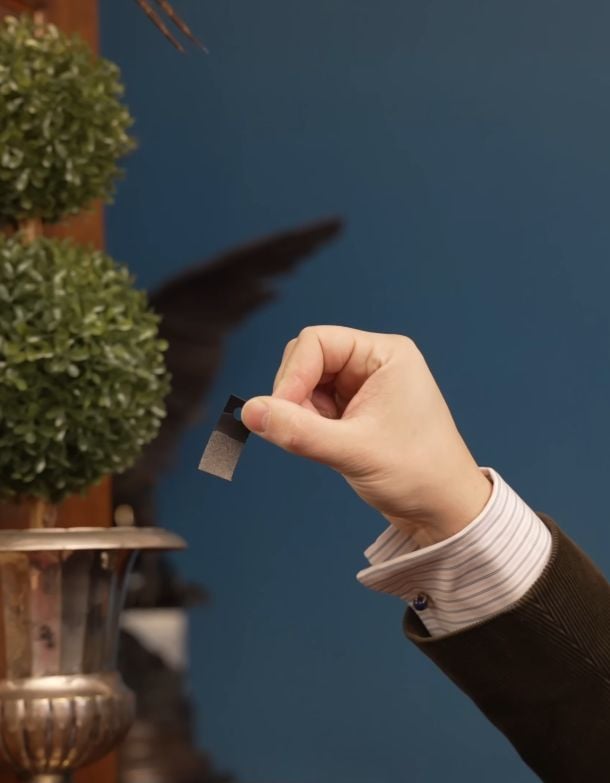
Trichogramma wasps are typically supplied by specialized entomological companies, such as Arbico Organics, on small paper strips or tabs. Each tab contains thousands of wasp eggs, which hatch shortly after deployment. A single tab is usually sufficient to cover a significant area, often around 3,000 square feet. For widespread or severe infestations, deploying multiple tabs (e.g., six tabs for 18,000 square feet) ensures thorough coverage and maximizes the chance of success.
Placement of these strips should be strategic, focusing on areas of known moth activity: closets, near upholstered furniture, in storage zones, and adjacent to any items containing animal fibers. Given the lead time for shipping live organisms, ordering these wasps immediately upon confirmation of an infestation is crucial to initiating the eradication process without delay.
Long-Term Prevention: Fortifying the Perimeter
While Trichogramma wasps are highly effective at clearing an active infestation, clothes moths are persistent and opportunistic pests. Re-infestation can occur through various means, such as an open window, a secondhand item, or even hitchhiking on clothing brought in from outside. Therefore, a permanent defense strategy is essential to ensure a moth-free environment.
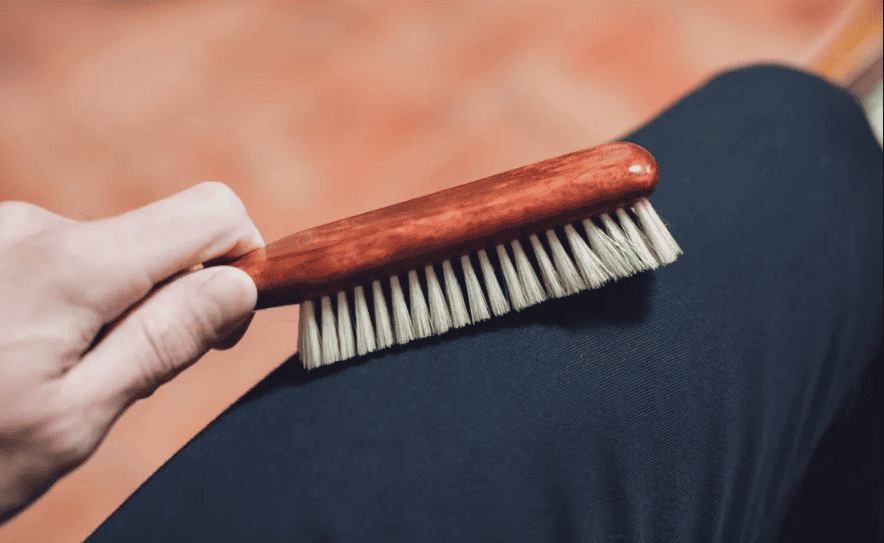
- Regular Garment Brushing: One of the simplest yet most effective preventive measures is to vigorously brush clothes after every wear, especially wool and cashmere items. Moth eggs are fragile and loosely attached to fibers. Brushing physically dislodges and destroys these microscopic eggs before they can hatch, preventing them from establishing themselves in the wardrobe. High-quality clothes brushes designed to be gentle on fabric but effective at removing debris are ideal.
- Breathable Garment Bags: For seasonal items or infrequently worn garments made of natural fibers, physical barriers are indispensable. High-quality, breathable cotton garment bags are superior to dry cleaner plastic bags. Plastic traps moisture, which can lead to fiber degradation, odors, and yellowing. Breathable bags, conversely, allow air circulation while creating a physical mesh barrier too fine for female moths to penetrate, thus preventing egg-laying.
- Consistent Biological Control: To maintain a completely moth-free environment, many experts recommend a "subscription" approach to Trichogramma wasp deployment. Releasing new batches of wasps on a monthly or bi-monthly basis ensures continuous coverage and acts as a proactive defense against any new moth introductions. This sustained biological presence ensures that any newly laid moth eggs are swiftly neutralized, preventing future infestations from taking hold.
The Economic and Environmental Case
The long-term cost of ignoring or inadequately treating a clothes moth infestation far outweighs the investment in effective control measures. Replacing bespoke suits, vintage tweeds, cashmere sweaters, or repairing damaged upholstered furniture and pianos can amount to thousands of dollars. The monthly cost of a Trichogramma wasp subscription, often comparable to a streaming service, offers invaluable peace of mind and protection for valuable textile assets.
Furthermore, the shift towards biological control methods aligns with growing environmental consciousness. Moving away from chemical pesticides like mothballs – which are toxic, leave persistent odors, and can pose health risks – toward natural, targeted solutions like Trichogramma wasps represents a significant advancement in sustainable pest management.
Conclusion
Protecting a meticulously curated wardrobe and preserving cherished household textiles demands a strategic and scientific approach to clothes moth control. The journey from initial denial to comprehensive eradication often involves learning from the shortcomings of conventional remedies and embracing innovative biological solutions. By combining immediate response protocols, the targeted power of Trichogramma wasps, and diligent long-term prevention strategies, homeowners can effectively break the moth life cycle and safeguard their investments for generations to come.
Frequently Asked Questions
Where do clothes moths come from?
Clothes moths are typically drawn to dark, quiet areas rich in natural fibers, lint, dust, and organic debris. This includes closets, drawers, storage boxes, rugs, upholstery, slippers, taxidermy, felt hats, and other overlooked parts of a home. Once established, they rarely remain confined to a single area.
What are the most common clothes moth species?
The two primary fabric-damaging species are the webbing clothes moth (Tineola bisselliella) and the case-bearing clothes moth (Tinea pellionella). Both are notorious for attacking natural fibers and causing significant wardrobe damage.
What do clothes moth larvae actually eat?
It is exclusively the larvae, not the adult moths, that consume fibers. They feed on keratin-rich animal proteins found in wool, cashmere, felt, fur, feathers, and related organic materials. Dust and human debris can further enhance the attractiveness of these environments.
Do I need to wash all my clothes if I have moths?
Any garment containing animal fibers that was stored in an infested area should ideally be treated. Clothes moth eggs and early-stage larvae are microscopic and often undetectable until damage becomes apparent. Effective treatments include professional dry cleaning, laundering in hot water (at least 120°F / 49°C) for 20-30 minutes, or the freezing method. Vigorous brushing is also highly effective for physically dislodging eggs and larvae from items that cannot be washed.
Are mothballs safe or toxic?
Mothballs are registered pesticides containing potent chemicals like naphthalene or paradichlorobenzene. These chemicals sublimate into a toxic gas. For mothballs to be effective, they must be used in airtight containers where the gas concentration can reach lethal levels. In standard closets, the vapors dissipate, making them ineffective at killing moths and potentially harmful to humans and pets. Their strong, persistent odor is also difficult to remove from fabrics and can cause respiratory irritation or other health issues with prolonged exposure.
Do cedar blocks or cedar hangers really work?
Cedar contains aromatic oils that can act as a mild deterrent, particularly in high concentrations within sealed environments. However, cedar is insufficient to stop an active clothes moth infestation. It does not kill eggs or larvae and will not prevent moths from migrating to other areas of the house. At best, cedar can serve as a supplementary measure in a broader prevention strategy.
Can freezing clothes kill moths?
Yes, freezing can effectively kill clothes moth eggs and larvae on individual garments when performed correctly (e.g., at 0°F / -18°C or below for at least 72 hours). It is a useful tool for treating specific items. However, freezing alone is not a comprehensive solution for a house-wide infestation due to limitations in scale and the continuous life cycle of the pests in untreated areas.

What is the best way to get rid of clothes moths permanently?
The most effective long-term solution combines thorough cleaning and garment treatment with biological control methods, such as the strategic deployment of Trichogramma parasitic wasps, to destroy moth eggs at their source. This should be coupled with ongoing preventive measures like regular garment brushing and proper storage in breathable bags.
Are clothes moths dangerous to humans or pets?
No. Clothes moths (Tineola bisselliella) do not bite, sting, or transmit diseases to humans or pets. They are solely destructive to materials containing keratin, primarily animal-based fibers, posing a threat only to personal property and financial investment.
References
Mallis, A. (2011). Handbook of pest control: The behavior, life history, and control of household pests (10th ed.). Mallis Handbook Company.
O’Connor-Marer, P. J. (2006). Residential, Industrial, and Institutional Pest Control. University of California Agriculture and Natural Resources.
Potter, M. F. (2018). Clothes moths. University of Kentucky Entomology.
University of California Statewide IPM Program (UC IPM). (2021). Pest Notes: Clothes Moths. Publication 7435.
Combating Clothes Moths: A Strategic Guide to Eradication and Prevention
Clothes moths represent a pervasive and often devastating threat to wardrobes and textile collections worldwide, known for their capacity to inflict significant damage on natural fibers. These invasive pests are not merely an annoyance; they are a formidable challenge for homeowners and textile conservators, with infestations capable of destroying valuable garments, heirlooms, and household furnishings. The insidious nature of clothes moths lies in their preference for dark, undisturbed environments, making early detection difficult and allowing infestations to proliferate unseen.
The typical discovery of a clothes moth problem often begins with subtle indicators that quickly escalate into undeniable proof of infestation. Homeowners might initially notice a small, translucent larva crawling on fabric or a single adult moth fluttering in a dimly lit room. Such sightings frequently trigger an initial phase of denial, as individuals hope the problem is isolated. However, the subsequent appearance of additional moths or, more alarmingly, visible damage to textiles, confirms a full-blown infestation is underway.
Identifying the Extent of the Threat
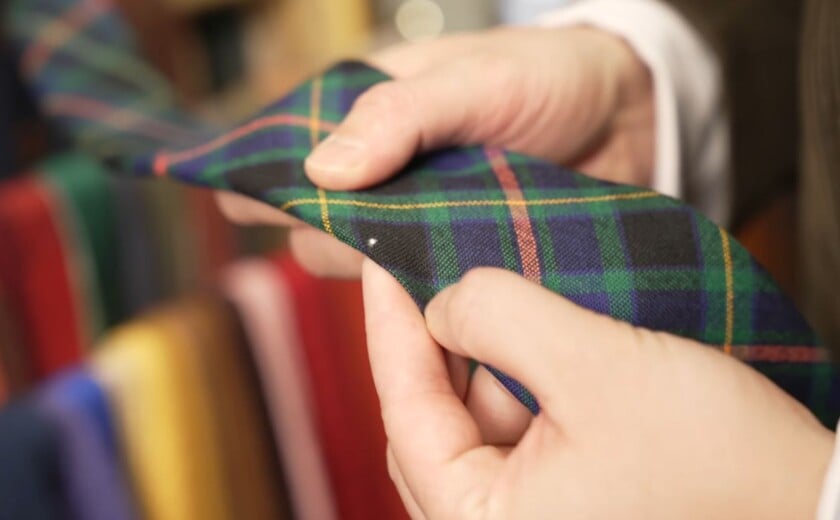
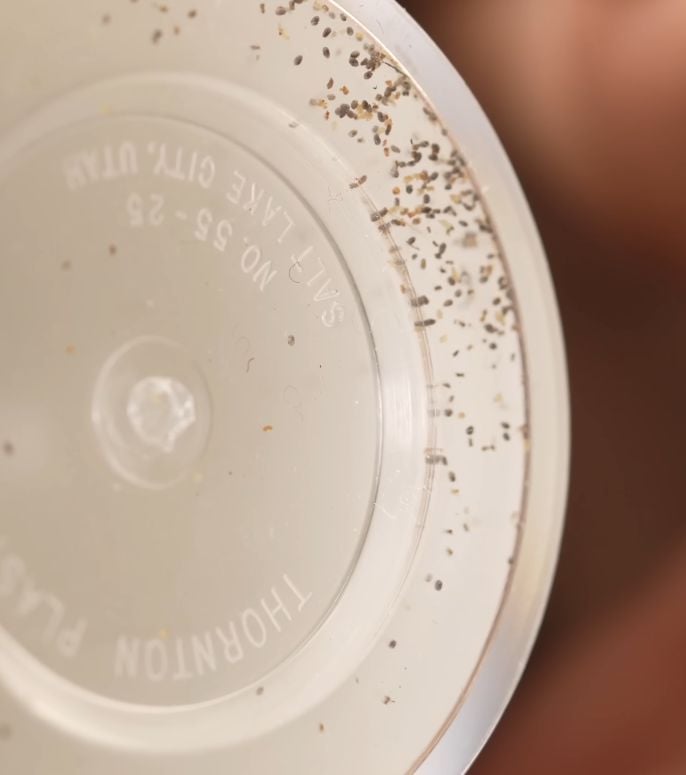
Upon suspecting an infestation, a thorough inspection is paramount. The morning after the first sighting often reveals the true scope of the problem. Closer examination of wool, cashmere, and other animal fiber garments will expose tiny white, rice-shaped moth eggs, often nestled within fabric folds. Active larvae, the true culprits of textile destruction, may also be visible, along with translucent silken webbing and residual cocoons. The most disheartening sign, however, is the appearance of distinct holes in garments, a direct result of larval feeding. This damage often manifests as a powdery white substance or webbing, which, once brushed away, reveals the irreversible harm.
Understanding Moth Behavior and Hiding Spots
A critical aspect of effective clothes moth management is recognizing their unique behavior. Unlike many other moth species that are phototactic (drawn to light), clothes moths are lucifugous (light-fleeing). This means that adult clothes moths actively avoid bright areas, preferring to hide in dark, quiet recesses. If an adult moth is observed flying boldly around a lamp, it is more likely a harmless pantry moth or an outdoor species, not the one responsible for consuming valuable textiles.
Clothes moths are opportunistic scavengers, driven by a biological imperative to seek out keratin, the protein found in virtually all animal-based fibers. This biological drive means infestations are rarely confined to a single closet or wardrobe. Beyond clothing, common breeding grounds and feeding sites include:
- Wool rugs and carpets: Especially underneath furniture or along baseboards.
- Upholstered furniture: The undersides and crevices where dust and shed skin cells accumulate.
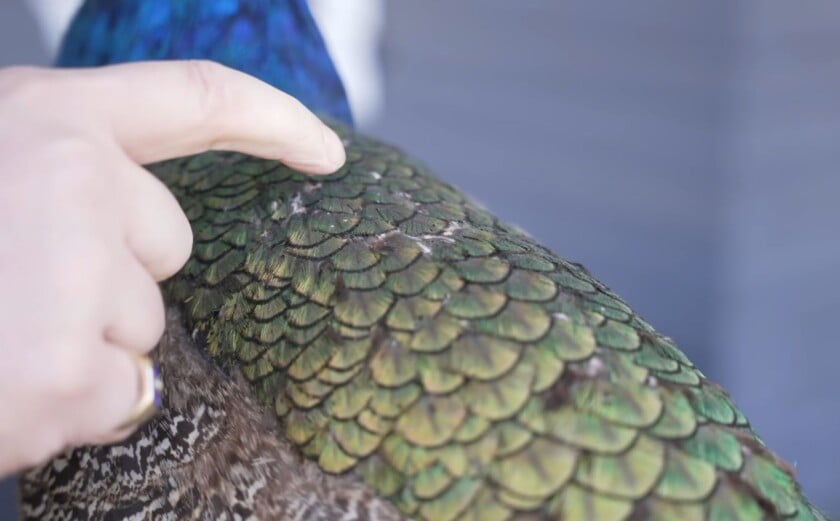
- Taxidermy: Feathers, fur, and felt components are prime targets.
- Pianos: The high-quality wool felt on hammers and dampers provides an ideal, undisturbed food source. A single infestation can result in repair bills exceeding $2,000, far surpassing the cost of many garments.
- HVAC ductwork: Accumulations of dust, pet hair, and human dander in dark ducts can sustain populations.
- Shearling-lined slippers and boots: Often stored in dark closets, these offer both warmth and keratin.
- Hat felts and fur collars: Infrequently worn items are particularly vulnerable.
- Untouched storage areas: Attics, basements, and rarely opened drawers.
The realization that an entire home, not just a wardrobe, can be under attack underscores the complexity of eradication.
The Inadequacy of Common Remedies
In the initial stages of dealing with a clothes moth infestation, many homeowners turn to readily available DIY solutions, often with disappointing results. These methods, while seemingly logical, frequently fall short due to a lack of scientific efficacy against the entire moth life cycle or the sheer scale of an established infestation.
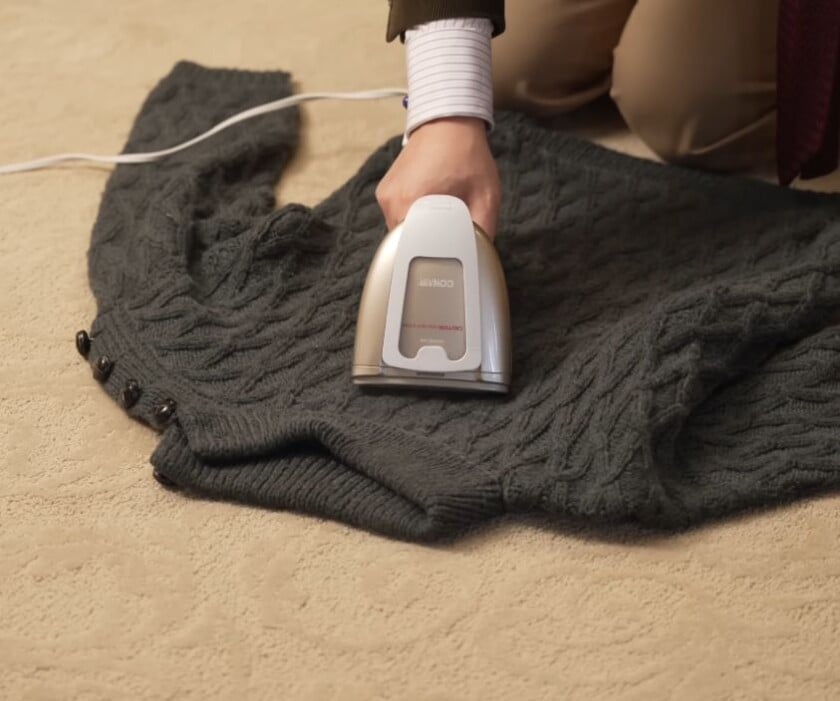
- Vodka Sprays and Steamers: While alcohol can kill larvae on contact and intense heat from a steamer might eliminate surface eggs, these methods suffer from significant limitations. Achieving thorough penetration into thick knit fibers or hidden seams is extremely difficult and time-consuming. Furthermore, they offer no residual protection and fail to address eggs or larvae in inaccessible areas.
- Cedar and Lavender: The notion that the strong scent of cedar or lavender deters moths is a widely held belief. While these natural repellents may have some minor deterrent effect in very high concentrations within airtight containers, they do not kill existing eggs or larvae. In an open closet or room, the vapors quickly dissipate, rendering them ineffective for active infestations. Moths will simply migrate to other, untreated areas of the house.
- Pheromone Glue Traps: These traps are excellent diagnostic tools, indicating the presence of clothes moths by attracting and capturing adult males. However, they are not an eradication solution. Adult clothes moths have atrophied mouthparts and do not feed; their sole purpose is to mate and lay eggs (Mallis, 2011). By the time male moths are caught, they have often already mated, and female moths have laid thousands of eggs. Trapping males does little to halt the ongoing destructive cycle of the larvae. Moreover, many commercially available traps are designed for pantry moths and are ineffective against clothes moths due to species-specific pheromones.
- The Freezing Method: Extreme cold is indeed lethal to clothes moth eggs and larvae. Homeowners in colder climates sometimes place infested items outdoors in winter or invest in dedicated chest freezers. For individual, smaller items, this can be effective if sustained at 0°F (-18°C) or below for at least 72 hours, ideally longer. However, scaling this method for an entire wardrobe, let alone a whole house, presents immense logistical challenges. The limited capacity of freezers and the prolonged treatment time mean that while one batch of clothes is being treated, moths in other parts of the house continue to breed and cause damage.
- Whole-House Heat Treatment: The idea of heating a house to extreme temperatures (e.g., above 130°F / 54°C) to "bake" pests to death is used in some professional pest control scenarios. However, attempting this without specialized equipment can cause severe structural damage to a residential property, including warping wood, peeling wallpaper, and compromising adhesives, making it an impractical and dangerous DIY option.
The Scientific Solution: Biological Control with Parasitic Wasps
The limitations of conventional and DIY methods highlight the need for a more comprehensive and scientifically robust solution. This led to the discovery of biological control agents, specifically Trichogramma wasps, as an ultimate weapon against clothes moth infestations.
Trichogramma wasps are microscopic parasitoids, so tiny they are almost invisible to the naked eye. Crucially, they pose absolutely no threat to humans or pets; they do not sting, bite, or carry diseases (University of Minnesota Extension). Their entire life cycle is dedicated to a single, highly effective biological purpose: locating the eggs of pest insects, including clothes moths, and laying their own eggs inside them. This process, known as parasitism, effectively sterilizes and kills the moth larva before it can hatch and begin feeding on textiles.
Mechanism of Action and Benefits:
- Targeted Eradication: Trichogramma wasps actively seek out moth eggs wherever they are hidden, whether deep within ductwork, behind baseboards, in upholstery, or within the intricate felt mechanisms of a piano. Their ability to access these hidden breeding grounds makes them superior to surface treatments.
- Non-Toxic and Eco-Friendly: Unlike chemical pesticides, Trichogramma wasps are a completely natural and environmentally benign solution. They leave no harmful residues, making them ideal for homes with children, pets, or individuals sensitive to chemicals.
- No Cleanup Required: Due to their minuscule size and short lifespan, dead wasps simply decompose into fine dust, which is easily removed during routine vacuuming and dusting. There is no special cleanup or disposal protocol.
- Breaking the Life Cycle: By targeting the egg stage, these wasps prevent the development of destructive larvae, thereby breaking the moth’s reproductive cycle and ultimately eradicating the infestation at its source.
Deployment and Strategic Application
Trichogramma wasps are typically supplied by specialized entomological companies, such as Arbico Organics, on small paper strips or tabs. Each tab contains thousands of wasp eggs, which hatch shortly after deployment. A single tab is usually sufficient to cover a significant area, often around 3,000 square feet. For widespread or severe infestations, deploying multiple tabs (e.g., six tabs for 18,000 square feet) ensures thorough coverage and maximizes the chance of success.
Placement of these strips should be strategic, focusing on areas of known moth activity: closets, near upholstered furniture, in storage zones, and adjacent to any items containing animal fibers. Given the lead time for shipping live organisms, ordering these wasps immediately upon confirmation of an infestation is crucial to initiating the eradication process without delay. A phased approach to deployment, typically involving new strips every week, 10 days, or two weeks, is recommended to ensure sustained attack against moth eggs that hatch in stages.
Long-Term Prevention: Fortifying the Perimeter
While Trichogramma wasps are highly effective at clearing an active infestation, clothes moths are persistent and opportunistic pests. Re-infestation can occur through various means, such as an open window, a secondhand item, or even hitchhiking on clothing brought in from outside. Therefore, a permanent defense strategy is essential to ensure a moth-free environment.
- Regular Garment Brushing: One of the simplest yet most effective preventive measures is to vigorously brush clothes after every wear, especially wool and cashmere items. Moth eggs are fragile and loosely attached to fibers. Brushing physically dislodges and destroys these microscopic eggs before they can hatch, preventing them from establishing themselves in the wardrobe. High-quality clothes brushes designed to be gentle on fabric but effective at removing debris are ideal.
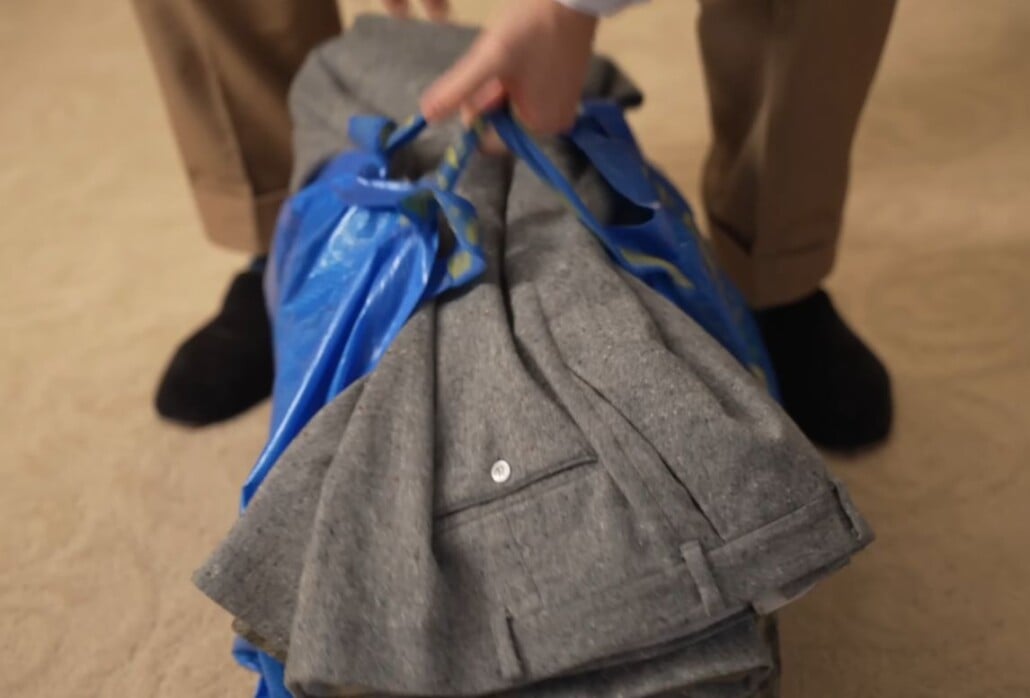
- Breathable Garment Bags: For seasonal items or infrequently worn garments made of natural fibers, physical barriers are indispensable. High-quality, breathable cotton garment bags are superior to dry cleaner plastic bags. Plastic traps moisture, which can lead to fiber degradation, odors, and yellowing. Breathable bags, conversely, allow air circulation while creating a physical mesh barrier too fine for female moths to penetrate, thus preventing egg-laying.
- Consistent Biological Control: To maintain a completely moth-free environment, many experts recommend a "subscription" approach to Trichogramma wasp deployment. Releasing new batches of wasps on a monthly or bi-monthly basis ensures continuous coverage and acts as a proactive defense against any new moth introductions. This sustained biological presence ensures that any newly laid moth eggs are swiftly neutralized, preventing future infestations from taking hold.
The Economic and Environmental Case
The long-term cost of ignoring or inadequately treating a clothes moth infestation far outweighs the investment in effective control measures. Replacing bespoke suits, vintage tweeds, cashmere sweaters, or repairing damaged upholstered furniture and pianos can amount to thousands of dollars. The monthly cost of a Trichogramma wasp subscription, often comparable to a streaming service, offers invaluable peace of mind and protection for valuable textile assets.
Furthermore, the shift towards biological control methods aligns with growing environmental consciousness. Moving away from chemical pesticides like mothballs – which are toxic, leave persistent odors, and can pose health risks – toward natural, targeted solutions like Trichogramma wasps represents a significant advancement in sustainable pest management. This approach minimizes environmental impact while maximizing efficacy against a stubborn household pest.
Conclusion
Protecting a meticulously curated wardrobe and preserving cherished household textiles demands a strategic and scientific approach to clothes moth control. The journey from initial denial to comprehensive eradication often involves learning from the shortcomings of conventional remedies and embracing innovative biological solutions. By combining immediate response protocols, the targeted power of Trichogramma wasps, and diligent long-term prevention strategies, homeowners can effectively break the moth life cycle and safeguard their investments for generations to come.
Frequently Asked Questions
Where do clothes moths come from?
Clothes moths are typically drawn to dark, quiet areas rich in natural fibers, lint, dust, and organic debris. This includes closets, drawers, storage boxes, rugs, upholstery, slippers, taxidermy, felt hats, and other overlooked parts of a home. Once established, they rarely remain confined to a single area.
What are the most common clothes moth species?
The two primary fabric-damaging species are the webbing clothes moth (Tineola bisselliella) and the case-bearing clothes moth (Tinea pellionella). Both are notorious for attacking natural fibers and causing significant wardrobe damage.
What do clothes moth larvae actually eat?
It is exclusively the larvae, not the adult moths, that consume fibers. They feed on keratin-rich animal proteins found in wool, cashmere, felt, fur, feathers, and related organic materials. Dust and human debris can further enhance the attractiveness of these environments.
Do I need to wash all my clothes if I have moths?
Any garment containing animal fibers that was stored in an infested area should ideally be treated. Clothes moth eggs and early-stage larvae are microscopic and often undetectable until damage becomes apparent. Effective treatments include professional dry cleaning, laundering in hot water (at least 120°F / 49°C) for 20-30 minutes, or the freezing method. Vigorous brushing is also highly effective for physically dislodging eggs and larvae from items that cannot be washed.
Are mothballs safe or toxic?
Mothballs are registered pesticides containing potent chemicals like naphthalene or paradichlorobenzene. These chemicals sublimate into a toxic gas. For mothballs to be effective, they must be used in airtight containers where the gas concentration can reach lethal levels. In standard closets, the vapors dissipate, making them ineffective at killing moths and potentially harmful to humans and pets. Their strong, persistent odor is also difficult to remove from fabrics and can cause respiratory irritation or other health issues with prolonged exposure.
Do cedar blocks or cedar hangers really work?
Cedar contains aromatic oils that can act as a mild deterrent, particularly in high concentrations within sealed environments. However, cedar is insufficient to stop an active clothes moth infestation. It does not kill eggs or larvae and will not prevent moths from migrating to other areas of the house. At best, cedar can serve as a supplementary measure in a broader prevention strategy.
Can freezing clothes kill moths?
Yes, freezing can effectively kill clothes moth eggs and larvae on individual garments when performed correctly (e.g., at 0°F / -18°C or below for at least 72 hours). It is a useful tool for treating specific items. However, freezing alone is not a comprehensive solution for a house-wide infestation due to limitations in scale and the continuous life cycle of the pests in untreated areas.
What is the best way to get rid of clothes moths permanently?
The most effective long-term solution combines thorough cleaning and garment treatment with biological control methods, such as the strategic deployment of Trichogramma parasitic wasps, to destroy moth eggs at their source. This should be coupled with ongoing preventive measures like regular garment brushing and proper storage in breathable bags.
Are clothes moths dangerous to humans or pets?
No. Clothes moths (Tineola bisselliella) do not bite, sting, or transmit diseases to humans or pets. They are solely destructive to materials containing keratin, primarily animal-based fibers, posing a threat only to personal property and financial investment.

References
Mallis, A. (2011). Handbook of pest control: The behavior, life history, and control of household pests (10th ed.). Mallis Handbook Company.
O’Connor-Marer, P. J. (2006). Residential, Industrial, and Institutional Pest Control. University of California Agriculture and Natural Resources.
Potter, M. F. (20