









Winston Churchill, a figure etched into the annals of history with the indelible image of a bulldog spirit, defiant speeches, and the omnipresent wisp of cigar smoke, was, at his core, a man of meticulous habits. His formidable public persona and strategic brilliance were, in part, supported by a carefully curated suite of daily objects – his "everyday carry" (EDC). Far from mere accessories, these items formed a personal suit of armor, crafted from precious metals, fine silks, resilient tortoiseshell, and luxurious velvet, each tool serving to reinforce his thought processes, decision-making, and projection of authority. This exploration delves into eight such items, examining their provenance, Churchill’s unique relationship with them, and what they reveal about heritage, quality, and the profound power of ritual in shaping an iconic leader.
The Bedrock of Identity: Heritage and Time
For Churchill, identity was intrinsically linked to his lineage and a profound respect for tradition. Two items in his EDC powerfully underscored this connection: his signet ring and his pocket watch.
The Spencer-Churchill Signet Ring: A Tangible Link to Ancestry
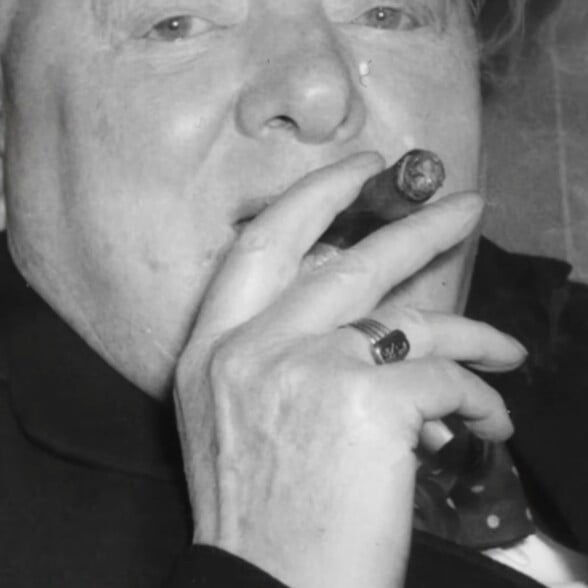
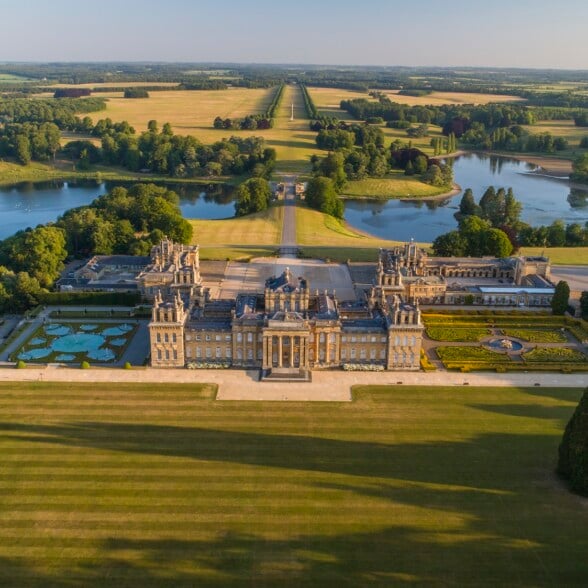
Churchill’s gold signet ring was more than a piece of jewelry; it was a constant, palpable connection to centuries of aristocratic heritage. Likely crafted by Garrard, the esteemed royal jeweler, the ring proudly displayed the Spencer-Churchill arms. This heraldic device was not merely decorative; it was a potent symbol, linking him directly to the illustrious Dukes of Marlborough and to Blenheim Palace, his ancestral home and birthplace. The weight of this history was, quite literally, at his fingertips.

In an era when signet rings were often worn on the pinky finger, a more flamboyant style favored on the European continent and increasingly common today, Churchill made a deliberate choice. He wore his signet ring on the ring finger of his right hand. This particular placement was not for ostentation but signified a more sober, intimate connection to his duty and his heritage. It served as a continuous, physical reminder of the profound historical weight resting upon his shoulders, a silent testament to the responsibilities inherited from his forebears. The ring was a constant, unyielding anchor to his past, informing his present actions and decisions.
"The Turnip": The Breguet Pocket Watch and the Mastery of Time
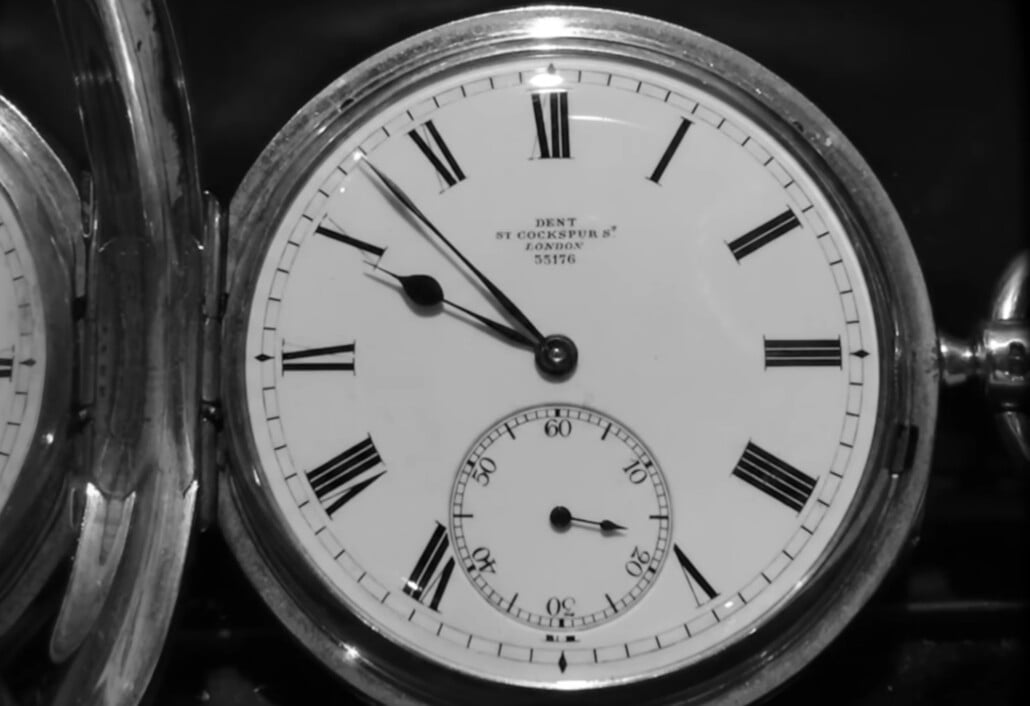
While the early to mid-20th century saw the wristwatch rapidly become the standard timepiece, particularly among military men, Churchill remained steadfastly loyal to the pocket watch. His chosen instrument was a Breguet reference number 765, an exquisite piece equipped with a minute-repeating complication. He affectionately dubbed it "the Turnip," likely due to its substantial and distinctive 18k gold case. This was not a whimsical choice but a serious instrument for a man who understood the critical importance of time. As Churchill himself articulated, "Time is one thing that can never be retrieved. One may lose and regain friends. One may lose and regain money. Opportunity, once spurned, may come again, but the hours that are lost in idleness can never be brought back to be used in gainful pursuits."
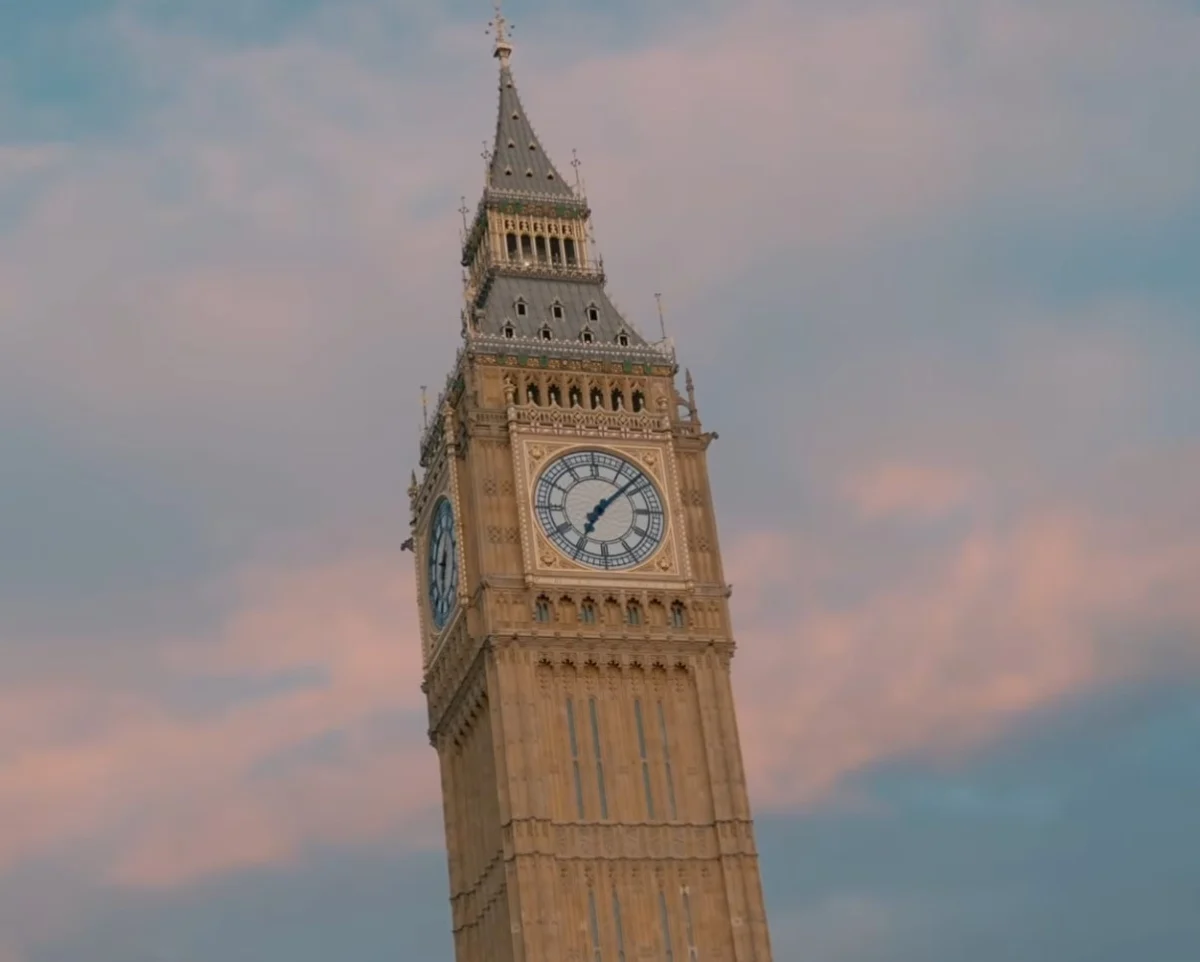
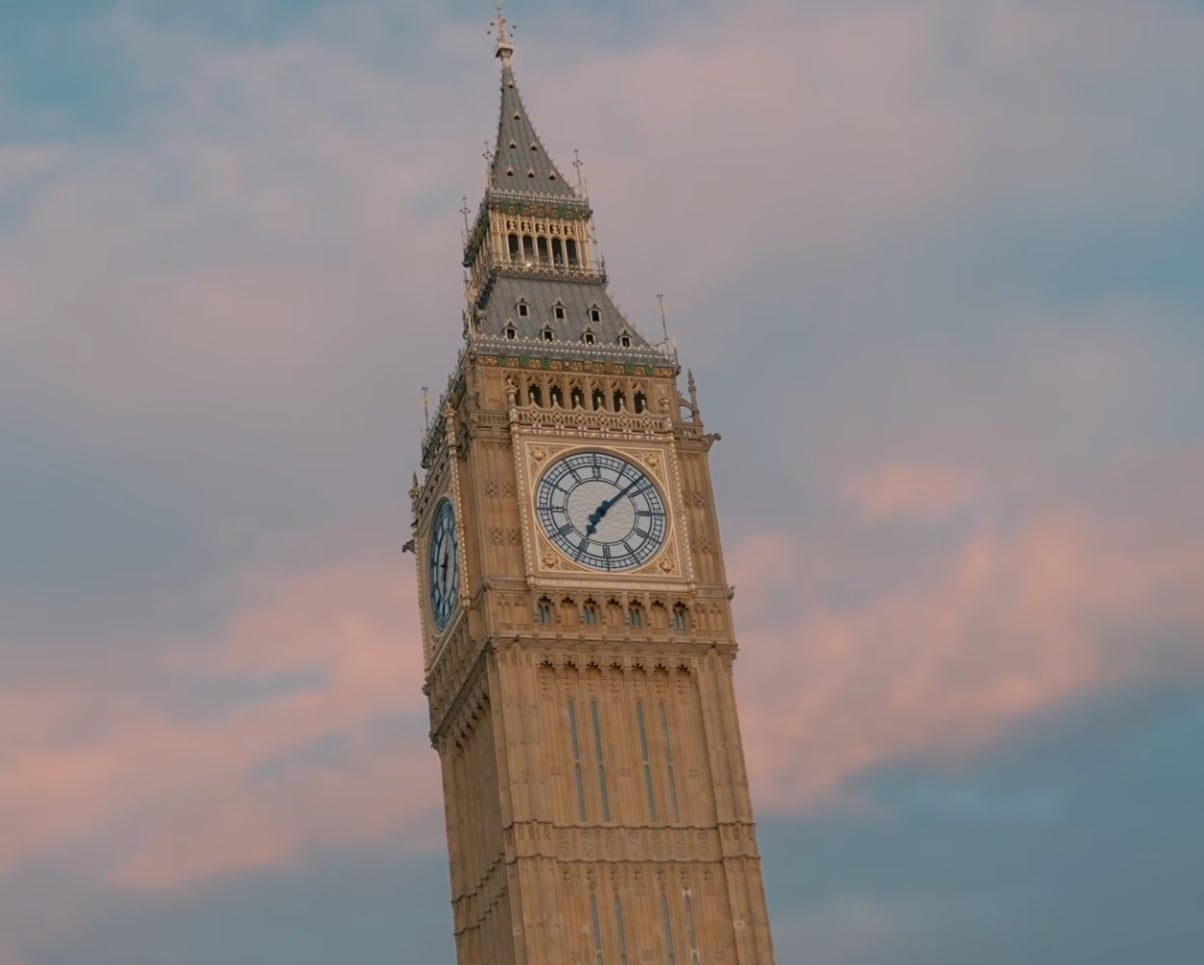
Churchill’s adherence to the pocket watch in a rapidly modernizing world spoke volumes. For a gentleman of his standing, it represented traditionalism and gravitas, distinguishing him from those who might embrace "new-fangled gadgets." The act of consulting his pocket watch was a deliberate, almost ritualistic gesture. Reaching into his waistcoat, drawing out the substantial timepiece, and observing the hands was a methodical process that perfectly suited his meticulous nature. This specific watch, "the Turnip," had its own rich history, originally commissioned in 1890 by John Spencer-Churchill, the 7th Duke of Marlborough, from Dent, the renowned London watchmaker responsible for the Great Clock at Westminster (colloquially known as Big Ben). Upon inheriting it, Winston carried it with immense pride, making it a functional heirloom and a symbol of continuity. The minute-repeating complication, allowing the exact time to be chimed in the dark, was not merely a luxury; it was a vital tool during the blackout conditions of the Blitz, enabling him to track time without illuminating a light.
The Instruments of Command: Public Persona and Communication
Churchill’s leadership was characterized by powerful communication and an unmistakable presence. His choice of cigars and fountain pens were integral to crafting this image and executing his formidable intellectual work.
The Cuban Signature: Romeo y Julieta Cigars
No single accessory is more intimately associated with Winston Churchill than his cigar. It was his ultimate signature, a ubiquitous element of his public image that projected both a hard-charging leader and a man of refined taste. As he famously quipped, "Smoking cigars is like falling in love. First, you are attracted by its shape; you stay for its flavor, and you must always remember never, never to let the flame go out!"
His preferred brands were Cuban, primarily Romeo y Julieta, a marque still thriving today, and the now-defunct La Aroma de Cuba. So profound was his association with Romeo y Julieta that the company’s "Clemenceau" cigar, named after the French Prime Minister, was later permanently renamed the "Churchill" in his honor—a testament to his unparalleled influence on the brand and public perception.
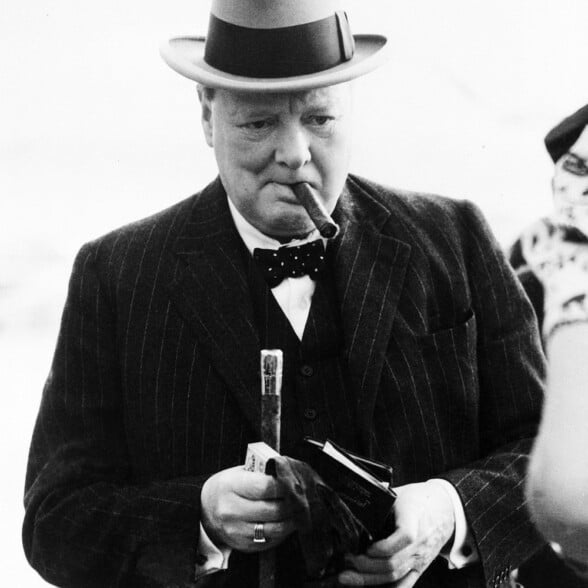
Churchill favored cigars that were long in size and mild in strength. Reports suggest he went through an astonishing eight to ten cigars daily. However, this didn’t always mean smoking them to completion. He often lit a cigar only to be interrupted by pressing matters of state, or he would habitually chew them down to mere nubs. This habit was so pronounced that his wife, Clementine, would sometimes insist he wear a bib to protect his clothing. While his cigars were a public statement, they were also a private comfort and a tool for contemplation. To keep his fingers clean while writing, he even devised a DIY paper wrap, which he endearingly called a "bellybando." This seemingly minor detail underscores his practical ingenuity and his deep integration of cigars into his daily life, both public and private.
The Pen’s Might: British-Made Fountain Pens
Beyond his legendary speeches, Winston Churchill was a prolific writer, authoring numerous books, articles, and countless memos that shaped policy and strategy. He profoundly understood that the pen was indeed mightier than the sword and believed the quality of the writing instrument was as crucial as the thought it conveyed. Unsurprisingly, he championed British craftsmanship, favoring pens from storied manufacturers. In his earlier years, he frequently used pens from Mabie Todd, particularly their elegant "Swan" model. Later, his allegiance shifted to Onoto and Conway Stewart.
These were not disposable items but precise, weighted tools, typically fitted with gold nibs, designed to feel significant and reliable in the hand. Churchill notably favored the Onoto plunger-filler for its generous ink capacity, which allowed him to write lengthy manuscripts without the interruption of frequent refilling – a critical feature for a man whose thoughts flowed as rapidly as ink from his pen. His choice of these pens reflected his appreciation for durability, functionality, and the tactile experience of putting thoughts to paper, reinforcing his image as a man who valued precision and tradition in all his endeavors.
The Emblem of Power: Authority and Distinctiveness
Churchill’s visual presentation was as carefully constructed as his speeches. His choice of headwear and neckwear were not arbitrary but served to enhance his authoritative silhouette and ensure instant recognition.
The Homburg Hat: A Symbol of Statesmanship
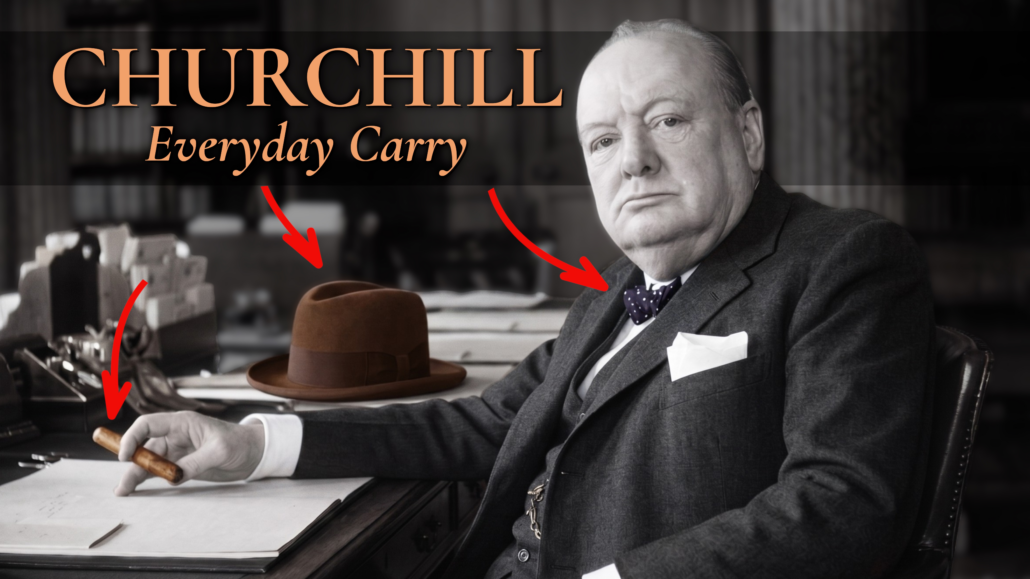
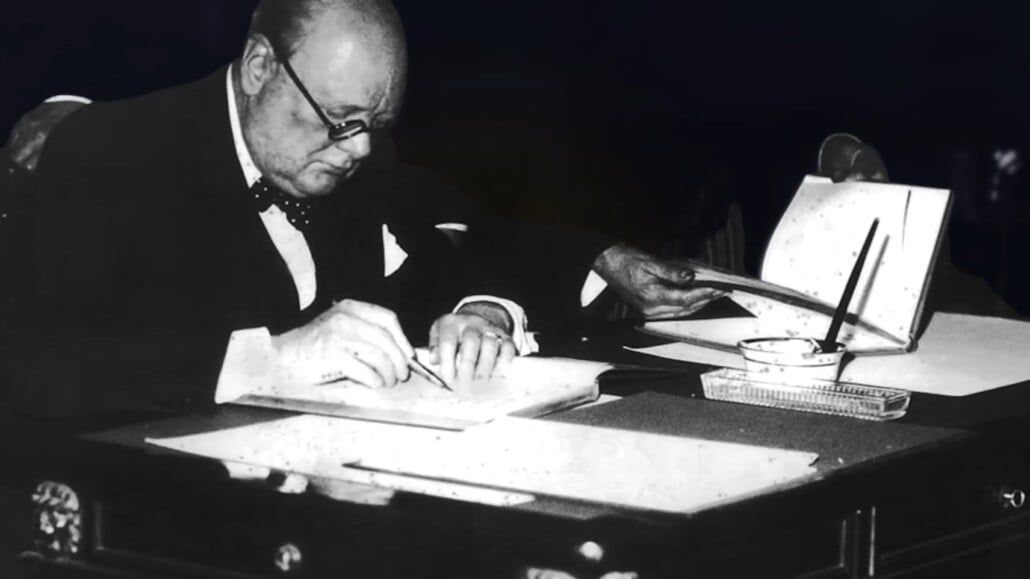
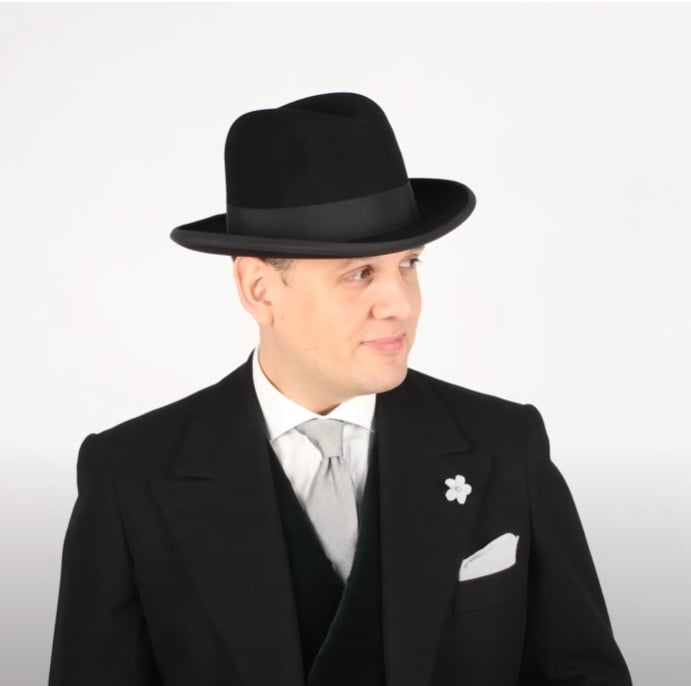
While many American gentlemen of the era opted for the more common fedora, and formal occasions demanded a top hat, Churchill cultivated a distinct preference for the Homburg. This hat, characterized by its rigid, rolled brim and a single lengthwise crease in the crown, originated in Bad Homburg, Germany. Its global popularity, however, was significantly boosted by two prominent British figures: first, Edward VII, who adopted it after vacationing in Bad Homburg in the late 19th century, and then Churchill himself. His near-constant wearing of the Homburg transformed it into an international symbol of British statesmanship and gravitas.
Churchill’s preference for the Homburg over the more pliable fedora was a calculated choice regarding his public silhouette. The fedora, with its pinched front and more casual feel, lacked the gravitas he desired. The Homburg, by contrast, was stiff, structured, and inherently authoritative. It never slouched or lost its shape, commanding respect instantly. It offered the perfect middle ground: serious and dignified without the overt pomp of a top hat, perfectly aligning with his image as a resolute leader during tumultuous times. It became an integral part of his recognizable profile, a silent declaration of his steadfastness and traditional values.
The Navy Spotted Bow Tie: A Flourish of Personality
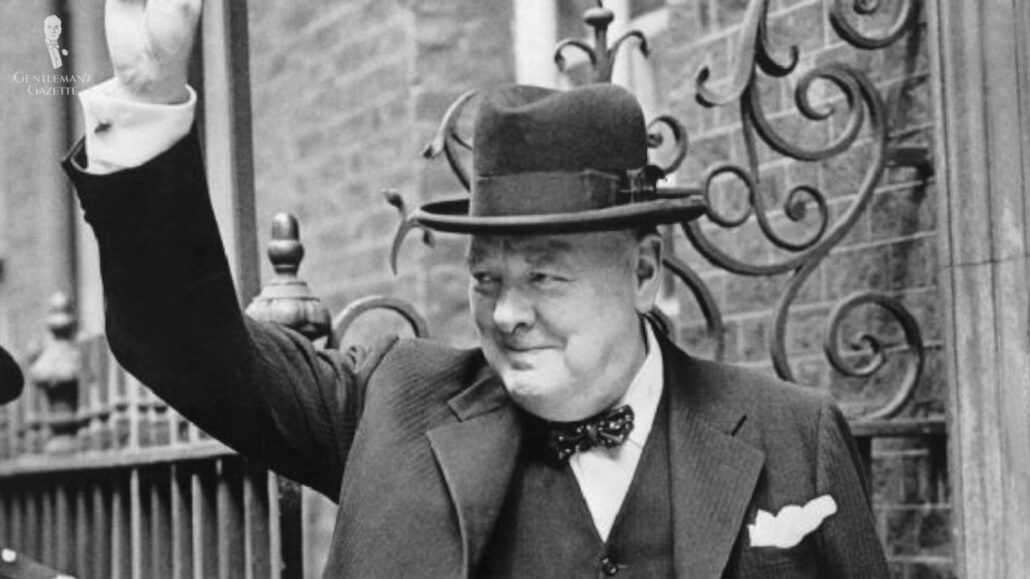
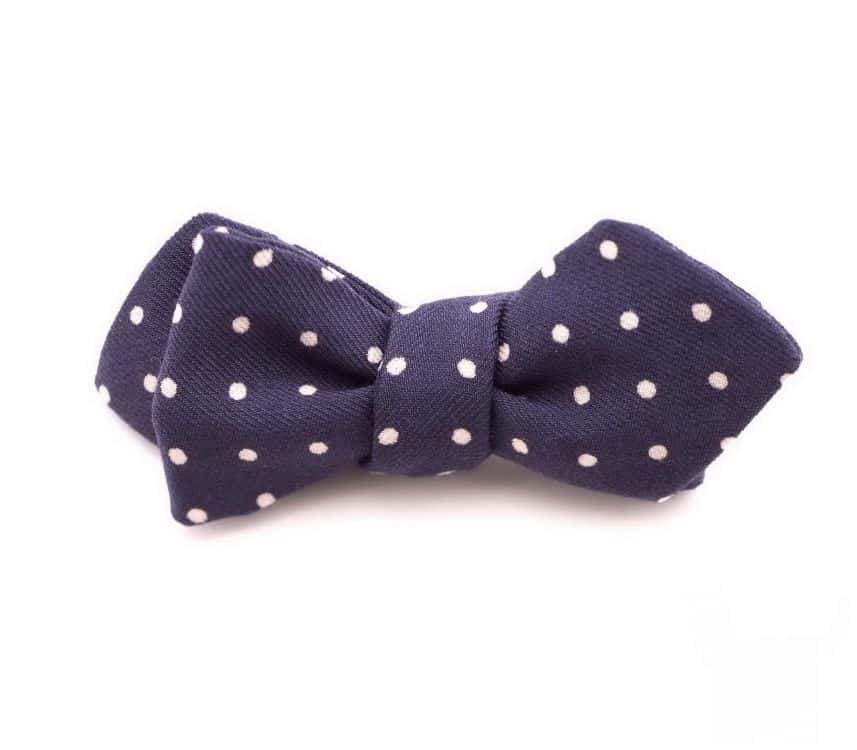
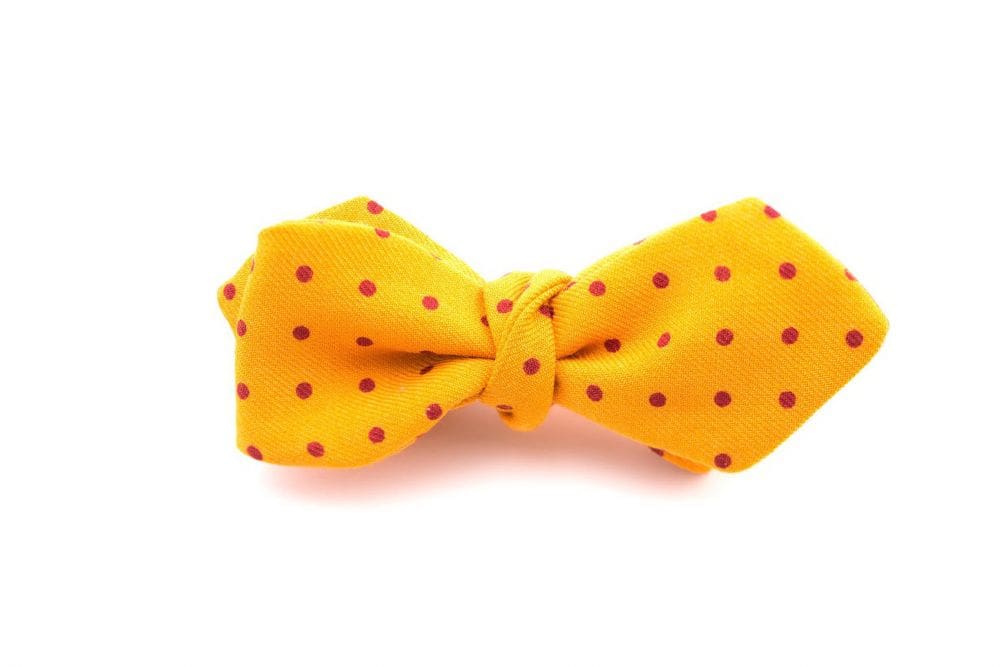
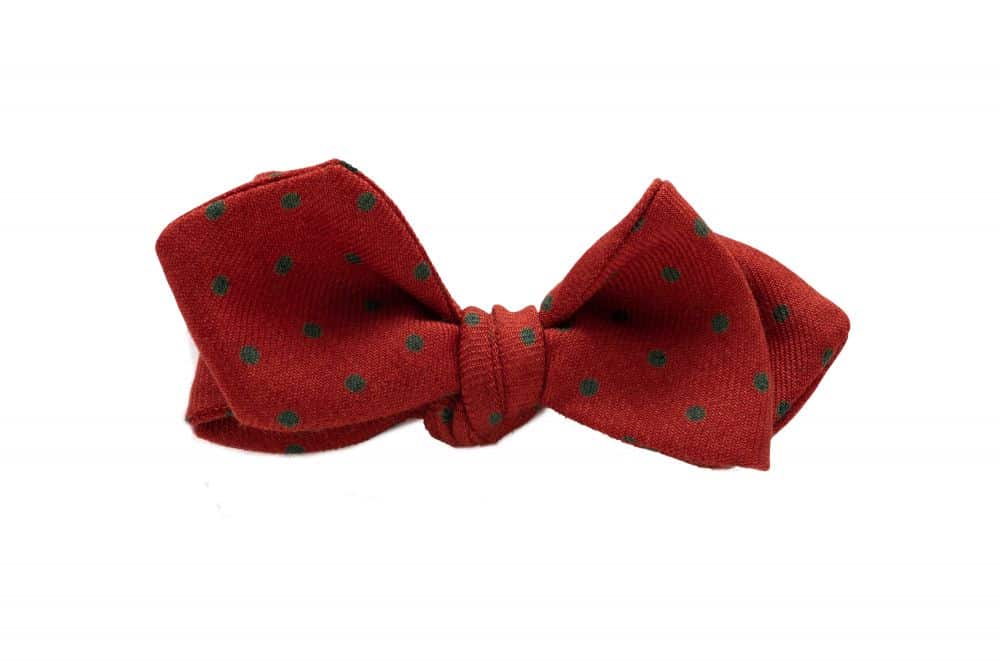
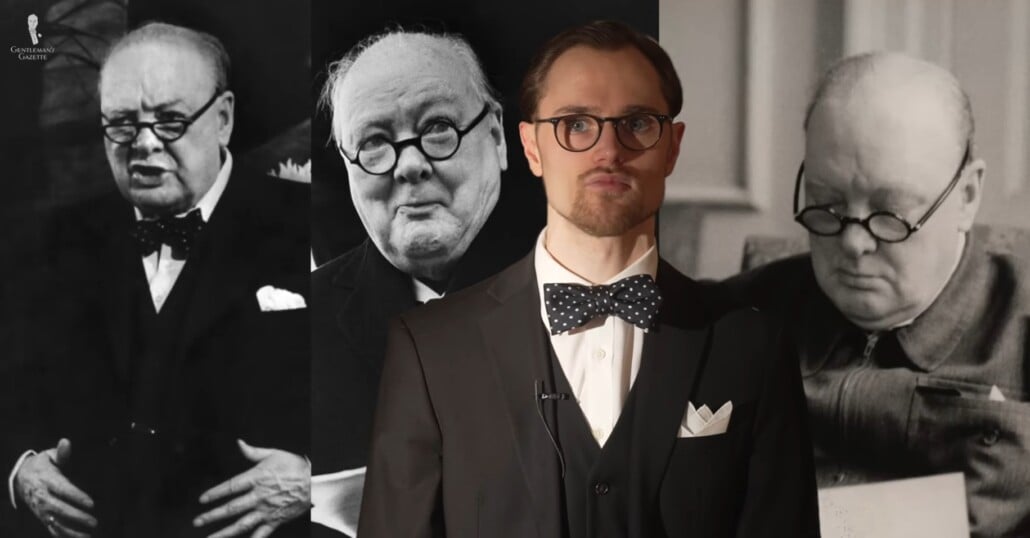
Few sartorial accessories are as uniquely associated with Winston Churchill as his spotted bow tie. Almost invariably, it featured the same pattern: navy blue with white polka dots. This was a conscious, strategic choice. Whether standing in Parliament, being photographed by flashbulbs for newspapers, or filmed for newsreels, the sharp color contrast and memorable pattern made him instantly identifiable to the public. In a sea of somber suits and plain ties, his bow tie acted as a vibrant point of focus and a distinctive flourish of personality, signaling his arrival and asserting his unique presence.
So deeply did this specific pattern become intertwined with his public identity that haberdashers of the time would occasionally market it as the "Blenheim," a direct homage to his ancestral estate. This subtle branding, whether intentional or organic, further solidified his image, turning a simple accessory into an emblem of his extraordinary character and unwavering resolve. It demonstrated his understanding of visual communication long before modern branding existed.
The Inner Sanctum: Private Quarters and Personal Comfort
Even in his private moments, Churchill’s EDC reflected his demand for quality, customization, and a blend of tradition with practical necessity. His spectacles and slippers offer a glimpse into the man behind the public figure.
Specialized Tortoiseshell Spectacles: Tailored Vision
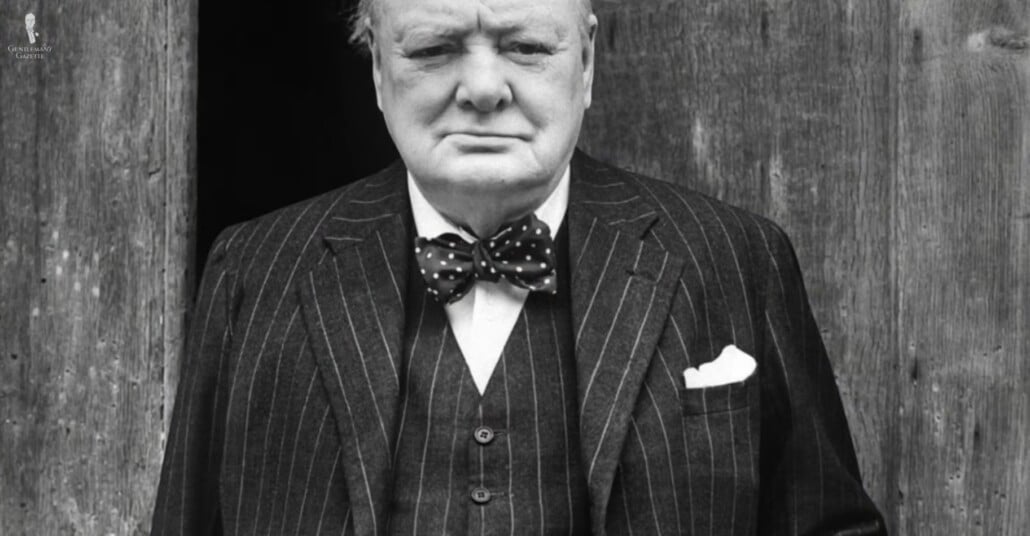
Churchill suffered from poor eyesight, which progressively worsened with age, making eyeglasses an absolute necessity. Yet, he refused to settle for a single, all-purpose pair. Instead, he commissioned specific tortoiseshell frames, primarily from the distinguished firm of C.W. Dixey & Son, to precisely suit his various daily tasks. These were not just functional tools; they maintained a dignified, old-world style that complemented his face and overall appearance.
His eyewear was meticulously organized and customized. To quickly differentiate them, he had the temple tips marked with dots: one dot for his reading glasses and two dots for the pair he used specifically for speechwriting. Other specialized pairs existed for activities like sketching, painting, or playing cards. This level of customization underscores his meticulous attention to detail and his belief that every element of his personal kit, even functional items like spectacles, should be tailored to maximize efficiency and maintain a consistent, distinguished appearance. He treated his eyewear with the same consideration as any other element of his dress, understanding its frequent presence in his public and private life.
Monogrammed Albert Slippers: Comfort with Class
After enduring long, arduous days of managing global crises and navigating the complexities of wartime leadership, Churchill sought refuge and comfort at his country home, Chartwell. There, he would shed the formal attire of state for the familiar embrace of comfortable house shoes. His ultimate preference? Albert slippers.
This distinctive style of house shoe is traditionally crafted with black velvet uppers and a stiffer sole than other slipper types, making it more akin to a dress shoe. They often feature the same grosgrain silk ribbon as the closely related opera pump, but more commonly, the vamp is either plain or adorned with intricate embroidery. The slipper itself is named in honor of Prince Albert, Queen Victoria’s consort, who significantly popularized the style in the mid-to-late 19th century.
Churchill’s Albert slippers were typically conventional yet personalized. His first known pair was a gift from his friend, Lady Diana Cooper, in black velvet with his monogram embroidered in gold. He grew to appreciate the style so much that he commissioned subsequent pairs, generally in deep blue or maroon velvet, embroidered with his initials in either gold or white. Photographs from the era reveal that these were not confined to the strict privacy of his home; on occasion, he was even photographed venturing out in public while wearing them, a testament to his comfort with his personal style and his perhaps defiant embrace of domestic comfort in a public sphere. These slippers represented a blend of aristocratic tradition, personal comfort, and a subtle, yet unmistakable, touch of individualized luxury.
Implementation and Payoff: Lessons from Churchill’s EDC
Winston Churchill’s everyday carry items were more than personal effects; they were extensions of his character, strategic choices that underpinned his public persona, and practical tools that facilitated his extraordinary work. From the signet ring that anchored him to his heritage to the personalized fountain pens that articulated his vision, each item contributed to the composite image of a leader both steeped in tradition and fiercely individualistic.
What the modern observer can glean from Churchill’s EDC is the quiet power of intentionality. His choices emphasized:
- Heritage and Continuity: Items like the signet ring and inherited pocket watch reinforced his connection to a rich past, providing a psychological bedrock in times of immense change.
- Quality and Craftsmanship: He consistently opted for well-made, durable items from reputable manufacturers, reflecting a belief in investing in tools that would serve reliably and aesthetically.
- Ritual and Deliberation: The methodical act of using a pocket watch or a fountain pen, or even the process of selecting a cigar, instilled a sense of order and purpose in his daily routine.
- Personal Branding: His Homburg hat and polka-dot bow tie were conscious sartorial statements that made him instantly recognizable and projected a distinctive image of authority and individuality.
- Functional Customization: His specialized spectacles demonstrated a practical approach to addressing personal needs while maintaining a dignified style, optimizing his tools for specific tasks.
- Comfort and Personal Space: Even his Albert slippers, while a mark of private comfort, occasionally blurred the lines into public life, showcasing a man comfortable in his own skin and personal choices.
Churchill’s EDC was not merely a collection of objects; it was a carefully constructed personal ecosystem that supported his legendary leadership and contributed to his enduring legacy. It serves as a compelling reminder that even the smallest, most personal items can play a significant role in defining an individual and their impact on the world. His choices reflect a deliberate approach to life, where even the seemingly mundane details were imbued with purpose and meaning, contributing to the formidable persona of one of history’s greatest statesmen.
Frequently Asked Questions
-
What was the specific brand and model of Churchill’s pocket watch? Churchill carried a Breguet reference number 765, which he nicknamed "the Turnip" due to its large, bulbous 18k gold case. It featured a complex minute-repeating complication that allowed him to chime the exact time in the dark—a vital tool during the Blitz.
-
Why did Winston Churchill always wear a polka-dot bow tie? His choice of a navy blue bow tie with white polka dots was a strategic branding move. The sharp contrast made him instantly recognizable in black-and-white newspaper photos and newsreels. It became so iconic that the pattern is still referred to by haberdashers as the "Blenheim" print.
-
Did Churchill actually smoke every cigar he carried? While he was famous for having a cigar almost constantly, he didn’t always smoke them. He reportedly went through eight to ten cigars a day, but he often chewed them into nubs or let them go out while working. To keep his fingers clean while writing, he used a DIY paper wrap he called a "bellybando."
-
What was unique about the way Churchill wore his signet ring? Unlike many who wear signet rings on the pinky finger (the Continental style), Churchill wore his on the ring finger of his right hand. The ring bore the Spencer-Churchill family crest and served as a constant physical reminder of his ancestral heritage.
-
What was the purpose of the "dots" on Churchill’s spectacles? Churchill had specialized tortoiseshell frames for different tasks. To tell them apart quickly, he had the temple tips marked with dots: one dot denoted his reading glasses, while two dots identified the pair used for speechwriting.
-
What are "Albert Slippers" and did Churchill really wear them in public? Albert slippers are velvet house shoes with a quilted lining and leather sole, named after Prince Albert. Churchill’s pairs were typically navy or maroon velvet with his initials embroidered in gold. While designed for the home, he was occasionally photographed wearing them during public appearances.
-
What kind of fountain pen did Churchill use to write his speeches? He was a loyal supporter of British craftsmanship, favoring pens from Mabie Todd (the "Swan"), Onoto, and Conway Stewart. He specifically preferred the Onoto plunger-filler for its large ink capacity, which allowed him to write lengthy manuscripts without interruption.