






The world of perfumery, often perceived as an abstract art form, is meticulously categorized to help consumers navigate its vast olfactory landscape. Among the most frequently discussed and sometimes conflated scent families are fruity, citrus, and gourmand fragrances. While they all offer distinct sensory experiences, understanding their individual characteristics is key to appreciating the complexity and artistry involved in fragrance creation. Jean-Marc Chaillan, Vice President and Perfumer at International Flavors & Fragrances (IFF), a leading global supplier of scents and flavors, provides expert insights into these popular fragrance categories, clarifying their definitions and exploring their unique contributions to the art of perfumery.
The Distinctive Identities of Fruity, Citrus, and Gourmand Scents
The perceived overlap between fruity, citrus, and gourmand fragrances often stems from their shared ability to evoke pleasant sensations, sometimes linked to edible delights. However, as Chaillan elucidates, these categories are far from interchangeable.
Citrus Fragrances: The Essence of Brightness and Energy
Citrus scents are defined by their invigorating and zesty notes, primarily derived from fruits like bergamot, lemon, grapefruit, and mandarin. These components are renowned for their ability to create an immediate impression of brightness, cleanliness, and vibrant energy. Chaillan describes citrus fragrances as possessing a "sparkling, uplifting identity." This characteristic makes them perennial favorites, particularly for daytime wear and warmer seasons, as they convey a sense of freshness and vitality. The inherent volatility of citrus oils means these notes tend to be top notes, offering an initial burst of aroma that quickly captivates the senses. Historically, citrus notes have been a cornerstone of perfumery, forming the basis of classic colognes and Eau de Toilette formulations, valued for their clean and refreshing impact.
Fruity Fragrances: Succulence, Modernity, and Approachability
In contrast to the sharp zest of citrus, fruity fragrances are characterized by a "succulent, mouthwatering character," as described by Chaillan. These scents aim to create an immediate sense of pleasure, modernity, and approachability. Fruity notes are employed to add volume and dimension to a fragrance, offering a richer, often sweeter, and more playful olfactory profile than their citrus counterparts. The spectrum of fruity notes is extensive, ranging from the tartness of berries to the lushness of tropical fruits and the crispness of orchard fruits.
Innovations within the fruity fragrance sector are continually expanding the perfumer’s palette. Chaillan highlights a significant development from IFF: the introduction of natural passionfruit and raspberry into their natural ingredients repertoire. This advancement allows for the incorporation of more nuanced and authentic fruit aromas into fine fragrances, moving beyond synthetic approximations and offering new dimensions of fruitiness. This evolution signifies a trend towards greater realism and complexity in fruity compositions, appealing to a modern consumer base seeking sophisticated yet accessible scents. The accessibility and inherent pleasantness of fruity notes contribute to their widespread popularity across various demographics, often associated with a youthful and optimistic persona.
Gourmand Fragrances: Indulgence, Comfort, and Emotional Connection
The gourmand category stands apart by its deliberate evocation of edible delights, offering an experience of "indulgence and comfort," according to Chaillan. These fragrances are built around notes that are typically found in desserts and sweet treats, such as vanilla, caramel, chocolate, coffee, and praline. Unlike the bright effervescence of citrus or the juicy sweetness of fruity compositions, gourmand scents are defined by their "richness and addictive warmth."
Chaillan emphasizes that gourmand fragrances create an "emotional connection that feels both comforting and irresistible." They tap into the pleasure of taste through scent, delivering a sensory experience that is textured, deep, and often long-lasting. This psychological appeal, linked to nostalgic memories of comfort food and sweet indulgences, makes gourmand scents particularly potent in creating a sense of well-being and security. The development of gourmand fragrances gained significant traction in the late 20th and early 21st centuries, reflecting a broader cultural appreciation for sensory pleasures and a desire for olfactory experiences that offer a tangible sense of warmth and luxury. The complexity of these notes, often requiring careful blending to avoid becoming overly cloying, showcases the perfumer’s skill in balancing richness with sophistication.
Enhancing the Longevity of Fruity Fragrances
A common concern among fragrance enthusiasts is the longevity of certain scent profiles, particularly fruity perfumes. Chaillan addresses this by explaining that fruity fragrances often have a reputation for dissipating more quickly due to the nature of their constituent notes. Fruit notes are typically concentrated in the top and middle layers of a fragrance, which, by their chemical structure, tend to evaporate faster than the heavier base notes.
To address this perceived limitation and enhance the wear time of fruity perfumes, several strategies can be employed. One effective method is layering, a technique popular in perfumery for building olfactory complexity and extending scent duration. This involves using complementary scented products, such as a body lotion or moisturizer infused with the same fragrance profile, or even an unscented moisturizer to create a smooth canvas for the perfume. Chaillan notes that "moisturized skin absorbs scent better," providing a more receptive surface for the fragrance molecules to adhere to and release gradually.
Furthermore, the concentration of the fragrance itself plays a crucial role in its longevity. Fragrances are typically categorized by their concentration of aromatic compounds, which directly impacts their intensity and duration. An Eau de Cologne (EDC) or Eau de Toilette (EDT) contains a lower percentage of perfume oils and will therefore fade faster. In contrast, an Eau de Parfum (EDP) or a Parfum (also known as Extrait de Parfum) has a higher concentration of oils, resulting in a more potent and longer-lasting scent. For those prioritizing extended wear, opting for higher concentrations of fruity fragrances, or layering them with matching body products, is a practical approach to enjoying their vibrant notes throughout the day. The evolution of fragrance formulations has also seen advancements in encapsulation technologies, designed to release fragrance molecules over time, further improving the longevity of even lighter scent profiles.
Allure’s Rigorous Testing and Review Methodology
The insights provided by experts like Jean-Marc Chaillan are invaluable, but their practical application and the selection of exceptional fragrances are often guided by thorough product testing and review processes. Allure, a prominent beauty publication, employs a comprehensive methodology to evaluate products, ensuring that their recommendations are well-informed and serve the best interests of their readership.
The Allure editorial team scrutinizes products from multiple perspectives, a process that extends beyond simple sensory appraisal. Their evaluation encompasses a detailed examination of ingredients, assessing their quality, efficacy, and adherence to established safety standards. Brand claims are rigorously scrutinized to ensure they are substantiated by evidence. Where relevant, peer-reviewed scientific and medical studies are consulted to provide a factual basis for product performance and ingredient benefits.
Beyond theoretical analysis, each product undergoes extensive in-person testing. This hands-on evaluation allows editors to assess performance in real-world conditions. To further enhance the credibility of their reviews, Allure collaborates with a diverse panel of experts who shape their respective fields, including dermatologists, cosmetic chemists, and medical professionals. These specialists contribute their knowledge to vet ingredients and formulations, offering a layer of scientific and technical validation.
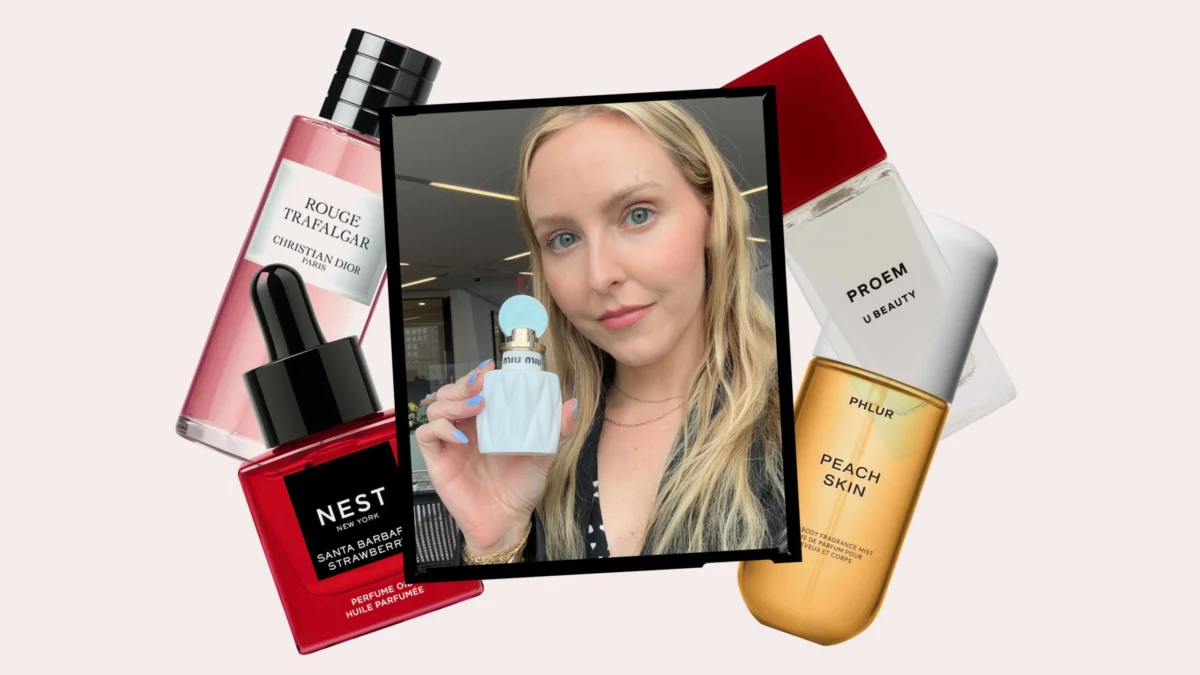
For the specific category of best fruity perfumes, Allure‘s testing protocol focuses on five primary performance categories: product ingredients and efficacy, packaging, fragrance, texture, and product wear. Each product included in their recommendations is determined to have excelled across all these benchmarks by their editorial team. This team comprises in-house writers and editors, as well as external contributors, and benefits from the specialized input of fragrance experts. This multifaceted approach ensures that the curated lists reflect not only aesthetic appeal but also quality, performance, and adherence to scientific principles. The publication’s commitment to transparency is further underscored by their readily available reviews process and methodology page, which offers detailed information on their reporting standards and testing procedures.
The Importance of Diverse Perspectives in Product Evaluation
The commitment to comprehensive testing is intrinsically linked to the recognition that beauty products are deeply personal purchases. Allure understands that what constitutes "best" is subjective and highly dependent on individual needs, preferences, and biological characteristics. To truly serve a diverse audience, the publication emphasizes the importance of a diverse team of writers, editors, and external testers.
This diversity spans a wide spectrum, encompassing different ages, skin tones, hair textures, genders, and backgrounds. The rationale is straightforward: a product cannot be definitively declared "best" for a particular demographic if it has not been tested by individuals within that group. For instance, a skincare product marketed towards mature skin would be inadequately assessed if its testers were exclusively young adults. Similarly, a hair product’s efficacy on curly textures could not be reliably judged without input from individuals with curly hair.
Allure‘s pride in its staff’s broad representation is a testament to its dedication to fairness and accuracy in product assessment. By engaging a wide array of testers and industry experts, Allure aims to provide recommendations that resonate with and accurately reflect the experiences of its entire readership, ensuring that consumers can make informed choices with confidence, regardless of their unique concerns or requirements. This inclusive approach to testing is fundamental to building trust and delivering genuinely useful content in the competitive beauty landscape. The continued exploration of scent profiles, from the vibrant zest of citrus to the comforting embrace of gourmand, alongside rigorous evaluation methodologies, underscores the dynamic and consumer-centric evolution of the fragrance industry.