











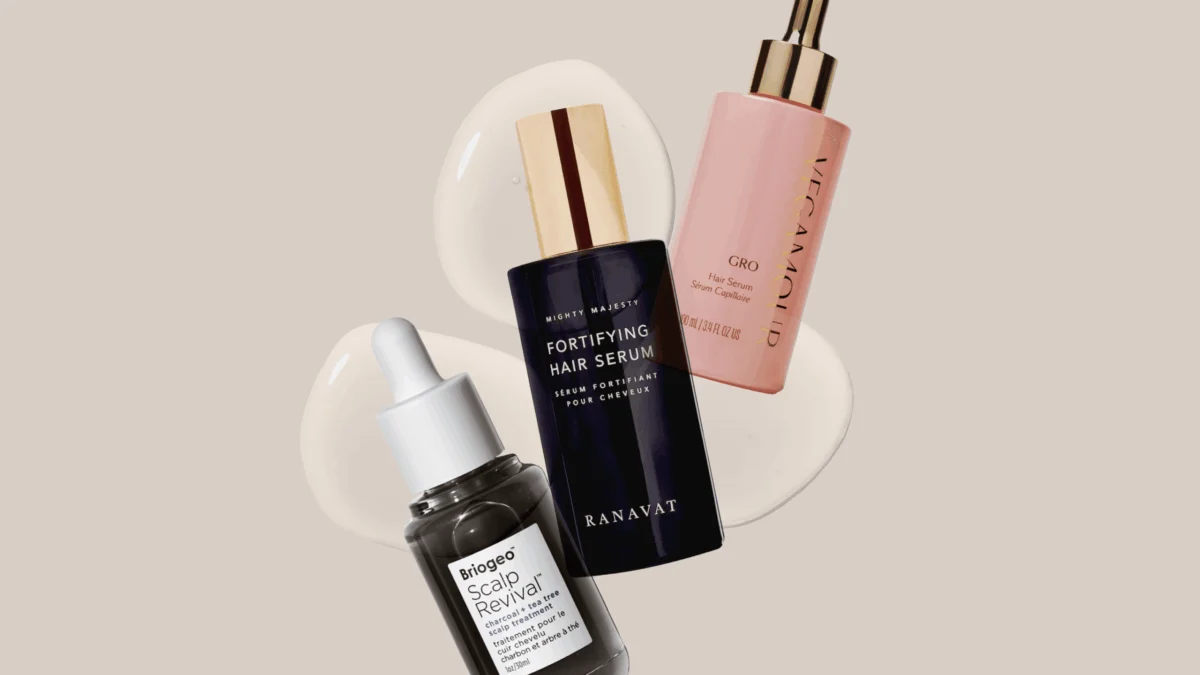
The pursuit of thicker, fuller hair has led many to explore the burgeoning market of hair growth serums. While expectations are often high, understanding the science behind these products and what constitutes an effective formula is crucial for consumers. Dermatologists emphasize that a successful hair growth serum should aim to reduce shedding, increase hair diameter, prolong the hair’s growth phase, combat scalp inflammation, and maintain a gentle approach to the scalp. Key ingredients frequently recommended by experts include rosemary oil, amla oil, caffeine, green tea, and coconut oil, all of which have demonstrated potential in enhancing hair strength, promoting growth, and mitigating damage.
Dr. Shereene Idriss, a dermatologist, notes that many underlying causes of hair loss, such as androgenic alopecia and telogen effluvium, are influenced by dihydrotestosterone (DHT). This hormone can bind to hair follicles, leading to their shrinkage. "With androgenic alopecia, we typically prescribe medications that block DHT, an enzyme that causes hair loss," explains Dr. Idriss. "However, there are many natural DHT blockers to look out for, such as saw palmetto and zinc." For instance, zinc can be found in formulations like The Ordinary’s Multi-Peptide Serum. Dr. Dendy Engelman, another dermatologist, echoes this sentiment, suggesting that consumers look for active ingredients like biotin and caffeine, which are known to bolster hair strength and stimulate growth.
The Scientific Basis of Hair Growth Serums
The efficacy of hair growth serums is a topic of considerable interest, particularly given that many formulations contain non-medicated ingredients, meaning they do not require a prescription. Dr. Idriss points out the challenge in definitively ascertaining the efficacy of many serums due to a limited number of rigorous, randomized controlled clinical trials. However, anecdotal evidence and clinical observations by dermatologists like Dr. Engelman suggest that these products can indeed be beneficial when used as directed. "Ingredients like biotin and caffeine support the scalp’s environment, helping nourish hair follicles, which can result in denser, stronger hair over time," Dr. Engelman elaborates. This underscores the importance of adhering to product instructions, as proper application is often key to achieving desired outcomes.
The mechanism by which these ingredients work is rooted in their ability to nourish the hair follicle and create an optimal environment for growth. Biotin, a B vitamin, plays a vital role in keratin production, a protein that forms the building block of hair. Caffeine, on the other hand, is believed to improve blood circulation to the scalp, thereby delivering more nutrients and oxygen to the hair follicles. This enhanced circulation can stimulate follicle activity and promote a longer anagen (growth) phase of the hair cycle. Furthermore, ingredients like green tea contain antioxidants that can protect the scalp from oxidative stress, which can contribute to hair follicle damage and premature aging.
Essential Oils: A Natural Approach to Hair Health
Essential oils have also garnered attention for their potential to support hair growth. Omer Ibrahim, MD, a board-certified dermatologist in Chicago, suggests that while their precise mechanisms are still under investigation, theories propose that essential oils may enhance blood flow to the scalp, a critical factor in promoting hair growth. "Another theory is that by simply improving the health of the scalp by providing essential fatty acids to the hair follicles, essential oils help hair grow out healthier to give the appearance of thicker hair and also create a fertile ground for hair growth," Dr. Ibrahim states. Additionally, he posits that oils with inherent anti-inflammatory properties can contribute to a healthier scalp microbiome, which is essential for robust hair growth.
While many essential oils show promise, their effectiveness can vary. Common oils explored for hair growth include:
- Rosemary Oil: Often compared to minoxidil (a common hair loss medication), studies have suggested rosemary oil can be as effective in promoting hair growth while potentially causing fewer side effects like itching. Its ability to improve circulation is a primary mechanism.
- Peppermint Oil: Known for its invigorating properties, peppermint oil can increase the depth and number of hair follicles, leading to thicker hair. It also possesses vasodilating effects, enhancing blood flow to the scalp.
- Lavender Oil: Beyond its calming scent, lavender oil has shown potential in promoting cell growth and reducing stress, both of which can indirectly benefit hair health. It may also have antimicrobial properties that contribute to a healthier scalp.
- Tea Tree Oil: With its potent antimicrobial and antifungal properties, tea tree oil can help address scalp conditions like dandruff and inflammation, which can impede hair growth. However, it should always be diluted before application due to its potency.
It is crucial to note that essential oils are highly concentrated and must be diluted with a carrier oil, such as jojoba oil, coconut oil, or almond oil, before being applied to the scalp. Undiluted application can lead to irritation, allergic reactions, or burns.
Timeline for Visible Results
Patience is a recurring theme when discussing hair growth serums. Dr. Engelman advises that most users can expect to see noticeable improvements, such as a reduction in shedding and the emergence of new hair, after approximately three months of consistent application. Dr. Idriss concurs, emphasizing that hair growth serums require time to demonstrate their full potential. "I would use a serum for at least three months before deciding if it’s working or not," she recommends. This timeframe aligns with the natural hair growth cycle, which involves distinct phases of growth, rest, and shedding. It takes time for the ingredients in a serum to penetrate the scalp, nourish the follicles, and stimulate new growth that becomes visible.
The hair growth cycle can be broken down into three main phases:
- Anagen (Growth Phase): This is the active phase where hair cells divide, and hair grows from the root. It can last anywhere from 2 to 7 years.
- Catagen (Transitional Phase): A short phase that lasts about 2-3 weeks, during which hair follicles shrink and detach from the blood supply.
- Telogen (Resting Phase): This phase lasts for approximately 3 months, during which the hair rests before eventually shedding.
Given that hair grows on average about half an inch per month, seeing significant visible changes requires the hair to go through at least one full cycle of stimulation and growth, which typically takes several months.
Product Testing and Review Methodology
The evaluation of hair growth serums, like many beauty products, involves a rigorous testing process to ensure recommendations are well-founded. For hair-care products, this process often requires a diverse group of testers to account for the wide spectrum of hair types, textures, lengths, and concerns. Unlike some other beauty categories where testers might be more generalized, hair products are frequently formulated to address specific needs, such as dandruff, breakage, or to cater to particular hair textures like 4C curls or fine, wavy hair.
In the case of hair growth serums, the review process typically involves multiple editors, writers, contributors, and dermatologists. These individuals assess the products across four primary categories: efficacy (how well the product performs its intended function), texture and experience (how the product feels and is applied), fragrance, and packaging. This multi-faceted approach ensures that the recommendations provided are comprehensive and consider the user experience from multiple perspectives. The methodology employed by reputable publications often includes detailed explanations of their review process, providing transparency to consumers about how products are evaluated and ranked.
The Importance of a Diverse Testing Panel
The efficacy of a beauty product is inherently personal, influenced by individual biology, hair type, and specific concerns. Recognizing this, publications often highlight the diversity of their testing panels. This diversity can span a wide range of ages, skin tones, hair textures, genders, and backgrounds. For instance, a hair growth serum recommended for its effectiveness on thinning hair should ideally be tested by individuals experiencing various degrees and causes of hair thinning, across different hair types. Similarly, a product designed for curly hair should undergo evaluation by individuals with diverse curl patterns.
This commitment to a diverse testing panel ensures that recommendations are not biased towards a narrow demographic. It allows for a more accurate assessment of how a product performs across a broader audience, increasing the likelihood that consumers will find a product that meets their specific needs. This inclusive approach is fundamental to providing reliable and trustworthy beauty advice, ensuring that the "best" product is truly the best for a wide array of users.
Broader Implications and Future Directions
The growing interest in hair growth serums reflects a broader societal emphasis on appearance and self-care. As scientific understanding of hair biology advances, so too will the sophistication of these products. The integration of advanced biotechnological ingredients, personalized formulations based on genetic predispositions, and a deeper understanding of the scalp microbiome are likely to shape the future of hair growth solutions.
Furthermore, the increasing consumer demand for natural and sustainable ingredients is driving innovation in the field. Brands are investing in research and development to identify and ethically source potent botanical extracts and oils that offer proven benefits without compromising environmental integrity.
The continued dialogue between dermatologists, trichologists, and consumers will be vital in navigating this evolving landscape. Education about the underlying causes of hair loss and the scientific mechanisms of different treatments empowers individuals to make informed decisions. As research progresses and more robust clinical data becomes available, the efficacy and application of hair growth serums are expected to become even more refined, offering greater hope and tangible results for those seeking to enhance their hair’s health and appearance. The journey towards fuller, healthier hair is a testament to the ongoing synergy between scientific discovery and consumer aspiration.