










London’s esteemed Somerset House has unveiled Holy Pop!, a groundbreaking exhibition that meticulously explores the profound, almost spiritual, dimensions of modern fandom. Opening on May 27, 2026, and running until August 9, 2026, the exhibition invites visitors to delve into the private shrines and public memorials dedicated to some of the most revered figures in contemporary culture, from the King of Rock and Roll, Elvis Presley, to the enigmatic Prince, and pop sensation Britney Spears. Through an eclectic collection of artworks, fan-donated artifacts, and evocative photography, Holy Pop! posits that in an increasingly secularized world, pop stars have ascended to a new pantheon, inspiring devotion, community, and personal meaning akin to traditional religious veneration.
The Sacred and the Secular: A New Relic System
The exhibition’s premise is ingeniously framed by drawing parallels to the Roman Catholic Church’s hierarchical system for categorizing holy relics. In this traditional framework, a first-class relic comprises the mortal remains of a saint, such as the skull of Saint Catherine of Siena. A second-class relic is an object intimately used or worn by a saint, acquiring sanctity through direct contact, exemplified by the revered Turin Shroud. Third-class relics, conversely, are objects brought into contact with a first or second-class relic, retaining a vestige of holiness despite temporal and spatial separation, much like water from a sacred spring.
Holy Pop! applies this ancient taxonomy to the seemingly mundane world of pop culture memorabilia, suggesting a compelling re-evaluation of fan objects. A piece of gum chewed by the legendary Nina Simone, carefully enshrined by a devotee and featured in the exhibition, transcends its material form to become a "first-class relic" in the lexicon of pop fandom—a tangible fragment touched by the idol themselves. This concept challenges conventional notions of value and authenticity, asserting that proximity to the revered figure, whether through a personal possession or a hallowed site, imbues an object with extraordinary significance for the worshipper.
Curator Tory Turk articulates this reinterpretation, explaining that the exhibition "goes beneath the surface of fandom to explore the ways that we pay homage to pop stars and cult icons." She posits that these acts of devotion, whether "making the physical pilgrimage to grave sites or temporary memorials, or by the careful collections and displays that decorate our homes," serve a deeper purpose. They "tell us about ourselves and feed our spiritual selves, giving us hope as everything else becomes more and more uncertain." This perspective casts fandom not merely as entertainment, but as a vital conduit for personal identity, collective belonging, and existential solace in an era marked by rapid change and disquiet.
Curating Devotion: Tory Turk’s Vision
Turk’s curatorial approach for Holy Pop! is distinguished by its radical inclusivity and profound respect for all forms of devotion. A guiding principle of the exhibition was to treat every item, whether a professionally produced artwork or a deeply personal fan artifact, with "equal reverence." This deliberate choice underscores the democratic nature of pop worship, blurring the lines between high art and everyday devotion. "I wanted to include artists and non-artists and showcase them as equals," Turk explains, "to highlight how important the collecting and the preserving of objects is to the documentation of pop culture history." This philosophy elevates the often-overlooked contributions of fans, recognizing their meticulous collections as invaluable historical records and expressions of cultural memory.
Among the treasures on display is Connor Coulston’s Notice Me…Take My Hand, an arresting "Britney Pot" crafted from glazed ceramic and neon. This piece encapsulates the intense, often intimate, relationship fans cultivate with their idols, particularly figures like Britney Spears, whose public struggles and resilience have forged an unbreakable bond with her global fanbase. The "Britney Pot" serves as a poignant symbol of both adoration and empathy, a silent plea for connection and recognition.
The exhibition also features a collection of devotional objects dedicated to George Michael, showcasing the deeply personal and often subversive nature of fan worship. One notable piece includes a framed photograph of a popular cruising spot on Hampstead Heath, adorned with the provocative phrase "Take me to the fuck tree" written in diamanté. This artwork speaks volumes about the intertwining of personal narrative, sexual identity, and public memory within the landscape of fandom, illustrating how idols become intimately woven into the fabric of their fans’ lives and experiences.
Pop Culture Pilgrimages: Global Shrines
Holy Pop! maps the evolving geography of "holy sites" within pop culture, demonstrating that pilgrimage is not confined to religious traditions. These sites, both ephemeral and permanent, draw devotees from across the globe, eager to connect with the spirit of their icons.
-
David Bowie’s Memorial in Brixton: Since his passing in 2016, the mural depicting Bowie as Aladdin Sane in his hometown of Brixton has transformed into a perennial shrine. Fans regularly leave flowers, handwritten notes, and candles, creating a continuously evolving tableau of collective grief and celebration. This spontaneous memorialization highlights the immediate and communal response to the loss of a cultural titan, solidifying a physical space as sacred through shared emotion.
-
Dobby’s Grave in Pembrokeshire: A more whimsical yet equally fervent pilgrimage site is the unofficial grave of Dobby the house-elf from the Harry Potter series, located in the sand dunes of Freshwater West, Pembrokeshire. This site, adorned with socks (a reference to Dobby’s liberation in the books), signifies the power of fictional characters to inspire real-world devotion and community. It underscores the blurring lines between narrative and reality for dedicated fans.
-
Jim Morrison’s Gravestone in Père Lachaise Cemetery: In Paris, the grave of The Doors’ frontman Jim Morrison remains one of the most visited sites in Père Lachaise. His headstone is perpetually covered in graffiti, messages, and offerings from fans, many of whom regard him as a poetic rebel and counter-cultural icon. This site exemplifies the enduring allure of rock ‘n’ roll mythology and the desire for fans to leave their mark, however transient, in proximity to their idol.
-
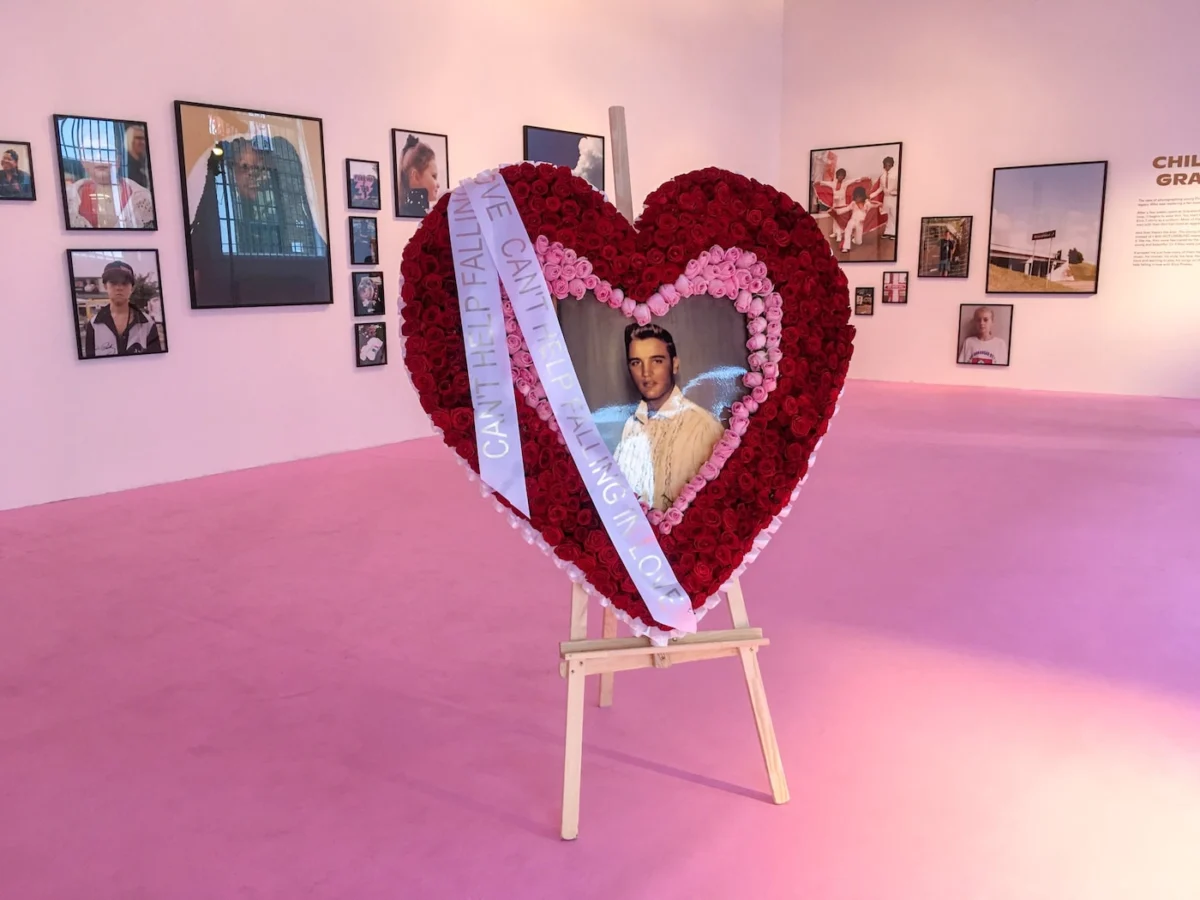
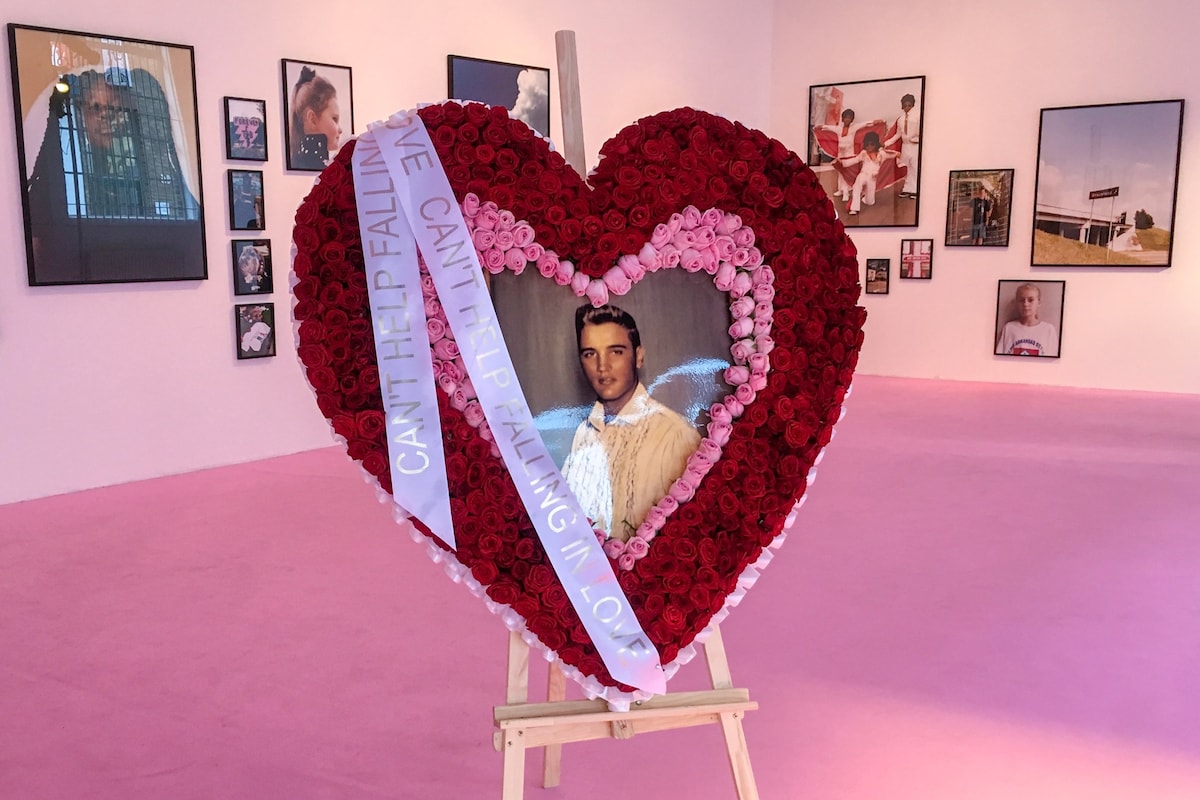
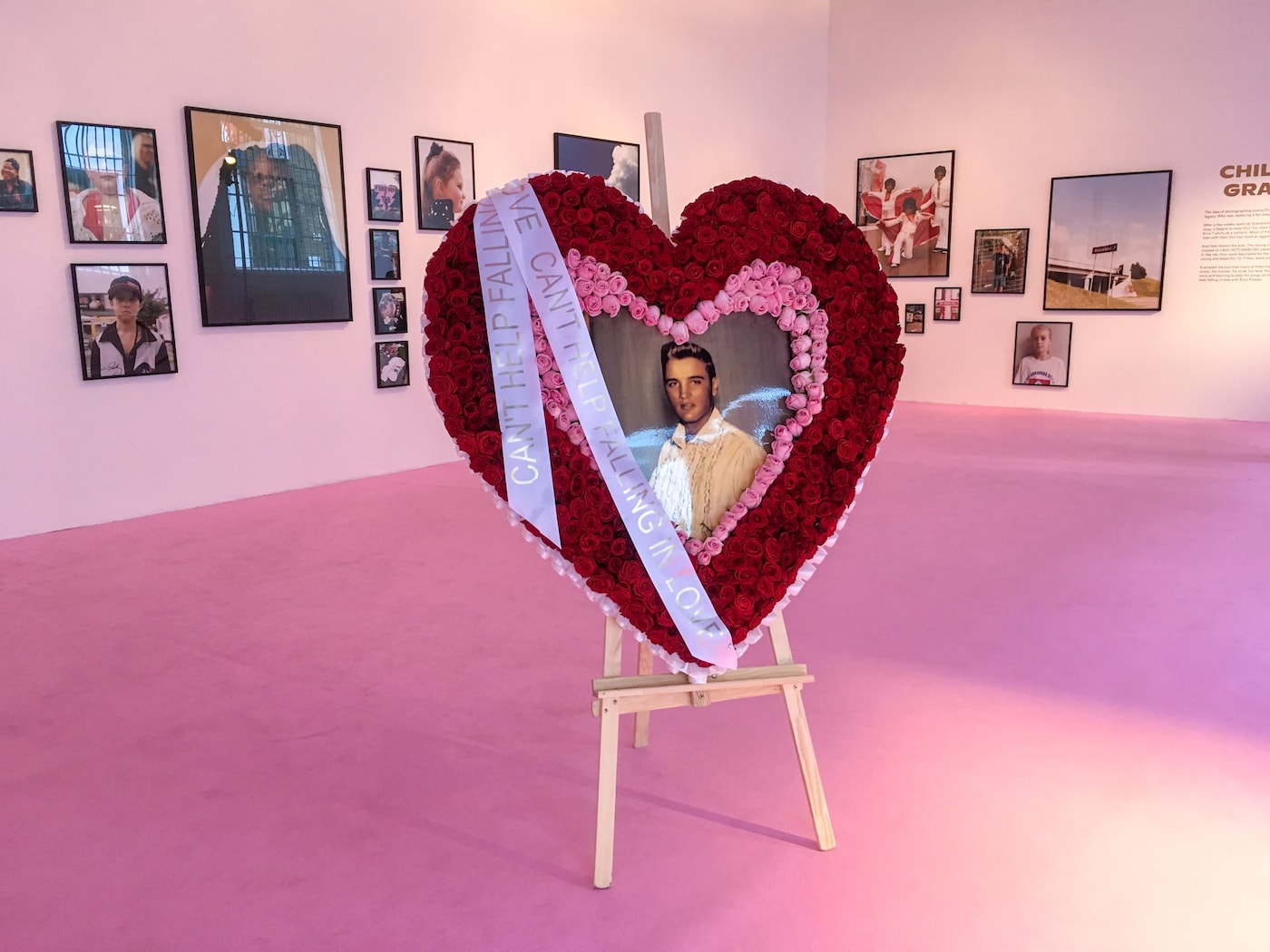
Graceland, Memphis: The ultimate pilgrimage site for Elvis Presley fans, Graceland, serves as a powerful testament to the enduring legacy of the "King." As Tory Turk notes, "Elvis is almost like a modern-day Jesus for so many fans." The exhibition features Hayley Louisa Brown’s project, "Children of Graceland," which documents the multi-generational devotion surrounding Elvis. This project illustrates how his spirit is passed down through families, making Graceland a vibrant, living testament to his anarchic charm and cultural impact, connecting the Bible Belt gospel roots with the "dark side" of rock music.
The Tangible Aura: Objects in a Digital Age
In an increasingly digitized world, Holy Pop! serves as a potent reminder of the powerful, irreplaceable relationship humans have with physical objects. Tory Turk emphasizes that objects possess an "aura" that digital images simply cannot replicate. "Part of the purpose of the exhibition is to inspire people to not minimise the things that we’ve chosen to keep or we just can’t let go of," she states. "The reason that we keep them is because they have the power to transport us back to a time, a feeling."
This sentiment resonates deeply in an era where most interactions are screen-mediated. A concert ticket stub, a signed album, a worn band t-shirt, or a personal letter from an idol holds a tangible connection to a specific moment, an emotion, or the very presence of the revered figure. These objects are vessels of memory and sentiment, imbued with personal history and collective resonance. They offer a physical anchor in a fluid digital landscape, providing a sense of permanence and direct contact that digital files, however ubiquitous, cannot replicate. The renewed popularity of vinyl records, physical books, and other analog media further highlights a societal yearning for the tactile and the authentic, a desire for objects that carry stories beyond their informational content.
Fandom as Identity and Community
The exhibition delves into the profound psychological and sociological functions of fandom, framing it as a contemporary answer to traditional religious structures. Turk posits, "Religion has historically offered a framework whereby you can reflect on your role in the world through prayer, or a reason to come together and to unite… I think worshipping something you’re a fan of serves a similar purpose."
Fandom, in this context, provides a vital space for self-reflection, community building, and the search for meaning. For many, pop icons become figures through whom they navigate their identities, find comfort, and experience a profound sense of belonging. Turk offers a compelling example: "If it’s Britney Spears and you’re a kid growing up in Greater Manchester navigating your homosexuality, for example, she becomes a tool for escapism because you feel this connection that is bigger than just pop music." This connection transcends mere musical preference; it becomes a lifeline, a source of strength, and a mirror reflecting one’s own struggles and aspirations.
The unifying power of shared devotion is further illustrated by the inclusion of Emma Hart’s Prince Shrine. Hart, a Jewish woman from North London, has meticulously curated an antique cabinet in her living room, filled with around 250 personal objects, letters, notes, photographs, rare music formats, and memorabilia dedicated to Prince. This intimate display is contrasted with an image of the Detroit house-cum-Prince-shrine owned by house and techno icon Moodymann (Kenny Dixon Jr.). The juxtaposition highlights the universality of Prince’s appeal and the diverse ways he inspired devotion. "It’s all about connection, community, not being a robot, being anti-establishment and connecting with people that talk the same language as you, despite your background," Turk explains. The shared reverence for Prince creates an unconstructed, pure connection between individuals from vastly different walks of life, transcending established societal boundaries.

The Enduring Power of Pop Icons
The figures celebrated in Holy Pop!—Elvis, Prince, Britney, Bowie, Nina Simone, George Michael—represent more than just entertainers; they are cultural touchstones who have shaped generations. Their enduring power lies in their ability to resonate deeply with individual experiences, to articulate unspoken emotions, and to embody ideals of rebellion, vulnerability, strength, or transcendence.
Elvis Presley, often credited with codifying the "rock god" archetype, exemplified this transformative power. His transition from gospel singer in the Bible Belt to the rebellious icon of rock ‘n’ roll mirrored societal shifts and anxieties of the post-war era. His ability to evoke such profound reactions, from fans carrying sick children to the stage in Las Vegas for a touch, underscores the quasi-religious authority he wielded.
Similarly, Prince, with his genre-defying artistry and enigmatic persona, cultivated a following that bordered on cult-like devotion. His music and image offered an alternative vision of identity and expression, attracting those who felt alienated by mainstream norms. This anti-establishment appeal is a recurring theme in the exhibition, demonstrating how pop idols often serve as symbols of non-conformity and authenticity.
The exhibition at Somerset House not only documents these phenomena but also legitimizes them as a significant area of cultural inquiry. By presenting fan-created shrines alongside curated artworks in a prestigious institutional setting, Holy Pop! elevates the study of popular culture and fandom, acknowledging its critical role in shaping contemporary society, individual identities, and collective meaning-making. It suggests that the human need for belief, for community, and for figures who inspire and guide, remains constant, simply adapting to the shifting landscapes of the modern world.
Exhibition Details and Legacy
Holy Pop! offers a unique opportunity to reflect on the nature of worship in the 21st century and the profound impact of pop culture on our lives. It is a meticulously curated journey into the heart of modern devotion, revealing the intimate, personal, and often spiritual connections forged between fans and their idols. The exhibition not only celebrates these connections but also provokes thought about the enduring human quest for meaning and belonging, demonstrating how pop culture has stepped into a role once primarily occupied by traditional religion.
The exhibition runs until August 9, 2026, at Somerset House, London. It is a must-see for anyone interested in the intersections of art, culture, sociology, and the fascinating psychology of fandom. It solidifies Somerset House’s reputation as a venue that not only showcases art but also engages with broader cultural phenomena, inviting a diverse audience to explore the profound impact of pop culture on our contemporary spiritual landscape.