




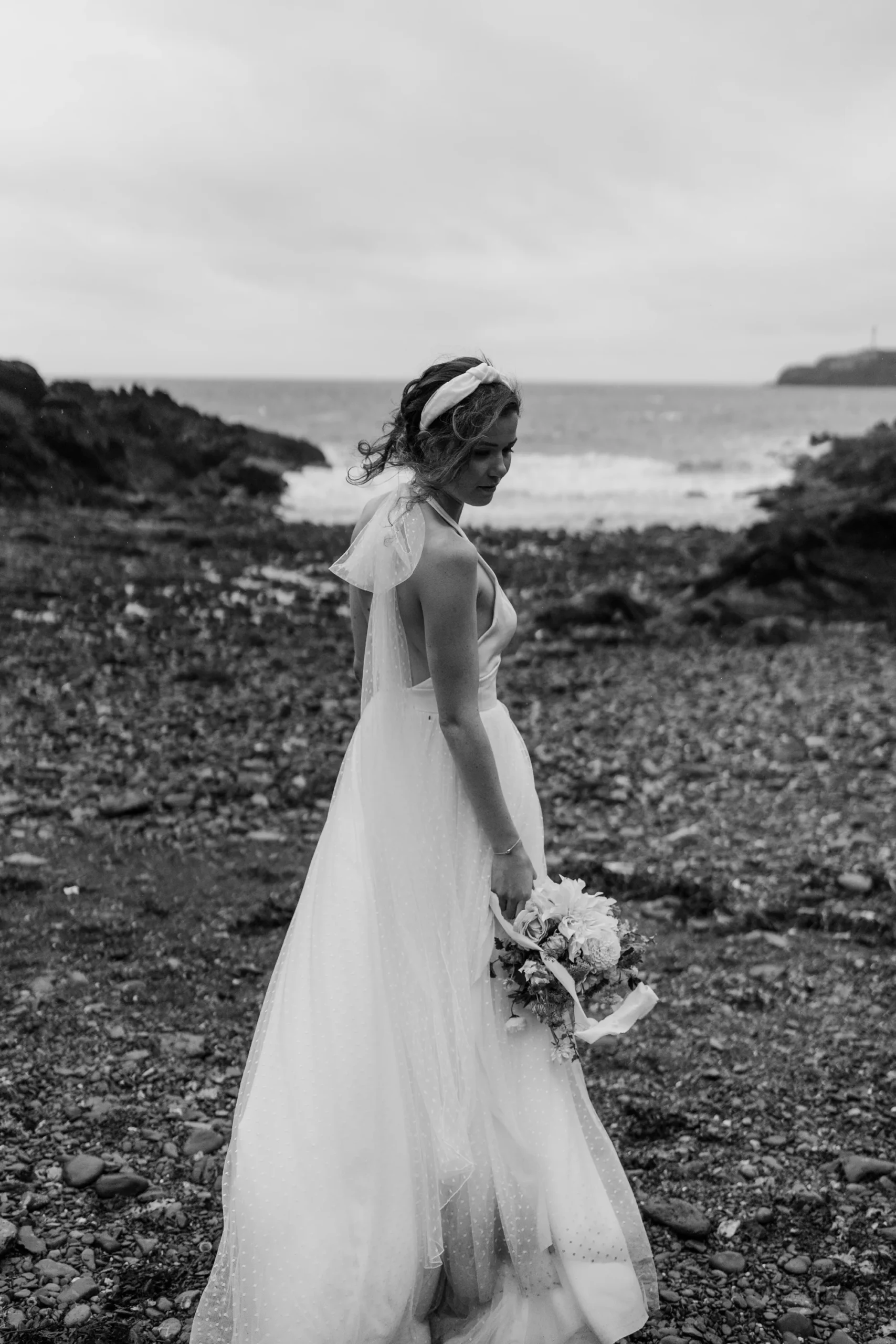
Lulu The Label, a London-based artisanal enterprise, has established a significant presence within the sustainable fashion sector by transforming textile remnants into high-end bridal accessories. Founded in 2019 by fashion designer Lucy, the company operates on a foundational ethos of environmental stewardship and zero-waste production. Originally conceived as a solution for utilizing leftover fabrics from a university design degree, the business has evolved into a specialized service where brides can repurpose the silk and lace off-cuts from their wedding dress alterations. This initiative addresses a critical gap in the bridal market, providing a functional use for expensive materials that would otherwise be discarded or relegated to long-term storage. By offering a suite of products ranging from silk scrunchies and hair bows to pet accessories and groom’s pocket squares, Lulu The Label exemplifies the growing trend of circular fashion within the luxury wedding industry.
The Genesis of a Zero-Waste Enterprise
The trajectory of Lulu The Label began in 2019, shortly after founder Lucy completed her degree in Fashion Design. Faced with a surplus of high-quality remnant fabrics from her final collection, she sought a "scrap-busting" methodology that would prevent these textiles from entering the waste stream. After initial trials with handmade hair scrunchies gained significant traction on social media, the brand expanded its scope. Lucy’s professional background includes experience working with several prominent British luxury couture designers, a tenure that informed her technical approach to garment construction and material handling.
The transition from luxury couture to independent sustainable manufacturing was driven by a desire to challenge the "fast fashion" paradigm. According to industry reports, the global fashion industry is responsible for approximately 10% of global carbon emissions and nearly 20% of wastewater. By focusing on a micro-scale, made-to-order model, Lulu The Label operates in direct opposition to mass-production techniques. The company utilizes zero-waste pattern cutting, a technical design method where every inch of a fabric bolt or off-cut is integrated into the final product, leaving no scraps behind.
The Environmental Context of the Wedding Industry
The expansion of Lulu The Label into the bridal sector comes at a time of heightened environmental consciousness among consumers. Recent data from the "Green Bride Guide" suggests that the average wedding produces approximately 400 lbs (181 kg) of waste and 63 tons of CO2. In the United Kingdom, the bridal industry has seen a marked shift toward "eco-conscious" ceremonies, with couples increasingly seeking vendors who prioritize sustainability.
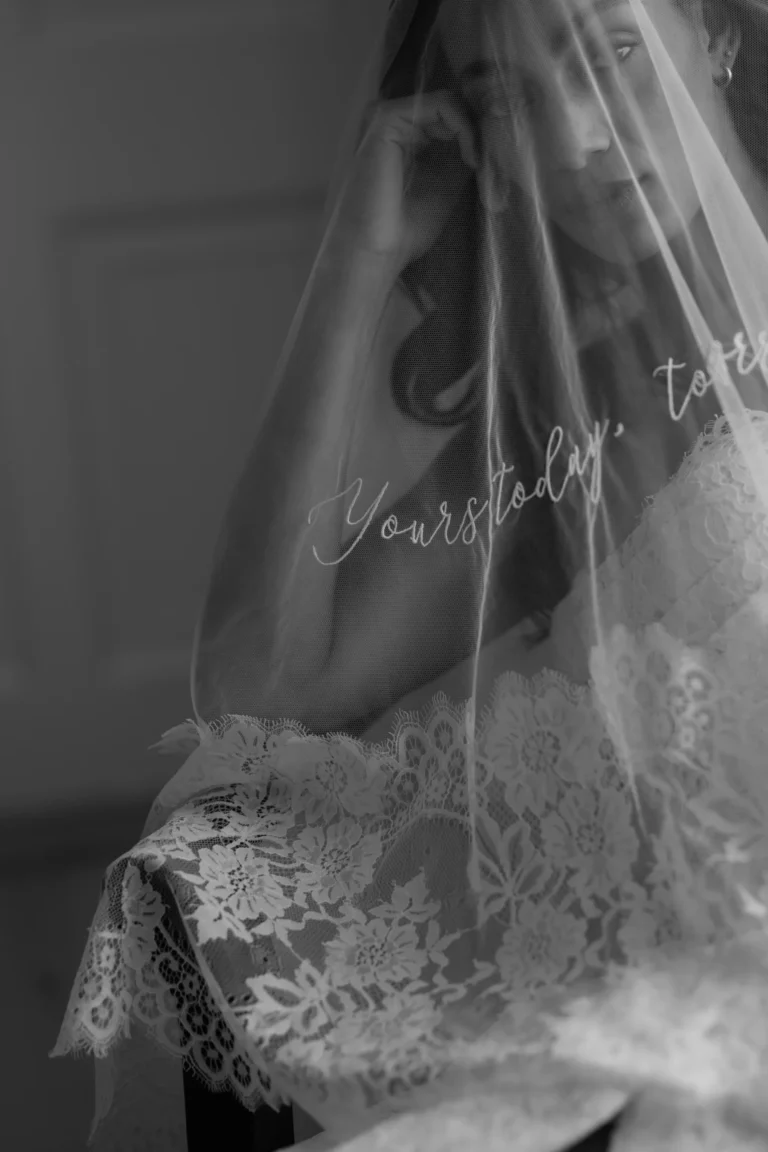
Wedding dress alterations are a standard part of the bridal journey, often resulting in significant amounts of high-quality silk, satin, and lace being trimmed from hemlines and bodices. Historically, these off-cuts were either disposed of by seamstresses or returned to the bride in a bag, with no clear purpose. Lulu The Label’s bespoke service formalizes the upcycling process. Brides are encouraged to retain these remnants and transmit them to the London studio, where they are converted into commemorative items. This not only reduces the environmental footprint of the garment but also adds a layer of sentimental value to the accessories.
Technical Process and Service Logistics
The logistics of the Lulu The Label bridal service are designed to accommodate the specific needs of a high-pressure wedding timeline. The process typically begins with a consultation, often conducted via video link, to discuss the feasibility of the bride’s requested designs based on the volume and texture of the available fabric.
- Material Assessment: Brides provide photographs and measurements of the available off-cuts. The brand has demonstrated the ability to work with a wide array of fabrics, including heavy crepes, delicate tulles, and intricate lace.
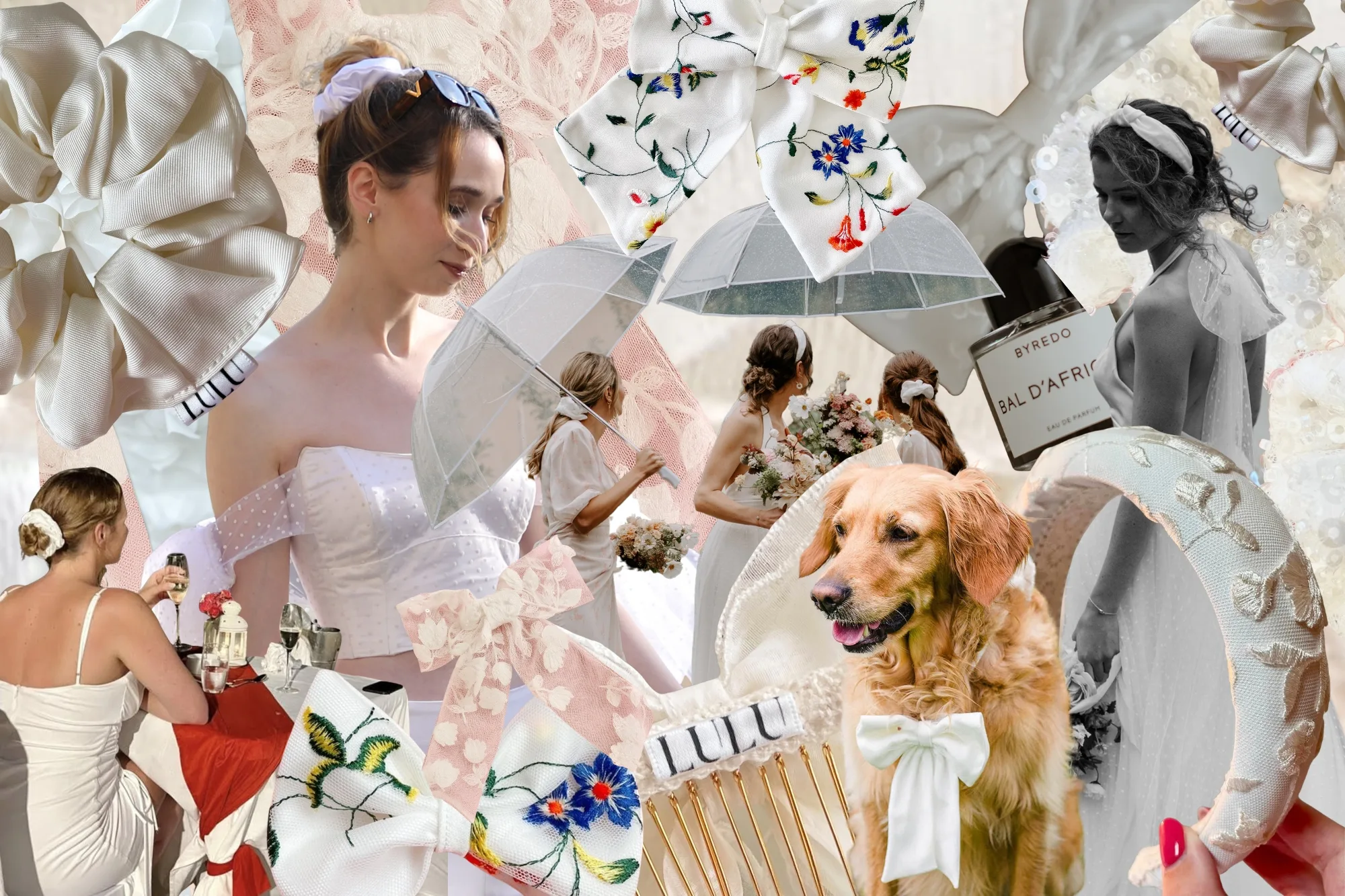
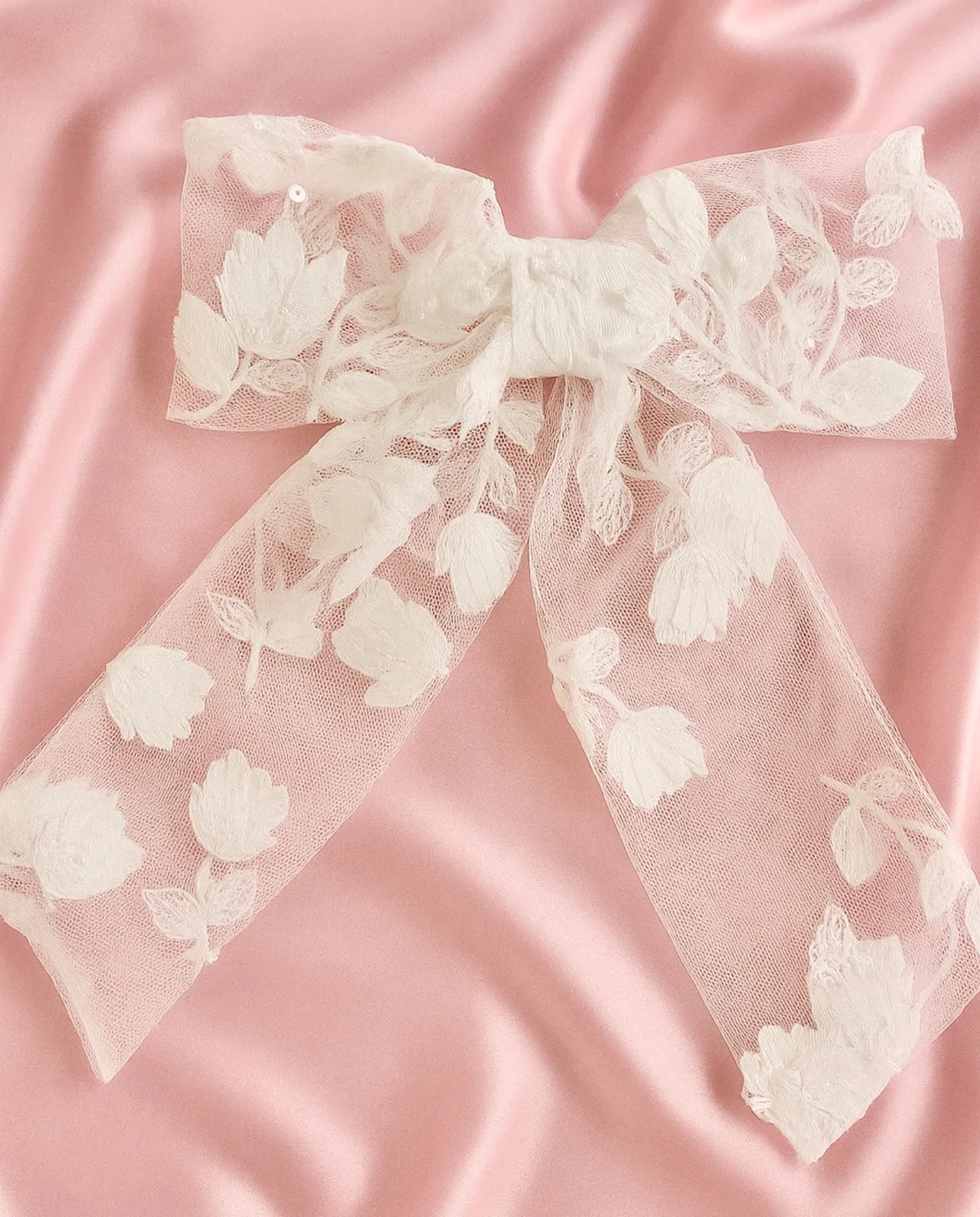
- Product Selection: The range of potential items is extensive. Common requests include the "classic hair scrunchie," which is frequently utilized by brides for the evening reception or honeymoon. Other options include oversized bows, drawstring bags for bridal essentials, and headbands.
- Bespoke Integration: For cases where the off-cut material is insufficient for a standalone piece, the studio employs a "two-tone" or "merging" technique. This involves pairing the bride’s fabric with high-quality sustainable silks from the studio’s existing inventory, ensuring the structural integrity of the accessory while maintaining the link to the original gown.
- Production and Shipping: Once the design is finalized and payment processed, the material is shipped to the London studio. The brand recommends tracked postal services to ensure the safety of the unique materials. The production phase utilizes plastic-free, recyclable packaging, aligning with the brand’s broader commitment to environmental sustainability.
Diversification into Pet Accessories and Groomsmen Attire
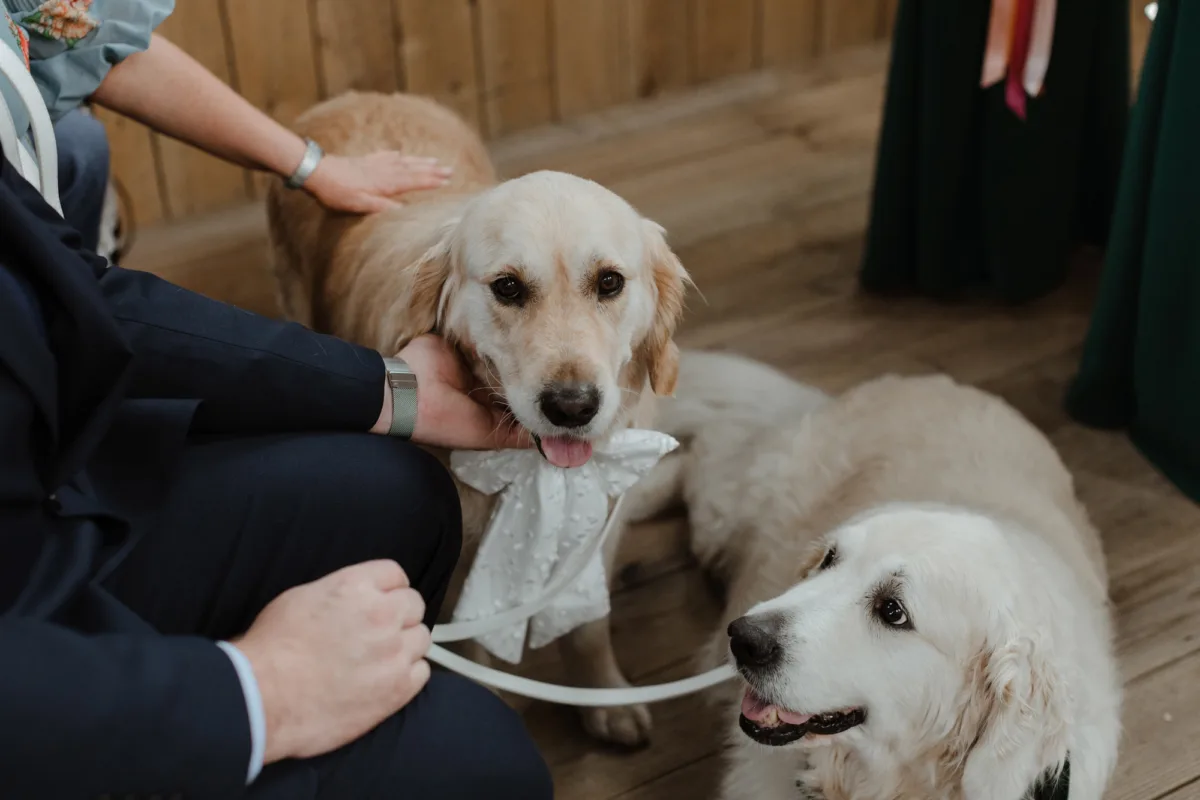
A notable development in the brand’s portfolio is the introduction of the "Pet Accessories" collection. As the "humanization of pets" trend continues to grow—with the UK pet population reaching record highs—more couples are choosing to include their dogs in wedding ceremonies. Lulu The Label has responded to this market demand by creating dog bows and bandanas that can be crafted from the same fabric as the bride’s gown. These items are designed to slot easily onto existing collars, providing a smart, non-intrusive way for pets to match the wedding party.
Furthermore, the brand has expanded its reach to include the groom and the father of the bride. By creating pocket squares and bow ties from dress off-cuts, the service allows for a subtle, coordinated aesthetic across the wedding party. This cross-demographic appeal has been cited by clients as a key factor in choosing the service, as it provides a cohesive visual narrative for the wedding photography and ceremony.

Recognition and Industry Impact
The efforts of Lulu The Label have not gone unnoticed by environmental advocates. The brand has reportedly received recognition from Sir David Attenborough for its commitment to sustainable practices and textile waste reduction. Such accolades serve to validate the micro-business model as a viable alternative to traditional retail.
Customer testimonials further highlight the emotional and practical impact of the service. One client noted that the brand worked diligently to find a way to incorporate specific dress elements into functional pieces, stating that the founder "worked really hard to find a way to make the bridal scrunchies so they could actually be used whilst still incorporating the dress fabric." This emphasis on functionality ensures that the items are not merely keepsakes but are worn "long after the day itself," extending the lifecycle of the material indefinitely.
Analysis of Broader Implications
The success of Lulu The Label reflects a broader shift in the global fashion economy toward "Slow Fashion." This movement prioritizes quality over quantity, ethical labor practices, and the preservation of materials. By focusing on a niche, service-based model, Lucy has demonstrated that profitability can coexist with a zero-waste philosophy.
From a business perspective, the model is highly efficient. By using client-provided materials, the brand reduces its own raw material costs while charging a premium for the artisanal labor and bespoke nature of the work. This "circular" approach minimizes the overhead associated with inventory management and waste disposal.
Moreover, the brand’s focus on the "morning of the wedding" gift market taps into a lucrative segment of the bridal industry. Pairings such as a silk scrunchie with a handwritten note or a mini bottle of champagne have become popular gifts for bridesmaids, further integrating the brand into the ceremonial experience.
Conclusion and Future Outlook
As the fashion industry faces increasing pressure to reform its environmental practices, businesses like Lulu The Label provide a blueprint for a more sustainable future. The brand’s ability to turn "waste" into a luxury commodity challenges the traditional understanding of the fashion lifecycle. For the modern bride, the service offers a rare combination of sentimental preservation and ecological responsibility.
Looking forward, the growth of Lulu The Label suggests a rising demand for hyper-personalized, ethical fashion services. By maintaining a London-based production hub and a direct-to-consumer relationship, the brand preserves the transparency that modern consumers demand. As the bridal market continues to evolve, the integration of upcycled elements is likely to move from a niche preference to a standard industry expectation, with Lulu The Label positioned at the forefront of this transition. For those interested in participating in this circular fashion movement, the brand remains open for consultations, continuing its mission to ensure that no part of a wedding’s material legacy is ever truly lost.