










The skin adorning the neck, often overlooked in daily skincare routines, is a unique canvas that betrays the passage of time with a distinct vulnerability. Unlike the more resilient skin on our faces, the neck’s delicate structure, coupled with modern lifestyle habits, renders it an area particularly susceptible to the hallmarks of aging, including dryness, sagging, and the development of fine lines and wrinkles. This article delves into the science behind why neck skin ages prematurely, explores the specialized formulations designed to combat these concerns, and outlines when professional dermatological intervention might be necessary.
The Biological Blueprint of Neck Aging
Dermatologists consistently point to several key biological and environmental factors that contribute to the accelerated aging of neck skin. Dr. Hartman, a leading skincare expert, explains that the fundamental difference lies in the skin’s composition. "The skin on the neck is thinner and lacks the same oil composition as facial skin," she states. This inherent thinness means fewer collagen and elastin fibers, the proteins responsible for skin’s firmness and elasticity. Furthermore, the sebaceous glands, which produce sebum (the skin’s natural oil), are less abundant on the neck compared to the face. This reduced oil production leads to a compromised skin barrier, making the neck more prone to dryness and dehydration.
Dehydration, in turn, exacerbates the appearance of fine lines and wrinkles. When skin lacks moisture, it becomes less plump and supple, allowing existing lines to deepen and new ones to form more readily. This dryness also contributes to a loss of elasticity, paving the way for sagging.
Beyond inherent biological differences, external forces play a significant role. Gravity, an inescapable constant, exerts a downward pull on all tissues, and the neck’s thinner skin is particularly susceptible to this relentless force. However, the most significant contemporary culprit is the pervasive habit of looking down at electronic devices. "Combine that with gravity and the constant craning over smartphones," Dr. Hartman elaborates, "and it’s an area uniquely at risk for fine lines and sagging. In other words, ‘tech neck’ is very real." This phenomenon, widely documented in recent years, refers to the muscular strain and repetitive folding of the neck skin caused by prolonged use of smartphones and other handheld devices. The constant flexion of the neck can lead to the formation of horizontal creases and contribute to the loosening of skin over time. A study published in the Journal of Plastic and Reconstructive Surgery in 2018 highlighted a correlation between increased smartphone usage and the prevalence of neck wrinkles, particularly among younger demographics.
Differentiating Neck Creams from Facial Formulations
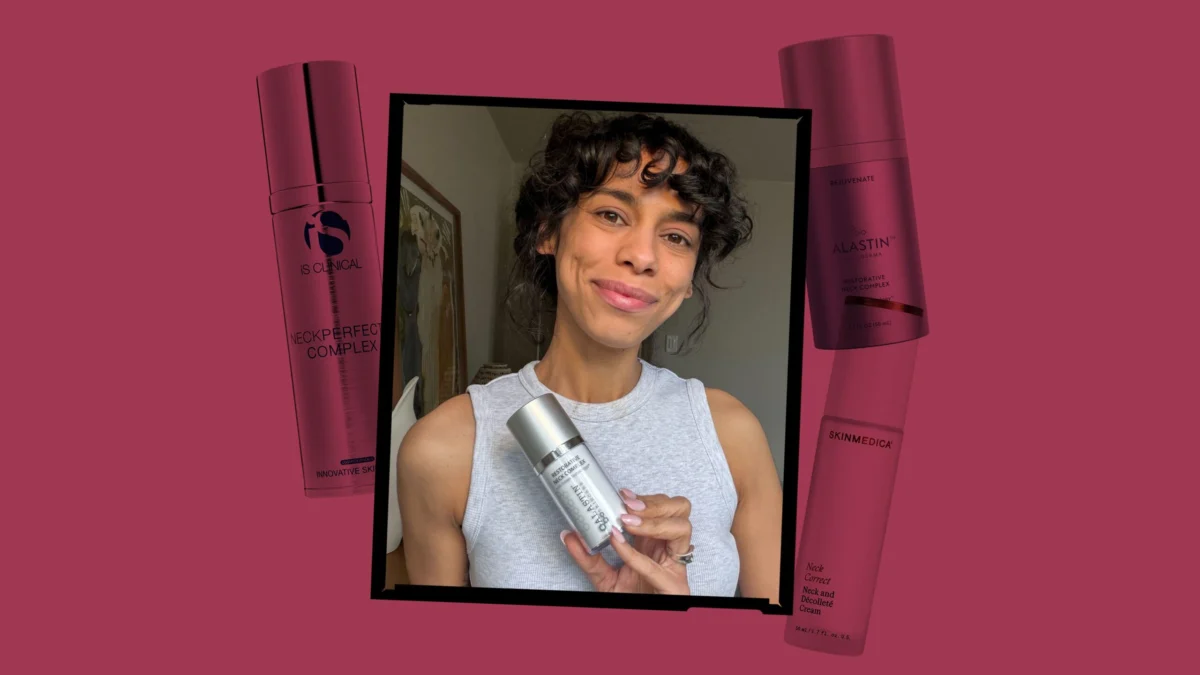
Recognizing the unique needs of neck skin, the cosmetic industry has developed specialized neck creams designed to offer targeted treatment. Dr. Hall, a noted dermatologist, clarifies the distinction: "Because the skin is more delicate, neck creams are formulated to provide more intense hydration, with a higher concentration of actives that are more suitable for the skin on your neck." This means that while facial creams focus on a broader range of concerns like acne, hyperpigmentation, and general anti-aging, neck creams prioritize replenishing moisture and restoring firmness.
Key moisturizing agents commonly found in effective neck creams include hyaluronic acid, known for its exceptional ability to attract and retain moisture, plumping the skin and diminishing the appearance of fine lines. Shea butter and squalane are also frequently incorporated for their emollient properties, providing deep hydration and creating a smoother, softer skin texture.
A more recent and increasingly significant area of development in neck cream formulations involves peptides. These short chains of amino acids are the building blocks of proteins like collagen and elastin. "Peptides are a newer area of exploration for neck creams as they’re frequently touted for their skin-firming benefits," Dr. Hall observes. By stimulating the skin’s natural collagen production, peptides can help to improve skin elasticity and firmness, thereby counteracting sagging and reducing the depth of wrinkles. Research in cosmetic dermatology has shown promising results with peptide-based treatments in improving skin texture and reducing the visible signs of aging.
Over-the-Counter Treatments and Key Ingredients to Seek
For individuals seeking to address neck aging concerns through accessible over-the-counter (OTC) products, several key ingredients stand out. Beyond the essential hydrators, retinol emerges as a powerful ally. Retinol, a derivative of Vitamin A, is renowned for its multifaceted benefits in skincare. "Aside from the essential hydrators, retinol is a common additive because it promotes collagen production and, therefore, addresses the appearance of wrinkles and improves skin texture," explains Dr. James Y. Wang, a board-certified dermatologist based in Los Angeles.
The mechanism behind retinol’s efficacy lies in its ability to accelerate cell turnover and stimulate the synthesis of collagen. This dual action helps to smooth out existing wrinkles, improve skin tone and texture, and reduce the appearance of crepiness often associated with thinning skin. "This can help with sagging skin, wrinkles, and some crepiness," Dr. Wang states.
However, it is crucial to approach retinol use on the neck with caution. The skin on the neck is generally more sensitive than that of the face, making it more susceptible to irritation, redness, and dryness. Therefore, dermatologists often recommend starting with a low concentration of retinol. "Since the neck is a sensitive area, the retinol concentrations tend to be low, and the results are subtle," Dr. Wang advises. This means that patience and consistent application are key to observing noticeable improvements. When using retinol, it is also paramount to apply sunscreen diligently during the day, as retinol can increase photosensitivity.
Other beneficial OTC ingredients to look for include antioxidants like Vitamin C, which can help protect the skin from free radical damage caused by environmental stressors, and niacinamide, a form of Vitamin B3 that can improve skin barrier function, reduce inflammation, and even out skin tone. Ceramides are also valuable for their role in reinforcing the skin’s natural moisture barrier, crucial for combating dryness and maintaining skin health.
When to Seek Professional Dermatological Guidance
While diligent home care with targeted OTC products can yield significant improvements in the appearance of aging neck skin, there are instances when consulting a dermatologist is advisable. Dr. Wang emphasizes the importance of professional evaluation when noticing changes in skin laxity. "If you’ve noticed any difference in skin laxity around your neck and chest area, Dr. Wang recommends consulting a dermatologist for an evaluation of any inflammation, lumps, and nodules."
Dermatologists can accurately diagnose the underlying causes of neck skin concerns, which may range from simple dehydration and sun damage to more complex issues. They can identify and address any inflammation that might be contributing to premature aging or discomfort. Furthermore, they can screen for and manage any lumps or nodules that may appear in the neck area, ensuring they are benign or appropriately treated.
For more pronounced signs of aging, such as significant skin laxity, often referred to as "turkey neck," non-surgical or surgical interventions may be considered. "Significantly loose skin, like the so-called turkey neck, may require in-office interventions," Dr. Wang notes. These interventions can include procedures like Ultherapy (ultrasonic therapy), radiofrequency treatments, or even surgical options like a neck lift. However, he also reiterates the ongoing value of topical treatments: "but neck creams can still be beneficial for replenishing hydration and subtly decreasing the look of lines on the neck skin." This underscores a holistic approach, where professional treatments can address structural changes, while specialized creams maintain skin health and enhance results.
Allure’s Rigorous Approach to Product Review
Understanding the nuances of skincare and the specific needs of different skin areas is central to the editorial mission of publications like Allure. Their commitment to providing reliable product recommendations is built on a robust testing and review methodology. When Allure tests a product, their editors engage in a comprehensive evaluation process. "We review ingredients, scrutinize brand claims, and, when necessary, examine peer-reviewed scientific and medical studies," the publication states. This multi-pronged approach ensures that recommendations are grounded in scientific evidence and empirical performance.
The vetting process extends to leveraging the expertise of professionals who are at the forefront of their respective fields. "In addition to testing each and every product that’s included in each and every review, we rely on experts who shape their fields, including dermatology, cosmetic chemistry, and medicine, to help us vet the ingredients and formulas," the outlet explains. This collaborative effort with dermatologists and cosmetic chemists allows for a deep dive into the efficacy and safety of product formulations.
For their curated lists of products, such as the best neck creams, Allure‘s editorial team meticulously assesses each item across key performance indicators. These categories typically include the efficacy of product ingredients, the practicality and appeal of packaging, the sensory experience of fragrance, the texture and feel of the product, and its performance during wear. "Every product was determined to have excelled in each category by our editorial team, which is composed of in-house writers and editors as well as contributors—along with special consideration from board-certified dermatologists," they detail. This rigorous, expert-informed testing provides consumers with a high degree of confidence in the recommended products.
The Importance of Diverse Perspectives in Product Evaluation
Allure also places significant emphasis on the diversity of its testing panel and editorial staff, recognizing that beauty is a deeply personal experience influenced by a wide array of individual factors. "A beauty product is a personal purchase," they acknowledge. "You might be searching for a face cream to address persistent dryness or a new nail product to add to your Sunday self-care routine; you may simply be browsing around for the latest launches to hit the hair market. No matter what you seek or your individual needs and concerns, Allure wants to ensure that you love anything we recommend in our stories."
This commitment to inclusivity means that their product assessments are informed by a broad spectrum of users. "We believe that having a diverse team of writers and editors—in addition to the wide range of outside testers and industry experts we regularly call upon—is essential to reaching that goal," the publication states. This diversity encompasses a wide range of ages, skin tones, hair textures, genders, and backgrounds. The rationale is simple yet profound: to genuinely recommend the "best" product for a particular demographic, the testing pool must reflect that demographic. "After all, can we really say a skin-care product is the ‘best’ for people over 50 if the only testers we’ve solicited opinions from folks who have yet to hit 30?" they question. This approach ensures that recommendations are not only scientifically sound but also practically relevant and universally applicable, providing a trusted resource for consumers navigating the complex world of beauty and skincare.