











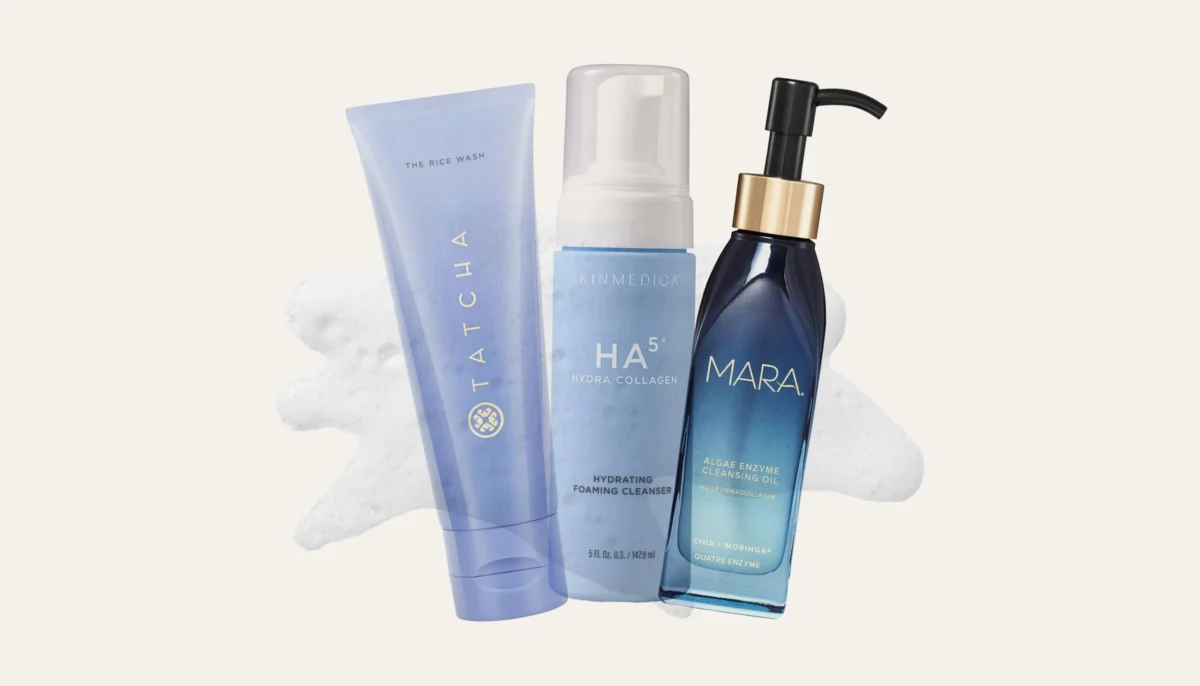
The journey of skincare is a lifelong endeavor, and as our skin matures, its needs evolve. Understanding how to effectively cleanse is paramount to maintaining its health, vitality, and youthful appearance. This comprehensive guide, drawing on insights from leading dermatologists, demystifies the process of cleansing for mature skin, addressing common concerns and providing actionable advice for an optimal skincare routine.
The Foundation of Mature Skin Care: Hydration, Barrier Support, and Gentle Cleansing
The cornerstone of effective cleansing for mature skin lies in a multi-faceted approach, prioritizing hydration, bolstering the skin’s natural barrier, and employing exceptionally gentle methods. Dr. Collins, a respected dermatologist, emphasizes that the ideal facial cleanser for this demographic should actively contribute to these goals. Key ingredients to look for include hyaluronic acid, a humectant renowned for its ability to draw moisture into the skin, and ceramides, essential lipids that fortify the skin barrier, preventing moisture loss and protecting against environmental aggressors. Peptides, short chains of amino acids, play a crucial role in stimulating collagen production, which can diminish with age, thus improving skin elasticity and firmness.
Furthermore, the inclusion of antioxidants such as green tea extract and vitamin E offers potent protection against free radical damage, a significant contributor to premature aging. These compounds help neutralize unstable molecules that can degrade collagen and elastin, leading to wrinkles and loss of skin tone.
When it comes to formulation, Dr. Collins advocates for cream cleansers and oil-based cleansers. These types of cleansers are inherently more nourishing and less likely to strip the skin of its natural oils. Unlike foaming cleansers that can sometimes leave the skin feeling tight and dry, cream and oil formulations effectively lift away impurities, makeup, and environmental pollutants while simultaneously imparting moisture and supporting the skin’s delicate lipid layer. This is particularly important as natural oil production tends to decrease with age, leading to increased dryness and a compromised skin barrier.
Addressing the Unique Needs of Aging Skin: Why Water Alone Isn’t Enough
As the skin ages, its physiological processes change, necessitating a more considered approach to cleansing. Natural oil production, a key component of the skin’s protective mantle, begins to decline, often resulting in a feeling of dryness and a more noticeable weakening of the skin barrier. This can manifest as increased sensitivity, redness, and a duller complexion.
Dullness also becomes a more prominent concern as the rate of cellular turnover slows. Dead skin cells can accumulate on the surface, obscuring the brighter, healthier skin beneath. To combat this, incorporating a cleanser with mild alpha hydroxy acids (AHAs) can be beneficial. Glycolic acid and lactic acid are two popular AHAs that work by gently exfoliating the outermost layer of skin cells. This process not only reveals smoother, more radiant skin but also allows subsequent skincare products to penetrate more effectively.
However, it is crucial to exercise caution and avoid certain ingredients that can exacerbate dryness and sensitivity in mature skin. Dr. Collins strongly advises against the use of sulfates, such as sodium lauryl sulfate, which are known for their potent cleansing properties but can be overly harsh and strip the skin of essential moisture. Similarly, harsh alcohols and high concentrations of acids should be avoided, as they can disrupt the skin’s pH balance and further compromise its barrier function. The goal is to cleanse effectively without causing irritation or stripping away the skin’s natural resilience.
Crafting an Effective Skincare Routine for Mature Skin
A holistic skincare routine for aging skin should be built upon three fundamental pillars: hydration, protection, and repair. This approach ensures that the skin receives the necessary support to combat the visible signs of aging and maintain a healthy, luminous appearance.
Morning Routine: The day begins with a gentle cleansing ritual. Dr. Collins recommends using a cream- or oil-based cleanser to effectively remove any impurities that may have accumulated overnight without stripping the skin. Following cleansing, the application of an antioxidant serum is paramount. Vitamin C serums, in particular, are highly lauded for their ability to brighten the complexion, even out skin tone, and provide robust protection against free radical damage caused by environmental stressors like UV radiation and pollution. This step is crucial for preventing oxidative stress, a major driver of aging.
Next, a hydrating moisturizer is essential to replenish lost moisture and lock in hydration throughout the day. This step is vital for maintaining skin suppleness and preventing the exacerbation of dryness. The final and arguably most critical step in the morning routine is the application of a broad-spectrum sunscreen with an SPF of 30 or higher. This shields the skin from the damaging effects of ultraviolet (UV) radiation, a primary culprit in photoaging, including wrinkles, dark spots, and loss of elasticity. Consistent sunscreen use is the most effective preventative measure against sun-induced skin damage.
Evening Routine: The evening routine focuses on repair and rejuvenation. Dr. Collins suggests starting with a facial wash, employing either a single or double cleansing method, depending on individual needs and the products used during the day. For those who wear makeup or heavy sunscreen, a double cleanse can ensure thorough removal of all residue.
Following cleansing, the incorporation of a serum containing either retinol or peptides is highly recommended. Retinol, a derivative of vitamin A, is a powerhouse ingredient known for its ability to accelerate cell turnover, stimulate collagen production, and improve skin texture and tone. Peptide serums work by signaling the skin to produce more collagen and elastin, contributing to a firmer, more youthful appearance.
The routine concludes with a rich, hydrating cream or moisturizer. This final step seals in the beneficial ingredients from the serums and provides essential moisture to support the skin’s natural repair processes overnight. This comprehensive approach, focusing on gentle cleansing, targeted treatment, and deep hydration, can effectively address common concerns associated with mature skin, such as dryness, fine lines, and dullness, ultimately promoting a healthy, radiant complexion.
The Art of Double Cleansing for Mature Skin
Double cleansing has emerged as a popular and highly effective method for thoroughly cleansing the skin without compromising its delicate balance. This technique is particularly beneficial for mature skin, which may be more prone to dryness and sensitivity. The rationale behind double cleansing is to utilize two distinct product types in succession to achieve a deeper clean.
Dr. King explains that individuals may opt for double cleansing for several reasons, including the desire for a more complete removal of heavy makeup or sunscreen, or if they prefer the feel of an oil-based cleanser but wish to mitigate any residual greasiness. The first step typically involves an oil-based cleanser, such as a cleansing balm or oil. This is applied to dry skin and works to dissolve and lift away oil-based impurities like makeup, sunscreen, and sebum. After thoroughly massaging the product into the skin, it is either rinsed off or gently wiped away with a soft cloth.
The second step involves a water-based cleanser, often a gentle cream or gel formula. This cleanser targets water-soluble impurities such as dirt, sweat, and environmental pollutants that may remain on the skin’s surface. By using two complementary cleansing agents, the skin is thoroughly purified without being stripped of its essential moisture. This dual approach ensures that the skin is left feeling clean, refreshed, and optimally prepared to receive subsequent skincare treatments.
The Indispensable Role of Cleansers Over Water Alone
While water can provide a superficial rinse, it is fundamentally insufficient for effectively cleansing the skin of the myriad substances it encounters daily. Dr. McDonald elucidates this point by drawing on basic chemistry: "Water can rinse away sweat and some surface debris, but it cannot dissolve oil, sunscreen, makeup, and environmental pollutants," she states. "Those substances are not water-soluble."
The efficacy of a cleanser lies in its ability to bind to these oil-soluble impurities. A well-formulated cleanser contains surfactants that create micelles, which encapsulate oil and dirt, allowing them to be lifted from the skin and subsequently rinsed away. Without this crucial step, these pore-clogging substances and dulling residues remain on the skin’s surface.
The implications of inadequate cleansing are significant. When the skin is not properly cleansed, serums and moisturizers are applied to a compromised surface. Instead of penetrating and delivering their active ingredients effectively, these beneficial products sit atop a layer of buildup, rendering them less potent. Therefore, washing the face with a proper cleanser is not merely a cosmetic step; it is the foundational element that enables the rest of a skincare routine to perform at its optimal level, ensuring that active ingredients can reach their target and deliver their intended results.
Drugstore Gems: Effective Cleansing Without Breaking the Bank
The notion that effective skincare must come with a hefty price tag is a common misconception. When it comes to facial cleansers, the market offers a plethora of budget-friendly options that can rival their high-end counterparts in terms of efficacy and skin-friendliness. Dr. McDonald reassures consumers, stating, "I always tell my patients that a cleanser does not have to be expensive to be effective. What matters most is choosing a gentle, well-formulated product that respects the skin barrier."
The key lies in understanding what constitutes a "well-formulated" product. This typically means a cleanser that avoids harsh sulfates, artificial fragrances, and excessive alcohol, while prioritizing moisturizing and barrier-supporting ingredients. Brands like La Roche-Posay and Vanicream have consistently earned praise for their gentle, effective formulations that are often recommended by dermatologists. These brands demonstrate that quality skincare can be accessible to a wider audience. Exploring reviews and ingredient lists can empower consumers to identify drugstore cleansers that align with their specific skin needs and the principles of gentle, effective cleansing.
The Rigorous Process Behind Allure’s Product Recommendations
When Allure undertakes the task of reviewing and recommending beauty products, it is a process steeped in thoroughness and scientific rigor. The editorial team employs a multi-faceted approach, scrutinizing every aspect of a product to ensure that their recommendations are informed, trustworthy, and genuinely beneficial to consumers. This includes a detailed examination of ingredient lists, an objective assessment of brand claims, and, where applicable, a deep dive into peer-reviewed scientific and medical studies.
Beyond laboratory analysis, Allure places immense value on the practical experience of using a product. Each item is meticulously tested to evaluate its performance across five primary categories: product ingredients and efficacy, packaging, fragrance, texture, and overall product wear. This comprehensive evaluation is further enhanced by the invaluable insights of experts who are leaders in their respective fields, including dermatology, cosmetic chemistry, and medicine. These specialists play a crucial role in vetting ingredients and formulas, lending an additional layer of credibility to the reviews.
For the specific evaluation of cleansers suitable for mature skin, the editorial team, in collaboration with dermatologists, considered how each product performed within these key categories. This rigorous testing methodology ensures that Allure provides its readers with a curated selection of products that not only meet high standards of quality but also cater to the specific needs of their intended audience.
Ensuring Inclusivity and Diversity in Product Testing
The commitment to providing unbiased and relevant recommendations extends to the diversity of the testing panel. Allure recognizes that beauty is a deeply personal experience, and what works for one individual may not be suitable for another. To ensure that their recommendations are truly representative, Allure actively cultivates a diverse team of writers and editors, complemented by a wide array of outside testers and industry experts.
This commitment to diversity spans a broad spectrum of demographics, including age, skin tone, hair texture, gender identity, and background. This inclusive approach is not merely a matter of principle; it is a fundamental aspect of their testing methodology. For instance, can a product truly be deemed the "best" for individuals over 50 if the opinions exclusively come from testers under 30? Can a high-end product be confidently recommended without being tested on a variety of hair types, such as curls? Allure proudly acknowledges that its staff represents a wide range of characteristics, enabling them to fairly and comprehensively assess any beauty product that enters their "beauty closet." This dedication to diversity ensures that their recommendations resonate with and serve the needs of a broad and varied readership, fostering trust and confidence in their editorial guidance.