








The summer social calendar is often a vibrant tapestry of events, from rooftop day parties and brunches to destination weddings and girls’ trips. As travel plans are solidified and social engagements booked, a crucial element of preparation for many, particularly within the Black community, is the appointment for summer braids. This season, the focus has evolved beyond mere aesthetic choices, such as classic boho braids or intricate cornrows, to encompass a deeper commitment to hair health. The prevailing trend emphasizes protective styles that prioritize the well-being of the scalp and hair longevity, rather than solely convenience.
This shift reflects a growing awareness within the Black community regarding hair care practices and a desire for styles that minimize scalp tension, allow for effective cleansing, and promote overall hair health. Hairstylists specializing in textured hair are observing a heightened client interest in maintaining a healthy scalp while still embracing popular braided styles.
.jpg)
A New Era of Braiding: Prioritizing Scalp Health and Natural Textures
The braids of summer 2026 are a testament to this evolving perspective. There’s a discernible movement towards styles that offer both protection and style, with an emphasis on natural textures and a more "lived-in" finish. While beloved styles like boho braids continue to dominate social media feeds and street style, innovations like "miracle knots" are revolutionizing their application. This crochet method, recently gaining traction, results in a lighter, more natural appearance and a more accessible styling process.
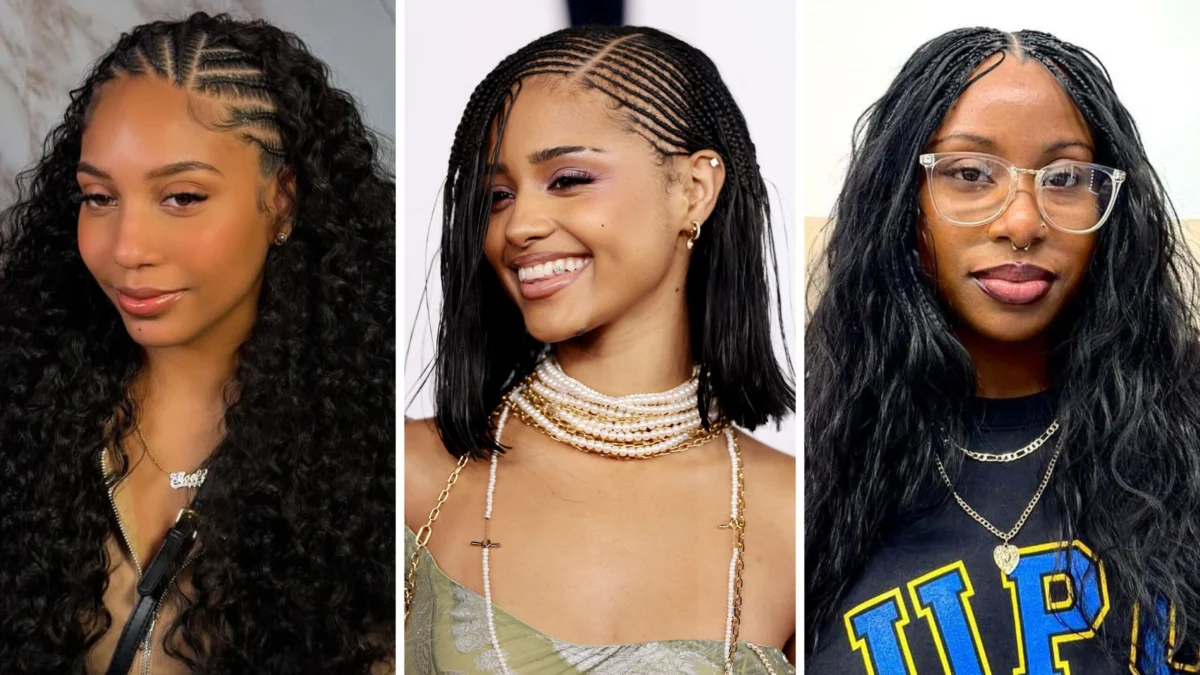
Furthermore, the trend extends to creative hybrid styles. For instance, Tyla-inspired Fulani braids, often combined with curly half-wigs attached to cornrows, offer customizable, two-in-one looks that allow for versatile styling and reduce the pressure of competing styles at social gatherings. This fusion of traditional techniques with contemporary flair highlights a dynamic approach to protective styling.

Beyond these newer iterations, timeless styles like flat twists, boneless braids, and cornrows are experiencing a resurgence. These foundational looks, often embraced early in one’s natural hair journey, are now being refined and elevated. This evolution is attributed to increased access to educational online tutorials and a greater diversity in textured extension options, empowering individuals to achieve more sophisticated and beneficial styles.
Ariana Greene, a New York City-based hairstylist, observes that clients are seeking versatility, lightweight options, and cost-efficiency, yet they are also willing to invest in higher-quality extensions. This willingness to invest signifies a deeper commitment to hair health and the longevity of protective styles. As individuals plan their summer looks, the imperative is to choose hairstyles that can withstand the increased sweating and humidity of the season, facilitate regular cleansing, and maintain aesthetic appeal for frequent social events.
Boho Braids: The Quintessential Summer Vacation Style Reimagined

Boho braids have long been synonymous with summer, conjuring images of sun-drenched vacations and carefree days. This season, the style sees a notable evolution, with a pronounced shift towards premium materials and refined installation techniques. Previously, a blend of human and synthetic extensions was common. However, in 2026, stylists report an exclusive use of human hair for boho braids.
Mateo Kirkpatrick, a Dallas-based hairstylist specializing in textured hair, explains the rationale behind this shift. "Synthetic fibers can cause scalp irritation, which you don’t typically get with human hair," he notes. "Using human hair for boho braids results in a softer, more natural-looking style. It’s like wearing your natural hair; you’re just adding extensions to it." This preference for human hair not only enhances the aesthetic appeal, creating a more organic and seamless look, but also directly addresses concerns about scalp sensitivity and comfort.
A significant innovation contributing to the updated boho braid look is the "miracle knots" technique. This method streamlines the installation process, often reducing appointment times. Traditionally, achieving boho braids involved starting with a knotless braid and then incorporating loose, curly pieces. Miracle knots, however, eliminate the need to feed in braiding hair during the initial plaiting.

This DIY-friendly approach involves creating single plaits using one’s natural hair and then attaching loose human hair pieces with a crochet hook. Greene highlights the benefits: "I recommend miracle knots because they’re lightweight, versatile, and cost-effective." For those less inclined to braid their entire head, a stylist can create the base braids, allowing the individual to then add the curly pieces at home. This hybrid approach can also lead to more affordable styling options compared to a full salon installation.
Tyla-Inspired Fulani Braids: A Fusion of Culture and Contemporary Cool
The influence of South African pop singer Tyla is palpable this summer, particularly in the rise of Tyla-inspired Fulani braids. This edgy yet culturally rich style is becoming a hallmark of trendsetters, often associated with a vibrant social life and an appreciation for cutting-edge fashion.

Fulani braids, an ancient African braiding technique, are characterized by intricate cornrows that frame the face, often accompanied by beads or other adornments. The Tyla-inspired iteration typically features bob-length extensions flipped up at the ends, a detail that proves highly practical for humid weather, preventing hair from clinging to the neck and shoulders. This style often combines Fulani cornrows in the front with a traditional sew-in weave in the back, creating a dynamic and multifaceted look.
However, the complexity of this style comes with a considerable time commitment. "You’re braiding down your hair for the sew-in, actually installing the tracks, then braiding the cornrows in the front, and you still have to cut and style the hair. It’s a lot," acknowledges Helena Koudou, a New York City-based braider. Despite the labor involved, the aesthetic payoff is significant, making it a sought-after option for those prioritizing a statement hairstyle.
The longevity of this style, typically worn for four to six weeks due to the sew-in component, may not be ideal for individuals who prioritize frequent hair washing. However, Koudou suggests that periodic appointments with a braider can help refresh the cornrows and extend the style’s wearability.

Lightweight Natural Braids: Embracing Simplicity for Hot Weather
For those seeking to keep their natural curls and coils managed and out of the way during the summer heat, natural mini braids or twists, often referred to as boneless braids, are an increasingly popular choice. This approach eschews extensions entirely, relying solely on the wearer’s natural hair.
Kirkpatrick observes a growing trend towards this natural method: "More people are going the natural route and just getting braids and twists using their own hair." This style offers significant benefits for scalp care, allowing for weekly washing and the application of scalp serums and hydrators. This is particularly appealing for individuals managing conditions or simply aiming for optimal scalp health.

The effectiveness of boneless braids is often contingent on hair length and density. For individuals seeking added volume or length, Kirkpatrick suggests incorporating a small amount of braiding hair into each plait, emphasizing the use of human hair that matches the natural texture for a cohesive appearance.
Once installed, mini braids and twists offer a versatile canvas for various styling options. They can be elegantly swept into a messy bun, secured with a claw clip, or styled half-up, half-down for a chic, retro vibe. The ability to easily manipulate these styles makes them ideal for the dynamic needs of summer activities.
Flat Twists: Low Tension, High Elegance

The misconception that low-tension hairstyles lack polish is being actively debunked this summer with the renewed popularity of flat twists. Historically, achieving neat braids often required significant amounts of gel and firm tension. However, flat twists offer a refined aesthetic without excessive pulling on the scalp.
"People are just wanting to give their hair a break from styles that cause too much tension," states Kirkpatrick. He notes that his clients favor flat twists during the summer due to their ease of maintenance and their dual-purpose nature. "They keep their flat twists for about a week and then unravel them to reveal a fluffy twist-out," he explains, highlighting the style’s ability to transform into a second look.
While flat twists are not a new technique, their adoption as a standalone style, rather than merely a precursor to a twist-out, is on the rise. This is facilitated by advancements in styling products that enable stylists to achieve smoother, neater twists. "It’s all about the products you use," Kirkpatrick emphasizes. He advocates for foam over gel, citing reduced buildup, and recommends products like Influence It’s Natural Rosemary Foam for its ability to provide firm hold with a soft finish. The creation of smaller twists also contributes to their longevity and neatness, allowing for a lighter grip during styling.

Cornrows: A Timeless Foundation for Scalp Care and Cultural Expression
Cornrows remain an enduring and versatile protective style, a testament to their functional and aesthetic qualities. Helena Koudou confidently asserts, "It will never go out of style." While previously often relegated to a preparatory step for wigs, cornrows have evolved into a sophisticated trend in their own right, with increasing intricacy and artistic expression.
Last summer saw a surge in freestyle braids, characterized by complex, varied patterns. This year, however, there’s a noticeable return to simplicity, with a greater emphasis on classic straight-back cornrows. This shift suggests a move towards styles that are both elegant and manageable.

The artistic potential of cornrows is far from diminished. Susan Oludele, a New York City and Los Angeles-based braider, often embellishes cornrows by wrapping the ends into pinwheels, creating "Koroba" braids, a style with Nigerian roots. "A lot of the old hairstyles from Africa are resurfacing again," Oludele previously told Allure. "People want more cultural and artistic looks." Variations in braid width and the incorporation of stitch braids, as seen in Chase Infiniti’s styling at the Louis Vuitton cruise show, further demonstrate the style’s adaptability and contemporary relevance.
A significant advantage of cornrows is the direct access they provide to the scalp, facilitating essential weekly hydration and care. Dr. Patricia Oyetakin, a board-certified dermatologist, recommends scalp sprays containing jojoba seed oil or tea tree oil. "Tea tree is undefeated when it comes to its well-known antimicrobial and anti-inflammatory properties," she states. Jojoba oil also offers antimicrobial benefits alongside its moisturizing qualities, making it ideal for maintaining scalp health beneath braided styles.
FAQs: Navigating Protective Braids

How to Prevent Scalp Buildup with Braids
Avoiding excessive gel application is crucial for preventing flakes and buildup. Dr. Oyetakin advises, "Remember, your scalp is also part of your skin and wants to be moisturized at all times." Heavy styling products containing alcohol can dehydrate the scalp, leading to product buildup and dandruff-like flaking. Opting for water-based products like SheaMoisture Define and Shine Edge Gel, which are formulated without alcohol and contain moisturizing agents, or using mousse or foam can significantly mitigate this issue. When visiting a salon, communicate your preference for minimal or no gel to your stylist.
How to Make Protective Braids Last in Humid Weather
High temperatures and humidity can increase scalp perspiration, potentially leading to frizz. To combat this, nightly wrapping of hair in a silk or satin scarf is recommended. Silk, a natural protein fiber, offers breathability and a smooth surface that allows hair to glide, minimizing friction and snagging. Satin scarves also help control frizz and flyaways, ensuring a smoother style in the morning. Braiding hair or extensions that closely match your natural texture can further help camouflage any inevitable frizz.
How Long Should Protective Braids Stay In?
Most protective styles are recommended to be worn for no more than eight weeks. Diane Bailey, a New York City hairstylist, explains, "After about two months, the hair will have new growth and may cause tangling and twisting." Dermatologists also caution against consecutive protective styles. Even when installed gently, "repeated tension on the hair root [from protective styles] can lead to mechanical damage, hair loss, and shortening of hair," warns Dr. Whitney Tolpinrud, a board-certified dermatologist. Allowing the scalp and hair to rest between styles is essential for long-term hair health.