










The scene at the American Infusion Center on lower Broadway in Manhattan, with its La-Z-Boy recliners facing the Hudson River, has become increasingly familiar. Many of the individuals occupying these comfortable seats, laptops open and an IV drip connected, are women. For many, including the author, the reason for their presence is an iron infusion, a treatment that, despite a focus on personal health, remained unknown until a critical need arose at age 47. This experience is not an isolated one; a growing body of evidence and anecdotal reports suggests a significant rise in iron deficiency among women, particularly in midlife, a condition often overlooked or misdiagnosed, leading to a cascade of debilitating symptoms.
The author’s journey highlights a common pathway to diagnosis: initial unawareness, followed by a gradual onset of symptoms that are often dismissed or attributed to other factors. Her iron levels were first noted during pregnancy at age 39, a period when nutritional needs are heightened. While stable during gestation, the demanding years that followed – a challenging postpartum period, the onset of perimenopause, and the societal disruptions of a global pandemic – saw her iron levels plummet. This decline, however, was not readily identified by her healthcare providers. It took a full year of persistent, debilitating symptoms, including profound fatigue, significant hair loss, cognitive difficulties described as "brain fog," restless legs, and anxiety, coupled with unusually heavy menstrual periods and two myomectomy surgeries to address uterine fibroids, before an anemia diagnosis was finally made. Iron deficiency, the most common cause of anemia, occurs when the body lacks sufficient healthy red blood cells to transport oxygen. Crucially, one can be iron deficient, meaning iron stores (ferritin) are low, without necessarily being anemic, though untreated iron deficiency frequently progresses to anemia.
The pervasive nature of this issue is underscored by a 2024 report published in the JAMA Open Network. This study revealed that a staggering 34% of women between the ages of 18 and 50 are iron deficient. The prevalence decreases after menopause as regular blood loss ceases, explaining why iron deficiency is less common in men. The complexities of why so many women, particularly in their 40s, experience this deficiency are multifaceted, leading many to seek answers and share their experiences on platforms like TikTok.
The Crucial Role of Iron in Women’s Health
Iron is an indispensable mineral, forming the backbone of hemoglobin, a protein in red blood cells responsible for oxygen transport throughout the body. Its importance extends far beyond this fundamental role. Dr. Imo J. Akpan, a hematologist at New York Presbyterian, emphasizes that iron is critical for optimal skeletal and cardiac muscle function, hair growth, and the synthesis of neurotransmitters in the brain, including dopamine and serotonin, which significantly influence mood.
Dr. Lora Shahine, a reproductive endocrinologist and ob-gyn at Ivy Fertility in Seattle, further elaborates on iron’s reproductive significance. "It also plays a quieter but important role in supporting regular ovulation and a healthy uterine lining, both of which matter when someone is trying to conceive," she states. Dr. Amanda Kahn, an internist in New York, succinctly summarizes the pervasive impact of low iron: "When iron stores are low, women often feel it everywhere, from their energy levels to their mood to their hair."
Unmasking the Signs: The Multifaceted Presentation of Iron Deficiency
The symptoms of iron deficiency are often insidious and varied, leading to delayed diagnosis. Jamie Rosen, a brand consultant in her 40s, recalls being asked a barrage of questions by her hematologist, Dr. Rachel Kramer, during her initial consultation: "Do you have heavy periods? Do you have brain fog? Do you get winded walking up stairs even when you’re in really good physical shape?" Rosen’s affirmative answers to all these questions highlighted a pattern of symptoms she had long been accustomed to dismissing.
Dr. Kramer, with nearly 30 years of experience as a hematologist, observes that many of her younger female patients, particularly those in their 20s and 30s, likely have an iron deficiency that they attribute to other causes. "Lots of people are iron deficient in their 20s and 30s, and they don’t get to me until they’re in their 40s," she explains. "They often just think they’re a tired person."
Beyond the commonly recognized symptoms such as fatigue, headache, shortness of breath, dizziness, chest pain, muscle cramping, difficulty concentrating, and depression, iron deficiency can manifest in more visible ways. Hair loss is a well-documented consequence, and more recently, social media has popularized the term "ferritin face" or "low-ferritin face" to describe the pallor and undereye shadows associated with depleted iron stores.
Dr. Macrene Alexiades, a dermatologist in New York City, notes that patients with low iron often present with pale, sometimes dry, cracking, or itchy skin. "I see it with some regularity, and when we look under the hood, we often find there’s some iron deficiency there," she remarks. While "ferritin face" is not a formal clinical term, it reflects a phenomenon that both clinicians and patients are increasingly recognizing. Registered dietitian Jamie Schwartz at Health Loft acknowledges the term, stating, "It reflects a real phenomenon that clinicians and patients are noticing." Online platforms like TikTok have become conduits for individuals sharing their experiences with "ferritin face," with users describing looking "half dead" or "literally half dead" even after adequate sleep.
However, dermatologists caution that while skin pallor and dark circles can be clues, they are not definitive indicators of iron deficiency on their own. Dr. Marisa Garshick, a dermatologist based in New York and New Jersey, points out that skin pallor is often more noticeable in lighter skin tones and not always easily detected, while dark circles can stem from numerous factors, including genetics. She adds that "it’s changes in hair and nails that will most commonly prompt an iron work-up in my practice." The link between hair shedding and ferritin is particularly well-established, with studies associating low ferritin levels with telogen effluvium, a form of temporary hair loss.
The Diagnostic Hurdle: Inconsistent Testing and Subjective Thresholds
A significant part of the challenge in diagnosing iron deficiency lies in the inconsistency of screening protocols. Iron level testing is not a standard component of routine check-ups. Women are typically screened only during pregnancy, and even then, the focus is often on serum iron levels—the amount of iron circulating in the blood—rather than ferritin, which reflects the body’s stored iron. Serum iron levels can fluctuate significantly throughout the day due to diet, supplement intake, or the menstrual cycle, making them less reliable indicators of long-term iron status.
Dr. Akpan likens ferritin to an "iron savings account." A depletion in these reserves can have widespread effects on the body, even if serum iron levels appear within the "normal" range. This discrepancy often leads to a situation where a woman experiencing symptoms like hair loss and exhaustion is told her lab results are "normal" because her hemoglobin level is adequate. Many healthcare providers do not routinely order a comprehensive iron panel, which includes serum iron and ferritin, necessitating that patients specifically request it.
Furthermore, the definition of "normal" ferritin levels can be subjective and debated. "We do not have an agreed-upon threshold for diagnosing iron deficiency in women," Dr. Akpan explains. While the World Health Organization recommends a ferritin cutoff of less than 15 ng/mL for diagnosing iron deficiency in women, other medical societies suggest this threshold is too low, advocating for less than 30 ng/mL. A 2025 Lancet Hematology Review proposed that ferritin levels below 50 ng/mL should warrant closer examination, while Dr. Kahn often targets a ferritin level closer to 100 ng/mL in her practice.
The diagnostic process is further complicated by the fact that low iron can mimic or overlap with other conditions. If a patient is not anemic (as indicated by hemoglobin levels), doctors may not investigate iron deficiency further, opting instead for thyroid tests or prescribing antidepressants for symptoms like fatigue or depression.
The critical role of iron is often emphasized during pregnancy and the postpartum period, but its importance spans the entire reproductive lifespan. Perimenopause, in particular, presents a heightened risk due to potentially heavy and unpredictable menstrual cycles. Conditions like uterine fibroids and adenomyosis, which contribute to excessive menstrual bleeding, are identified by Dr. Shahine as significant, yet often underappreciated, contributors to iron deficiency in women. "Paradoxically, the years leading up to menopause can be when iron deficiency is most likely, even though we tend to associate it with younger reproductive years," she notes. "The fatigue and brain fog of this transition are sometimes attributed entirely to shifting estrogen when low iron may also be part of the picture."
Many women also tend to downplay or accept their symptoms as a normal consequence of demanding lives. The relentless pressures of full-time work, childcare, and caring for aging parents can lead individuals to overlook the significance of persistent exhaustion. While the prevalence of iron deficiency is lower in post-menopausal women, it is not absent, and can still occur due to gastrointestinal conditions or malabsorption issues, as Dr. Akpan points out.
Bridging the Gap: Strategies for Addressing Iron Deficiency
Once iron deficiency is identified, dietary adjustments are typically the first line of recommendation. However, gastrointestinal absorption of iron, whether from food or supplements, is a persistent challenge. Several conditions can further impair iron absorption, including celiac disease, gut inflammation, and reduced stomach acid, the latter being common in individuals using proton pump inhibitors for acid reflux. Genetic factors also play a role, with research indicating that Hispanic and Black women may be more susceptible to iron deficiency. Dr. Kahn observes, "Some women aren’t losing iron, they simply aren’t absorbing it well."
The reality is that most women do not consume adequate dietary iron. The recommended daily allowance for girls and women aged 9-50 is 18 mg, dropping to 8 mg after menopause. Achieving these targets through diet alone is challenging, as iron absorption from food is often inefficient. For instance, a lean steak provides only about 2.5 mg of iron and is absorbed at a rate of 25-30%, while a large spinach salad yields a mere 2-10% absorption. "More iron on the plate doesn’t mean more iron absorbed," emphasizes Schwartz, explaining that the body’s absorption capacity is regulated by hepcidin, a hormone produced by the liver. "And how much you absorb shifts based on your current iron stores, inflammation levels, and the form of iron consumed."
The type of iron consumed also matters. Heme iron, found in animal products, is more readily absorbed than non-heme iron, present in plant-based foods. To enhance the absorption of non-heme iron from sources like spinach, kale, and broccoli, pairing them with vitamin C is highly effective. Schwartz suggests a simple tip: squeezing lemon onto iron-rich foods. "Eating iron-rich foods like lean red meat, liver, lentils, chickpeas, pumpkin seeds, and dark, leafy greens alongside vitamin C is foundational as it significantly boosts the absorption of non-heme iron." She clarifies that while vitamin C enhances absorption, it does not increase the body’s maximum absorption ceiling.
Plant-based eaters must be particularly vigilant about their iron intake. Schwartz notes that a woman relying solely on plant sources would need to consume significantly more volume and variety to achieve the same absorbed amount. She also highlights that the body absorbs iron more efficiently from multiple smaller exposures rather than a single large intake, leading to diminishing returns with increased consumption of a single food source.
When dietary intake falls short of iron needs, supplements become a crucial consideration. While ferrous sulfate is an affordable and common option, it is notorious for causing gastrointestinal side effects like constipation and nausea, leading many to discontinue its use. Schwartz recommends alternative forms like iron bisglycinate or liposomal iron, which are generally better tolerated.
Dr. Wendi LeBrett, a gastroenterologist in Los Angeles, advises pairing iron supplements with vitamin C to improve uptake. Emerging evidence also suggests that taking iron supplements every other day, rather than daily, can enhance absorption and reduce gastrointestinal discomfort. It is also essential to be mindful of potential interactions. For example, calcium supplements, often recommended for middle-aged women, can inhibit the absorption of both dietary iron and supplements. Similarly, coffee, tea, and chocolate can interfere with iron absorption and should be consumed at least two to three hours apart from iron intake.
The Rise of IV Iron Infusions
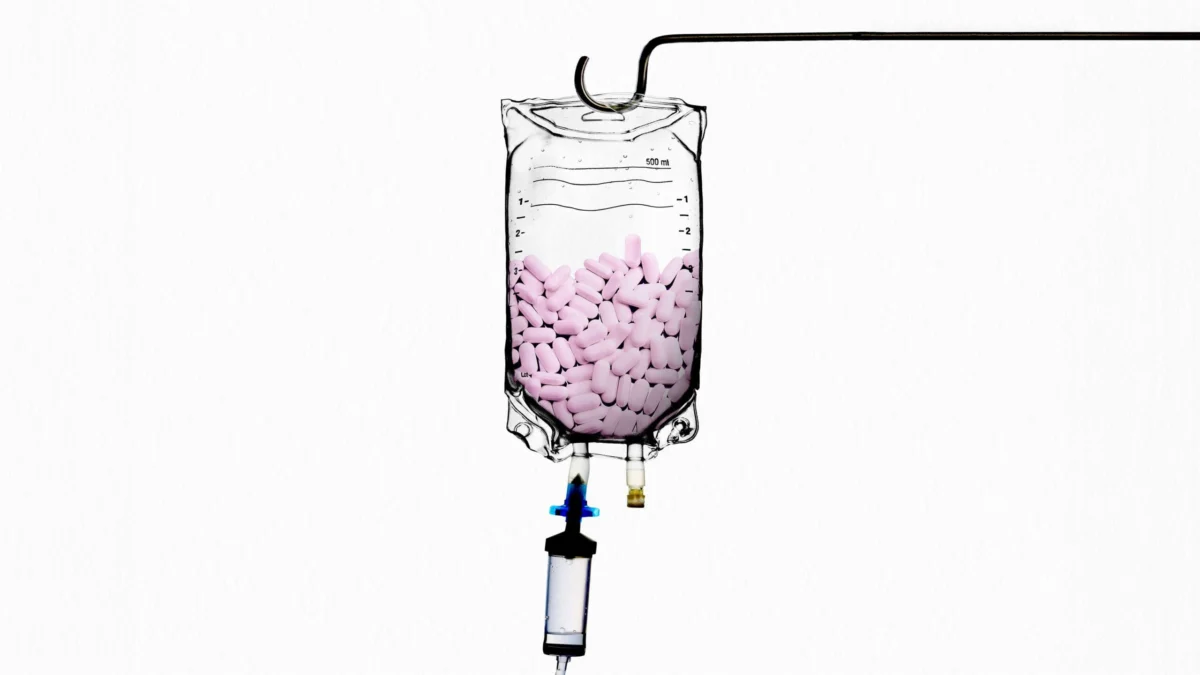
For individuals who struggle with oral supplementation or require a more rapid increase in iron levels, IV iron infusions have become a viable and increasingly popular option. These infusions deliver iron directly into the bloodstream, bypassing the gastrointestinal tract and facilitating quicker absorption. Dr. Kahn explains that common side effects include nausea, dizziness, and headaches, with rarer risks like anaphylaxis.
The author’s experience exemplifies the effectiveness of infusions. After years of oral supplementation yielding minimal improvement, her ferritin level, initially at 13, increased fivefold after just three IV treatments. Many hematologists still consider infusions a last resort, yet Dr. Akpan notes, "IV iron supplementation is still underused." Dr. Kramer emphasizes the importance of proactive treatment: "You shouldn’t wait until your ferritin is [low] and your hair is falling out all over the place and you feel terrible."
Typically, one to three infusions are sufficient to see significant improvement in iron levels, with ongoing monitoring every four to six weeks. Dr. Garshick notes that individuals may start to experience improvements in symptoms, including skin health, within a few weeks of treatment, though hair recovery can take longer, often three to six months.
Dr. LeBrett cautions against solely relying on supplementation without investigating the underlying cause of iron deficiency, as it can be a symptom of conditions like celiac disease or inflammatory bowel disease. Excessive iron intake can also lead to adverse health consequences.
A Growing Concern in Midlife
The observation that more women in midlife are seeking iron infusions is echoed by healthcare professionals and patients alike. Jennifer Conlon Pavelchak, a publicist in her 40s, frequently encountered other women at her infusion center in Long Island. After experiencing hair loss, brain fog, and joint injuries, her ferritin level was found to be 26, leading to a prescribed course of five iron infusions. She estimates that "80% of the people getting iron infusions with me every visit were women."
Both Dr. Akpan and Dr. Kramer report an increase in midlife women presenting with iron-related issues compared to a decade ago. Robin Berzin, MD, founder of Parsley Health, a functional health practice, attributes this trend partly to the rise of plant-forward diets and the increasing use of GLP-1 medications, both of which can reduce iron intake. GLP-1 medications can suppress appetite, particularly for red meat (the most absorbable iron source), and slow gastric emptying, potentially affecting iron absorption.
However, Dr. Kahn suggests that increased awareness plays a significant role, in addition to dietary and medication trends. "There’s also an intersection of multiple factors like perimenopausal bleeding changes, chronic inflammation, gut dysfunction, and women pushing themselves harder than ever professionally and personally," she states.
The relentless drive for women to "power through" challenging circumstances can inadvertently contribute to poor health habits, such as skipping meals or making less nutritious food choices, which can exacerbate iron deficiency. Dr. Kramer observes, "Women just feel like they should keep pushing," but the growing awareness of iron deficiency as a potential culprit for common symptoms is empowering women to take a more proactive approach to their health.
Pavelchak’s experience post-infusions illustrates the profound impact of addressing iron deficiency: her hair regrew thicker, energy levels stabilized, and healing from injuries improved dramatically. She now monitors her ferritin levels quarterly. Rosen, after finding oral supplements ineffective, experienced a marked improvement in energy and cognitive function following her IV infusion course. The author’s own journey, a combination of dietary changes, supplementation, and monthly infusions, has led to a significant reduction in hair shedding, relief from restless legs, and more consistent energy levels, prompting her mother to remark that she has "her color" back.
Frequently Asked Questions
What is iron deficiency? How does it differ from anemia?
Iron deficiency occurs when the body’s iron stores are depleted. Anemia, on the other hand, is a condition where there are insufficient healthy red blood cells to transport oxygen. One can be iron deficient without being anemic.
What are the most common symptoms?
Common symptoms, often considered nonspecific, include fatigue, shortness of breath, pale skin, dizziness, brain fog, muscle cramping, pica (the compulsion to eat non-nutritional items), and depression.
What is ferritin?
Ferritin is the storage form of iron, representing the body’s iron reserves. These reserves are utilized to produce red blood cells when needed.
What tests should you ask your doctor for?
A comprehensive iron panel includes serum iron level (iron in the blood), ferritin (iron stores), and often total iron-binding capacity (TIBC), which measures the blood’s capacity to carry iron.
What should you look for in a supplement?
Iron bisglycinate is widely considered the most tolerated and best-absorbed form of oral iron supplementation, with a gentler side-effect profile than ferrous sulfate.
How do you find a reputable infusion center?
IV iron infusions should be administered following a doctor’s referral, typically in a hospital or outpatient clinic setting. It is recommended to seek out physicians and advanced-practice providers with demonstrated expertise in managing iron deficiency.