










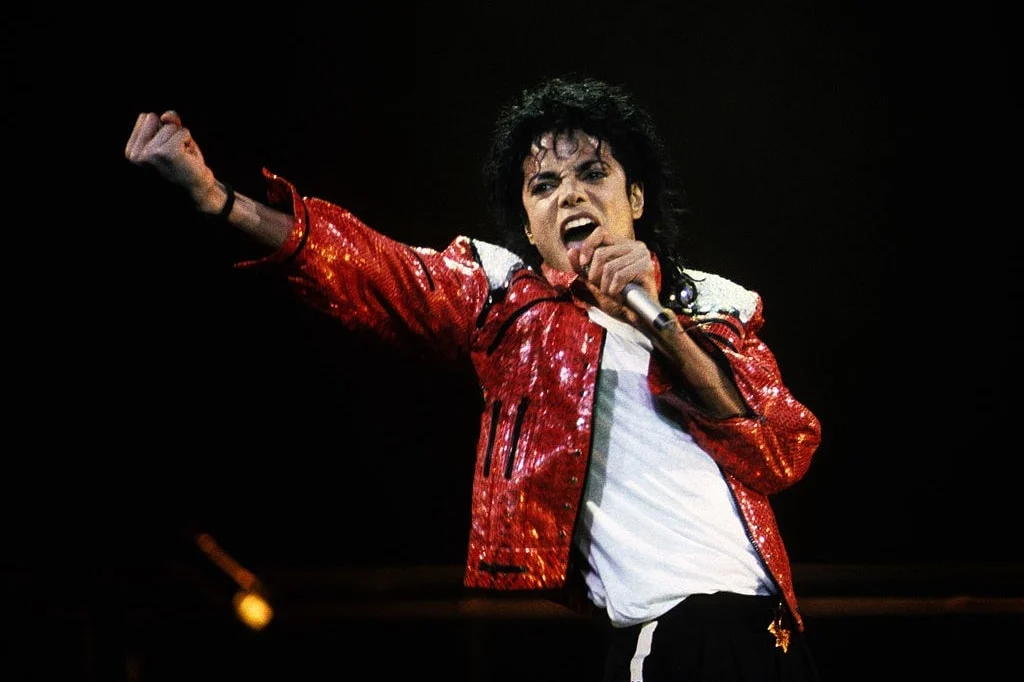
The iconic figure of Michael Jackson has re-emerged with significant force into the public consciousness, driven primarily by the 2026 release of the highly anticipated biopic, Michael. This cinematic event has not only revived interest in his unparalleled musical legacy but has also reignited complex and often contentious discussions surrounding the allegations of child sexual abuse that have shadowed his life and posthumous reputation for decades. From record charts to social media feeds, Jackson’s presence is once again ubiquitous, prompting a societal re-evaluation of his multifaceted impact and the enduring debate over separating the artist from his art.
The Biopic’s Catalytic Impact and Commercial Success
The film Michael, which chronicles the life and career of the "King of Pop," debuted in 2026 to substantial global attention. Produced with the cooperation of the Michael Jackson Estate, the biopic aimed to present a comprehensive portrayal of his journey, from his early days as a child prodigy with the Jackson 5 to his monumental success as a solo artist. Its release acted as a powerful catalyst, propelling Jackson back into mainstream conversations and media narratives.
Commercially, Michael has proven to be a resounding success, surpassing $900 million at the global box office. This impressive financial performance underscores the enduring appeal and global recognition of Michael Jackson’s brand. The film’s robust reception indicates a significant public appetite for narratives surrounding the artist, regardless of the controversies that continue to swirl around his name. Its success has naturally translated into a broader re-engagement with his artistic output, permeating various aspects of contemporary culture.
A Pervasive Cultural Resurgence: Charts and Social Media
The release of Michael has coincided with a notable resurgence of Jackson’s music across different platforms. His classic hits, staples of pop culture for decades, have experienced a significant revival on official music charts. In May 2026, for instance, "Billie Jean," one of his signature tracks, re-entered the Official Charts at number 13. Similarly, "Beat It" climbed to number 22, and "Don’t Stop ’til You Get Enough" reached number 23. This chart performance demonstrates the timeless appeal of his discography and the power of a major cultural event like a biopic to drive renewed listening.
Beyond traditional charts, Michael Jackson’s music has become a dominant force on contemporary social media platforms, particularly TikTok and Instagram Reels. Content creators and influencers are widely utilizing his songs, often employing "slowed-down" versions of tracks like "Dirty Diana" to create trending audio segments designed to boost their content’s visibility and engagement. This digital phenomenon highlights how new generations are discovering or re-engaging with his work, often detached from the historical context or controversies. The algorithmic nature of these platforms means that once a trend begins, it rapidly proliferates, making Jackson’s sound inescapable for many users. This digital ubiquity further cements his ongoing relevance in popular culture, creating a dynamic where artistic consumption often precedes, or even overshadows, deeper inquiry into his personal history.
The Enduring Shadow: Allegations and Legal Battles
Despite the renewed celebration of his music, Michael Jackson’s posthumous legacy remains inextricably linked to persistent allegations of child sexual abuse. These claims have been a recurring feature of public discourse for over three decades, forming a complex and challenging aspect of his historical narrative.
Chronology of Key Allegations and Legal Proceedings:
- 1993: The first public allegations of child sexual abuse against Jackson emerged, leading to an initial police investigation. While no criminal charges were filed at the time, Jackson settled a civil lawsuit with the accuser’s family for an undisclosed sum. This event marked the beginning of a long period of scrutiny and public speculation.
- 2003: Jackson was arrested and later charged with multiple counts of child molestation. The charges included child molestation, conspiracy, and administering an intoxicating agent (alcohol) to a minor. The arrest sent shockwaves globally, reigniting intense media coverage and public debate about his conduct.
- 2005: Following a highly publicized trial, Jackson was acquitted on all charges. The jury concluded that the prosecution had not proven its case beyond a reasonable doubt. The verdict, while legally conclusive, did little to quell public skepticism or erase the shadow of the allegations from his public image.
- 2009: Michael Jackson died on June 25, 2009, from an overdose of propofol and benzodiazepine administered by his personal physician. His death triggered a global outpouring of grief and remembrance, momentarily shifting focus from the controversies to his musical achievements.
- 2019: Leaving Neverland: A decade after his death, HBO released the two-part documentary Leaving Neverland, directed by Dan Reed. The film featured detailed testimonies from Wade Robson and James Safechuck, who both alleged that Jackson sexually abused them as children at his Neverland Ranch. The documentary prompted a significant re-evaluation of Jackson’s legacy, leading to renewed public debate, boycotts by some radio stations, and strong condemnations from the Jackson Estate, which vehemently denied the claims and filed a lawsuit against HBO. The Estate maintained that Robson and Safechuck were financially motivated and had previously testified under oath that Jackson had not abused them.
- 2026: The Cascio Family Lawsuit: In February 2026, a new lawsuit was filed against Jackson’s estate by Frank, Dominic, Marie-Nicole, and Aldo Cascio. The Cascio family, who were close to Jackson during their childhood, had previously defended him against allegations of child sexual abuse. In a notable 2010 interview with Oprah Winfrey, members of the family denied any improper conduct by Jackson. However, sixteen years later, their lawsuit alleges that they were repeatedly sexually assaulted and groomed by Jackson, claiming he referred to them as his "soldiers" – a phrase they now interpret as a designation for his front line of defense against potential accusations. This shift in their testimony adds a new, complex layer to the ongoing legal and public discourse surrounding Jackson.
Compounding these external allegations are Jackson’s own documented admissions regarding his relationships with children. He publicly acknowledged that he allowed children to sleep in his bedroom at Neverland Ranch, a practice he defended as a demonstration of innocence and trust, akin to Peter Pan. While not an admission of abuse, this practice, even by his own account, is widely considered by many to be deeply inappropriate and raises significant safeguarding concerns, regardless of the outcomes of specific legal cases.
The "Art vs. Artist" Conundrum
The renewed public focus on Michael Jackson has inevitably intensified the perennial debate about whether it is possible, or morally permissible, to separate the art from the artist. This ethical dilemma is particularly acute in Jackson’s case, given the severity and persistence of the allegations against him.
Diverse Public Perspectives:
- Denial and Defense: A significant segment of Jackson’s fanbase and supporters continues to deny the sexual abuse allegations outright, often insisting on his innocence and attributing the claims to financial motives or malicious intent. This perspective is frequently fueled by the 2005 acquittal and the perceived lack of definitive legal proof. Some adherents subscribe to intricate conspiracy theories, such as the claim (mentioned in the original content) that Jackson was protecting children from figures like Jeffrey Epstein, as a means to rationalize and defend his unconventional relationships with minors. For many Black fans, the accusations of pedophilia are seen as a racially motivated attempt to discredit an incredibly influential Black artist, whose groundbreaking impact on music and culture is undeniable. The visual nod to Jackson’s iconic diamond-encrusted glove on Drake’s recent album Iceman exemplifies the enduring artistic reverence despite personal controversies.
- Conditional Appreciation: Another group attempts to reconcile their admiration for Jackson’s music with an awareness, or even belief, in the allegations. This often involves a conscious effort to compartmentalize, appreciating the artistic genius while condemning the alleged personal conduct. This position is inherently uncomfortable, requiring individuals to navigate conflicting moral and aesthetic values.
- Outright Condemnation: For others, particularly those who believe the accusers, the allegations are insurmountable. They find it impossible to enjoy or support Jackson’s art, viewing it as a tacit endorsement of, or disregard for, the alleged suffering of his victims. For these individuals, the moral weight of the accusations outweighs any artistic merit.
This internal conflict, as highlighted by casual public discussions (like those observed in the original article’s context), reflects a broader societal struggle to define the boundaries of artistic appreciation in an era of heightened awareness regarding accountability and victim advocacy. The question of whether one can truly listen to "P.Y.T. (Pretty Young Thing)" or "Billie Jean" without the shadow of Neverland is a deeply personal and often agonizing one.
Challenges for Accusers and Broader Implications
The journey for individuals who come forward with allegations of sexual assault or abuse, especially against powerful figures, is fraught with difficulties. As seen in other high-profile cases, such as the continued legal ordeal faced by E. Jean Carroll against former President Donald Trump, accusers often face intense public scrutiny, skepticism, and retaliatory actions. Carroll, despite a 2023 verdict finding Trump liable for sexual abuse and defamation, remains embroiled in ongoing legal battles and public attacks.
Jackson’s alleged victims have faced similar, if not more intense, pushback. Following the release of Leaving Neverland, three Michael Jackson fan groups sued Robson and Safechuck in France in 2019, accusing them of "sullying" Jackson’s memory. These legal actions, alongside widespread online harassment and denial from fan communities, underscore the significant personal and legal risks associated with making such claims, particularly against a revered cultural icon. The lack of clear benefit for accusers, beyond seeking justice or sharing their truth, often serves as a counter-argument to claims of financial motivation.
Broader Cultural and Industry Implications:
- Legacy Management: The Jackson Estate faces the perpetual challenge of managing a legacy that includes both unparalleled artistic triumph and profound controversy. The biopic, while a commercial success, forces the Estate to navigate how it portrays and addresses the darker aspects of Jackson’s life, especially with new lawsuits emerging.
- The Power of Biopics: The success of Michael demonstrates the immense power of biopics to reshape public perception and reignite interest in historical figures. These films can bring new context to past events, but also simplify or selectively present complex narratives, influencing how audiences interpret legacies.
- Evolving Moral Standards: The ongoing debate reflects society’s evolving moral compass. There is an increasing demand for accountability, even posthumously, and a greater willingness to scrutinize the personal conduct of public figures. This shift is challenging the traditional separation of personal life from artistic output.
- Social Media’s Role: Social media platforms amplify both artistic appreciation and critical scrutiny, creating echo chambers for both fans and detractors. They facilitate rapid dissemination of information and opinion, making it impossible for controversies to remain confined to traditional media.
In conclusion, the 2026 release of the Michael Jackson biopic, Michael, has undeniably brought the "King of Pop" back to the forefront of global culture. His music is once again resonating across generations, dominating charts and social media. However, this artistic resurgence is inextricably intertwined with the enduring and freshly renewed allegations of child sexual abuse. The Cascio family’s 2026 lawsuit, coupled with the legacy of previous claims and the 2005 trial, ensures that Jackson’s legacy remains a battleground of conflicting narratives. The pervasive presence of his music and the intense public debate serve as a potent reminder that for figures of his immense stature, the art and the artist often remain in an uncomfortable, inseparable embrace, compelling society to grapple with the complex ethical questions inherent in appreciating a genius whose personal life remains profoundly troubling for many.