




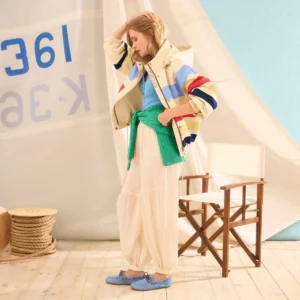
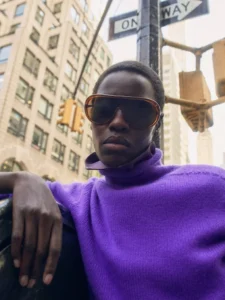

The perennial challenge of wedding season dressing is undergoing a significant transformation, with guests increasingly seeking sustainable alternatives to traditional single-use occasion wear. This shift is driven by a growing environmental consciousness and a desire to align personal values with sartorial choices, moving beyond the "wear once and discard" mentality that has long plagued the fashion industry. Curated lists of highly-rated brands, assessed by rigorous sustainability ratings systems, are now guiding consumers toward more responsible purchasing and consumption habits for wedding guest outfits, encompassing everything from gowns and suits to clutch bags and accessories.
The Environmental Imperative: Addressing Fashion Waste
Weddings, while joyous celebrations, contribute to a considerable environmental footprint, and guest attire plays an often-overlooked role. The pressure on guests to acquire new, often expensive, outfits for each event fuels a cycle of overconsumption and textile waste. Fast fashion, with its ultra-low prices and rapid trend cycles, has exacerbated this issue, making disposable clothing an accessible but environmentally detrimental option. Industry reports indicate that the average garment is worn only a handful of times before being discarded, and occasion wear often falls into the category of items with the lowest per-wear cost effectiveness. Globally, textile waste is a monumental problem, with landfills overflowing with discarded clothing, much of which contains synthetic fibers that take hundreds of years to decompose, releasing microplastics and harmful chemicals into the environment. The production of new garments also demands vast resources, including water, energy, and raw materials, often involving polluting dyes and unethical labor practices. As awareness of these issues grows, consumers are actively searching for solutions that allow them to celebrate responsibly.
The Rise of Circular Fashion Solutions
The good news is that viable and stylish alternatives are emerging, championing a circular economy approach to fashion. These solutions not only reduce environmental impact but also offer guests creative and often more economical ways to dress for special occasions.
Re-wearing and Restyling: The First Line of Defense
The most sustainable garment is often one already owned. Experts in sustainable fashion consistently advocate for checking one’s existing wardrobe first. The art of re-wearing and restyling involves creatively combining existing pieces, altering accessories, or even making minor adjustments to an outfit to give it a fresh look. This approach not only saves money but also dramatically reduces the demand for new production, minimizing resource consumption and waste. It encourages a more thoughtful relationship with clothing, fostering longevity and versatility.
The Secondhand Market Boom: A Treasure Trove of Pre-Loved Fashion
The secondhand clothing market has experienced an exponential surge in popularity, driven by both economic and environmental factors. Online platforms and physical consignment stores offer an extensive array of pre-loved garments, including high-quality occasion wear that has been worn minimally. This market provides an excellent opportunity to find unique pieces at a fraction of their original cost, while simultaneously extending the lifespan of clothing and diverting it from landfills. The stigma once associated with secondhand items has largely dissipated, replaced by an appreciation for vintage finds and the thrill of a sustainable bargain.
The Rental Revolution: Access Over Ownership
Outfit rental services have emerged as a particularly popular and practical solution for event dressing. These platforms allow guests to wear designer garments for a fraction of the purchase price, enjoying luxury fashion without the commitment of ownership or the environmental impact of a new purchase. The model promotes access over ownership, enabling a wider range of styles and higher-quality pieces to be enjoyed by multiple users. Prominent platforms leading this rental revolution include Rent the Runway, Hurr, By Rotation, Vow to be Chic, Glam Corner, and MyWardrobe, each offering diverse selections and flexible rental periods. This sector is projected to continue its rapid growth as consumers increasingly prioritize convenience, variety, and sustainability.
Navigating New Purchases: Curated Sustainable Brands
While re-wearing, secondhand, and rental options are highly encouraged, there are occasions when a new purchase is desired or necessary. In such instances, selecting brands committed to sustainable and ethical practices becomes paramount. These brands often invest in lower-impact materials, transparent supply chains, fair labor practices, and design for longevity. While conscious clothing may carry a higher upfront cost compared to fast fashion, this investment often translates to superior quality, durability, and timeless style, reducing the need for frequent replacements. Moreover, the true cost reflects ethical production and environmental stewardship. For guests operating on tighter budgets, several reputable brands are making sustainable fashion more accessible.
Spotlight on Sustainable Attire Brands (Clothes)
Here’s a selection of top-rated brands offering more sustainable wedding guest attire:
- OMNES: This UK-based brand is celebrated for its commitment to responsible and affordable womenswear. OMNES actively aims to disrupt traditional shopping habits, encouraging a more thoughtful approach to clothing consumption. Their collections, available in sizes 6-20, emphasize high quality and timeless design, ensuring garments can be worn and loved for years beyond a single event.
- Ninety Percent: A British label with a unique mission, Ninety Percent shares 90% of its profits with charitable causes and its garment makers. The brand’s transparency regarding its suppliers and factories sets a high standard for ethical production. Offering stylish womenswear in UK sizes 2XS-2XL, it exemplifies how fashion can be both elegant and socially responsible.
- Jiwya: This brand stands out for its use of lower-impact, plant-based materials and its dedication to heritage techniques like hand-spinning and hand-weaving. Jiwya’s focus on traditional craftsmanship ensures unique, high-quality pieces that carry a story. They currently offer an exclusive 10% off for first orders with code JIWYAGOOD10, making their distinctive, consciously crafted items more accessible.
- Coco & Kandy: Hailing from Bulgaria, Coco & Kandy specializes in uncomplicated, high-quality warm-weather clothing. The brand prioritizes lower-impact materials, diligently traces most of its supply chain, and conducts regular visits to its suppliers to ensure ethical practices. Their commitment to transparency and responsible production makes them a reliable choice for conscious consumers.
- AYANI: AYANI epitomizes affordable luxury through timeless, feminine, and effortlessly elegant clothing. Designed for ultimate comfort and confidence, their pieces are crafted with an emphasis on enduring style, ensuring versatility and longevity in a guest’s wardrobe.
- Christy Dawn: A US-based brand, Christy Dawn champions a minimalist aesthetic with vintage-inspired women’s clothing and footwear. What truly sets them apart is their use of surplus fabric, locally made, effectively diverting textile waste. With offerings in standard sizes XS-XL, as well as Extended and Petite collections, they cater to a diverse range of body types while upholding strong sustainability principles.
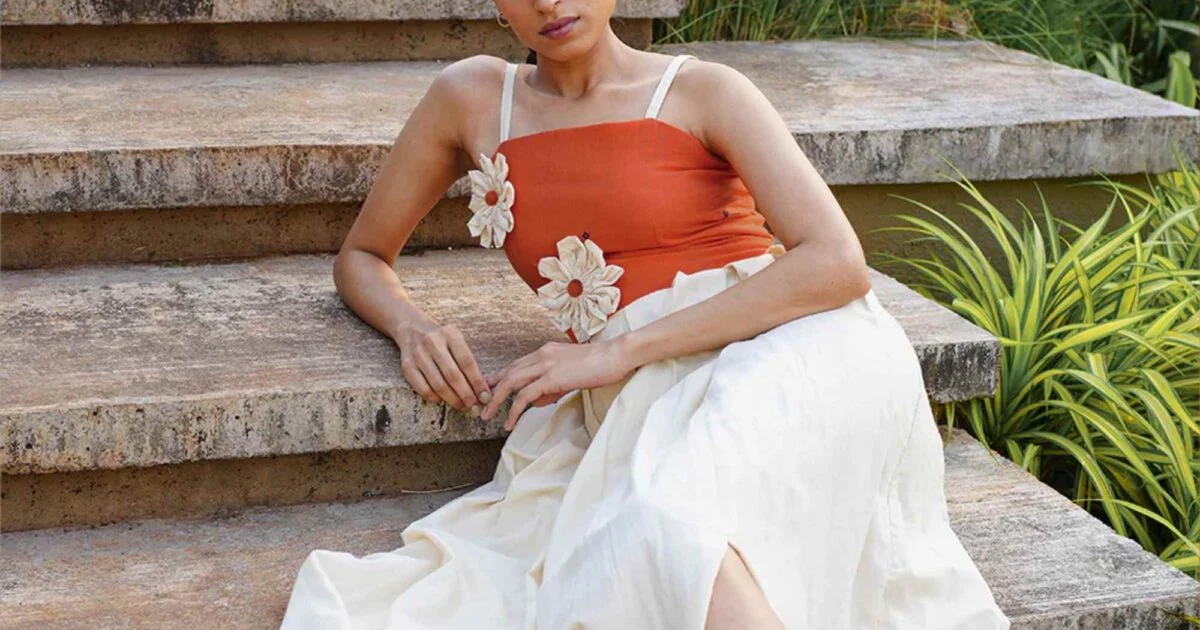
- The Summer House: Based in India, The Summer House creates beautiful womenswear using locally made, lower-impact fabrics. The brand actively partners with local artisans and NGOs, providing vital opportunities within the region. Their elegant prints and flowing silhouettes offer distinctive choices. They provide various offers, including a complimentary handwoven basket on orders above USD500 with code SUMMERBASKET and an exclusive 15% off site-wide with code GOODSUMMER, promoting both sustainable choices and local craftsmanship.
- SeamsFriendly: This brand is a pioneer in tailored, customizable pieces designed for all body types. SeamsFriendly focuses on function and utility, utilizing lower-impact materials like organic cotton and linen. Their unique selling proposition is the ability for shoppers to customize designs—altering neck style, depth, sleeve length, garment length, fabric, and more. This bespoke approach ensures a perfect fit and reduces returns, a significant source of fashion waste. With extensive sizing (womenswear bust 26″-70″, waist 19″-63″; menswear chest 34″-76″; kids’ ranges), they offer unparalleled inclusivity. Exclusive offers include 10% off reversible/convertible clothing and most-loved designer styles with code SF-GY10.
- OhSevenDays: Founded by Australian-Canadian Megan Mummery, OhSevenDays promotes slow fashion and circularity from its base in Istanbul. The brand innovatively reclaims end-of-roll fabrics from local garment factories, transforming "fast fashion’s leftovers" into sharp, wearable everyday womenswear. Available in sizes XS-XL and custom sizing, OhSevenDays demonstrates a compelling model for waste reduction in fashion.
- SANTICLER: An US-based label, SANTICLER offers timeless collector pieces with modern silhouettes. As an early advocate of slow fashion, the brand designs and produces with intention, reducing waste and incorporating lower-impact materials such as GOTS-certified cotton and responsibly sourced wool. Most items are available in sizes XS-L.
- Akyn: Founded by sustainable fashion industry luminary Amy Powney, Akyn delivers contemporary and timeless womenswear crafted from lower-impact materials, reflecting a deep commitment to environmental responsibility.
- ASKET: Since 2015, ASKET has focused on creating timeless wardrobe essentials with revolutionary sizing and fair pricing. By eschewing seasonal collections and cutting out middlemen, ASKET dedicates itself to building a single permanent collection, available in sizes 2XS-2XL, ensuring longevity and classic appeal.
- Facettes Studio: This Parisian brand offers "wardrobe essentials for the multifaceted woman," centered around suits made from upcycled materials. Facettes Studio has explicitly banned polyester and polyamide, and further supports garment longevity with a repairs and alterations service, available in sizes FR 34-44.
- CARPASUS: A Swiss menswear brand, CARPASUS specializes in fine shirts, ties, socks, and pocket squares. They use GOTS certified cotton and prioritize local manufacturing to reduce their carbon footprint. Their commitment extends to tracing their supply chain and ensuring workers receive a living wage, with products available in EU sizes 36-46.
- Opera Campi: The Italian brand Opera Campi, established in 2017, produces premium quality garments from locally-sourced raw materials. Their balanced approach to sustainability spans the entire supply chain, and they donate 4% of their profits to social causes. The brand offers inclusive sizing from 3XS-3XL.
- Artknit Studios: True to its motto of "buy less, buy better," Artknit Studios creates timeless knitwear from 100% lower-impact materials, responsibly made by Italian artisans. Their partners adhere to anti-waste practices, using only certified and locally-sourced fibers. Items are offered in sizes XS-XXL.
Elevating the Look: Sustainable Accessories
Accessories are crucial for completing a wedding guest ensemble, and sustainable options are readily available.
- FUTURA Jewelry: A New York-based responsible jewelry brand, FUTURA Jewelry crafts each piece from mercury-free 18kt Certified Fairmined Ecological gold. This gold is sourced from the world’s only three certified Fairmined mines that extract gold without toxic chemicals like mercury and cyanide, ensuring an exceptionally clean and ethical supply chain.
- Bario Neal: This custom jewelry designer creates handmade rings and fine jewelry using conflict-free diamonds and other gemstones. Bario Neal’s commitment to lower-impact materials includes reclaimed precious metals, Fairmined gold, and ethically sourced stones, resulting in uniquely designed pieces that resonate with conscious consumers.
- ARTICLE22: A truly innovative brand, ARTICLE22 creates jewelry locally handcrafted in Laos from recycled materials derived from Vietnam War bombs, plane parts, military hardware, and other aluminum scraps. This not only produces globally marketable products but also equips local artisans with new skills and sustainable income. A portion of profits is dedicated to clearing unexploded bombs in Laos and supporting community development. The range is available in sizes S-XL.
- Mashu: This British vegan accessories label specializes in handbags, earning a "Good" environmental rating. Mashu utilizes vegan leather alternatives for its exteriors and vegan suede from recycled polyester for interiors, proving that style and ethical choices can coexist harmoniously. The Iris Creme Bag, for example, is a popular choice, shipping internationally from the UK.
Conscious Footwear Choices
Completing the outfit requires thoughtful footwear, and sustainable brands are stepping up.
- ESSÄN: Founded in 2016 by Marre Muijs, ESSÄN was a direct response to fashion’s wasteful overproduction and trend-chasing. This shoes and accessories brand eschews seasonal calendars in favor of a single, permanent collection, limiting production runs and employing low-waste cutting techniques. Their approach emphasizes thoughtful craftsmanship and enduring style.
- Agazi: From Poland, Agazi is a vegan footwear brand offering sneakers, sandals, heels, and flat shoes. All products are crafted from non-animal-derived materials, including innovative alternatives like hemp, apple skin, and grape-based leathers, providing stylish and ethical options for every occasion.
Economic Considerations and Accessibility
While the perception often exists that sustainable fashion is exclusively high-end, the market is diversifying. The brands listed above demonstrate a spectrum of price points, with options like OMNES, SeamsFriendly, and Ninety Percent offering more accessible choices without compromising on ethical standards. The initial investment in a well-made, sustainable piece might be higher than a fast-fashion garment, but its durability, timeless design, and ethical provenance offer greater long-term value and reduce the need for constant replacement. Furthermore, the burgeoning rental and secondhand markets provide cost-effective avenues to access high-quality occasion wear, effectively democratizing sustainable fashion.
The Broader Impact: Shifting Consumer Mindsets
The increasing demand for sustainable wedding guest attire signals a broader shift in consumer behavior and industry practices. This movement challenges the linear "take-make-dispose" model of fashion and champions principles of circularity, transparency, and ethical production. As more guests opt for re-wearing, renting, buying secondhand, or investing in responsibly made new pieces, the collective impact on reducing textile waste and promoting fair labor practices grows significantly. This trend is not merely a fleeting fashion statement but a fundamental re-evaluation of consumption patterns, driven by a deeper understanding of fashion’s environmental and social consequences. It encourages designers to innovate with materials and production methods, retailers to prioritize transparency, and consumers to become more conscious participants in the fashion ecosystem.
Conclusion
Wedding season no longer needs to be a source of sartorial stress or environmental guilt. The expanding landscape of sustainable choices for wedding guest attire empowers individuals to celebrate life’s special moments while upholding their commitment to a more responsible and ethical future. From embracing existing wardrobes and exploring vibrant secondhand markets to utilizing innovative rental services and supporting pioneering sustainable brands, the options are plentiful and stylish. This evolving approach to occasion wear is not just about looking good, but about doing good, reflecting a growing collective consciousness that seeks to weave sustainability into every fabric of our lives.
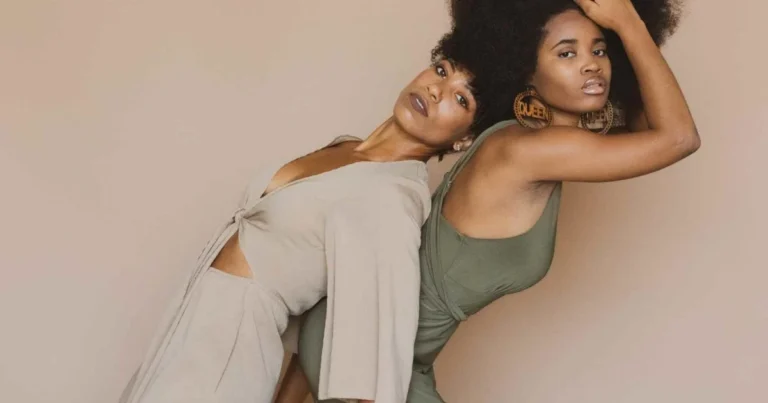
Editor’s Note: Feature image via Jiwya, all other images via brands mentioned. Good On You publishes the world’s most comprehensive ratings of fashion and beauty brands’ impact on people, the planet and animals.
We updated this article on 4 June 2026. Our editors frequently make updates to articles to ensure they’re up to date. We refreshed our round-up of brands and products.