









The latest installment of aBlogtoWatch Weekly, a popular recurring segment available on the aBlogtoWatch YouTube channel, has delved into the dynamic world of contemporary watchmaking, dissecting new releases and broader industry trends with its signature blend of insightful analysis and engaging discussion. This week’s episode, hosted by Rick and Ariel, navigates a landscape marked by the resurgence of integrated bracelet sports watches, avant-garde design explorations, and the perennial debates that fuel watch enthusiast communities.
The Integrated Bracelet Renaissance: Beyond the Trend
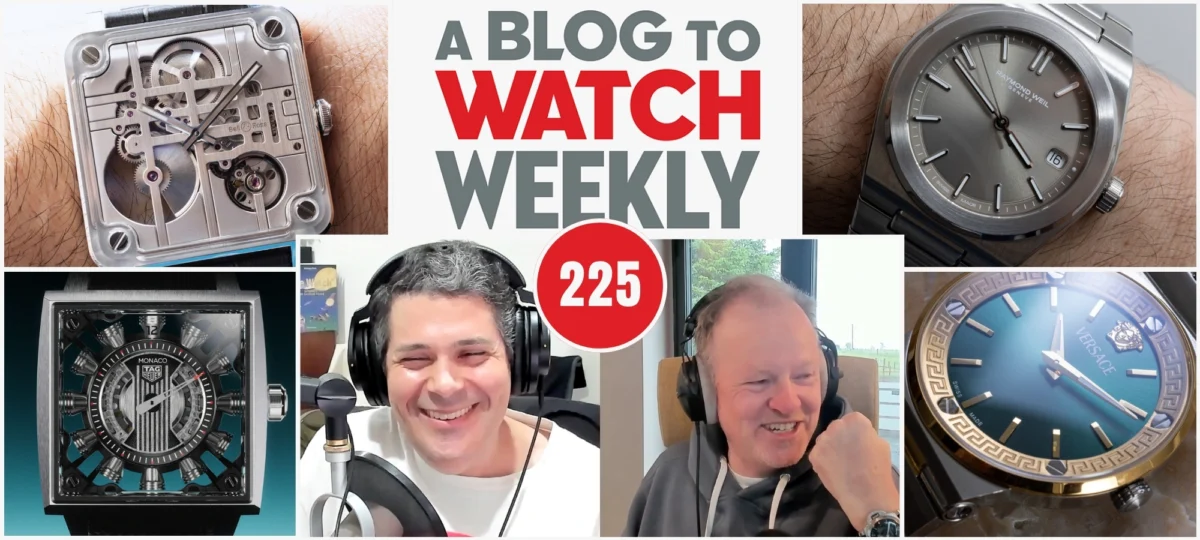
A significant portion of the discussion revolved around the new Raymond Weil ART, a release that prompts a critical examination of the integrated bracelet sports watch category. This design, characterized by a bracelet seamlessly merging with the watch case, experienced a golden age in the 1970s with iconic models like the Audemars Piguet Royal Oak and the Patek Philippe Nautilus. After a period of relative dormancy, it has witnessed a powerful revival in recent years, with numerous brands, from established luxury houses to independent manufacturers, revisiting this aesthetic.
The Raymond Weil ART, in this context, is not merely a new watch but a case study in how current brands are engaging with this historical design language. The hosts questioned whether the ART represents a genuinely compelling evolution within this genre or if it risks becoming another iteration of a popular, albeit sometimes over-saturated, trend. The integrated bracelet design offers distinct advantages: it often leads to a more harmonious and aesthetically cohesive watch, with the bracelet engineered to complement the case’s lines, creating a unified sculptural form. Furthermore, it typically contributes to enhanced wearer comfort due to a balanced weight distribution and a fluid connection to the wrist.
The debate extends to the broader market implications. The proliferation of integrated bracelet sports watches suggests a market hunger for timepieces that blend sporty functionality with refined elegance. Brands that successfully execute this design often tap into a desire for versatile watches capable of transitioning from casual to formal settings. However, the risk of dilution is real; as more brands enter the space, maintaining distinctiveness and innovation becomes paramount. The success of models like the Royal Oak and Nautilus can be attributed not only to their design but also to their historical significance and the brand heritage they represent. New entrants, like the Raymond Weil ART, face the challenge of carving out their own niche and proving their long-term appeal beyond fleeting fashion cycles.
Micro-Rotors and the Pursuit of Novelty
Beyond the integrated bracelet, the conversation touched upon the increasing prevalence of micro-rotor movements in contemporary watchmaking. This intricate complication, where a smaller, typically oscillating rotor is used to wind the mainspring, allows for slimmer watch profiles and offers a visually distinct alternative to traditional automatic winding systems. Brands are increasingly leveraging micro-rotor technology not just for its functional benefits but also as a design differentiator, often showcasing the mechanism through open-worked dials or sapphire casebacks.
The hosts explored the motivations behind this trend. For some brands, it’s a means to offer a high-end complication in a more wearable and aesthetically pleasing package. For others, it’s an opportunity to demonstrate technical prowess and innovation, setting themselves apart in a competitive market. The rise of micro-rotors signifies a segment of the industry focused on miniaturization and sophisticated engineering, appealing to collectors who appreciate horological complexity. However, it also raises questions about cost and accessibility, as micro-rotor movements are generally more complex and expensive to produce, placing these timepieces at a higher price point.
Art, Cubism, and the Boundaries of Design
The discussion then shifted to Bell & Ross’s foray into art-inspired design, specifically referencing a new cubist-leaning release. This move signifies a deliberate effort by brands to engage with artistic movements and push the boundaries of traditional watch aesthetics. Bell & Ross, historically known for its aviation-inspired and functional timepieces, has been increasingly exploring more unconventional designs. This engagement with modern art suggests a strategy to attract a different demographic of collectors and to position the brand as a purveyor of avant-garde luxury.
The implications of such design choices are multifaceted. On one hand, they can generate significant buzz and media attention, elevating a brand’s profile. They can also appeal to collectors seeking watches that are not just timekeeping instruments but also wearable art pieces. However, adopting radical design aesthetics carries inherent risks. The success of such pieces often depends on the brand’s ability to maintain its core identity while experimenting. A design that is too avant-garde might alienate its traditional customer base or fail to resonate with a broader audience. The "cubist-leaning" design, for instance, invites a comparison to the fragmented, geometric forms characteristic of Cubist art, potentially offering a visually arresting and thought-provoking timepiece. This approach can be seen as a strategic move to differentiate from competitors who adhere to more conventional aesthetics.

The TAG Heuer Monaco Speed and the Jumping Hour
The TAG Heuer Monaco Speed, with its unusual jumping hour display, also came under scrutiny. The jumping hour complication, where the hour numeral instantly advances to the next hour at the top of the hour, is a relatively uncommon feature, often found in more haute horlogerie pieces. Its integration into the iconic Monaco case, a design historically associated with racing chronographs, presents an interesting juxtaposition.
The hosts debated the merits of this complication in the context of a sports watch. While it offers a unique visual and functional experience, it also raises questions about practicality. For everyday time-telling, a traditional minute and hour hand arrangement is generally more intuitive. However, for collectors, the rarity and ingenuity of a jumping hour display can be a significant draw. TAG Heuer’s decision to implement this complication in the Monaco line could be interpreted as an effort to inject novelty and horological interest into one of its most recognizable collections, potentially attracting enthusiasts who appreciate both the heritage of the Monaco and the innovation of the jumping hour. The historical context of the Monaco, linked to motorsports and innovation, provides a fertile ground for such experimental complications.
Square Watches: A Niche Appeal or a Misunderstood Format?
The discussion broadened to encompass the often-polarizing world of square watches. While round watches dominate the market, square and rectangular timepieces offer a distinct aesthetic that can be either highly appealing or surprisingly challenging for wearers. The hosts explored the reasons behind the relative rarity of square watches compared to their round counterparts. Factors such as case manufacturing complexity, the perceived comfort on the wrist, and established design conventions likely play a role.
The conversation posed the question: do square watches deserve more appreciation for their unique visual character, or do they inherently present design and wearability challenges that limit their widespread adoption? The case shape significantly influences how a watch sits on the wrist and how its dial is perceived. A square watch can offer a larger visual surface area for the dial, allowing for more intricate designs or larger numerals, but it can also lead to the watch appearing larger than a round equivalent of the same diameter. This debate highlights the subjective nature of watch aesthetics and the diverse preferences within the collector community.
The Unpredictable Lighter Side: Lume, AI, and Hollywood Dreams
Amidst the more technical and design-focused discussions, the episode also featured the characteristic aBlogtoWatch Weekly penchant for engaging in more tangential, yet relatable, conversations. The debate about sleeping with watches on touches upon the personal relationship enthusiasts have with their timepieces, often treating them as extensions of themselves. The mention of "lume at 3 am" humorously acknowledges the fascination with luminous watch dials, a feature that, while practical in low light, can also be a source of quiet admiration for its technical execution.
Frustrations with AI, a ubiquitous technology impacting various industries, likely resonated with viewers, reflecting a shared experience of navigating its evolving capabilities and limitations. Finally, the notion of Bell & Ross needing a "big Hollywood moment" is a lighthearted suggestion that success in the watch world can sometimes be amplified by prominent placements in popular culture, a strategy that has historically benefited many luxury brands. These lighter moments underscore the inclusive and conversational nature of the aBlogtoWatch Weekly series, making it more than just a product review segment but a genuine community interaction.
Broader Impact and the Future of Watchmaking
The discussions on aBlogtoWatch Weekly offer a valuable snapshot of the current state of the watch industry. The emphasis on integrated bracelets, micro-rotors, and artistic design choices reflects a market that is simultaneously looking to its heritage for inspiration and pushing the boundaries of innovation. Brands are experimenting with materials, complications, and aesthetics to capture the attention of a discerning clientele.
The success of these ventures will ultimately be determined by their ability to strike a balance between novelty and enduring appeal, technical excellence and wearability, and artistic expression and brand identity. As the industry continues to evolve, segments like aBlogtoWatch Weekly play a crucial role in fostering informed dialogue, helping enthusiasts understand the driving forces behind these developments and shaping their own perspectives on the future of horology. The recurring format, now a staple for watch lovers seeking authentic conversations, ensures that these evolving trends and debates will continue to be explored in depth.