





For decades, societal norms and pervasive advertising campaigns have conditioned individuals to view the emergence of gray hair with a sense of urgency, often prompting immediate action to conceal these natural changes. The beauty industry, through decades of promoting at-home hair color solutions, has perpetuated the narrative that silver strands are something to be eradicated. This ingrained pressure, coupled with age-old myths about plucking gray hairs leading to more growth, has created a complex relationship with aging and appearance. However, a burgeoning trend, aptly named "quiet silver," is actively challenging this deeply entrenched perspective. This movement champions the beauty of embracing gray hair, advocating for a seamless integration of natural silver with existing hair color, rather than outright concealment.
The concept of a more graceful transition into one’s natural gray phase is not entirely novel. As far back as 2020, beauty publications were highlighting techniques like "gray blending," where colorists expertly weave in shades that complement and camouflage emerging grays, creating a natural, multi-dimensional look. Stylist Farah Hurdle, based in San Diego, has been a proponent of this approach, which involves strategically highlighting areas with more silver and lowlighting darker sections to create a harmonious blend. This technique aims to diffuse the stark contrast often associated with transitioning to gray, offering a softer and more natural progression.
More recently, the term "quiet silver" has gained traction, popularized by Annabelle Taurua of Fresha, a booking platform, during an interview with Glamour. This rebranding signifies a broader cultural shift, where embracing natural aging processes is increasingly being reframed as a sign of confidence and self-acceptance. The resurgence of this conversation points to a growing desire among consumers to move away from the constant pursuit of youth and instead celebrate the beauty of maturity. This trend reflects a wider societal recalibration, where individuality and authenticity are being prioritized over conventional beauty standards.
Understanding the "Quiet Silver" Aesthetic
The "quiet silver" trend is not about a sudden, dramatic shift to fully gray hair. Instead, it focuses on a subtle and sophisticated integration of natural gray strands with the hair’s original color. The goal is to create a look that is both natural and intentionally styled, allowing the gray to appear as a deliberate choice rather than an unavoidable consequence of aging. This approach celebrates the unique texture and shade that gray hair brings, transforming it into a desirable attribute.
The process begins with a professional consultation. Colorists assess an individual’s natural base color, the density and distribution of their gray hair, and their personal aesthetic goals. This personalized approach ensures that the resulting blend is tailored to each client, creating a seamless and flattering transition.
Professional Techniques for Achieving Quiet Silver
Colorists employ a variety of techniques to achieve the coveted "quiet silver" look. Farah Hurdle’s "gray blending" method, for instance, involves a strategic application of highlights and lowlights. "Initially, we’re trying to highlight the areas where they have more silver, and then on the areas where they might be darker, we’re lowlighting," Hurdle explained in a previous interview with Allure. This is often achieved using toners and demi-permanent color to add depth and dimension around the gray strands, preventing a flat or unnatural appearance.
L’Oréal Professionnel has introduced an application method called "French blending," designed to cater to all levels of gray acceptance. Jacob Habib Khan, a stylist and global creative contributor for the brand, describes this method as being "formulated for the shade that’s right for you using one of three different coloring techniques—first blending, retouch blending, and total blending—to not only cover gray hair, but also blend them for a more natural look and seamless grow-out."
- First Blending: This technique focuses on creating contrast with the initial patches of gray hair, resulting in a natural, camouflaged effect. It’s a restrained approach that promotes softer regrowth between salon visits.
- Retouch Blending: The aim here is to move away from the harsh "helmet effect" and the distinct line of demarcation that often accompanies full gray coverage. This method softens the banding, creating a more blended transition.
- Total Blending: This approach fully embraces the gray, leading to a more visible and transformative change. It’s for those who are ready to fully commit to a gray-centric look.
Khan further elaborates that "French blending" is fundamentally a personalized strategy. Depending on the client, techniques can range from micro-teasing, which involves gently back-combing thin sections of hair before applying lightener, to balayage. The core principle is "mirroring and re-creating the gray pattern to give the best possible blend for each client."
Victoria Suarez, a colorist at Anushka Spa & Salon in Palm Beach, notes that lighter natural hair colors can sometimes make the transition to "quiet silver" appear more seamless. "The blend is much better since the two colors do not have such a stark contrast," she observes. However, she emphasizes that this does not exclude individuals with darker hair from achieving this look. Khan concurs, stating that "absolutely any hair color" can look stunning with the addition of blended grays.
At-Home Strategies for Embracing Quiet Silver
While salon professionals universally recommend professional guidance for achieving "quiet silver," acknowledging the complexity and nuance involved, some stylists offer reluctant advice for those determined to attempt it at home. Chloe Williams, a hairstylist and co-owner of He+Loe Studio in Delray Beach, Florida, suggests using a demi-permanent color that doesn’t provide 100% coverage. "This would just add a bit of a tint to the hair without the opaque gray coverage of your typical single process," she explains.

Shvonne Perkins, master colorist and education director at Madison Reed, supports this approach, referring to it as "gray camouflage." She explains that this method results in some hairs being almost entirely covered while others are tinted, shaded, or camouflaged, creating a more dimensional and multi-tonal effect. Madison Reed’s ColorWonder Demi-Permanent Hair Color is recommended for its ability to achieve this subtle blend, offering a natural appearance that fades gradually. Similarly, dpHue Color Dream Demi-Permanent Kit is another at-home option for those seeking a gentle introduction to gray blending.
For a temporary solution, Madison Reed offers the Gray Escape Hair and Brow Mascara. Perkins describes it as a "complete problem solver," easy to use by swiping from root to end on targeted strands. Brow tint wands can also be utilized for this purpose, with brands like Tarte Busy Gal Brows and Kosas Air Brow Tinted Gel being popular choices for subtly enhancing or blending brow hair.
Maintaining Your Quiet Silver Hue
The journey to embracing gray hair can be a gradual one, and the "quiet silver" phase offers a comfortable and stylish intermediate step. Maintaining this look requires attention to detail, particularly regarding tone and brassiness.
For lighter base colors, Suarez recommends using a purple shampoo once a week. This helps to neutralize any yellow or brassy undertones that can develop. The milk_shake Icy Blond Shampoo and Pravana Perfect Blonde Toning Shampoo are lauded for their effectiveness in maintaining cool, ash-toned blondes.
For darker hair, the focus shifts to preserving richness and preventing color stripping. Suarez suggests using color-safe shampoos like Biolage Color Last Shampoo or Wella Professionals Ultimate Color Shampoo, which are formulated to protect dyed hair and maintain its vibrancy.
Hair masks can also play a crucial role in maintaining the health and appearance of colored or graying hair. The Isima Súperbomba Triple Repair Peptide Hair Mask offers a quick five-minute treatment for repairing damaged strands. The K18 Leave-In Molecular Repair Hair Mask provides a leave-in solution for deeper restoration.
While color-depositing glosses can be unpredictable, clear glosses offer a safe way to enhance shine and vibrancy without altering the color. The Ouai Hair Gloss and Playa Nuevasol Fragrance-Depositing Gloss Rinse For Hair are recognized for their ability to boost shine and combat dullness, keeping the hair looking healthy and lustrous.
The Broader Implications of the Quiet Silver Movement
The rise of the "quiet silver" trend signifies a more profound cultural shift regarding our perception of aging and beauty. Historically, society has placed immense pressure on individuals, particularly women, to mask the physical signs of aging. This has fueled a multi-billion dollar beauty industry focused on anti-aging products and services. However, a growing counter-narrative is emerging, one that celebrates natural beauty and self-acceptance.
The "quiet silver" movement can be seen as an extension of broader trends like body positivity and the rejection of unattainable beauty standards. It empowers individuals to make choices about their appearance based on personal preference rather than societal expectation. This shift has implications for the beauty industry itself, potentially leading to a greater demand for products and services that enhance natural features rather than conceal them.
Furthermore, the normalization of gray hair can have a positive impact on self-esteem. When individuals feel empowered to embrace their natural appearance, it can lead to increased confidence and a more authentic sense of self. This movement is not just about hair color; it’s about a broader acceptance of the aging process as a natural and beautiful part of life.
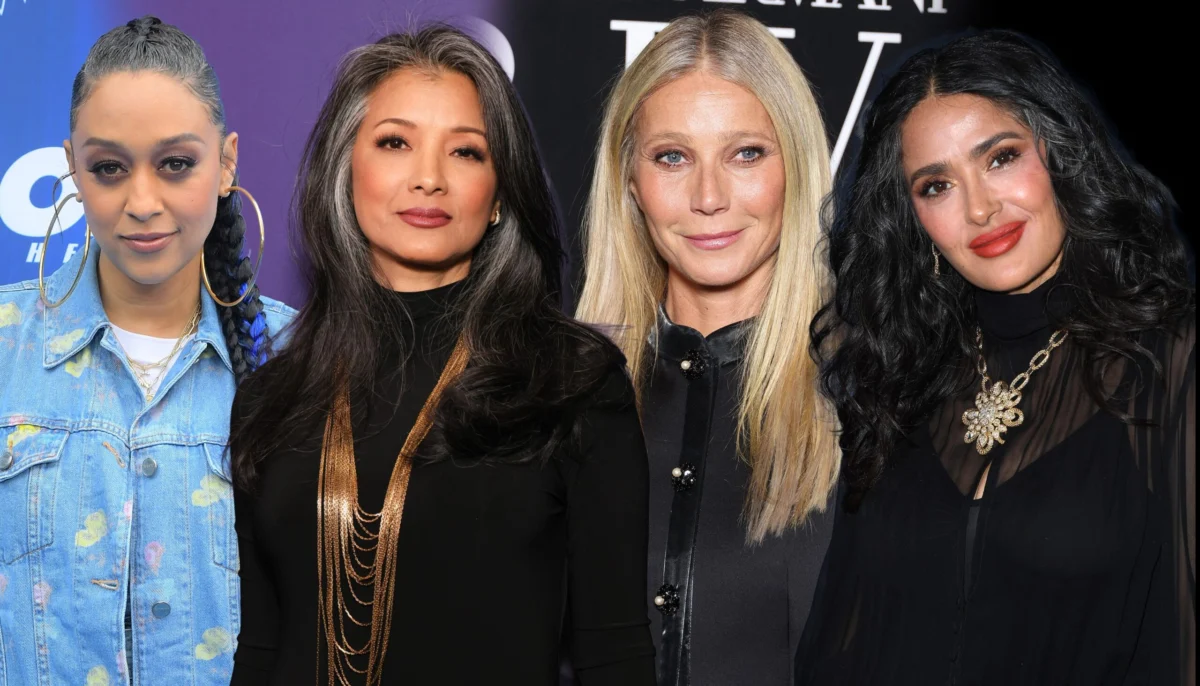
Celebrities have played a significant role in popularizing this trend. Figures like Jessica Chastain, known for her vibrant red hair, have occasionally experimented with softer, more blended gray tones, showcasing the versatility and elegance of this aesthetic. Their public embrace of these looks helps to destigmatize gray hair and inspire others to consider a similar approach. The increasing visibility of diverse hair colors and textures in media and popular culture is a testament to this evolving landscape, encouraging a more inclusive and celebratory approach to beauty at all ages. The "quiet silver" trend, therefore, represents not just a hairstyle, but a movement towards greater self-love and the redefinition of beauty standards for a more inclusive future.