











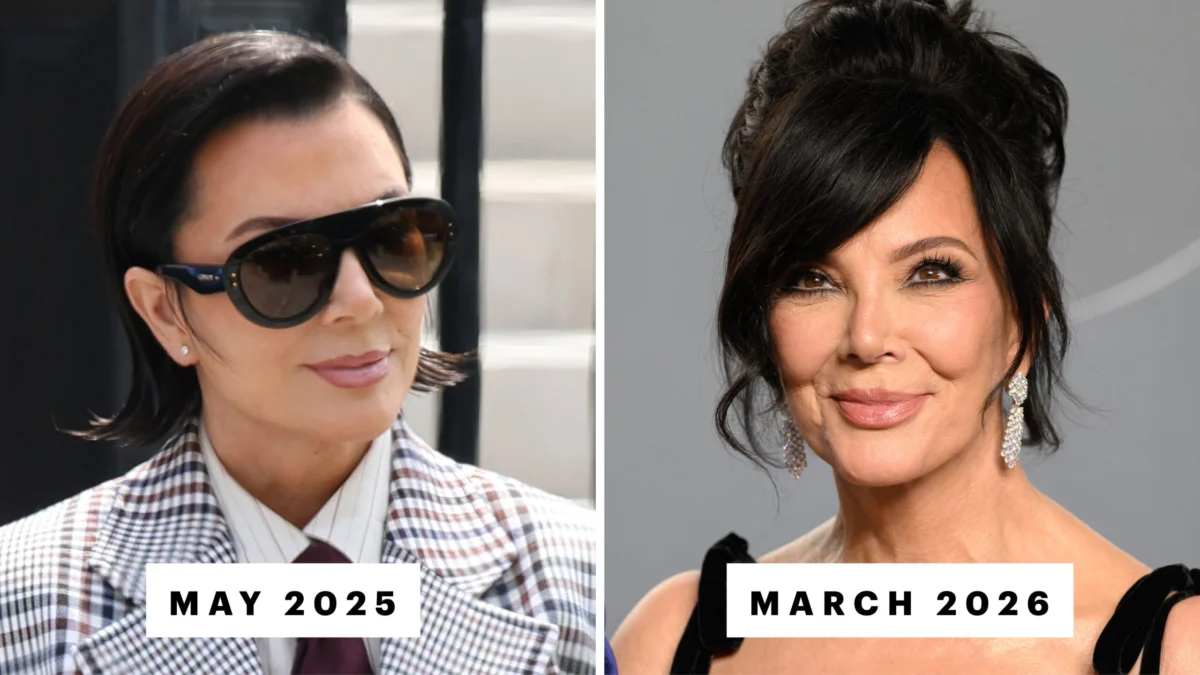
The public fascination with Kris Jenner’s aesthetic choices, particularly her recent facelift, has once again ignited a flurry of discussion, drawing both criticism and professional commentary from the plastic surgery community. While the media’s focus on celebrity appearances often invites scrutiny, the renewed interest in Jenner’s facial rejuvenation warrants a deeper examination of the reported dissatisfaction, the surgical techniques involved, and the broader implications for patient trust and transparency in the cosmetic surgery field. This report delves into the known facts, the surrounding speculation, and the expert perspectives shaping the narrative around Jenner’s latest cosmetic procedure.
The Genesis of the Speculation: Whispers of Dissatisfaction
The current wave of discussion was purportedly sparked by a report from Radar Online, which cited an anonymous source close to Jenner claiming her facelift was "already slipping" and that she was "desperate to get a revision" due to dissatisfaction with the results. This assertion, if true, would represent a significant concern for any individual who has undergone a major surgical procedure. However, the unsubstantiated nature of this claim immediately raises questions about its veracity and the motivations behind its dissemination.
It is crucial to acknowledge that the personal outcomes of any surgical procedure are known only to the patient and their surgeon. In the absence of direct confirmation from Jenner or her medical team, any discussion regarding the perceived success or failure of her facelift remains speculative. Nevertheless, the plastic surgery community has been quick to weigh in, with various surgeons sharing their professional opinions on social media platforms.
A Divided Surgical Front: Public Jabs and Professional Ethics
The reactions from plastic surgeons have been notably divided. Some have publicly criticized the type of facelift Jenner is rumored to have undergone, specifically mentioning the SMAS (superficial musculoaponeurotic system) facelift. These critiques often position the deep plane facelift as a superior technique for longevity and natural-looking results, suggesting that the SMAS approach may not "hold up as well."
However, this public commentary has also drawn sharp rebukes from within the medical profession. Dr. Charles Galanis, a Beverly Hills plastic surgeon, voiced his concerns on his Instagram Stories, stating that he had heard from a "very reliable source" that the rumor about Jenner’s dissatisfaction was "actually not true." Dr. Galanis further criticized the trend of surgeons publicly dissecting a colleague’s work and a patient’s alleged experience, labeling such behavior as a "bad look" for the field. He emphasized the importance of fostering a more supportive and educational environment within plastic surgery, advocating for collective efforts to "prop each other up" and "educate the masses in a positive way without having to step on someone else to do it." This sentiment highlights a growing concern about the ethical implications of social media-driven critiques of patient outcomes, which can erode patient trust and discourage open communication.
Unpacking the Surgical Details: SMAS vs. Deep Plane Facelifts
To understand the nuances of the surgical debate, it is essential to differentiate between the commonly discussed facelift techniques.

The SMAS Facelift: A Layered Approach
The SMAS facelift targets the superficial musculoaponeurotic system, a fibrous tissue layer beneath the skin that plays a crucial role in facial expression and support. Surgeons employing this technique aim to lift and tighten this layer to address sagging in the mid and lower face.
- Lateral SMASectomy: Dr. Steven Levine, the surgeon reportedly behind Kris Jenner’s procedure, is known for specializing in a specific type of SMAS facelift that includes a lateral SMASectomy. This technique involves excising a strip of the SMAS tissue in the lateral (side) part of the face before re-suturing its edges. This is often performed in conjunction with a deep structural neck lift, which addresses tissues beneath the platysma muscle to sculpt the neck.
- Longevity of SMAS Lifts: While effective, the longevity of traditional SMAS facelifts can vary. Some surgeons suggest that results may begin to diminish within three to five years, particularly in older patients.
The Deep Plane Facelift: A Deeper Dissection
In contrast, the deep plane facelift involves dissecting beneath the SMAS layer to release specific ligaments that tether the deeper facial structures. Proponents argue that this approach allows for a more comprehensive lift and repositioning of facial tissues, potentially leading to longer-lasting and more natural-looking results.
- Mechanism of Deep Plane Lifts: By releasing these ligaments and suspending tissues in a tension-free manner, the deep plane technique aims to reset the facial anatomy. This can result in a more significant and enduring elevation of the cheeks, jowls, and neck.
- Studies on Longevity: Recent research has provided valuable data on facelift longevity. A study published in Facial Plastic Surgery & Aesthetic Medicine suggests that deep plane facelifts last, on average, 10.9 years. The study further indicated that individuals undergoing their first deep plane lift before age 53 experienced longer durations (12.4 years) compared to those who had their first lift at age 54 or older (9.3 years). The same study noted an approximate longevity of 8 to 12 years for SMAS facelifts.
A Timeline of Kris Jenner’s Cosmetic Journey
Understanding the timeline of Kris Jenner’s engagement with plastic surgery provides essential context.
- May 2025: Reports emerge, confirmed by a representative for Jenner, that New York City plastic surgeon Dr. Steven Levine performed her "recent work." This statement was brief and did not elaborate on the specifics of the procedures.
- Subsequent Interviews: Jenner later spoke with Vogue Arabia, confirming that she had undergone a facelift, describing it as a "refresh" of a procedure she had 15 years prior. She also discussed her surgery and praised Dr. Levine on the "Not Skinny But Not Fat" podcast.
- Public Appearances and Social Media: Following these confirmations, images of Jenner circulated online, particularly in the lead-up to and following her 70th birthday. These images, often professionally styled, filtered, and accompanied by significant makeup, fueled public speculation about the nature and success of her surgery. Notably, unlike some celebrities who opt for full transparency, Jenner did not release standard before-and-after surgical photos, making definitive assessments of her results challenging.
- Dr. Levine’s Presence: Dr. Levine was even seen among guests at Jenner’s 70th birthday party, underscoring their professional relationship.
The "Honeymoon Period" and the Reality of Recovery
A key factor often overlooked in the public discourse surrounding facelifts is the concept of the "honeymoon period." This term refers to the initial weeks and months following surgery when the face appears particularly smooth, taut, and youthful due to swelling and tissue settling. Surgeons universally advise patients not to judge the final outcome until at least one year post-operation, as the initial "perfect" appearance naturally evolves as swelling subsides and tissues fully integrate.
It is plausible that the current scrutiny of Jenner’s appearance could be a misinterpretation of this natural post-operative progression. The "honeymoon period" offers an artificially enhanced look that inevitably transitions to a more settled, realistic result. Without clear, unfiltered photographic evidence from the early post-operative stages, it is difficult to ascertain whether any perceived changes are indicative of a surgical issue or simply the natural course of healing and the cessation of temporary post-operative swelling.
Factors Influencing Facelift Durability
The longevity of any facelift is influenced by several factors, including the patient’s age, skin elasticity, lifestyle, and the specific surgical technique employed.
- Age and Tissue Quality: As the aforementioned study suggests, age plays a significant role. Older patients, with less elastic skin and potentially less robust underlying tissue, may experience a shorter duration of results compared to younger individuals. Kris Jenner, at 69 years old at the time of her procedure, falls into an age bracket where facelift results are generally expected to be less durable than in younger demographics.
- Previous Surgeries: The study also noted that patients undergoing revision surgeries (third or fourth facelift) tended to return for revisions sooner than those having their primary deep plane lift. This indicates that the body’s tissues may respond differently to repeat surgical interventions.
- Surgical Technique: The choice between SMAS and deep plane techniques, as discussed, is a significant determinant of longevity. While both can yield excellent results, current research leans towards deep plane lifts offering a statistically longer duration.
The Broader Implications: Transparency, Trust, and Professional Conduct
The intense public focus on Kris Jenner’s facelift, coupled with the speculative reports and the ensuing professional commentary, highlights several critical issues within the realm of aesthetic surgery:
.jpg)
The Challenge of Transparency
The lack of definitive, unvarnished before-and-after photographs from Jenner’s procedure makes it challenging for the public and even fellow medical professionals to offer objective assessments. Celebrities often navigate a complex landscape where privacy is paramount, yet their public image is under constant scrutiny. This creates a tension that can lead to a vacuum of information, which is then filled by speculation and rumor.
The Erosion of Patient Trust
When surgeons engage in public critiques of other surgeons’ work or patients’ alleged outcomes, it can undermine the trust patients place in the entire medical profession. This behavior can create an environment of fear and uncertainty for individuals considering cosmetic procedures, making them hesitant to seek advice or undergo treatment. Dr. Galanis’s call for a more supportive and educational approach underscores the need for ethical conduct and professional solidarity.
The Role of Media and Social Media
The media and social media platforms play a significant role in amplifying these discussions. Unverified reports can quickly gain traction, leading to widespread public perception that may not align with reality. The speed and reach of social media mean that misinformation can spread rapidly, making it difficult to correct or contextualize.
Conclusion: Navigating the Haze of Speculation
In conclusion, the ongoing public fascination with Kris Jenner’s facelift underscores the complex interplay between celebrity culture, aesthetic surgery, and public perception. While the initial report of dissatisfaction remains unconfirmed, it has ignited a vital conversation within the plastic surgery community regarding surgical techniques, longevity, and professional ethics.
As consumers of information, it is imperative to approach such narratives with a critical eye, distinguishing between verifiable facts and unsubstantiated speculation. The true outcome of any surgical procedure is a private matter, known only to the patient and their surgeon. The debate surrounding Jenner’s facelift, however, serves as a valuable opportunity to educate the public about the realities of cosmetic surgery, the importance of transparency, and the ethical responsibilities that govern the medical profession. The focus should remain on empowering individuals with accurate information to make informed decisions about their own health and aesthetic goals, rather than engaging in conjecture about the experiences of public figures. The enduring question remains: what does Kris Jenner actually look like, and more importantly, how does she feel about it herself – a question that, for now, remains within the private domain of her and her surgeon.