





The fashion industry is currently navigating a profound technological shift as generative artificial intelligence begins to move from experimental back-end tools to the forefront of consumer-facing media. This transition, marked by the recent appearance of an AI-generated model in a legacy publication like Vogue, has ignited a global debate concerning the ethics of representation, the security of human labor, and the future of creative authenticity. While proponents argue that AI offers necessary scalability for a high-volume digital economy, critics and industry professionals warn of a "digital standard of perfection" that could permanently displace human talent and perpetuate narrow beauty standards under the guise of innovation.
The Catalyst: From Levi’s Inclusion Efforts to Vogue’s Print Advertising
The contemporary friction between human models and synthetic counterparts reached a fever pitch in 2023 when Levi Strauss & Co. announced a partnership with Lalaland.ai, a digital studio specializing in AI-generated fashion models. The initiative was framed as a step toward inclusivity, intended to supplement human models with a "diverse" range of digital avatars of varying body types, ages, and skin tones. However, the move was met with immediate criticism. Industry observers, including commercial model Sarah Murray, described the feeling of "exhaustion" at having to compete with digital entities. Critics labeled the initiative "artificial diversity," arguing that instead of hiring diverse human talent, the brand was opting for a cheaper, synthetic substitute that bypassed the lived experiences of marginalized groups.
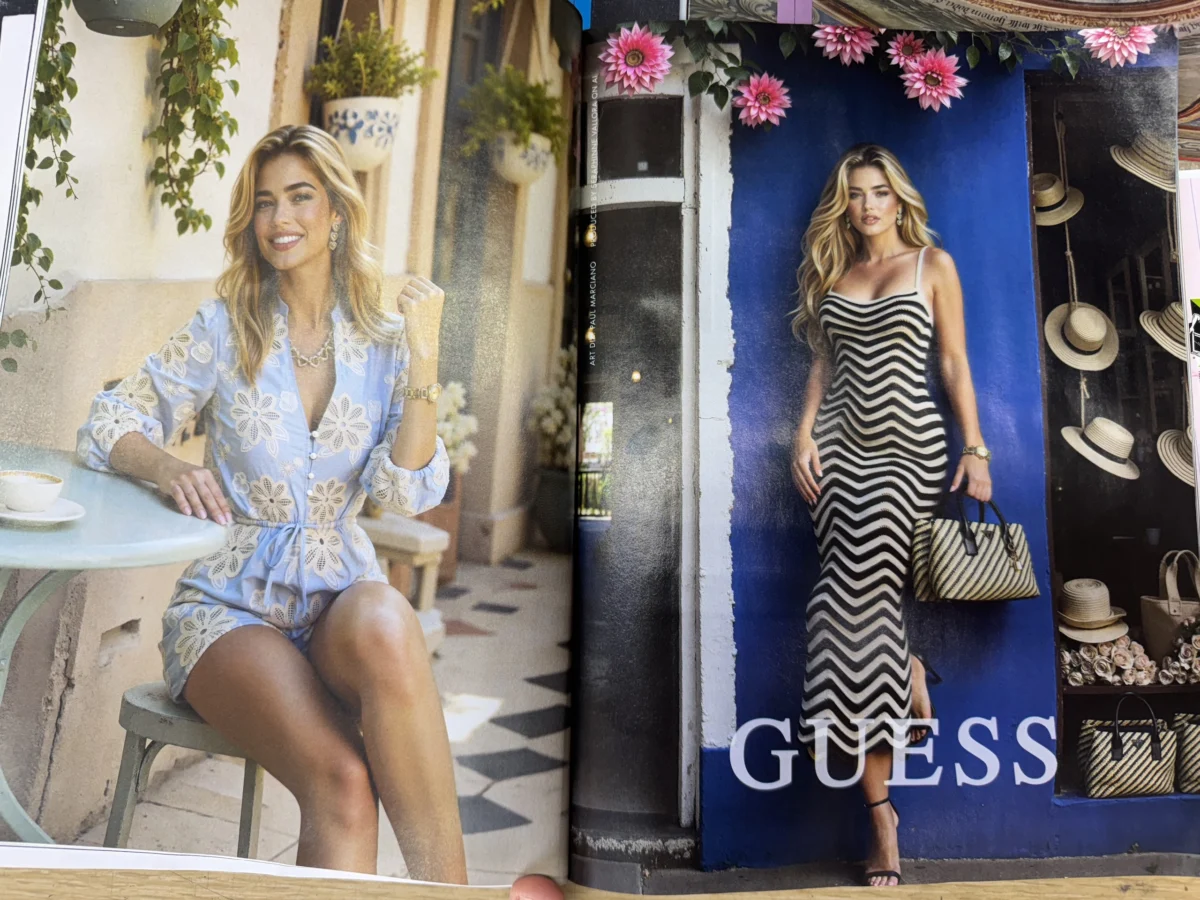
The controversy intensified in mid-2024 following the July print edition of Vogue. An advertisement for the brand Guess featured a model who embodied traditional North American beauty standards—glossy blonde hair and symmetrical features—yet was entirely AI-generated. The inclusion of such imagery in Vogue, often regarded as the industry’s "fashion bible," was viewed by many as a tacit endorsement of the technology. While Vogue clarified that the image was an advertisement and not part of an editorial spread, the distinction did little to quell the concerns of fashion professionals who see the lines between human and machine-generated content becoming increasingly blurred.

A Decade of Digital Transformation: The Chronology of Virtual Models
The integration of non-human models is not a sudden phenomenon but the culmination of over a decade of incremental technological adoption.
- 2013: French e-commerce giant Veepee began utilizing virtual mannequins to display clothing, significantly reducing the cost of traditional photography for its high-volume inventory.
- 2018: The emergence of "CGI influencers" like Shudu Gram and Miquela Sousa (Lil Miquela) proved that digital entities could garner millions of followers and secure high-paying brand partnerships.
- 2023: Levi’s and Lalaland.ai attempted to standardize AI for "inclusive" marketing, leading to a public relations backlash regarding the displacement of diverse human talent.
- 2024-2025: Major retailers including H&M, Mango, and Calvin Klein integrated AI-generated imagery into their digital catalogs. The Guess ad in Vogue marked a milestone in the technology’s migration into prestige print media.
This timeline illustrates a shift from "virtual mannequins" intended for internal efficiency to "synthetic humans" designed to evoke emotional resonance and consumer aspiration.
The Economic Imperative: Scaling Content in the Age of Social Media
The primary driver behind the adoption of AI models is economic. According to PJ Pereira, co-founder of the AI advertising firm Silverside AI, the traditional marketing infrastructure was designed for an era where brands produced approximately four major campaigns per year. In the current landscape of social media and global e-commerce, brands are now required to produce between 400 and 400,000 pieces of content annually to remain competitive.
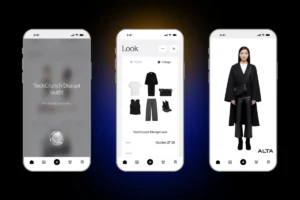
"There’s no way to scale from four to 400,000 with just process tweaks," Pereira noted, emphasizing that the cost of traditional photography—including model fees, photographers, stylists, hair and makeup artists, and studio rentals—is prohibitive for small to mid-sized brands seeking high-volume output. AI allows for "flat-lay" product photography to be digitally mapped onto photorealistic virtual models in various settings, reducing the production time from weeks to minutes and the cost from thousands of dollars to cents per image.

For e-commerce models, this economic shift represents an existential threat. Sinead Bovell, a model and founder of the WAYE organization, notes that while high-fashion runway work provides prestige, e-commerce shoots provide financial security for the vast majority of working models. As brands automate these "bread and butter" roles, the path to a sustainable career in modeling becomes increasingly narrow.
The Ethics of "Artificial Diversity" and Cultural Appropriation
One of the most contentious aspects of AI in fashion is the concept of "robot cultural appropriation." This occurs when brands generate diverse identities to meet ESG (Environmental, Social, and Governance) goals or consumer demand for representation without actually providing opportunities for people from those communities.
Sarah Murray pointed out that the industry has never lacked diverse talent; rather, it has lacked the will to hire it. By using AI to "supplement" diversity, brands risk creating a sanitized version of inclusion that lacks human depth. Furthermore, there is the technical risk of algorithmic bias. If AI models are trained on historical datasets that favor specific beauty standards, the output will inevitably reflect those biases, unless human "AI artisans" intentionally prompt for a wider range of appearances.
Legal Safeguards and the Protection of Human Likeness
As the technology advances, the legal framework governing "digital likeness" is struggling to keep pace. Models have reported a rise in contract clauses that grant brands the right to use their recognizable features to train future AI systems. This essentially allows a brand to pay a model for a single day of work and then use their digital twin indefinitely without further compensation.

In response, advocacy groups like the Model Alliance, founded by Sara Ziff, are championing legislation such as the Fashion Workers Act in New York. This bill would require management agencies and brands to obtain clear, written consent before creating or using a model’s digital replica and would mandate fair compensation for such use.
Art technologist Paul Mouginot suggests that while digital avatars could theoretically allow a sought-after model to "appear" at multiple shoots simultaneously, the broader impact is likely a reduction in total human labor. "What few players gain can mean fewer opportunities for many others," Mouginot observed.
Technical Refinement: The Rise of the AI Artisan
Not all AI implementation is viewed as purely exploitative. Some creative studios, such as Artcare, position themselves as "AI artisans." These firms use advanced tools like Black Forest Labs’ Flux to fine-tune digital models, intentionally adding "human" imperfections—asymmetrical features, unique skin textures, or specific "gazes"—to avoid the uncanny valley of digital homogeneity.
Sandrine Decorde, CEO of Artcare, argues that AI can solve specific ethical dilemmas, such as the use of child models. The fashion industry has a documented history of issues regarding the labor of minors. Decorde suggests that using AI-generated children for fashion catalogs can meet market demand while protecting real children from the rigors and potential exploitation of the professional modeling world.

The Future of Human Artistry in a Synthesized Industry
Despite the rapid adoption of AI, many experts believe that human talent will remain the cornerstone of "luxury" and "heritage" brands. Claudia Wagner, founder of the booking platform Ubooker, argues that the real value of AI will eventually settle into a role of purpose-driven utility rather than mere visibility. For high-end fashion, the "sensual reality" of human connection and the "charm of imperfection" are qualities that silicon-based models have yet to replicate convincingly.
The "Vogue effect," however, remains a powerful force. As fashion historian and author Amy Odell noted, the industry often resists change—as it did with the rise of reality television stars—until Vogue grants its approval. If the publication begins featuring AI models in its prestigious editorial spreads, the transition from human-centric to hybrid fashion media may become irreversible.
The ongoing debate underscores a broader shift occurring across all creative industries. As AI creates the conditions for extreme efficiency, the "unique human story" becomes the primary point of differentiation. For models and creatives, the future may require a transition from being "subjects" of a shoot to becoming "brands" in their own right—entrepreneurs who leverage their humanity as an asset that no algorithm can fully synthesize. While the usage of AI modeling technology remains in an experimental phase, its potential to redefine the financial and ethical landscape of fashion is no longer a matter of speculation, but a present reality.