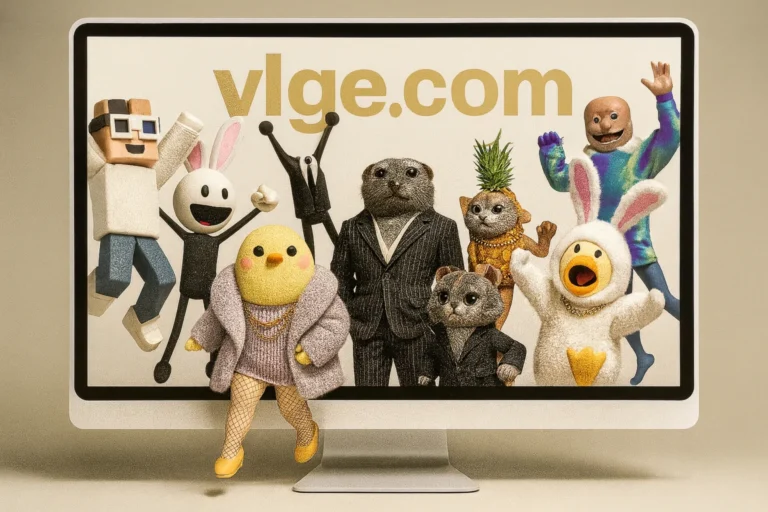







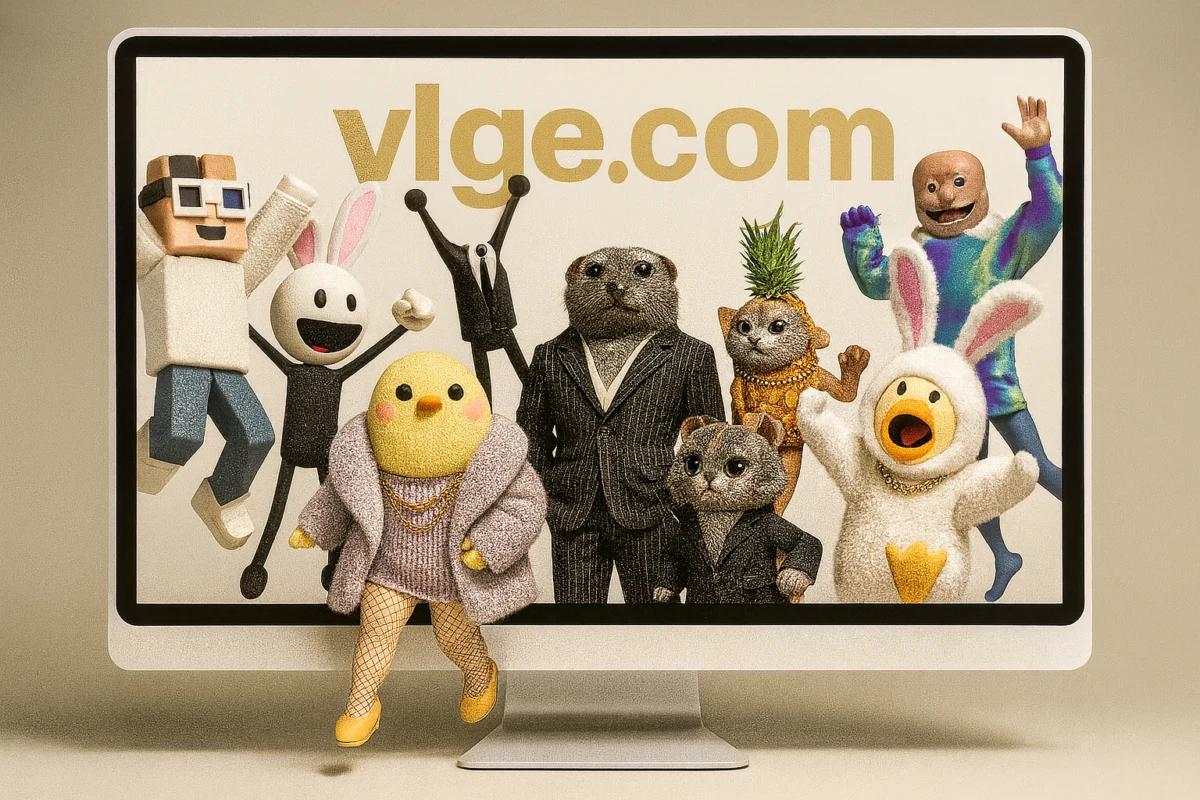
The intersection of luxury fashion and digital interactive environments has reached a significant milestone as 50 fashion brands prepare to debut their own shoppable, immersive worlds for the inaugural World Fashion Week. This initiative, powered by the gaming and world-building platform VLGE, signals a fundamental shift in how the fashion industry engages with a younger, digitally native demographic. Founded by Evelyn Mora in 2021, VLGE is positioned as a critical infrastructure provider, enabling brands to bypass the high technical and financial barriers typically associated with entering the metaverse. By offering a platform that allows for the creation of interactive content that can be exported directly to major gaming ecosystems like Roblox, VLGE is redefining the traditional fashion show model in favor of a more sustainable, scalable, and gamified retail experience.
The Convergence of Gaming and High Fashion
In the early stages of her career, Evelyn Mora identified a persistent paradox within the fashion industry: while designers were increasingly focused on environmental sustainability, the traditional mechanisms for showcasing their work—specifically large-scale, international fashion shows—remained inherently wasteful. The logistics of flying collections, staff, and media across the globe, combined with the temporary nature of physical set constructions, created a carbon footprint that many brands found difficult to reconcile with their stated green initiatives.
VLGE was conceived as a solution to this problem, providing a virtual alternative that does not sacrifice the spectacle or the commercial reach of a physical event. Since its launch, the platform has evolved into a sophisticated suite of tools that allows brands to build comprehensive digital ecosystems. These "worlds" are not merely static displays but are filled with interactive content, mini-games, and social features designed to foster deep brand loyalty among Gen Z and Gen Alpha consumers. The announcement of World Fashion Week represents the first large-scale activation of this technology, demonstrating the platform’s ability to handle simultaneous deployments from 50 different labels ranging from emerging designers to established global houses.
From Helsinki to the Metaverse: The Evelyn Mora Journey
Evelyn Mora’s transition into the world of tech-driven fashion was preceded by her tenure as the founder of Helsinki Fashion Week, an event that gained international acclaim for its radical focus on sustainability and circular economy principles. Her experiences there underscored the limitations of the physical fashion calendar. Despite the success of her initiatives in Finland, Mora recognized that true systemic change required a shift in how products are discovered and consumed.
In 2021, Mora pivoted her focus toward the digital frontier, launching VLGE with the goal of creating an immersive-world-building platform specifically tailored for the luxury and lifestyle sectors. The platform was designed to be "interoperable," a term that has become a buzzword in the tech industry but remains difficult to execute. In the context of VLGE, interoperability means that a brand can build a digital environment on a web browser and then export that same environment—along with its assets—to platforms like Roblox, with plans to expand to Epic Games’ Unreal Engine and Meta’s Horizon Worlds. This cross-platform capability ensures that brands are not "locked" into a single ecosystem, protecting their investment and expanding their potential audience.
Democratizing Digital Architecture: Overcoming the Roblox Barrier
One of the primary challenges for brands looking to enter the gaming space has been the sheer cost and complexity of development. To date, creating a presence on a platform like Roblox has typically required hiring specialized agencies, with costs ranging from $10,000 to over $100,000 for a single activation. Furthermore, the development cycle can last several months, making it difficult for brands to align their digital presence with the fast-moving trends of the fashion cycle.
VLGE’s "no-code" approach aims to democratize this process. By providing a user-friendly interface that requires no substantive background in coding or 3D modeling, the platform allows brands to launch on Roblox almost instantly. Mora noted that this is a significant development because Roblox has become the "most powerful youth frontier" for the fashion industry. With over 70 million daily active users, the majority of whom are under the age of 25, Roblox represents a market that traditional fashion media can no longer reach effectively. By making world-building instant and affordable, VLGE is bridging the gap between traditional e-commerce and the burgeoning world of cultural creation within gaming.
Strategic Investment and the Backing of Industry Titans
The potential of VLGE has not gone unnoticed by the financial and fashion establishments. The company has successfully raised $5 million in capital, a notable feat in a venture capital climate that has recently become more cautious regarding "metaverse" plays. The investor pool includes a diverse array of high-profile names, such as Lammot J. du Pont of the influential du Pont family, and corporate heavyweights like the L’Oréal Group.
The involvement of the British Fashion Council (BFC) as an investor is particularly telling. As the governing body of one of the world’s major fashion capitals, the BFC’s support suggests that the industry’s leadership views digital expansion not as a temporary trend, but as a permanent evolution of the trade. VLGE’s client roster further validates this sentiment, featuring prestigious names such as Lancôme, Charlotte Tilbury, and Vogue Scandinavia. These partnerships indicate that the platform is capable of meeting the high aesthetic and functional standards required by luxury beauty and media brands.

Analyzing the Shift in Gen Z Consumer Behavior
The move toward gamified commerce is driven by a fundamental shift in consumer behavior. Data suggests that Gen Z consumers spend more time in immersive digital environments than they do on traditional social media platforms or browsing standard e-commerce websites. For this demographic, an avatar’s appearance is often as important as their own physical appearance, leading to a booming market for digital fashion and "skins."
VLGE is positioning itself to capitalize on this "phygital" trend. The platform has announced plans to launch an online e-tail store that will facilitate the sale of both physical garments and 3D assets. A consumer might purchase a limited-edition jacket for themselves while simultaneously receiving a digital version of that jacket for their Roblox avatar. This dual-revenue stream offers a compelling value proposition for brands, as it doubles the utility of a single design while catering to the digital identity of the modern shopper.
Technological Infrastructure and Interoperability
At its core, VLGE functions as a bridge between the complex world of game engines and the user-friendly requirements of a retail brand. The platform’s compatibility with Unreal Engine is a strategic move, as Unreal is the industry standard for high-fidelity 3D graphics used in both blockbuster video games and cinematic visual effects. By allowing brands to build assets that are compatible with such powerful engines, VLGE ensures that the digital worlds created today will not be rendered obsolete by future technological advancements.
The platform’s payment structure is also designed to facilitate scalability. By offering four distinct tiers—Freemium, Creator, Small Business, and Enterprise—VLGE is attempting to capture the entire spectrum of the market. This allows independent designers to experiment with digital fashion with low overhead, while providing the robust security and support features required by multinational corporations like L’Oréal.
The Future of World Fashion Week and Digital Trade
World Fashion Week, as an initiative of VLGE, serves as a proof of concept for the future of global trade shows. Unlike traditional fashion weeks that are restricted to industry insiders, buyers, and press, World Fashion Week is accessible to anyone with an internet connection. This democratization of access allows brands to receive immediate feedback from consumers and generate direct-to-consumer sales without the need for intermediaries.
The 50 brands participating in this initial launch are effectively acting as pioneers in a new form of retail theater. By creating shoppable games, they are moving away from the passive experience of watching a runway show toward an active experience where the consumer is a participant in the brand’s narrative. Industry analysts suggest that if successful, this model could eventually replace the standard "lookbook" or "campaign film" as the primary method for brand storytelling.
Broader Implications for the Global Retail Landscape
The implications of VLGE’s technology extend far beyond the fashion industry. As the line between gaming and commerce continues to blur, the infrastructure provided by platforms like VLGE will likely be adopted by other sectors, including automotive, real estate, and education. The ability to create a "digital twin" of a retail environment that is social, interactive, and shoppable represents the next phase of the internet—often referred to as Web3 or the Spatial Web.
Evelyn Mora’s vision for VLGE is rooted in the belief that the next generation of commerce will be powered by experiences rather than transactions. "This moment isn’t just about fashion; it’s about the infrastructure that will power the next generation of commerce for the new generation," Mora stated. As the 50 brands prepare to go live for World Fashion Week, the industry will be watching closely to see if these virtual worlds can deliver the commercial results necessary to justify a permanent shift away from the physical runway.
In conclusion, VLGE is not merely a gaming platform; it is a strategic tool designed to navigate the complexities of a changing cultural and economic landscape. By solving the technical hurdles of Roblox integration, providing a sustainable alternative to physical events, and securing the backing of major industry players, VLGE has positioned itself at the center of the fashion industry’s digital transformation. The success of World Fashion Week may well determine the blueprint for how brands and consumers interact for decades to come.