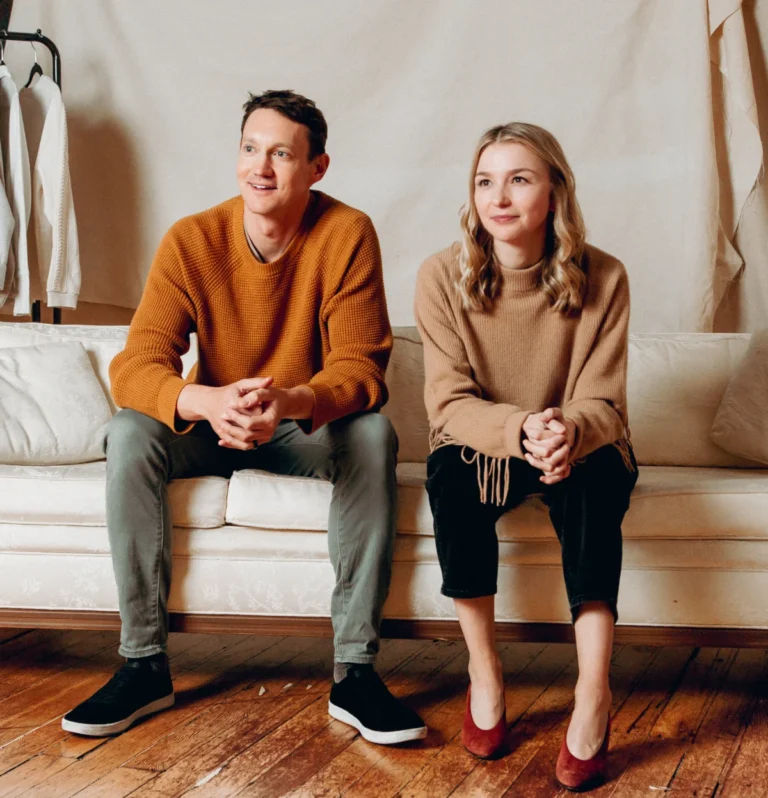










The intersection of generative artificial intelligence and personal retail has reached a significant milestone with the official launch of Alta, an AI-driven personal styling agent designed to bridge the gap between digital convenience and high-fashion curation. Founded by 28-year-old Jenny Wang, a Harvard-trained engineer and veteran of the technology sector, Alta aims to solve a decades-old consumer desire: a comprehensive, intelligent system that manages a user’s wardrobe while providing real-time outfit recommendations based on an individual’s budget, lifestyle, local weather patterns, and personal calendar. The company’s emergence into the public eye is bolstered by a successful $11 million seed funding round led by Menlo Ventures, signaling strong institutional confidence in the next generation of consumer-facing AI applications.
A Vision Rooted in Technological Evolution
For Jenny Wang, the concept of a digital styling assistant was not a sudden inspiration but a persistent objective throughout her professional journey. Having spent years in various roles across the technology and investment landscapes—including a formative internship at DoorDash and a role as a technical advisor to multiple brands—Wang recognized that while the demand for automated styling was high, the underlying technology remained insufficient for the task until very recently. Previous attempts to digitize the closet often relied on manual tagging and rigid algorithms that failed to capture the nuance of personal style or the fluidity of fashion trends.
The current surge in large language models (LLMs) and sophisticated computer vision has finally provided the technical foundation necessary to realize Wang’s vision. Alta operates as both a stylist and a personal shopper, utilizing a personalized virtual avatar that allows users to "try on" looks before making a purchase or even before stepping out of the house. This functionality mimics the iconic computer-managed wardrobe famously depicted in the 1995 film Clueless, a cultural touchstone that has served as a benchmark for fashion-tech aspirations for nearly thirty years.
Technical Architecture and User Experience
Alta’s platform is built on a sophisticated data integration model. Users can populate their digital closets through several streamlined methods: uploading original photographs of their garments, forwarding digital purchase receipts, or selecting items from Alta’s extensive existing database of retail products. This multi-pronged approach reduces the friction typically associated with inventory management apps, which often require hours of manual data entry.
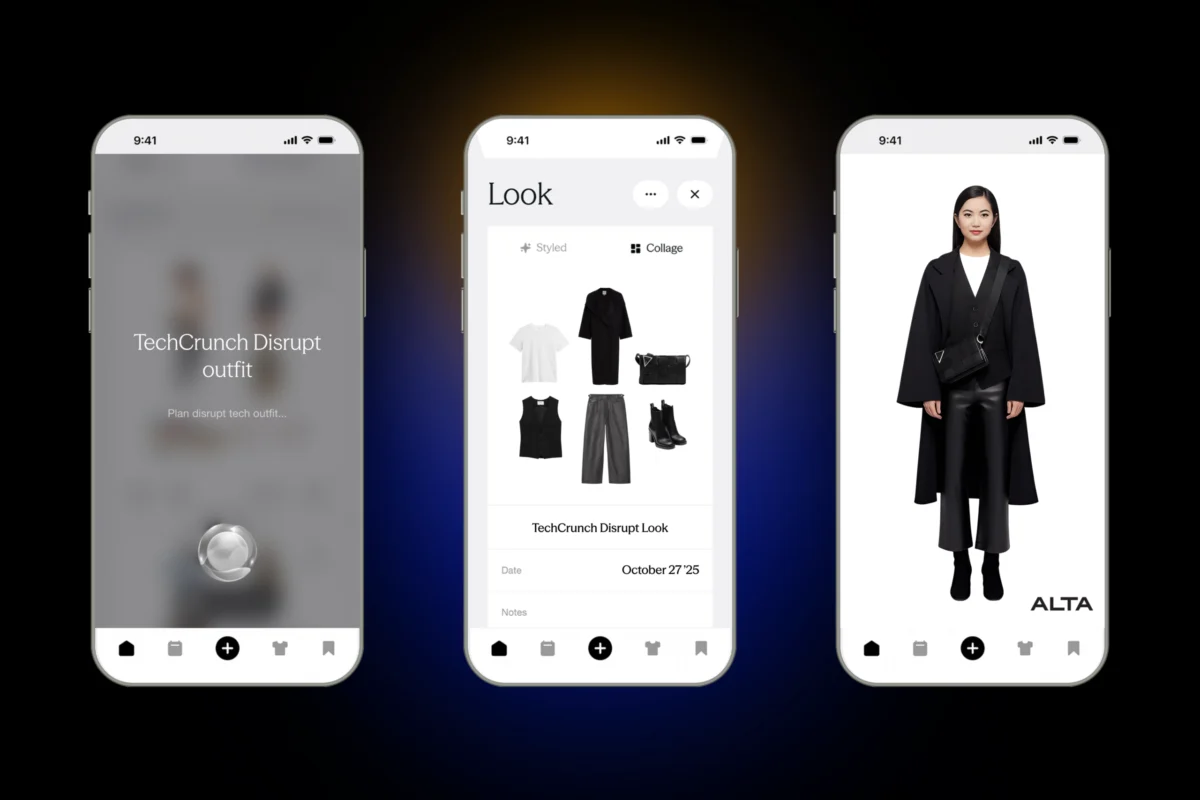
Once a wardrobe is digitized, the AI takes on a proactive role. By integrating with the user’s calendar and local weather APIs, the platform can suggest outfits tailored to specific events. For instance, a user attending a professional conference like TechCrunch Disrupt can query the AI for an appropriate look. The system then generates a curated lookbook, drawing from the user’s existing inventory while strategically suggesting new pieces that could complement the ensemble.
A key differentiator for Alta is its "mix-and-match" capability. The virtual avatar technology allows users to overlay potential new purchases onto their current wardrobe. This not only enhances the shopping experience by reducing "buyer’s remorse" but also promotes a more sustainable approach to fashion by helping consumers visualize how a new item integrates with what they already own.
Strategic Financial Backing and Industry Validation
The $11 million seed round reflects a diverse coalition of investors from the worlds of venture capital, high fashion, and entertainment. Leading the round is Menlo Ventures, a firm known for its early bets on transformative platforms like Uber and Roku. The involvement of Menlo Ventures suggests that Alta is being viewed not merely as a niche fashion app, but as a potential "super-app" for the consumer retail sector.
The investment roster includes a notable list of strategic partners:
- Aglaé Ventures: The investment arm of the Arnault family, the power behind the LVMH luxury empire. Their participation provides Alta with a direct line to the pinnacle of global fashion.
- Benchstrength and Phenomenal Ventures: The latter founded by Meena Harris, these firms bring expertise in consumer brand building and cultural resonance.
- Anthology Fund: The venture arm of Anthropic, emphasizing the high-level AI research backing the platform.
- High-Profile Angels: The round saw participation from DoorDash CEO Tony Xu, Poshmark CEO Manish Chandra, and Rent the Runway co-founder Jenny Fleiss. Additionally, supermodels Karlie Kloss and Jasmine Tookes, along with tech influencer Zita d’Hauteville, have joined as investors, bridging the gap between technical scalability and aesthetic credibility.
Furthermore, the AI’s training has been influenced by professional expertise. Meredith Koop, renowned for her work as Michelle Obama’s stylist, has played a role in refining Alta’s recommendations, ensuring that the AI’s "taste" is informed by industry-leading standards of elegance and appropriateness.
Geographic Pivot: From Silicon Valley to the Fashion Capital
In a move that underscores the company’s dual identity as a tech powerhouse and a fashion innovator, Wang recently relocated Alta’s headquarters from San Francisco to New York City. This shift reflects a growing trend in the startup ecosystem where consumer AI companies are gravitating toward New York to tap into the city’s deep talent pools in media, retail, and design.
The relocation also serves a logistical purpose. Wang noted that New York City offers better proximity to European markets, specifically Paris, which remains the global epicenter of luxury fashion. With the support of LVMH-linked Aglaé Ventures and international figures like Zita d’Hauteville, Alta is already positioning itself for a rapid expansion into the European market.
Simultaneously, the company is looking toward the Pacific. A partnership with Marie Kondo, the world-renowned tidying expert and author, is facilitating Alta’s expansion into parts of Oceania and the Pacific region. This partnership is particularly synergistic, as both Kondo’s philosophy and Alta’s technology emphasize intentionality and organization within one’s personal space and wardrobe.
Market Context and the Competitive Landscape
The global market for AI in fashion is projected to grow exponentially over the next decade. Industry analysts estimate that the sector could reach a valuation of several billion dollars by 2030, driven by consumer demand for personalization and the retail industry’s need to reduce return rates—a multi-billion dollar problem often caused by poor fit or styling choices.
While established giants like Google Shopping and Pinterest have introduced AI-powered visual search and "shop the look" features, Wang argues that Alta represents a fundamental shift in user interface and technical architecture. Unlike legacy platforms that function primarily as search engines, Alta is designed as an "agent"—a proactive assistant that understands the user’s context (calendar, weather, existing inventory) rather than just reacting to a keyword query.
Alta joins a competitive field that includes apps like Whering and Cladwell, both of which have spent years attempting to digitize the closet. However, the infusion of $11 million in capital and the integration of proprietary in-house models give Alta a significant advantage in R&D. Wang has stated that she remains "actively coding every day," ensuring that the product evolves based on direct community feedback and the latest breakthroughs in machine learning.
Broader Implications for the Retail Industry
The successful launch of Alta carries significant implications for the broader retail ecosystem. By providing consumers with a tool that manages their existing wardrobe while facilitating new purchases, Alta could change how retailers interact with their customers. The company has already announced plans to partner with retailers worldwide, potentially offering a "stylist-as-a-service" model that brands can integrate into their own e-commerce platforms.
Furthermore, Alta’s partnership with the Council of Fashion Designers of America (CFDA) demonstrates a commitment to the design community. By offering the platform to CFDA members, Alta provides independent designers with a new way to reach consumers who are looking for specific pieces to complete their lookbooks.
From a sustainability perspective, the "Clueless closet" model encourages better utilization of existing clothes. By showing users new ways to wear what they already own, Alta may help combat the "fast fashion" cycle of disposable clothing. When consumers do buy, they do so with a clearer understanding of how the new item fits into their life, theoretically leading to fewer returns and a more mindful consumption pattern.
As Jenny Wang and her "fashion-obsessed" technical team continue to refine the platform, the $11 million seed round serves as a clear indicator that the industry is ready for a sophisticated, AI-driven approach to personal style. With heavyweights from both Silicon Valley and the Avenue Montaigne backing the venture, Alta is positioned to transform the morning routine from a moment of indecision into a data-driven, curated experience.