










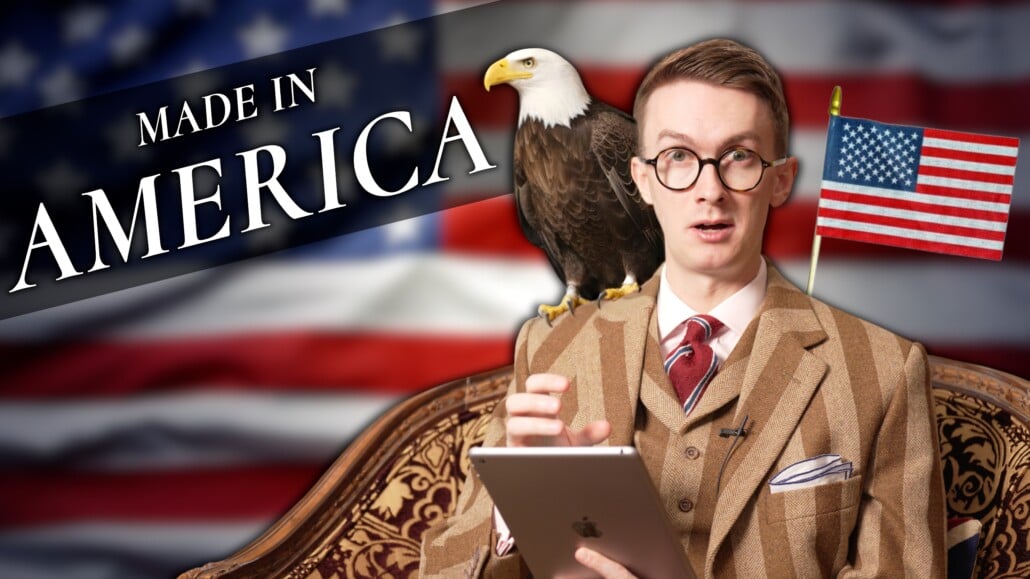
In an era defined by intricately globalized supply chains and the pervasive influence of "fast fashion," the once ubiquitous "Made in USA" label has become an increasingly rare sight, particularly within the apparel industry. While storied American brands such as Brooks Brothers and Ralph Lauren historically sculpted the sartorial landscape of the 20th century, many have strategically relocated their manufacturing operations overseas, a move largely driven by the imperative to maintain competitive pricing and market share. This widespread shift has prompted a critical question for the discerning consumer: Is it still genuinely feasible for the modern gentleman to curate a complete, high-quality, ready-to-wear ensemble composed exclusively of garments and accessories produced through American labor? This article delves into a comprehensive digital exploration undertaken to answer precisely this query.
The Retreat of Domestic Manufacturing: A Historical Perspective
The trajectory of American manufacturing, particularly in textiles and apparel, reflects a broader economic transformation that began in earnest in the latter half of the 20th century. Following the post-World War II boom, which saw the United States emerge as a global industrial powerhouse, economic pressures began to mount. Trade agreements, technological advancements in logistics, and the allure of significantly lower labor costs in developing nations catalyzed a mass exodus of manufacturing jobs from American shores.
Data from the Bureau of Labor Statistics illustrates this profound shift. In 1990, the U.S. textile and apparel manufacturing sector employed over 1.6 million people. By 2020, that number had plummeted to less than 200,000, a staggering decline of nearly 90%. This contraction was not merely about cost; it was also about the evolving global economic order, where countries like China, Vietnam, and Bangladesh developed robust, efficient, and cost-effective manufacturing ecosystems. Iconic American brands, facing intense competition and consumer demand for lower prices, found themselves compelled to adapt or risk obsolescence. The rise of "fast fashion" in the late 1990s and early 2000s further exacerbated this trend, prioritizing rapid production cycles and rock-bottom prices over domestic sourcing and traditional craftsmanship.
Defining the "Made in USA" Standard: Clarity and Criteria

For the purpose of this sartorial experiment, stringent criteria were applied to ensure authenticity and transparency regarding the "Made in USA" designation. The primary guideline adhered closely to the Federal Trade Commission (FTC) standard: for a product to be labeled "Made in USA," "all or virtually all" of its components and processing must be of U.S. origin. This means not only that the final assembly occurs domestically, but also that significant parts of the product’s value chain – from raw materials to sub-components – are also American-sourced. This high bar intentionally excludes items merely designed in the USA but manufactured elsewhere, or those assembled in the USA from predominantly imported components.
Adhering to such a strict definition inherently introduces challenges. For many complex garments, sourcing every single raw material, such as specific types of wool or exotic leathers, entirely within the United States can be difficult, if not impossible. Therefore, the focus shifted to brands that demonstrably maintain robust domestic manufacturing operations, employing American workers, and prioritizing U.S.-sourced materials wherever practicable, even if minor components might, by necessity, be internationally sourced. The spirit of the endeavor was to identify brands upholding a significant commitment to American craftsmanship and production.
The Outfit Breakdown: A Showcase of American Craftsmanship
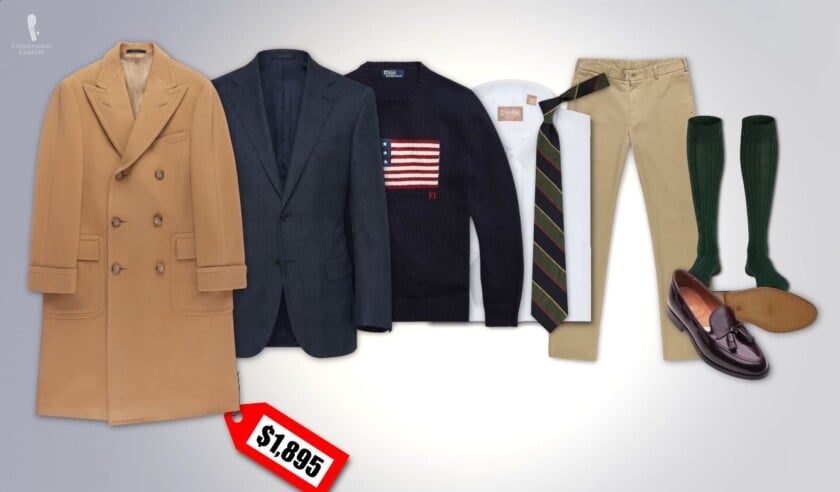
The digital shopping expedition culminated in the selection of a sophisticated, ready-to-wear ensemble, meticulously chosen to exemplify classic style while adhering to the strict "Made in USA" criteria. The total cost of this meticulously curated outfit, as detailed below, reached $4,619.50, underscoring the premium associated with domestic production.
Foundation: Footwear and Hosiery
-
Alden 563 Tassel Moccasin: $967
- Brand Heritage and Craftsmanship: Alden Shoe Company, founded in 1884 in Middleborough, Massachusetts, stands as a venerable pillar of American shoemaking. For over a century, Alden has maintained an unwavering commitment to handcrafted quality, utilizing time-honored techniques like the Goodyear welt construction, which allows for resoling and extends the life of the shoe indefinitely. Their shoes are renowned for their anatomical fit and durability.
- Material Excellence: The selected tassel loafer, crafted from Color 8 shell cordovan, represents the pinnacle of luxury footwear. Shell cordovan, derived from a specific equine hide, is celebrated for its unparalleled durability, rich luster, and resistance to creasing. Sourcing and processing this unique leather is a specialized and time-intensive craft, further contributing to the shoe’s significant price point and its status as a lifetime investment. Alden’s continued reliance on domestic skilled labor for every stage of production reinforces its "Made in USA" integrity.
-
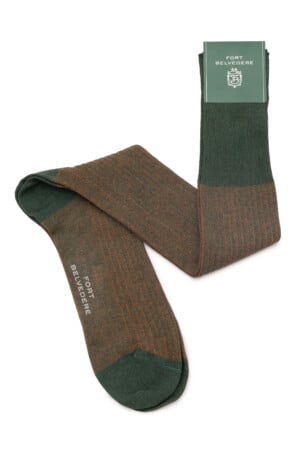
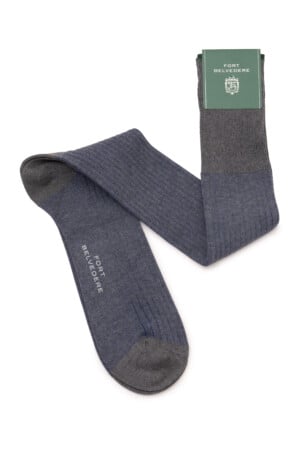
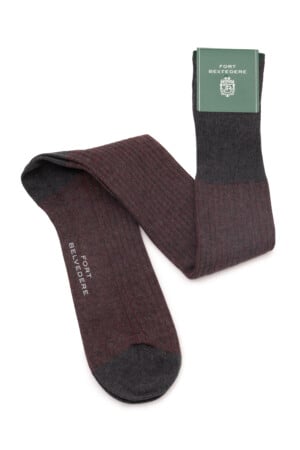
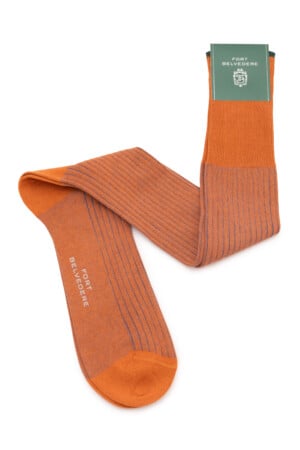
Boardroom Socks: $19.50 (Alternative: Fort Belvedere Midweight Cotton Socks)
- Domestic Production in Hosiery: Boardroom Socks, based in North Carolina, represents the enduring legacy of American textile manufacturing in a segment that has largely moved offshore. Their over-the-calf socks address a key sartorial detail, preventing exposed skin when seated. However, their blend of 74% Cotton / 23% Nylon / 3% Spandex highlights a common compromise in modern hosiery, where synthetic fibers are introduced for elasticity and durability but can reduce breathability.
- Fort Belvedere Alternative: The article highlights Fort Belvedere’s alternative, which prioritizes 100% cotton yarns for enhanced breathability and comfort, offering lightweight, medium-weight, and forthcoming heavyweight options. While not explicitly stated as "Made in USA" in the original snippet for Fort Belvedere, its inclusion as a quality alternative emphasizes the material considerations discerning consumers make, suggesting a focus on natural fibers, which aligns with a broader push for quality often found in heritage-focused brands, whether domestic or international. For the purpose of the "Made in USA" outfit, Boardroom Socks fulfill the domestic requirement.
Mid-Section: Shirt and Trousers
-
Gitman Brothers Gold Oxford Cloth Button Down (OCBD): $235
- The American Icon: The Oxford Cloth Button Down shirt is arguably the quintessential garment of American casual and Ivy League style. Gitman Brothers, with its roots in Ashland, Pennsylvania, since 1978, has steadfastly maintained its shirt manufacturing in the United States. Their "Gold" line signifies a commitment to premium materials and construction.
- Signature Details: The Gitman OCBD is celebrated for its distinctive soft collar roll, a hallmark of authentic Ivy style, achieved through precise cutting and stitching. The robust oxford cloth fabric is chosen for its durability and characteristic texture, making it a versatile foundation for various outfits. The continued domestic production ensures consistent quality and preservation of this iconic American aesthetic.
-
Bill’s Khakis Original Twill: $195
- Reviving Military Heritage: Bill’s Khakis emerged in the late 1980s with a mission to recreate the authentic, durable, and higher-rise chinos worn by American soldiers during WWII – a stark contrast to the low-rise, mass-produced trousers prevalent at the time. Their commitment to American manufacturing, primarily in Pennsylvania, has been a cornerstone of their brand identity.
- Durability and Fit: The "Original Twill" fabric is known for its ruggedness and substantial feel, designed to withstand years of wear. The classic M2 fit, with its higher rise, offers a more comfortable and flattering silhouette than many contemporary alternatives, making it an ideal pairing for both knitwear and tailored jackets.
Layering: Knitwear and Tailoring
-
Ralph Lauren Flag Sweater: $398
- A Symbol of American Style: Ralph Lauren, a brand synonymous with American luxury and aspirational lifestyle, has a complex manufacturing footprint. While much of its production is overseas, the iconic Flag Sweater remains one of its prominent "Made in USA" pieces, produced in a specialized domestic facility. This sweater is not merely clothing; it’s a recognizable cultural icon, embodying a sense of American heritage and patriotism.
- Versatility: The navy crew neck design makes it a versatile layering piece, adding warmth and a distinctive visual element when worn over a shirt and tie, effectively bridging casual and smart-casual aesthetics.
-
Joseph Abboud Plaid Sport Coat: $460
- Preserving Tailoring Traditions: Joseph Abboud has made a significant commitment to domestic tailoring, notably through its factory in New Bedford, Massachusetts. This facility represents one of the last large-scale tailored clothing manufacturers in the United States, employing skilled artisans who continue traditional suit and sport coat construction methods.
- Stylistic Choice: A plaid sport coat offers a sophisticated alternative to a full suit, providing textural interest and versatility. It can be dressed up or down, making it a foundational piece in a classic wardrobe. The domestic production of such a complex garment like a tailored jacket is a powerful statement about preserving American tailoring expertise.
-
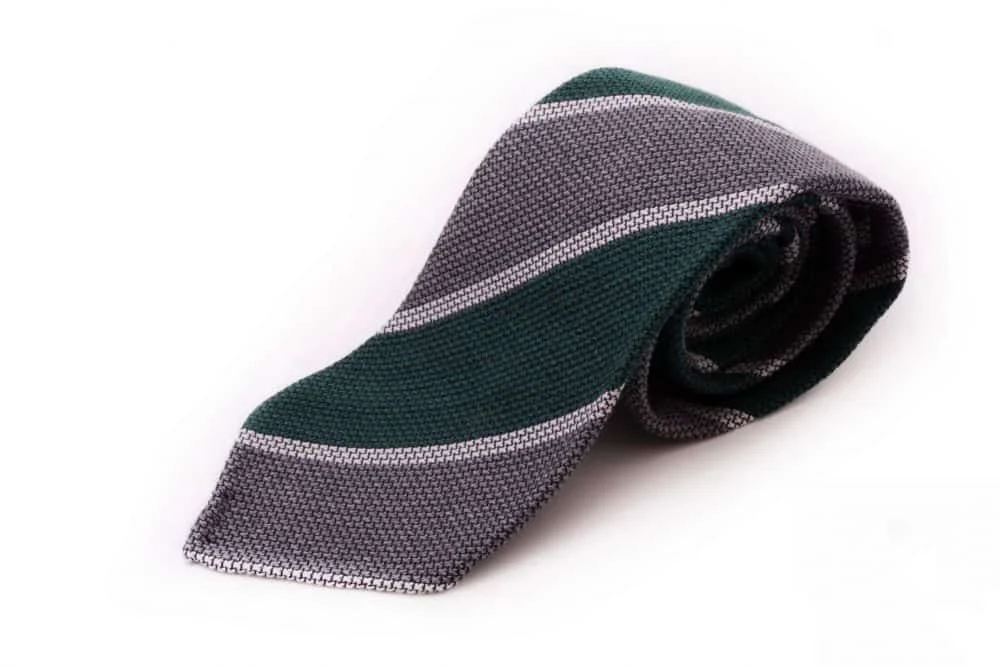
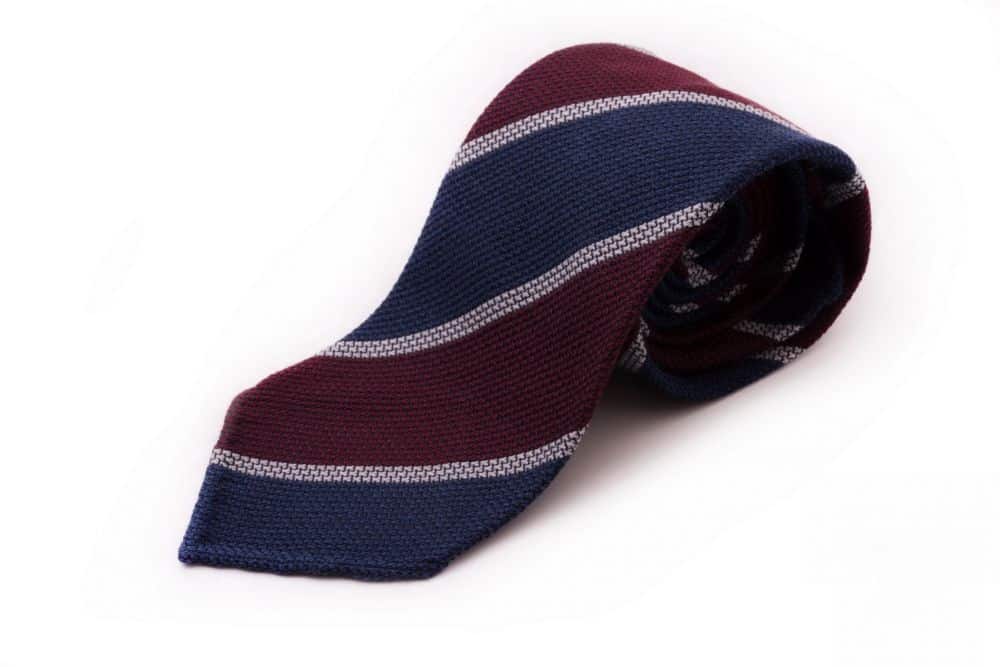
J. Press Rep Stripe Tie: $165 (Alternatives for broader range: Fort Belvedere Ties)
- Ivy League Staple: J. Press, an essential institution of Ivy League style since 1902, continues to produce its classic rep stripe ties in the United States. These ties are more than just accessories; they are emblems of a specific, enduring American aesthetic, often associated with collegiate tradition and understated elegance.
- Construction and Material: Typically crafted from silk, these ties embody a traditional width and length, providing a refined complement to button-down shirts and sport coats. The continuation of domestic tie manufacturing by J. Press underscores its commitment to its heritage. The article also mentions Fort Belvedere ties, offering a wider range of refined colors and different materials like cashmere wool grenadine and shantung silk, highlighting the variety available in the broader market for quality neckwear.
Outerwear and Finishing Touches
-
J. Press Camel Hair Polo Coat: $1,895
- An American Outerwear Icon: The polo coat, with its double-breasted silhouette, patch pockets, and half-belted back, is a defining piece of American outerwear, traditionally worn by polo players between chukkers. J. Press’s camel hair rendition embodies warmth, structure, and a rich heritage, making it a significant investment piece.
- Investment in Quality: The substantial price reflects the premium camel hair fabric, the intricate construction of a tailored overcoat, and the domestic manufacturing process. It’s a garment designed for longevity and timeless style.
-
Stetson Whippet Fedora: $265
- Legendary Hatmaking: Stetson, founded in 1865, is synonymous with American hatmaking. While primarily known for its Western hats, Stetson’s dress hats, including the Whippet Fedora, maintain the brand’s legacy of quality and classic design, with production facilities largely in Texas and Pennsylvania.
- Refined Silhouette: The Whippet offers a refined silhouette that perfectly complements tailored clothing, adding a touch of classic sophistication and completing the fully American-made ensemble.
The "Heritage Premium": Economic Realities of Domestic Production
The total cost of this exclusively American-made outfit, at $4,619.50, is undeniably substantial. This "heritage premium" is not merely a marketing ploy; it is a direct reflection of the economic realities of manufacturing in the United States. Several key factors contribute to this elevated price point:
- Labor Costs: Wages for skilled labor in the U.S. are significantly higher than in most overseas manufacturing hubs. This directly translates to increased production costs per item.
- Regulatory Compliance: American manufacturers operate under stricter labor laws, environmental regulations, and safety standards, all of which incur compliance costs that are often lower or non-existent in other countries.
- Production Scale: Many remaining "Made in USA" brands operate on smaller production scales compared to mass-market global producers. Smaller runs mean less efficiency through economies of scale, leading to higher per-unit costs.
- Supply Chain Integration: While the goal is to source all components domestically, the U.S. textile and component manufacturing base has shrunk considerably. This can make sourcing certain raw materials (e.g., specialized fabrics, buttons, zippers) more challenging and expensive, sometimes requiring imports even for domestic final assembly.
- Investment in Craftsmanship: Brands committed to domestic production often invest heavily in maintaining traditional skills and machinery, which are expensive to acquire and sustain. This ensures a level of quality and authenticity that differentiates their products.
Implications and Broader Impact
The ability to assemble a complete, high-quality "Made in USA" outfit, despite the cost, carries significant implications:

- Economic Revival and Job Creation: Every dollar spent on an American-made product supports domestic jobs, from the factory floor to logistics and retail. It contributes to local economies, strengthens communities, and helps preserve skilled trades that might otherwise disappear.
- Supply Chain Resilience: Relying on domestic manufacturing reduces dependence on volatile global supply chains, offering greater control over production, quality, and ethical standards. This became particularly evident during recent global disruptions.
- Ethical Consumption: Consumers increasingly prioritize ethical considerations. "Made in USA" often implies fair wages, safe working conditions, and adherence to environmental regulations, aligning with a growing demand for responsible sourcing.
- Quality and Longevity: The "heritage premium" often translates to superior quality and durability. These garments are designed to be investment pieces, lasting for years or even decades, thereby counteracting the disposable nature of fast fashion and offering better long-term value.
- National Identity and Patriotism: For many consumers, buying "Made in USA" is a statement of patriotism, a conscious decision to support their national economy and celebrate domestic craftsmanship.
Conclusion: A Choice of Values
The journey to assemble a fully American-made menswear outfit reveals a clear truth: it is achievable, but it requires diligent research, a commitment to supporting domestic industries, and a willingness to invest a significant sum. The total of $4,619.50 for this curated ensemble highlights the tangible cost of maintaining manufacturing within the United States.
Ultimately, the decision to pay this premium for "Made in USA" craftsmanship is a deeply personal one, reflecting a consumer’s values, priorities, and financial capacity. For some, the support for domestic jobs, the assurance of quality, the ethical considerations, and the preservation of heritage brands will justify the investment. For others, a more pragmatic approach combining American-made staples with high-quality, globally sourced items may be a more accessible pathway to a well-dressed wardrobe. The market for "Made in USA" menswear, though smaller, continues to thrive, sustained by a dedicated clientele who understand and value the true cost of quality, provenance, and the enduring legacy of American craftsmanship. The question for the modern gentleman is not if it’s possible, but rather, what value he places on the label.