











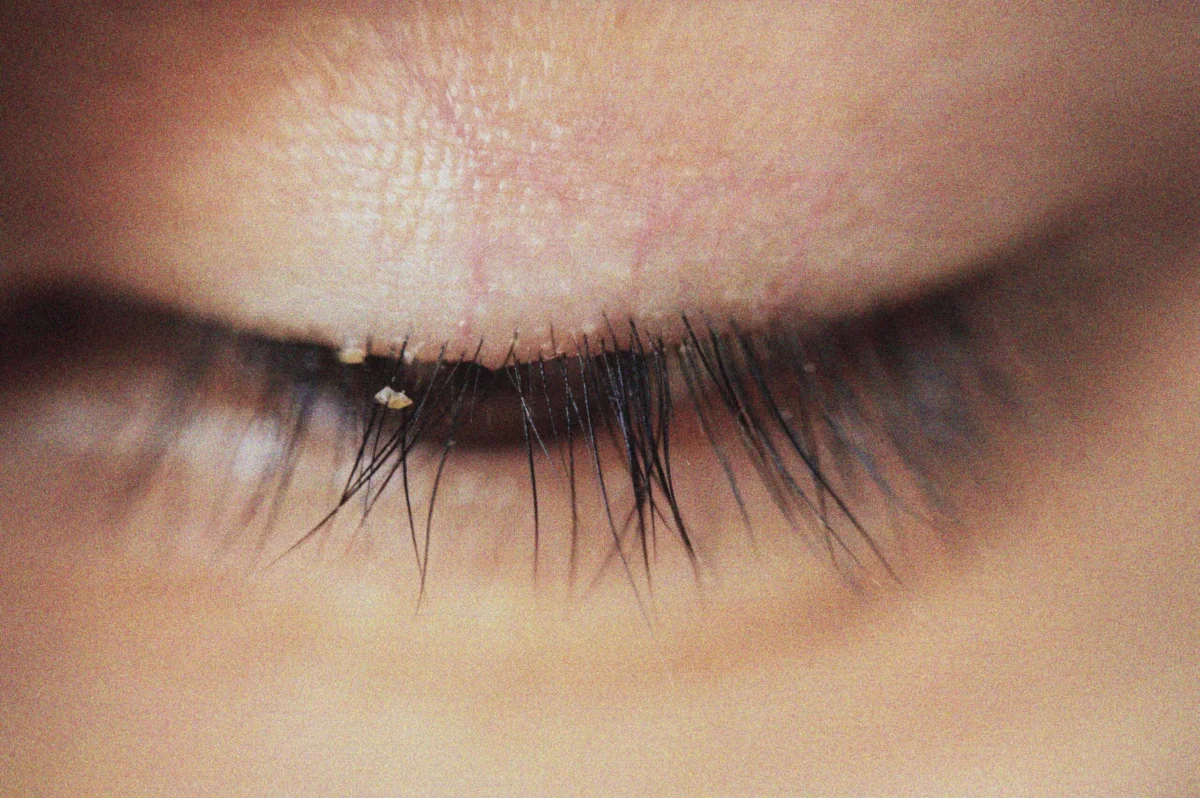
The seemingly innocuous concern raised in an editorial team’s chat about styes quickly unraveled into a widespread discussion about a microscopic, yet common, inhabitant of human skin: Demodex mites. What began as a personal anecdote about an editor’s recent eyelid discomfort has illuminated a prevalent, often overlooked, condition affecting millions worldwide – Demodex blepharitis. This in-depth exploration delves into the nature of these microscopic creatures, their impact on eye health, and the science-backed strategies for prevention and treatment.
The Unseen Residents: Demodex Mites and Their Role in Eye Health
Demodex mites, specifically Demodex folliculorum and Demodex brevis, are eight-legged arachnids that are a natural component of the human skin microbiome. These microscopic organisms reside in hair follicles and sebaceous glands, feeding on sebum (oil) and dead skin cells. While their presence is normal and typically asymptomatic, an overpopulation can lead to a condition known as Demodex blepharitis, characterized by inflammation of the eyelids.
"By the age of about 60, 100% of adults have had Demodex on their face," states Dr. Diane Hilal-Campo, a board-certified ophthalmologist in Oakland, New Jersey. This statistic underscores the ubiquity of these mites. Further research, including a 2022 study, indicates that over 55% of adult eye doctor visits that year resulted in a diagnosis of Demodex blepharitis, affecting approximately 25 million out of 45 million adults. This data highlights the significant public health relevance of this condition, often going undiagnosed or misdiagnosed.
The primary concern arises when these mites proliferate. " Demodex mites carry bacteria on their surface and within their digestive tract as they feed off the bacteria on the eyelids and lashes," explains Dr. Ashley Brissette, an ophthalmologist in New York City. "When mite numbers increase, bacterial load increases as well, which can trigger inflammation of the eyelids and ocular surface. The inflammation (blepharitis) we see is often a combined effect of the mites themselves, associated with bacteria, and the body’s immune response to the infestation."
Factors Contributing to Mite Overgrowth
Several factors can contribute to the overgrowth of Demodex mites, transforming them from benign residents into problematic pathogens. These include:
- Aging: As individuals age, changes in skin immunity and sebum production can create a more favorable environment for mite proliferation.
- Rosacea: Altered rosacea, a chronic inflammatory skin condition, is strongly associated with meibomian gland dysfunction (MGD), which can exacerbate Demodex overgrowth.
- Immune System Changes: Conditions that compromise the immune system can make individuals more susceptible to mite overpopulation.
- Inadequate Eyelid Hygiene: This is a critical and often controllable factor. The accumulation of makeup residue, oils, and debris at the lash line provides a rich food source for mites.
Ophthalmologists frequently observe Demodex blepharitis in patients who regularly use heavy eye makeup or wear false lashes, coupled with insufficient eyelid cleansing. The persistent presence of cosmetic products and the challenges in thoroughly removing them can create an ideal breeding ground for mites.
It is crucial to distinguish Demodex blepharitis from other forms of blepharitis. While any inflammation of the eyelid is termed blepharitis, it can also stem from other causes such as chronic oil overproduction from meibomian glands (posterior blepharitis or MGD), bacterial infections, or seborrheic dermatitis. "Blepharitis caused by overproduction of oil in those meibomian glands is commonly referred to as posterior blepharitis or meibomian gland dysfunction (MGD)," notes Dr. Balvinder Bharj, an optometrist in Jersey City. "It’s often more about the oil being thickened, inflammatory, or stagnant rather than the lids not being cleaned well enough."
The Link Between Makeup and Mite Overgrowth
The daily ritual of applying eye makeup, while a form of self-expression for many, can inadvertently contribute to Demodex blepharitis if not managed properly. The issue isn’t the makeup itself, but the aftermath of its removal.
"Heavy eye makeup, especially when not thoroughly removed, can trap debris and oils at the lash base, while shared cosmetics, poor makeup brush hygiene, or infrequent replacement of mascara can also introduce additional bacteria and disrupt the natural balance," explains Dr. Brissette. She further notes that false lashes and lash extensions can compound the problem by hindering proper lid hygiene, trapping debris, and fostering a warm, oil-rich environment conducive to mite thrive.
To mitigate this risk, ophthalmologists advocate for a strategic approach to makeup removal. "I always recommend removing eye makeup first before washing the rest of the face," advises Dr. Bharj. "That prevents pigment and debris from spreading across the eyelids and reduces unnecessary rubbing." This initial step should involve a gentle yet effective eye makeup remover, preferably micellar-based. The recommended technique involves soaking a cotton pad and pressing it onto the closed eyelid for 10 to 15 seconds to allow the makeup to dissolve, followed by a soft, downward wipe. For stubborn residue, particularly along the lash line where buildup is common, a Q-tip dipped in micellar water can be invaluable.
Certain makeup formulations present greater challenges for removal. Waterproof mascaras and eyeliners, as well as those containing chunky glitter particles, require more diligent cleansing. Dr. Bharj suggests avoiding these types when possible. Furthermore, tight lining – applying eyeliner directly to the waterline – can obstruct the meibomian glands, potentially leading to dryness, inflammation, and stye formation. If tight lining is a preferred technique, using products specifically approved for waterline use is essential.

Regarding mascara, traditional formulas are often preferred over tubing mascaras, which can be more difficult to remove completely. Regardless of the type, mascara wands, once exposed to air, can become a breeding ground for bacteria. Therefore, replacing mascara every three months is a critical hygiene practice.
Identifying Demodex Blepharitis: Symptoms and Diagnosis
Distinguishing Demodex blepharitis from other common eye irritations like allergies or infections can be challenging, as symptoms often overlap. The definitive diagnosis can only be made by an ophthalmologist or optometrist. " Demodex mites are tiny. We can’t see them without a microscope," emphasizes Dr. Campo.
The diagnostic gold standard is a slit lamp examination, where an eye care professional uses a high-intensity microscope to scrutinize the eyelids and lash margins. During this examination, doctors look for "collarettes," which are flaky, dandruff-like debris found at the base of the eyelashes. "Any amount of collarettes is indicative of Demodex," states Dr. Bharj.
Hallmark symptoms that may suggest the presence of Demodex blepharitis prior to a formal diagnosis include:
- Eye irritation
- Itching along the lash line
- A burning sensation
- Redness of the eyelids
- Crusting or flaky debris at the base of the lashes
- Missing or misdirected eyelashes
Styes, which are painful lumps that form on the eyelid, can also be a consequence of Demodex mite infestation. The mites can inhabit lash follicles and burrow into the meibomian glands. When these glands become inflamed or obstructed, they can become blocked, leading to stye formation, which is essentially a clogged oil gland.
Treatment Strategies for Demodex Blepharitis
Fortunately, effective treatments are available for Demodex blepharitis, ranging from over-the-counter remedies to prescription medications.
1. Over-the-Counter Solutions:
- Warm Compresses and Tea Tree Oil Wipes: These are often recommended as a first-line approach. Warm compresses help to liquefy thickened oils in the meibomian glands, facilitating their expression. Tea tree oil possesses natural acaricidal properties, meaning it can kill Demodex mites. Specialized wipes containing tea tree oil, such as those from Optase, Cliradex, and Belphadex, are designed to gently remove debris, excess oil, and bacteria from the eyelids.
Dr. Bharj typically recommends a six-week course of tea tree oil wipes, used twice daily, to effectively address the mite life cycle and prevent recurrence. "At that three-week mark, I usually see significant improvement in the mite load and symptoms," she notes. Even with rapid symptom improvement, completing the full six-week regimen is crucial for sustained results.
2. Prescription Medications:
- Antibiotic Ointments and Steroid Drops/Ointments: Depending on the severity of the infestation and associated inflammation, an ophthalmologist may prescribe antibiotic ointments to combat secondary bacterial infections or steroid drops/ointments to reduce inflammation.
3. Advanced Treatments:
- Xdemvy (Lotilaner Ophthalmic Solution): This is the first and only FDA-approved treatment specifically for blepharitis caused by Demodex mites. It is a prescription eye drop administered twice daily for a six-week treatment course. "You use one drop in each eye twice a day for a six-week treatment," says Dr. Campo, who has found Xdemvy to be highly effective for patients who haven’t responded to over-the-counter options.
- Intense Pulsed Light (IPL) Therapy: While not FDA-approved for Demodex blepharitis, IPL therapy, commonly used in dermatology for skin conditions like rosacea, has shown promise. Ophthalmologists utilize the heat generated by IPL to kill eyelid mites. It is often considered a safe, off-label treatment for more severe or persistent cases, typically reserved for when other treatments have been unsuccessful.
Prevention and Long-Term Management
The key to preventing the recurrence of Demodex blepharitis lies in consistent and thorough eyelid hygiene. This includes:
- Diligent Makeup Removal: Always remove all eye makeup thoroughly before bed.
- Regular Product Replacement: Replace mascara and eyeliner every three months to prevent bacterial contamination.
- Frequent Pillowcase Washing: Wash pillowcases at least once a week to minimize mite exposure.
- Weekly Lash Line Cleansing: Even for those who don’t wear makeup, gently cleansing the lash line with micellar water at least weekly can prevent debris and bacteria accumulation.
- Incorporating Lid Wipes: For individuals prone to flare-ups, incorporating daily or weekly use of lid wipes into their routine, even after symptoms resolve, can help maintain a healthy mite population and reduce the likelihood of future inflammation.
By understanding the prevalence and nature of Demodex mites, and by adopting diligent hygiene practices and seeking professional medical advice when necessary, individuals can effectively manage and prevent the discomfort and inflammation associated with Demodex blepharitis, ensuring the health and clarity of their vision. The initial concern raised in an informal chat has thus evolved into a vital public health awareness message, empowering individuals with the knowledge to protect their delicate eye health.