










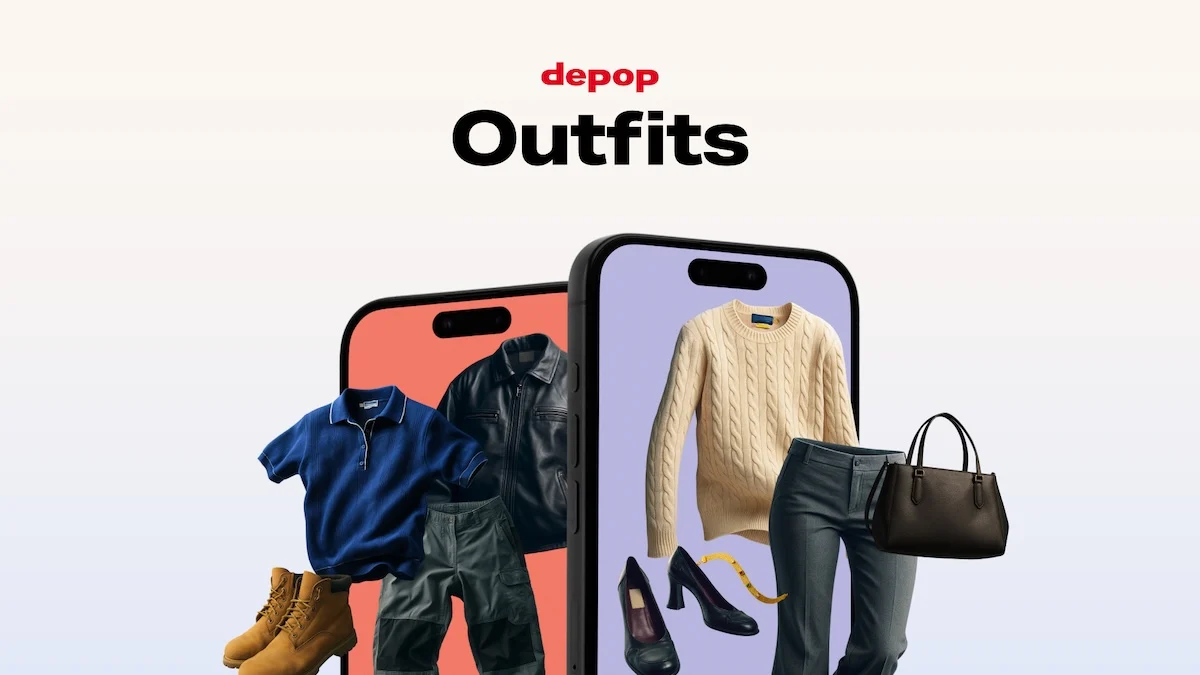
Depop, the prominent fashion resale platform and a subsidiary of Etsy, has officially announced the launch of "Outfits," a sophisticated digital styling and collaging tool designed to revolutionize the way users interact with second-hand fashion. This new feature allows the platform’s millions of users to move beyond traditional single-item listings, instead providing a creative, mood board-like interface where they can design, curate, and share complete looks. The introduction of Outfits represents a strategic pivot toward visual storytelling and social commerce, aligning the app’s functionality with the creative habits of its primary demographic: Gen Z. By integrating professional-grade curation tools directly into the marketplace, Depop aims to deepen user engagement, increase time spent on the app, and ultimately drive higher conversion rates through curated inspiration.
The Outfits feature provides a comprehensive suite of customization tools that mirror the functionality of popular graphic design and social media editing apps. To utilize the tool, users select a specific item they wish to style and engage the "scissors" icon located on the right-hand side of the interface. This action triggers an automatic background removal process, allowing the item to be layered into a collage. From there, users can add multiple items, incorporate vibrant backgrounds, and adjust the scale and placement of each element to create a cohesive aesthetic. For users seeking guidance, the app also provides a variety of templates that serve as layout frameworks, simplifying the design process for those less familiar with digital collaging.
One of the most significant aspects of the Outfits tool is its seamless integration with Depop’s e-commerce engine. Every item featured within a collage is fully shoppable. If a user discovers a curated outfit they admire, they can click through the individual components of the collage to view pricing, seller details, and purchase options. In a move to address the inherent inventory challenges of the resale market—where items are often one-of-a-kind—Depop has implemented an algorithmic suggestion system. If a specific item within a collage has already been sold, the app automatically generates recommendations for similar alternatives currently available on the platform. This ensures that the creative content remains functional as a sales driver even after the original inventory is depleted.
The Strategic Shift Toward Visual Curation and Social Integration
The launch of Outfits is not merely a technical update but a calculated response to the evolving digital landscape where the lines between social media and e-commerce are increasingly blurred. For several years, Gen Z consumers have gravitated toward "mood boarding" as a primary method of self-expression and fashion discovery. This trend was catalyzed by the success of standalone apps like Shuffles, which was launched by Pinterest in 2022. Shuffles allowed users to create high-energy, cut-and-paste collages that quickly went viral on TikTok and Instagram. Recognizing the power of this format, Pinterest eventually integrated Shuffles’ functionality into its main platform. Depop’s decision to build similar tools directly into its marketplace suggests an intent to capture this creative energy without requiring users to leave the app ecosystem.
Furthermore, Depop has optimized the Outfits feature for cross-platform sharing. Once a user completes a collage, they can easily export the static image to Pinterest, Instagram Stories, or other social feeds. This creates a powerful marketing loop: curated content generated by users acts as organic advertising for the Depop platform, drawing external traffic back to the app through visually compelling, "styled" content rather than static product shots. For sellers, this tool represents a significant upgrade in their marketing toolkit. Rather than relying on a single photo of a garment on a hanger, sellers can now demonstrate the versatility of their inventory by showing how a vintage blazer might be paired with contemporary accessories, thereby increasing the perceived value and desirability of their items.
Financial Performance and Market Trajectory
The timing of this feature launch coincides with a period of robust financial growth for Depop. According to the Q2 2025 earnings report released by parent company Etsy, Depop’s Gross Merchandise Sales (GMS) surged by 34.7% year-over-year on a currency-neutral basis. This performance significantly outperformed the broader resale market and placed the platform on a clear trajectory toward a $1 billion annual GMS run rate. The steady growth of Depop is a bright spot for Etsy, which acquired the platform in 2021 for approximately $1.6 billion in a move to capture the younger demographic and the burgeoning circular fashion economy.

To put Depop’s current scale into perspective, it is useful to compare its performance with other major players in the global resale sector. Mercari, a significant competitor in both the Japanese and U.S. markets, reported a Gross Merchandise Value (GMV) of approximately $728 million for the fourth quarter of 2024. While the platforms operate on slightly different business models, Depop’s move toward a $1 billion run rate suggests it is successfully consolidating its position as a dominant force in the Western resale market. The introduction of the Outfits tool is expected to further bolster these financial metrics by increasing the "average basket size" as users are encouraged to buy multiple items to complete a specific look they have seen in a collage.
The Evolution of the Resale User Experience
The transition from a simple listing site to a curation-driven social network reflects a broader evolution in the "recommerce" industry. In its early years, Depop was often described as a hybrid between Instagram and eBay. The current iteration of the platform, bolstered by the Outfits tool, moves it closer to a digital fashion magazine where the content is entirely user-generated and instantly purchasable. This shift addresses a common pain point in the resale experience: the "paradox of choice." With millions of individual items listed on the platform, many shoppers feel overwhelmed. Curated collages act as a discovery layer, filtering the vast inventory into digestible, aesthetic themes that resonate with specific subcultures, such as "Y2K," "minimalist," or "streetwear."
Industry analysts suggest that the "Outfits" feature could also serve as a valuable data collection tool for Depop. By analyzing the types of items users are frequently pairing together in collages, the platform can gain deeper insights into emerging fashion trends in real-time. This data can then be used to refine the app’s recommendation algorithms, ensuring that the "Suggested for You" feeds are increasingly accurate. For a platform that thrives on trend-cycle velocity, the ability to identify and amplify specific "looks" before they hit the mainstream is a major competitive advantage.
Broader Implications for the Circular Economy
Beyond the immediate financial and technical benefits, the Outfits tool has broader implications for the sustainability of the fashion industry. The circular economy relies on the continued reuse and redistribution of existing garments to reduce the demand for new, fast-fashion production. However, one of the barriers to second-hand shopping is the difficulty some consumers face in visualizing how older or "pre-loved" items can fit into a modern wardrobe. By providing tools that facilitate professional-level styling, Depop is effectively lowering the barrier to entry for second-hand consumption.
When a user sees a vintage 1990s skirt styled in a modern collage with contemporary boots and a designer bag, the "thrifted" item is rebranded as a high-fashion component. This elevation of second-hand inventory is crucial for the long-term viability of the resale market. As more platforms adopt these types of creative tools, the stigma occasionally associated with used clothing continues to diminish, replaced by a culture that values uniqueness, curation, and personal style over mass-produced novelty.
Conclusion and Future Outlook
The launch of the Outfits styling and collaging tool is a definitive statement of intent from Depop. It signals the platform’s transition from a transactional marketplace to a comprehensive fashion ecosystem that prioritizes creativity and social interaction. By empowering its community to become stylists and curators, Depop is fostering a more immersive user experience that aligns with the digital habits of the next generation of consumers.
As the platform moves toward its $1 billion GMS milestone, the success of features like Outfits will likely dictate whether Depop can maintain its double-digit growth in an increasingly crowded market. With competitors like Vinted, Poshmark, and Vestiaire Collective all vying for market share, Depop’s focus on the "social" aspect of social commerce may be its most enduring strength. For now, the Outfits feature is available to all users within the Depop app, marking the beginning of a new chapter in digital fashion curation where every user has the tools to be a creator, a stylist, and a merchant all at once.