










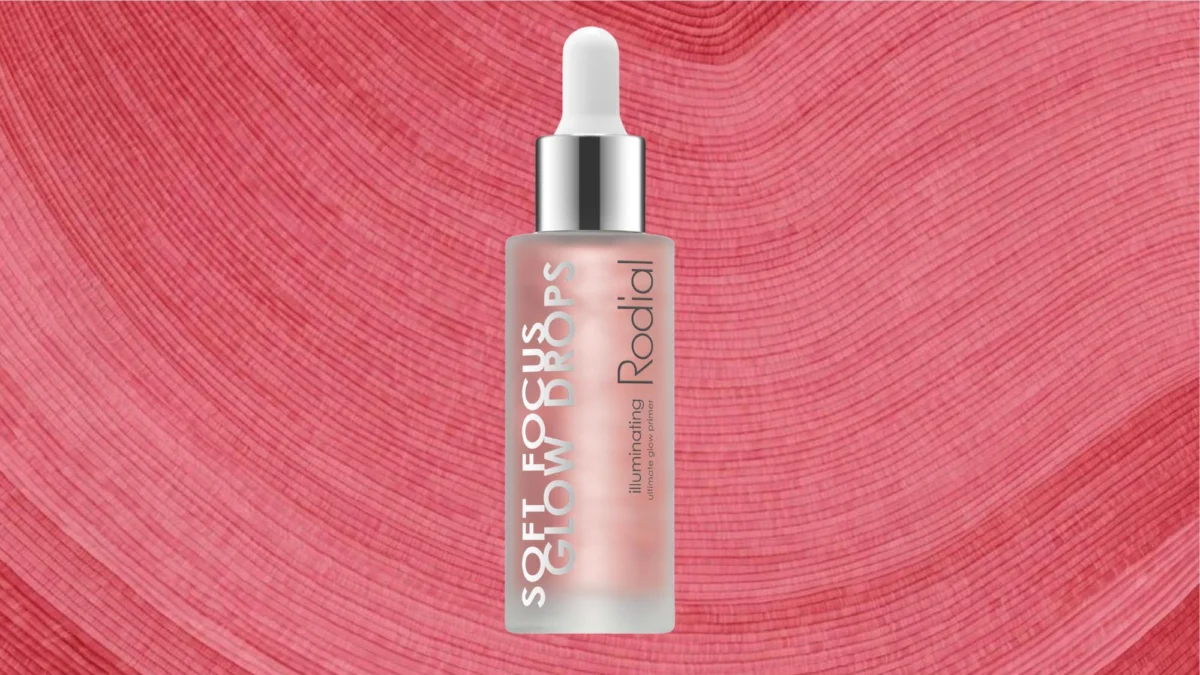
The traditional function of a cosmetic primer has long been relegated to the background of the makeup application process. Historically, these products served as a utilitarian bridge between skincare and foundation, formulated primarily to create a physical barrier that smoothed skin texture, filled in fine lines, and extended the longevity of color cosmetics. However, the introduction of the Rodial Soft Focus Glow Drops marks a notable departure from this paradigm, signaling a broader industry shift toward multifunctional, hybrid skincare-makeup products that prioritize skin health and luminosity over mere coverage.
The Evolution of Priming Technology
To understand the significance of the Rodial Soft Focus Glow Drops, one must first examine the trajectory of primer development over the last two decades. In the early 2000s, the market was dominated by silicone-heavy formulas designed to mattify the skin and create a "blank canvas." These products often prioritized texture over hydration, sometimes leading to clogged pores or a heavy, synthetic feel.
By the mid-2010s, consumer preferences began to shift toward the "dewy" aesthetic, popularized by the Korean beauty market’s emphasis on hydration. This transition saw the rise of illuminating primers containing light-reflecting pigments. The Rodial Soft Focus Glow Drops represent the next iteration of this trend: a product that operates as both a sophisticated skincare treatment and a cosmetic enhancer. By integrating humectants like glycerin and emollient-rich squalane, the formula addresses the skin’s moisture barrier while simultaneously utilizing mica for optical correction.
Technical Specifications and Ingredient Profile
The efficacy of the Rodial Soft Focus Glow Drops is rooted in its specific chemical composition. Glycerin, a powerful humectant, is utilized to draw moisture into the epidermis, maintaining hydration levels throughout the day. Squalane, a stable hydrocarbon derived from plant sources, mimics the skin’s natural sebum, providing a non-comedogenic barrier that prevents transepidermal water loss.
The inclusion of mica—a group of silicate minerals—provides the "soft-focus" effect. Unlike traditional highlighters that rely on coarse glitter particles, the mica in this formulation is finely milled to scatter light in a way that minimizes the appearance of imperfections. Data from dermatological studies suggests that light-diffusing particles can effectively reduce the visual perception of skin irregularities, such as hyperpigmentation or uneven texture, by altering how light reflects off the surface of the skin. This creates an optical illusion of smoothness without the need for heavy, opaque pigments.
Chronology of Market Entry and Consumer Reception
The product’s trajectory toward mainstream visibility was significantly accelerated by its inclusion in the September Allure Beauty Box. The subscription box model, which has become a primary distribution channel for prestige beauty brands, serves as a rigorous testing ground for new product launches.
- Q1 2023: Initial laboratory testing and formulation finalization for the Glow Drops.
- Q2 2023: Early soft-launch and pilot distributions to beauty influencers and industry professionals to gather qualitative feedback on texture and skin-feel.
- August 2023: Announcement of the product’s inclusion in the upcoming September Allure Beauty Box, signaling a major strategic push for consumer acquisition.
- September 2023: Official launch to the broader retail market, coinciding with the distribution of the beauty box subscription kits.
Industry analysts observe that this specific rollout strategy—leveraging high-traffic subscription platforms—is indicative of current marketing trends for prestige cosmetics. By placing a high-value product directly into the hands of the end-user, the brand effectively bypasses traditional advertising barriers and generates immediate, organic product trials.
Industry Implications: The Rise of "Skinimalism"
The success of products like Rodial Soft Focus Glow Drops is inextricably linked to the "skinimalism" movement. This trend, which gained substantial momentum following the global pandemic, prioritizes a reduced number of products in a daily routine. Consumers are increasingly seeking formulas that offer high performance with minimal effort.
The shift from heavy foundation coverage to the use of illuminating primers as standalone products reflects a broader cultural desire for authenticity in beauty. Instead of masking the skin, consumers are investing in products that enhance the natural complexion. This represents a significant challenge to traditional foundation manufacturers. If a primer can provide a "soft-focus" finish that makes a user feel comfortable skipping a full base of foundation, the necessity of heavy, high-coverage products may decrease.
According to reports from beauty industry market research firms, the demand for "hybrid" products—those that bridge the gap between skincare and cosmetics—is projected to grow by approximately 6% annually over the next five years. Brands that fail to integrate skincare benefits into their cosmetic offerings risk losing relevance in a market that increasingly values skin health as the primary foundation of beauty.
Strategic Perspectives from Industry Experts
While official statements from Rodial executives emphasize the brand’s commitment to "high-performance, clinical-grade beauty," independent dermatologists note that the long-term impact of such products is largely dependent on the concentration of the active ingredients.
"The inclusion of squalane is a positive indicator," says Dr. Elena Vance, a cosmetic chemist and independent consultant. "It suggests that the brand is moving beyond mere aesthetics and into the realm of barrier support. When you pair that with light-diffusing technology, you are addressing both the biological needs of the skin and the psychological needs of the consumer who wants an immediate, polished appearance."
Furthermore, the trend toward "glow-focused" products is backed by data concerning consumer purchasing behavior. A recent survey conducted by a leading beauty analytics firm indicated that 74% of consumers under the age of 35 prioritize "glow" or "radiance" as the primary benefit they seek in a facial cosmetic product, compared to only 42% who prioritize "coverage."
Future Outlook: The Intersection of Skincare and Cosmetics
As the distinction between skincare and makeup continues to blur, the future of the beauty industry will likely be defined by further innovation in "treatment-first" cosmetics. The Rodial Soft Focus Glow Drops serve as a microcosm of this broader movement. By prioritizing ingredients that hydrate and protect, while simultaneously providing a visual aesthetic that mimics professional lighting, the product addresses the dual demand for efficacy and convenience.
However, the industry must also grapple with the regulatory and ethical considerations of these hybrid products. As more makeup brands enter the skincare space, the scrutiny regarding claims of "treatment" benefits will likely increase. Regulatory bodies, such as the FDA in the United States and the EMA in Europe, have historically maintained strict delineations between cosmetic and pharmaceutical products. Manufacturers will need to ensure that their marketing claims remain accurate and substantiated by clinical evidence to maintain consumer trust.
In conclusion, the Rodial Soft Focus Glow Drops exemplify the current state of the prestige beauty market. They represent a pivot away from the traditional, stage-like makeup of the past toward a more natural, radiant, and skin-centric aesthetic. As consumers continue to demand transparency, efficiency, and visible results, the success of such products suggests that the future of beauty lies in the seamless integration of dermatological science and artistic application. Whether this product remains a staple in the kits of professional makeup artists or evolves into a daily essential for the average consumer, it has successfully disrupted the standard narrative of what a primer can—and should—do.