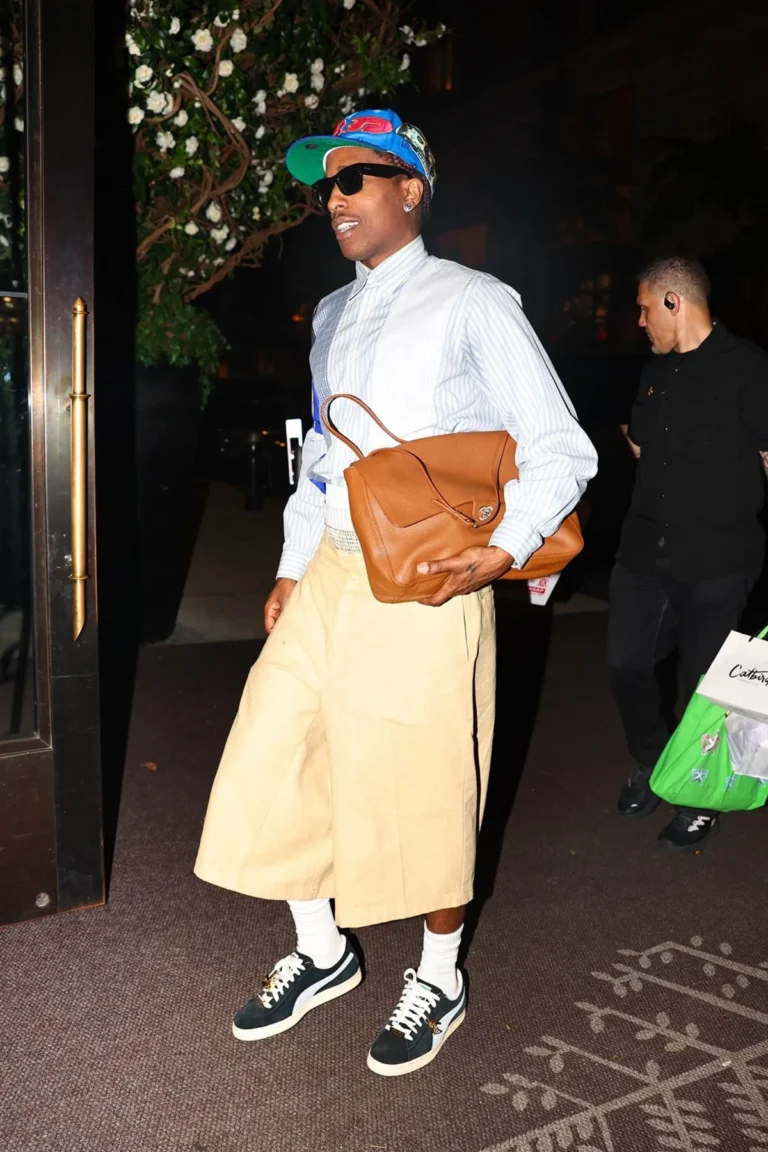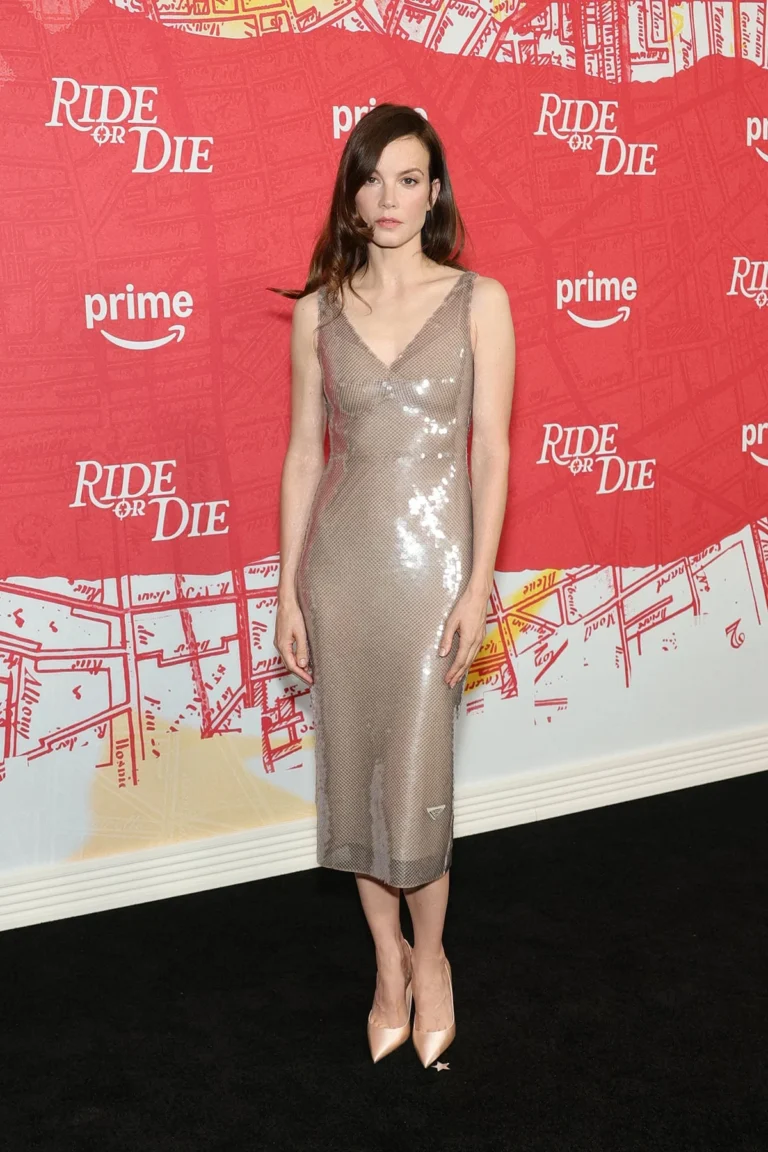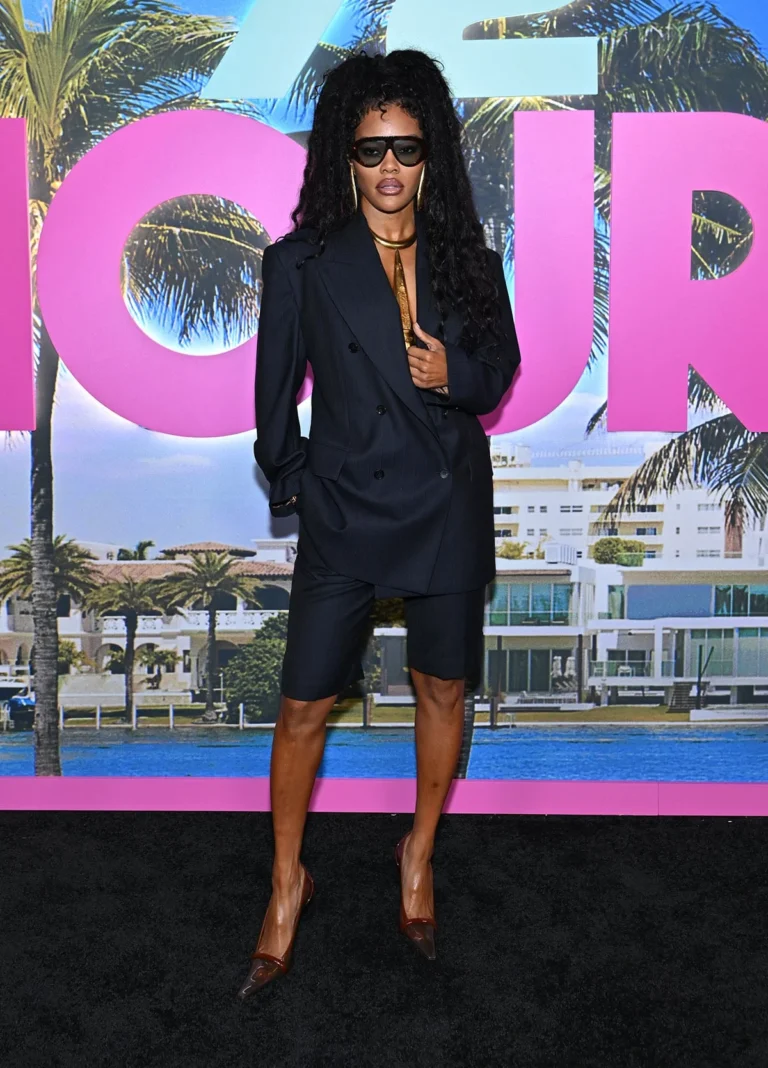


The global fashion landscape is currently undergoing a significant transformation, characterized by a strategic intersection of high-street accessibility, archival reverence, and avant-garde experimentation. Recent public appearances by high-profile figures, ranging from Hollywood royalty to British nobility, have underscored a shift in how celebrity influence is leveraged to bolster brand equity and define contemporary aesthetic standards. This evolution is not merely a matter of individual style but represents a sophisticated orchestration of marketing, cultural storytelling, and economic positioning within the luxury goods sector.
The Strategic Intersection of Celebrity and Couture
The recent slate of public appearances highlights a diverse array of design philosophies, from the minimalist elegance of Roland Mouret to the provocative conceptualism of Matières Fécales. At the forefront of this movement is Anne Hathaway, whose recent fashion choices have been described by industry analysts as a "style renaissance." Hathaway’s collaboration with Zac Posen for GapStudio marks a pivotal moment in the democratization of high design. By wearing a custom GapStudio creation, Hathaway bridges the gap between mass-market retail and red-carpet exclusivity, a move that provides significant data regarding the "halo effect" where a luxury designer’s prestige is used to elevate a commercial brand’s market perception.
Similarly, Zendaya’s continued partnership with stylist Law Roach has pushed the boundaries of "method dressing"—the practice of aligning one’s wardrobe with the themes of a current film project. Her appearance in Matières Fécales, a brand known for its otherworldly and often unsettling aesthetic, contrasts sharply with her more structured Jitrois ensembles. These choices reflect a broader industry trend where celebrities are no longer just "clothed" by brands but are active participants in performance art, driving massive engagement on digital platforms and increasing the "Earned Media Value" (EMV) for the labels involved.
Chronology of Influence: Key Fashion Moments and Their Context
The timeline of these recent fashion milestones aligns with major cultural events, including international film festivals, high-profile premieres, and seasonal collection launches.
- The Spring Press Circuit: This period saw Anya Taylor-Joy embarking on an extensive promotional tour for Furiosa: A Mad Max Saga. Her selection of Tom Ford and Ferragamo showcased a dual approach: Ford representing a classic, high-octane Hollywood glamour, and Ferragamo, under the creative direction of Maximilian Davis, representing the new era of "quiet luxury" infused with modern edge.
- Royal Engagements and Diplomatic Style: The Princess of Wales’s choice of a Roland Mouret gown for a high-profile event reinforced the "Kate Effect," a phenomenon where items worn by the Princess sell out within minutes. Her preference for Mouret, a designer known for precise tailoring and feminine silhouettes, aligns with the Royal Family’s strategic use of fashion to project stability, elegance, and support for the British fashion industry.
- The Rise of South African Luxury: Thandiwe Newton’s appearance in Thebe Magugu highlights the increasing globalization of the fashion industry. Magugu, a LVMH Prize winner, represents the vanguard of African design, integrating cultural narratives with contemporary luxury. Newton’s choice serves as a significant endorsement of non-Western design houses, signaling a shift in the traditional power structures of Milan, Paris, and New York.
Supporting Data: The Economic Impact of Red Carpet Appearances
Market research indicates that celebrity endorsements remain one of the most effective drivers for luxury brand growth. According to data from Launchmetrics, a single high-profile red carpet appearance can generate upwards of $2 million in Media Impact Value (MIV) for a brand.
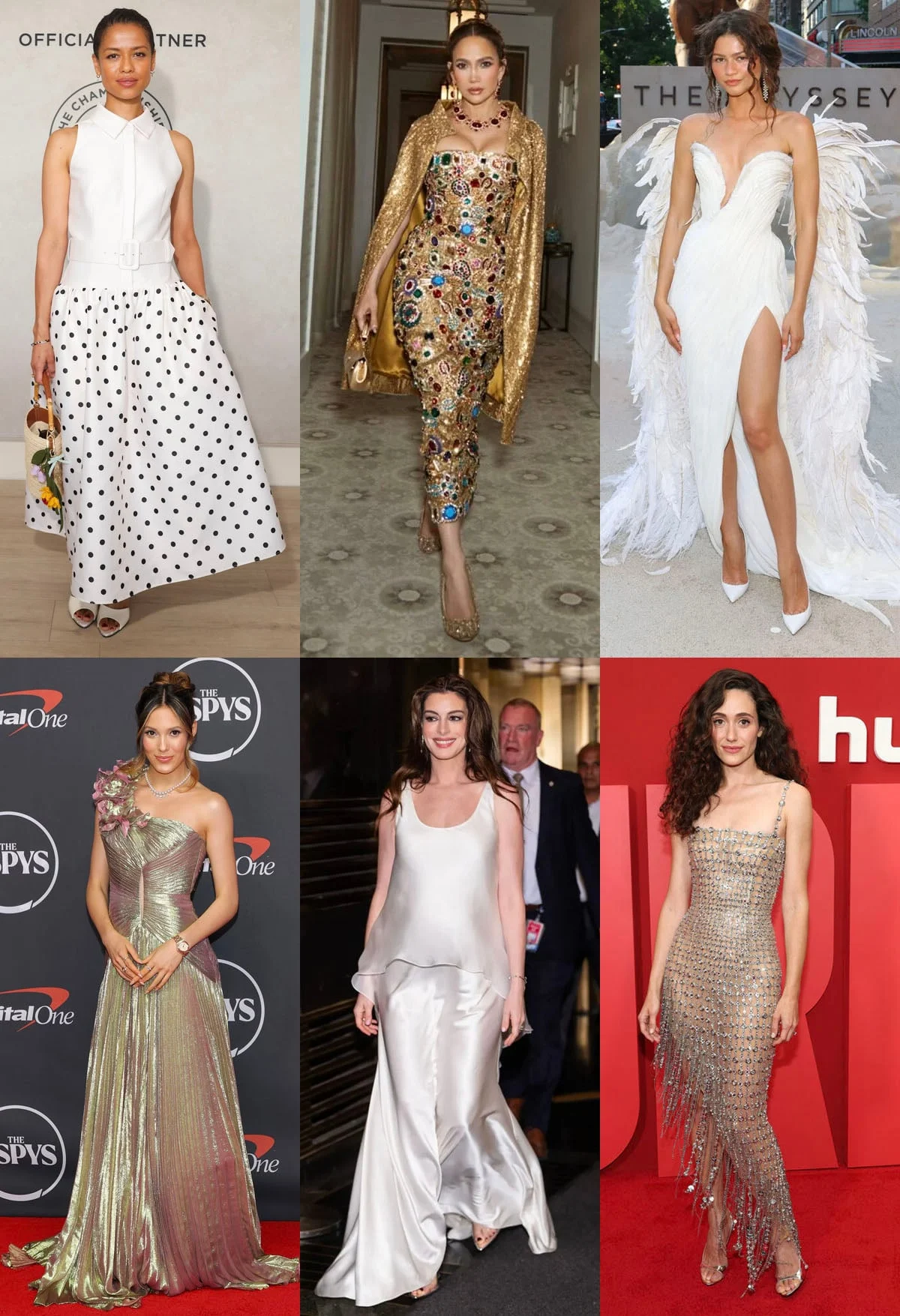
For instance, the inclusion of Jennifer Lopez in both Ralph Lauren Collection and Dolce & Gabbana Alta Moda illustrates two different market strategies. The Ralph Lauren appearance taps into the "Americana" heritage market, appealing to a demographic that values longevity and classic status. Conversely, the Dolce & Gabbana Alta Moda selection targets the ultra-high-net-worth individual (UHNWI) segment, focusing on the craftsmanship and exclusivity of one-of-a-kind couture.
Similarly, the brand Self-Portrait, worn recently by both Gugu Mbatha-Raw and Nicky Hilton, has carved out a unique niche in the "attainable luxury" segment. By pricing garments in the $400 to $800 range, Self-Portrait leverages celebrity visibility to drive high-volume sales among upper-middle-class consumers who seek the aesthetic of couture without the five-figure price tag.
Analysis of Designer-Muse Dynamics
The relationship between a designer and a celebrity is often a symbiotic partnership designed to refresh a brand’s image.
- Anne Hathaway and Prada/Alaïa: Hathaway’s choice of Prada and Alaïa reinforces her status as a sophisticated fashion icon. Prada’s intellectual approach to fashion and Alaïa’s emphasis on the architectural form of the female body serve to frame Hathaway as a serious artist with refined tastes.
- Emmy Rossum in Julie de Libran and Monse: Rossum’s selection of Julie de Libran Couture speaks to a preference for niche, artisanal luxury, while her Monse look highlights a support for New York-based contemporary design. Monse, led by Laura Kim and Fernando Garcia (who also head Oscar de la Renta), is known for deconstructed tailoring, which offers a more youthful, edgy alternative to traditional evening wear.
- Eileen Gu in Guo Pei Couture: As an Olympic athlete and a global fashion ambassador, Eileen Gu’s choice of Guo Pei is deeply symbolic. Guo Pei is China’s most renowned couturier, and Gu wearing her designs on a global stage represents a bridge between East and West, as well as the intersection of athletic excellence and high-fashion artistry.
Official Responses and Industry Sentiment
While designers rarely issue formal statements regarding specific red-carpet placements, the "re-gramming" and social media promotion by houses like Thom Browne (worn by Yerin Ha) and Oscar de la Renta (worn by Kerry Washington) serve as official acknowledgments of these partnerships.
Industry insiders suggest that the selection process for these garments is becoming increasingly rigorous. Stylists now negotiate "exclusives" months in advance, ensuring that their clients do not overlap with other stars. For emerging designers like Conner Ives, who was recently worn by Monica Barbaro, such placements are "make or break" moments. A successful red-carpet debut can lead to immediate retail orders from major platforms like Net-a-Porter or MyTheresa.
Broader Implications for the Fashion Industry
The diversity of the current "best dressed" lists reflects a broader cultural movement toward inclusivity and the breaking of traditional fashion "rules." The presence of Lupita Nyong’o in Nicholas Oakwell Couture and Yerin Ha in Thom Browne demonstrates a move away from the "safe" choices of the past. Thom Browne’s shrunken suits and conceptual silhouettes, in particular, challenge traditional notions of red-carpet femininity.
Furthermore, the environmental impact of the fashion industry is beginning to influence celebrity choices. While the data on these specific looks focuses on new couture, there is a growing trend of "archival" pulls—wearing vintage pieces from a designer’s previous collections. This practice, often seen with stars like Zendaya and Anya Taylor-Joy, promotes a message of sustainability and the enduring value of high-quality craftsmanship.
Future Outlook
Looking forward, the integration of technology and fashion is expected to deepen. We are seeing the beginning of "digital twins" where a celebrity’s physical outfit is mirrored by a digital version for use in the metaverse or social media filters. However, the tactile allure of a Nicholas Oakwell Couture gown or the intricate beadwork of a Guo Pei creation remains the primary driver of fashion’s emotional and economic power.
The list of celebrities and their respective designers—from the Princess of Wales in Roland Mouret to Eileen Gu in Guo Pei—serves as a barometer for the current state of the industry. It is an industry that is increasingly global, strategically diverse, and deeply intertwined with the digital economy. As brands continue to navigate a complex global market, the celebrity-designer alliance will remain their most potent tool for storytelling and brand building. The success of these collaborations is measured not just in aesthetic beauty, but in their ability to capture the public imagination and translate that attention into sustained brand loyalty and commercial success.