









The intersection of technology and fashion has once again come into sharp focus with OpenAI, the artificial intelligence research and deployment company led by Sam Altman, launching its inaugural line of branded merchandise. This move follows a similar foray into apparel earlier this year by data-mining software giant Palantir, signaling a nascent but significant trend among Big Tech entities to engage with the fashion sphere, ostensibly to cultivate brand image and influence public perception. However, initial reception from established fashion critics and industry insiders suggests a significant chasm between tech companies’ branding aspirations and the nuanced sensibilities of the fashion world.
Palantir’s Pioneer Plunge into Corporate Chic
The chronological narrative of tech’s recent sartorial ventures began in April when Palantir, a company renowned for its sophisticated and often controversial data analytics platforms utilized by government agencies and corporations, unexpectedly released two lightweight chore coats. Available in understated blue and black, these garments represented Palantir’s unconventional entry into the consumer-facing market, a stark departure from its typically opaque and high-security operational profile. At the time, this publication, referencing insights from senior writer Thom Waite, posited that the initiative was part of a broader Silicon Valley phenomenon. This trend involves tech behemoths increasingly leveraging "corporate chic" and "signalling taste" as a strategic imperative to "whitewash its influence over some of the worst atrocities of the 21st century so far."
Palantir Technologies, co-founded by Peter Thiel, Alex Karp, and others, has a complex public image, often associated with surveillance and defense contracts. Its 2020 direct listing saw a valuation of over $20 billion, built on software platforms like Gotham and Foundry that assist in counterterrorism, fraud detection, and disaster response. The decision to release a chore coat, a garment historically associated with manual labor and utility, could be interpreted as an attempt to project an image of grounded practicality and accessibility, a stark contrast to the company’s high-tech, often secretive operations. This strategic pivot towards consumer branding, even through a niche fashion item, suggests an evolving understanding within the tech sector that public perception, beyond purely technological prowess, holds increasing weight in an era of heightened scrutiny. The chore coat, a classic, unassuming piece, perhaps aimed to subtly humanize a brand often perceived as formidable and distant.
OpenAI Enters the Fashion Fray with Lifestyle Merch
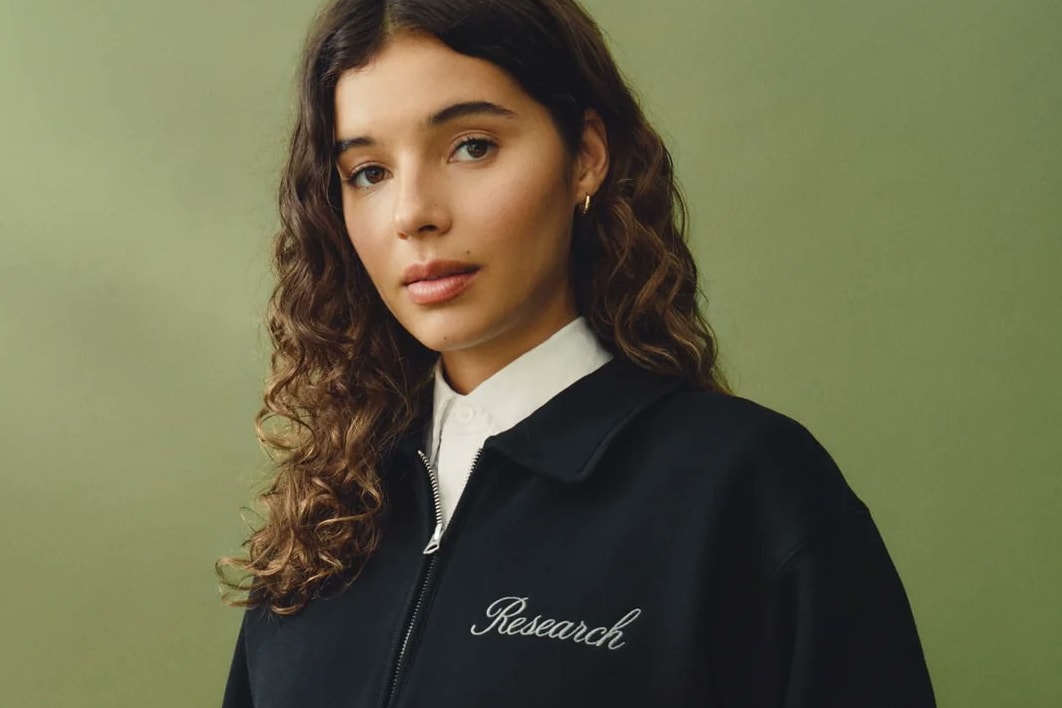
Just months after Palantir’s venture, Sam Altman’s OpenAI, a company at the forefront of the artificial intelligence revolution with products like ChatGPT and DALL-E, made its own distinct entry into the apparel market this week. The launch was a small, curated "drop" of merchandise made available on the company’s official website. Public awareness of this new direction was primarily sparked by an X (formerly Twitter) user, Karine Hsu, who shared images of the collection alongside the caption, "whoa new OpenAI merch store dropped with an actual lifestyle photoshoot."
The accompanying photoshoot, set against a faded green backdrop, showcased models sporting various items. Key pieces included a quarter-zip pullover emblazoned with the word "Research" embroidered in a flowing cursive script, bright blue socks prominently featuring the company’s distinctive interlocking logo, and a graphic tote bag. The collection also included additional white socks and a slogan t-shirt that provocatively read, "Good Research Takes Time." The latter, emanating from the very creators of ChatGPT, an AI model celebrated for its rapid content generation, immediately struck many observers as a profound, if perhaps unintentional, exercise in irony. OpenAI’s move, much like Palantir’s, points to a broader strategy where tech companies, grappling with the societal implications and public perception of their powerful technologies, are seeking new avenues to connect with audiences. For OpenAI, a company actively shaping the future of human-computer interaction, a merchandise line could be seen as an effort to foster community, brand loyalty, and a sense of shared identity among its users and enthusiasts, moving beyond purely functional interactions with its software.
The Fashion Industry’s Unflattering Verdict
While some within the burgeoning tech-fashion crossover space may have embraced OpenAI’s new sartorial direction, the response from the established fashion industry has been overwhelmingly critical, if not outright dismissive. Rachel Tashjian, the senior style reporter for CNN, sharply characterized the lifestyle photoshoot as embodying a "weirdly passé Kith/ALD aesthetic of about five years ago." Her critique highlighted a perceived lack of originality and an outdated sensibility, suggesting that OpenAI’s attempt to capture contemporary style had missed the mark by several fashion cycles. Similarly, fashion writer Jake Woolf delivered a blunt assessment, concluding succinctly that "these clothes suck ass." Theorist Rian Phin offered an equally concise, yet damning, verdict, stating simply, "looks horrible."
These reactions underscore a significant cultural and aesthetic disconnect. The fashion world, with its emphasis on innovation, narrative, and often, a critical engagement with societal trends, appears to find these tech-driven apparel initiatives to be derivative, uninspired, and perhaps even cynical. The critiques suggest that simply slapping a logo onto generic apparel, even with a "lifestyle photoshoot," is insufficient to meet the standards of an industry built on design integrity, authenticity, and a deep understanding of current aesthetics. The question remains whether OpenAI’s primary target audience—likely tech enthusiasts, employees, or developers—will share the fashion industry’s stringent aesthetic standards, or if the brand recognition alone will suffice for its internal objectives.
Broader Implications: Tech’s Quest for Cultural Cachet

The ventures of Palantir and OpenAI into fashion are not isolated incidents but rather symptomatic of a larger phenomenon: Big Tech’s escalating pursuit of cultural cachet and mainstream acceptance. In an era where technological influence permeates every aspect of daily life, companies are recognizing that their brand image must extend beyond mere functionality or market dominance. There is a growing imperative to connect with consumers on an emotional, lifestyle-oriented level, especially as debates around data privacy, AI ethics, and corporate responsibility intensify.
Historically, Silicon Valley’s sartorial identity has been defined by utilitarianism and casual wear – the ubiquitous hoodie, t-shirt, and sneakers. Early attempts at "merch" by tech giants like Google or even Apple in its nascent stages were often rudimentary and primarily aimed at internal staff or early adopters. However, the current trend, exemplified by Palantir’s chore coats and OpenAI’s lifestyle shoot, indicates a shift towards more deliberate design and marketing, albeit with mixed results. This evolution suggests that tech companies are investing in external branding agencies or building internal fashion-focused marketing teams, hoping to translate their technological prowess into tangible, desirable lifestyle products.
The stark disparity between the fashion industry’s harsh critiques and the tech companies’ evident efforts highlights a profound cultural clash. The fashion world values originality, craftsmanship, and a nuanced understanding of trends, often perceiving corporate-led fashion as inauthentic or purely transactional. Conversely, tech companies might prioritize brand visibility and community building, potentially underestimating the discerning eye of the fashion cognoscenti. The success of such ventures within the tech ecosystem will likely be measured less by critical acclaim and more by internal adoption, employee morale, and the ability to foster a sense of belonging among a dedicated user base. However, if the goal is broader cultural penetration and a softening of their public image, these initial forays suggest a steep learning curve ahead for tech’s fashion aspirations.
Other Notable Fashion News from the Week
Beyond the intriguing forays of tech giants into apparel, the fashion world itself buzzed with a variety of significant developments, highlighting both luxury and contemporary trends.
Louis Vuitton Unveils World Cup Trophy Trunk
As global football fever continues to build towards the 2026 FIFA World Cup final, luxury powerhouse Louis Vuitton once again affirmed its deep-rooted association with major sporting events by unveiling the official bespoke trunk for this year’s coveted trophy. Louis Vuitton’s relationship with the FIFA World Cup dates back to 2010, consistently producing meticulously crafted trunks that epitomize the brand’s heritage of exceptional savoir-faire and travel artistry. These trunks are not merely carrying cases but symbols of prestige, designed to protect and present one of the world’s most recognizable sporting accolades. The maison announced that "The Trophy Trunk will make its first appearance on the pitch during the final of the FIFA World Cup 2026," to be escorted by a Louis Vuitton ambassador and a FIFA legend. This strategic alignment reinforces Louis Vuitton’s global presence and its ability to intertwine luxury fashion with high-profile cultural moments, generating immense global visibility and reinforcing its aspirational brand image among billions of viewers. The identity of the chosen ambassador and legend remains a subject of widespread speculation, adding another layer of intrigue to the upcoming final.
Josh O’Connor Joins Dior Family as Menswear Ambassador
The esteemed British actor Josh O’Connor, celebrated for his compelling performances in productions like "The Crown," has been formally welcomed into the prestigious Dior family, assuming the role of menswear ambassador for the iconic French luxury house. This appointment solidifies O’Connor’s burgeoning status as a fashion icon and strategically aligns him with Dior’s sophisticated and modern aesthetic under Creative Director Kim Jones. Following his official inauguration, O’Connor is now starring in the label’s latest Autumn/Winter 2026 men’s campaign. Shot by the renowned photographer David Sims amidst the picturesque French countryside, the campaign also features LaKeith Stanfield, creating a powerful visual narrative that blends cinematic elegance with high fashion. Such celebrity endorsements are crucial in the luxury market, leveraging the star power and cultural influence of actors like O’Connor to enhance brand appeal, reach new demographics, and reinforce Dior’s position as a leader in men’s luxury fashion. The campaign aims to convey a sense of refined masculinity and artistic sensibility that resonates with Dior’s brand identity.
Telfar’s Playful ‘Downsizing’ Stunt for Baby Shopper Launch
In a characteristically unconventional move, Telfar Clemens, the visionary behind the eponymous Telfar brand, recently captivated his extensive social media following with an Instagram post hinting at "downsizing." The initial presentation of the post cleverly mimicked a somber announcement, leading many to momentarily believe the brand was facing closure or significant contraction. However, upon closer inspection, the "fake news story" was revealed to be an ingenious and highly effective marketing ploy for the debut of the brand’s newest offering: the Baby Shopper. This new accessory, Telfar’s smallest bag to date, is designed to double as a versatile key charm, allowing enthusiasts to clip it onto their larger Telfar bags, colloquially known as "Bushwick Birkins." This creative marketing strategy, which deftly leveraged social media’s penchant for viral content and subverted audience expectations, successfully generated significant buzz and engagement. It underscored Telfar’s unique brand identity, known for its community-centric approach, democratic luxury ethos, and innovative direct-to-consumer model. The Baby Shopper extends the brand’s accessible luxury concept, offering a miniature, collectible version of its iconic design.
Kiko Kostadinov and Ryan Trecartin Collaborate for Round Three
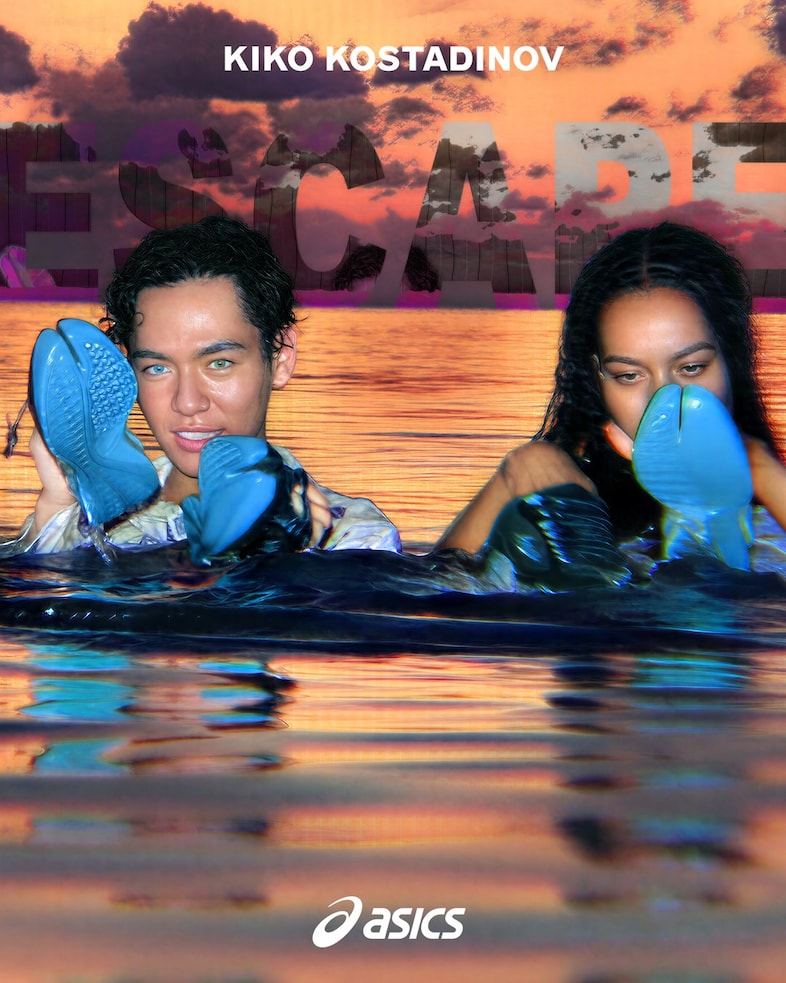
The innovative partnership between Kiko Kostadinov and artist Ryan Trecartin has reached its highly anticipated conclusion with the announcement of the third and final installment of Trecartin’s "BUCKLE YUP" trilogy for Kiko Kostadinov x Asics. This collaborative series has consistently pushed the boundaries of fashion presentation, with Trecartin utilizing his distinctive artistic vision to parody the commercial form as a genre. His work often explores themes of identity, consumerism, and digital culture, making him a compelling choice to interpret Kostadinov’s avant-garde sportswear designs for Asics. This latest and final drop in the acclaimed series commemorates the release of the Ilargi FF II, a product that exemplifies the fusion of high-performance sportswear with conceptual design. The collaboration has been lauded for its ability to blend athletic functionality with artistic expression, creating footwear that is both technically advanced and culturally resonant. The trilogy’s conclusion marks a significant moment in contemporary fashion, showcasing how interdisciplinary collaborations can redefine product launches and brand narratives, offering consumers a deeper, more conceptual engagement with their purchases.
GCDS Harnesses Meme Culture for SS26 Campaign
Italian label GCDS (God Can’t Destroy Streetwear) has unveiled its Spring/Summer 2026 collection campaign, strategically tapping into the dynamic energy of contemporary youth culture and the pervasive influence of the internet. The brand, known for its bold, often provocative designs and strong streetwear aesthetic, stated that the campaign is "Inspired by memes, reels and viral internet culture." This approach reflects GCDS’s commitment to reimagining the traditional codes of "Made in Italy" luxury through the irreverent lens of Generation Z and the ubiquitous language of social media. By integrating elements of digital virality and internet humor, GCDS aims to create a campaign that feels authentic and relatable to its target demographic, who are digital natives immersed in online culture. This strategy highlights a growing trend among fashion brands to move beyond conventional advertising, instead embracing interactive, shareable content that resonates with the fast-paced, meme-driven communication styles of younger audiences. The campaign exemplifies how brands are adapting their marketing narratives to engage with a demographic that increasingly consumes fashion content through platforms like TikTok and Instagram Reels.