




In November, Molly and Anna celebrated their wedding at the historic Brotherhood Winery in New York’s Hudson Valley, an event defined by a deliberate fusion of seasonal atmospheric design and deeply personal narrative elements. The ceremony and subsequent reception were documented by Tracy Jade Photography, utilizing a sophisticated combination of digital and 35mm analogue film to capture the "Moody Judy" aesthetic—a thematic concept inspired by the grandeur of historical settings like the Great Hall in the Harry Potter franchise.
The planning, facilitated by Dhalia Events, prioritized a cohesive color palette of deep greens and autumnal oranges, emphasizing the natural beauty of the winery’s grounds during the late fall transition. This celebration stands as a case study in modern wedding planning, where couples are increasingly moving away from standardized traditions in favor of hyper-personalized, location-specific experiences.
Chronology of the Relationship and Event
The couple’s journey began in 2016 at the Manhattan venue Cubbyhole, though they did not begin their serious courtship until 2018. Their path to marriage was marked by two distinct, thoughtful proposals. Anna orchestrated a scavenger hunt that traced significant landmarks of their relationship, culminating at a bench in Hudson River Park—the site where she had first declared her love. Molly’s reciprocal proposal took place at the Brooklyn Botanical Gardens, cementing their commitment to one another.
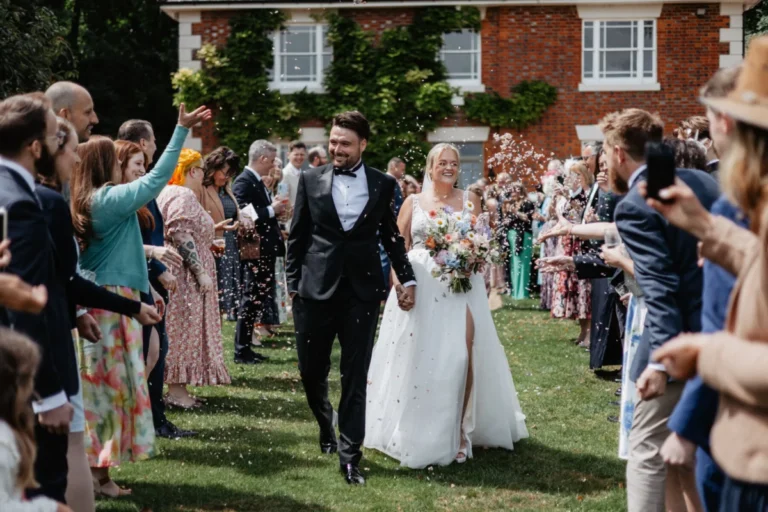
The wedding day itself followed a meticulously timed schedule. The couple opted for a "first look" on the venue’s porch, an intimate moment shared unexpectedly with their parents and wedding party, which set a communal tone for the day. The ceremony, officiated by long-time friend Griffin, featured personal vows that underscored the couple’s mutual respect and humor. Following the exchange of vows, the reception departed from traditional wedding culinary standards. Rather than a formal wedding cake, the couple served apple pies and apple cider doughnuts, a choice that served to highlight the regional agricultural significance of the Hudson Valley during the harvest season.
The Venue and Logistical Considerations
Brotherhood Winery, located in Washingtonville, New York, is the oldest operating winery in the United States, established in 1839. Its selection for this event was not incidental; the venue’s architecture—comprising stone cellars, expansive grounds, and a blend of indoor and outdoor spaces—provided the natural "moody" backdrop required for the couple’s vision.
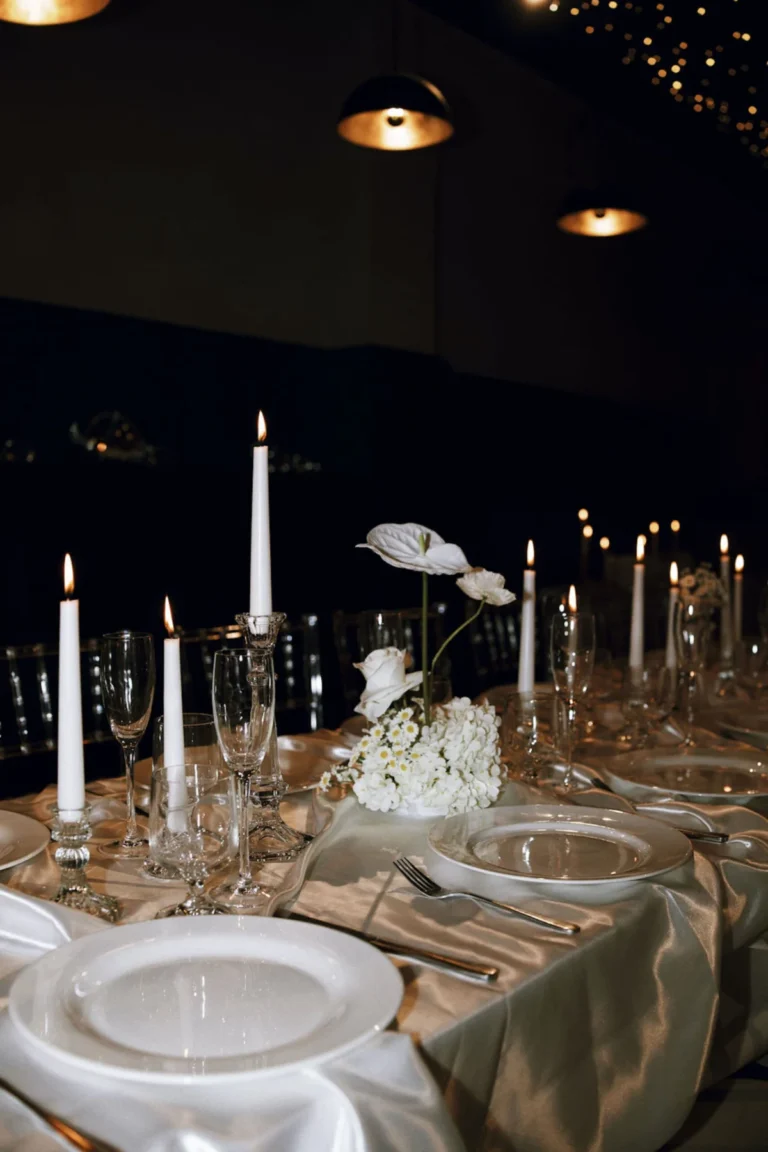
The logistical planning involved a significant degree of Do-It-Yourself (DIY) effort. By creating their own signage, seating charts, and bar menus, the couple managed to lower the carbon footprint typically associated with event production while ensuring the aesthetic remained consistent with their thrifted and curated decor. Industry data suggests that this trend of "conscious curation"—where couples source materials from secondary markets—is gaining traction as an effective way to balance high-end aesthetic expectations with budget sustainability.
Fashion and Artistic Choices
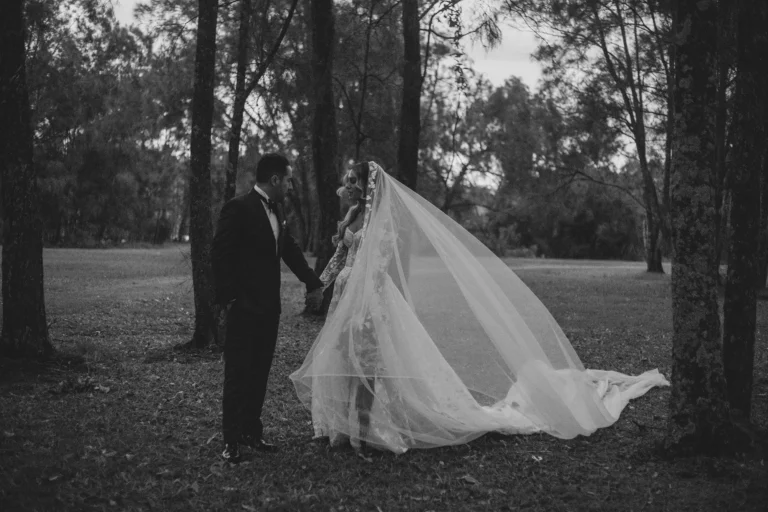
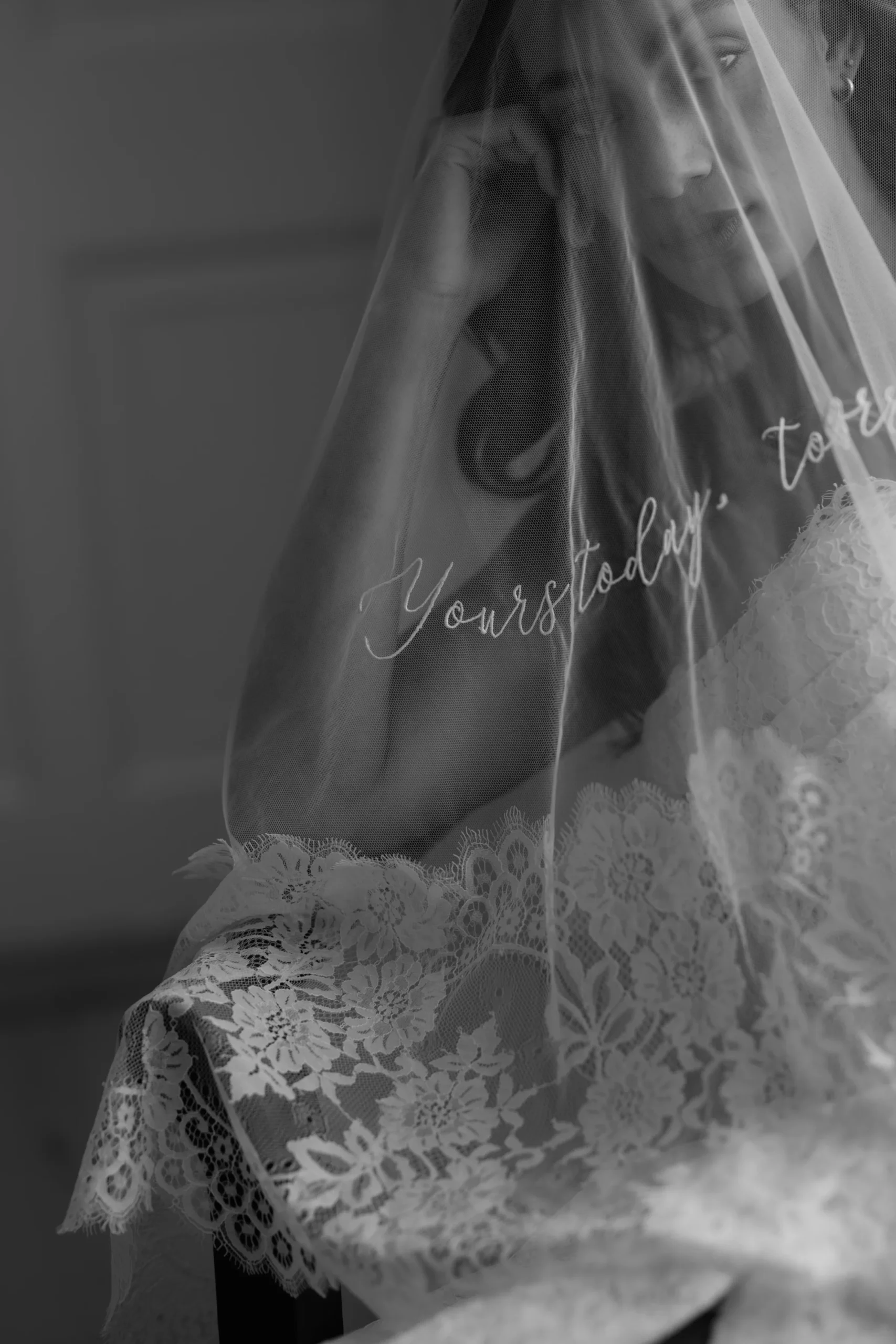
The aesthetic identity of the wedding was further defined by the couple’s attire. Molly selected the "Leona" gown by Casablanca Bridal, sourced from The Barefoot Bride, which featured classic bridal silhouettes paired with a lace-edged veil. Anna opted for a bespoke tuxedo with a white jacket, tailored by The Tailory New York. The juxtaposition of these two styles—one rooted in traditional romanticism and the other in modern, sharp-edged formal wear—reflected the couple’s broader thematic desire for a wedding that possessed both elegance and "edge."
The decision to utilize 35mm analogue film alongside digital photography is reflective of a growing movement within professional photography to prioritize texture and authenticity over the hyper-processed digital look. Experts note that film photography offers a "timeless" quality that resonates with couples seeking to ground their weddings in a sense of history, aligning perfectly with the rustic, historic nature of the Brotherhood Winery venue.
Broader Industry Implications
The wedding of Molly and Anna serves as an example of a shifting demographic in the wedding industry, where LGBTQ+ couples are increasingly reshaping traditional ceremony structures. By incorporating personal elements—such as being walked down the aisle by both a father and a brother, and utilizing a friend as an officiant—the couple demonstrated a move toward "intentional ceremony."
Furthermore, the couple’s advice to "trust your own taste" speaks to a broader critique of the modern wedding-industrial complex. In an era where social media platforms like Pinterest and Instagram often dictate "trends" (such as the "Moody Judy" concept), there is a growing pushback from couples who prioritize personal meaning over market-driven fads.
Market analysts have observed that the post-pandemic wedding industry has seen a resurgence in smaller, more intimate gatherings that focus on the guest experience rather than the performative aspects of the event. By choosing local vendors, local food, and DIY projects, the couple exemplified a "hyper-local" approach to event planning. This strategy not only supports local businesses—such as those within the Hudson Valley—but also creates a more sustainable model for large-scale celebrations.
Expert Analysis: The "Moody" Aesthetic
The rise of the "moody" wedding aesthetic is rooted in the psychology of interior design. Deep, saturated colors like emerald green and burnt orange are known to elicit feelings of warmth and security, which are often sought after during the colder months. When applied to a venue like a winery, these colors emphasize the architectural history of the space, creating a "cozy" atmosphere that encourages social interaction.
"We wanted the Great Hall from Harry Potter, but make it a wedding," the couple noted, highlighting the influence of popular culture on modern wedding themes. This fusion of fantasy and reality is a recurring motif in the current wedding season, as couples look to transform traditional spaces into immersive environments.
Final Reflections and Future Outlook
Following the event, the couple opted for a mini-moon in Boston, choosing to focus on a period of rest and reflection rather than an immediate, high-pressure travel experience. This choice is increasingly common among couples who report feeling "wedding fatigue" after months of intensive planning.
The success of this celebration—from the specific choice of the Hudson Valley location to the rejection of the traditional cake—highlights that the modern wedding is no longer a checklist of societal expectations. Instead, it is a curated reflection of the couple’s history, shared interests, and aesthetic values. As the industry evolves, the focus appears to be shifting toward longevity and personal resonance, with couples like Molly and Anna leading the way in proving that a wedding is, above all, a reflection of the individuals it honors.
For those planning similar events, the primary takeaway is the importance of vendor selection. By engaging with teams like Dhalia Events, who understood their vision, the couple was able to translate abstract ideas into a cohesive, physical reality. As the wedding industry continues to recover and adapt to new social norms, the emphasis on authenticity, local engagement, and personal storytelling remains the most significant driver of success for modern couples.