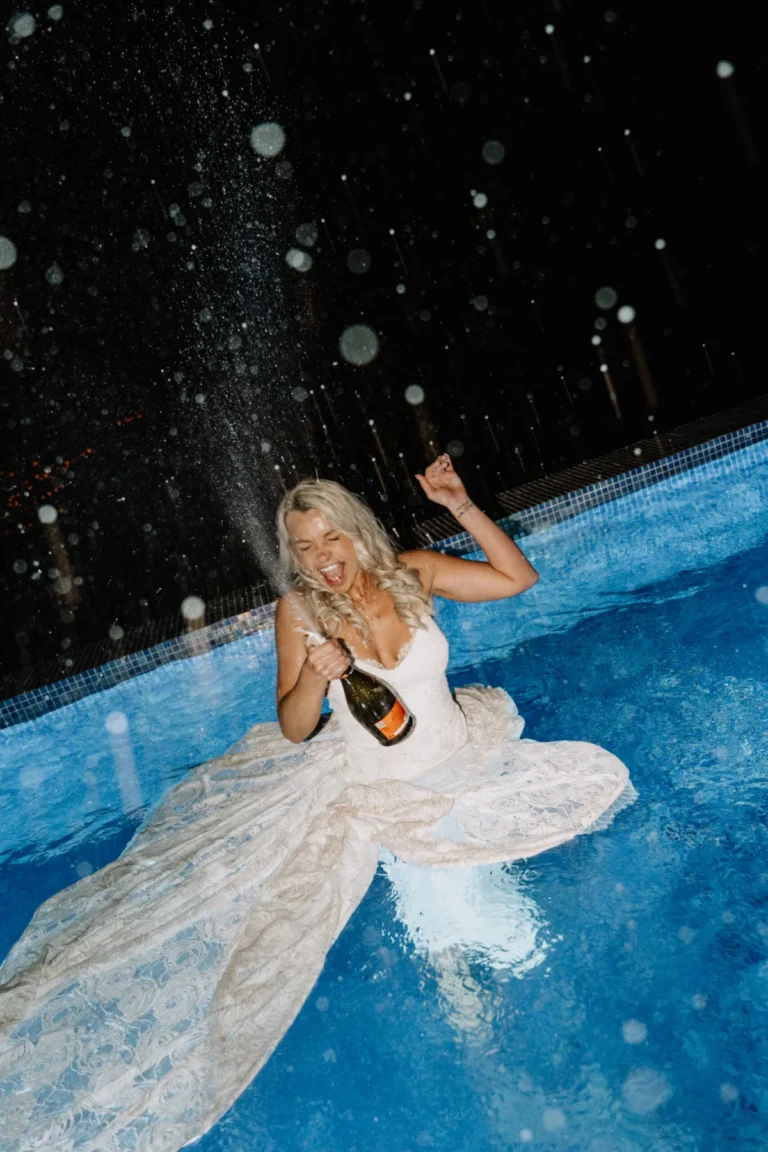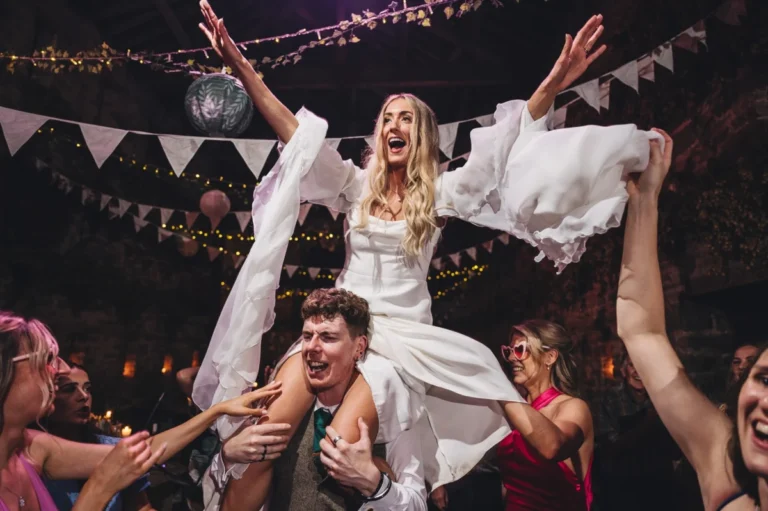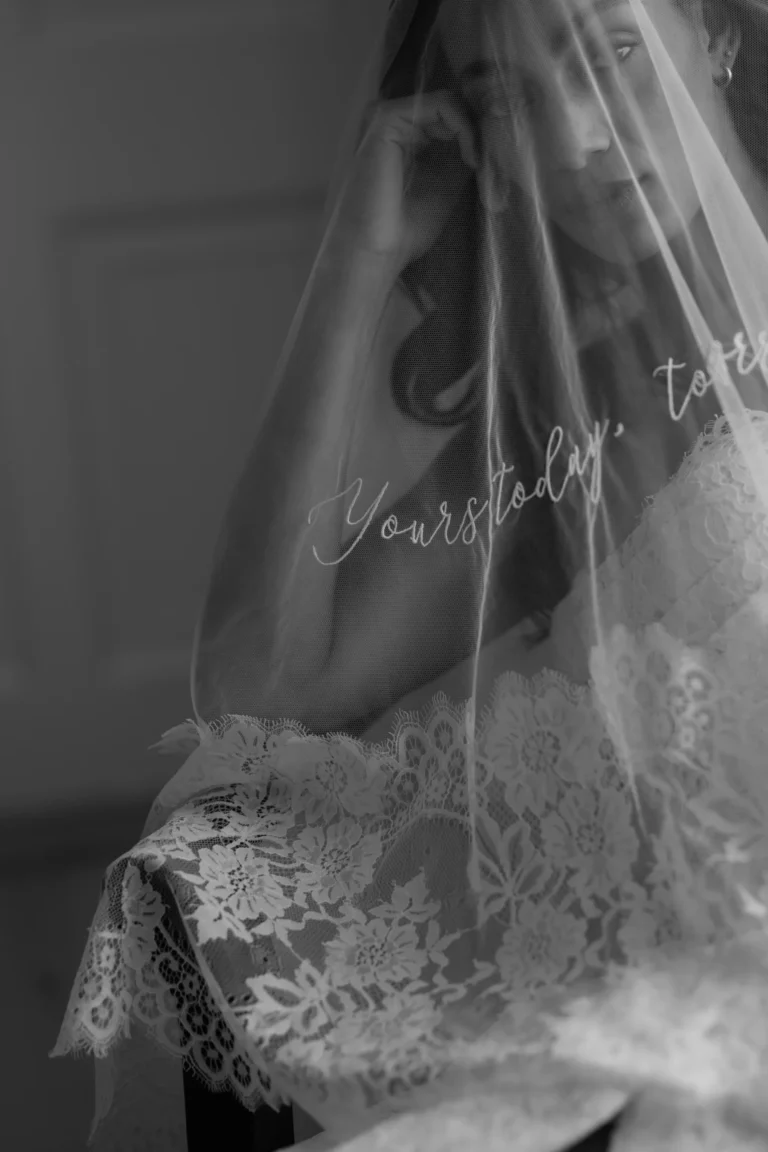












The matrimonial union of Milly and Lewis at the historic St Andrew and St Cuthman Church, followed by a reception at the stately Findon Place, serves as a poignant example of the current trend toward bespoke, countryside-based wedding celebrations in West Sussex. The event, which drew upon the aesthetic of traditional English heritage, was documented by fine-art photographer Jessica Bevan, whose work is noted for its blend of editorial precision and candid emotional capture. This marriage ceremony, held in the picturesque village of Findon, highlights the growing preference for venues that offer a "home away from home" experience, favoring intimacy and landscape-integrated planning over large-scale, impersonal event spaces.
The Chronology of the Event
The couple’s journey to the altar spanned an eight-year relationship, beginning with a chance encounter on a train, followed by a formal introduction via a digital networking platform. After six years of courtship, Lewis proposed during a skiing excursion in Val d’Isère, France. The engagement period lasted approximately 12 months, allowing for a comprehensive planning phase that prioritized logistical flow and atmospheric continuity.
On the day of the wedding, the ceremony was conducted by Fr. Mark Heather at St Andrew and St Cuthman Church. The bride’s arrival was marked by a traditional procession down the aisle, accompanied by the Elvis Presley classic, "Can’t Help Falling in Love." The ceremony included a musical performance by the bride’s sister and a string accompaniment by Magio Strings. Following the vows, the couple utilized a vintage Bentley from Premier Wedding Carriage to transport themselves to the reception venue. The transition from the ecclesiastical setting to the sprawling grounds of Findon Place allowed for a curated sequence of events, including a champagne reception in the gardens, a formal wedding breakfast, and an evening celebration inside a bespoke sailcloth marquee.
Strategic Venue Selection and Logistical Planning
Findon Place, a venue noted for its architectural character and pastoral setting, was chosen by the couple for its ability to host both formal proceedings and relaxed, guest-centric activities. According to industry data, the selection of private country estates for weddings has increased in popularity by an estimated 15% over the past three years, as couples seek venues that allow for a high degree of personalization.
The logistics were managed by wedding planner Rachel Dalton, whose role was instrumental in coordinating the multi-vendor environment. The use of a sailcloth marquee from Tents N Events provided a focal point for the reception, allowing for the integration of nature into the dining experience. The installation of three living silver birch trees inside the marquee to disguise structural poles illustrates a growing trend in "environmental architecture" within the wedding industry, where natural elements are repurposed to enhance the aesthetics of temporary structures.
Floral Artistry and Aesthetic Cohesion
The visual identity of the event was anchored by an extensive floral program, which adhered to a seasonal, English garden theme. The floral design, executed by a specialist team, featured a sophisticated rotation strategy: arrangements created for the church, including a doorway arch and aisle-side meadow boxes, were dismantled and transported to the reception venue. This practice of "floral repurposing" is increasingly common among sustainability-conscious couples, effectively reducing waste while maintaining a consistent visual narrative throughout the day. The color palette focused on pastels, complementing the natural light and the historic architecture of the West Sussex estate.
Professional Service Contributions
The wedding relied on a network of established suppliers, many of whom are recognized for their specialized contributions to the high-end wedding market. Milly’s choice of a bespoke gown by Suzanne Neville, paired with sage green bridesmaids’ attire from Maids to Measure, underscores a movement toward modern, clean silhouettes that cater to diverse body types.
The culinary experience, provided by Food Glorious Food, focused on seasonal ingredients, culminating in a tiered carrot cake. The evening entertainment, provided by the BEAT band via ALR Music, was noted for its high-energy contribution to the reception. The inclusion of an "espresso martini" hour and a silver mirror ball for the dance floor signaled a transition from the traditional afternoon tone to a contemporary, high-energy party atmosphere.
Economic and Cultural Implications of Modern Nuptials
The marriage of Milly and Lewis reflects broader shifts in the wedding industry, where the focus has moved from rigid formality toward a "relaxed luxury" paradigm. This trend emphasizes the importance of guest experience—evidenced by the use of lounge furniture clusters in the garden—and the desire for a seamless, stress-free environment.
Data from the wedding sector suggests that couples are increasingly prioritizing "experience-led" weddings, where the ceremony is treated as a narrative arc rather than a series of disconnected events. The couple’s decision to use G. Collins & Sons for their rings—a jeweler with a Royal Warrant—highlights the continued relevance of heritage brands in a digital age, where provenance and longevity are highly valued.
Furthermore, the couple’s reliance on a professional wedding planner demonstrates an acknowledgment of the complexity inherent in modern event management. By delegating the execution to professionals like Rachel Dalton, the couple was able to prioritize personal engagement during the day, which, according to the bride, was the most significant aspect of the celebration.
Reflections and Industry Advice
In reflecting on the day, the couple emphasized the importance of delegation and the management of expectations. The advice to "accept help" and "give yourself space to breathe" resonates with the current cultural conversation surrounding the mental health of couples during the wedding planning process. Industry analysts often point out that the pressure to achieve a "perfect" aesthetic can lead to significant stress; however, the successful outcome of this event suggests that a clear vision combined with professional oversight can mitigate such concerns.
From an industry standpoint, the event was a masterclass in vendor collaboration. By ensuring that every element—from the string quartet to the caterer—was aligned with the "timeless and elegant" brief, the couple ensured a level of cohesion that is often sought but rarely achieved in large-scale events. The incorporation of personalized touches, such as the Picante shot favors from Lockdown Liquor and the inclusion of family-read poems, ensured that the event remained deeply personal despite the professional scale of the logistics.
As the wedding industry continues to evolve, the case of Milly and Lewis provides a benchmark for future planning. It underscores that while trends like sailcloth marquees and espresso bars are ephemeral, the core elements of successful nuptials remain the same: careful planning, a clear vision, and the support of a reliable team. As of the current season, the demand for venues that offer a "home away from home" experience in the English countryside remains at an all-time high, signaling that the aesthetic of rural, traditional elegance will continue to dominate the market for the foreseeable future. The event concluded without incident, leaving a legacy of careful preparation and a template for those looking to balance tradition with contemporary comfort.