









Nearly 32 million Americans suffer from the chronic, inflammatory nature of eczema, with atopic dermatitis standing as the most prevalent form of the condition. For this large segment of the population, the management of skin health is a perpetual struggle against dryness, inflammation, and intense pruritus. However, recent clinical observations have highlighted a complex secondary complication: the development of milia. While often viewed as a standalone cosmetic concern, the emergence of these keratin-filled bumps in patients with pre-existing inflammatory skin conditions presents a significant challenge for dermatological care. The intersection of eczema treatments and milia formation requires a nuanced approach, as the very products intended to repair the skin barrier can, if misused, inadvertently contribute to the buildup of dead skin cells.
Understanding the Pathophysiology of Secondary Milia
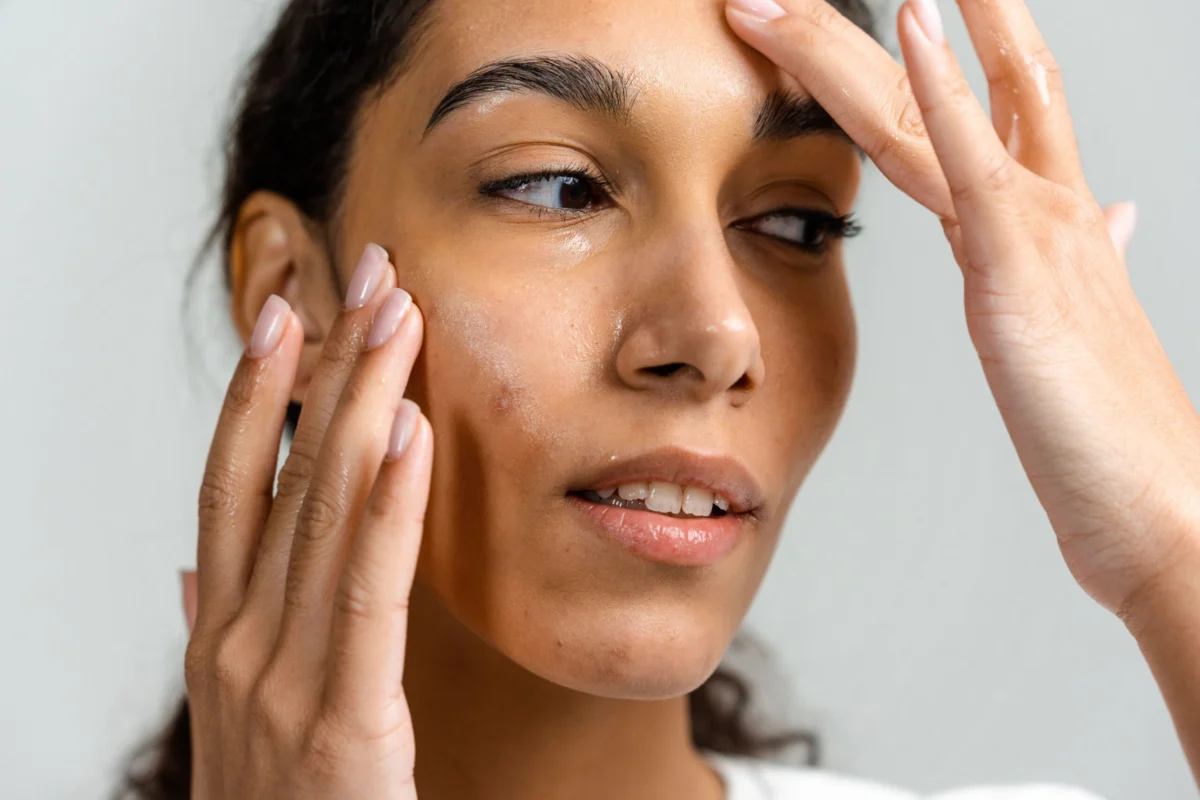
Milia are clinically defined as small, benign, subepidermal keratin cysts. These lesions, which typically manifest as firm, dome-shaped white or yellowish papules around the periorbital region and cheeks, occur when keratin—a structural protein in the skin—becomes entrapped rather than shedding naturally. In the context of atopic dermatitis, these are classified as secondary or traumatic milia.
According to Dr. Dara Spearman, a board-certified dermatologist based in Fort Wayne, Indiana, the primary driver for this phenomenon is chronic inflammation. Eczema compromises the integrity of the stratum corneum, the skin’s outermost barrier. When this barrier is chronically inflamed, the normal desquamation process—the shedding of dead skin cells—is disrupted. Furthermore, the prolonged application of high-potency topical corticosteroids, a staple in eczema management, can lead to cutaneous atrophy. As the skin thins, it loses its structural resilience, making it significantly more susceptible to the entrapment of keratin.
Moreover, the heavy reliance on occlusive emollients, such as petroleum jelly or shea butter, which are essential for sealing in moisture during an eczema flare, can exacerbate the issue. When applied in excess or over areas already prone to milia, these heavy ingredients can create a physical barrier that prevents normal cellular turnover, effectively "plugging" the follicles.
Demographic Considerations and the Risk of Pigmentation
The challenge of managing these two conditions is further amplified by demographic variables, particularly among aging populations and individuals with darker skin tones. Melanin-rich skin naturally possesses lower levels of essential lipids, specifically ceramides, which are critical for maintaining a robust skin barrier. This physiological difference often leads individuals with darker skin to utilize richer, more occlusive moisturizing agents. Consequently, the patient is caught in a cycle: the need for intensive hydration to combat eczema-related dryness conflicts with the need to avoid comedogenic, heavy products that promote milia.
This dynamic is complicated by the risk of post-inflammatory hyperpigmentation (PIH). Patients with higher levels of melanin have melanocytes that are particularly reactive to trauma or inflammation. When the skin barrier is irritated—whether by the eczema itself, the friction of milia extraction, or aggressive topical treatments—these melanocytes may overproduce pigment or, conversely, cause pigment loss. This creates a lasting aesthetic concern that adds a layer of emotional distress to the underlying dermatological condition.
The Chronology of Effective Management
The clinical approach to managing concurrent eczema and milia should follow a structured, phased timeline. The initial priority is always the stabilization of the primary inflammatory condition.
Phase 1: Stabilization (Weeks 1–4)
The immediate goal is to reduce inflammation to restore the skin barrier. Patients are encouraged to consult their dermatologists regarding the adjustment of their current medication regimen. If high-potency steroids are being used, clinicians may transition patients to lower-potency formulations or, preferably, steroid-sparing agents such as topical calcineurin inhibitors or newer nonsteroidal anti-inflammatory creams. These alternatives manage the pruritus and inflammation of atopic dermatitis without the risk of skin thinning associated with long-term steroid use.
Phase 2: Routine Optimization (Ongoing)
Once inflammation is controlled, the focus shifts to environmental and behavioral modifications. Dermatologists, including Dr. Christina Lee Chung of Philadelphia, emphasize that moisture retention is a matter of technique. Patients should limit showers to five minutes or less, using lukewarm water rather than hot water, which strips the skin of its natural oils. Regarding cleansing, the use of non-antibacterial, fragrance-free washes—such as those containing colloidal oatmeal—is highly recommended to soothe the skin without causing further disruption to the microbiome or lipid layer.
Phase 3: Targeted Milia Treatment (Weeks 8+)
After the skin barrier is stabilized, clinical intervention for existing milia can be considered. This may involve professional extraction via a sterile needle or scalpel, a procedure that must be performed by a professional to minimize scarring and infection risks. Alternatively, dermatologists often prescribe topical retinoids. By accelerating cellular turnover, retinoids help ensure that keratin is shed effectively rather than accumulating in the pores. However, because retinoids can induce initial dryness and irritation, they must be introduced cautiously. The "sandwich method"—applying moisturizer, followed by a thin layer of retinoid, and finishing with another layer of moisturizer—is a proven technique to mitigate irritation while maintaining efficacy.
Supporting Data and Clinical Recommendations
The National Eczema Association (NEA) serves as a critical resource for patients navigating this balance. Products carrying the NEA’s "Seal of Acceptance" have been vetted for ingredients that are unlikely to trigger flares or exacerbate sensitive skin. For daily hydration, NEA-approved options like CeraVe Moisturizing Cream and Cetaphil Moisturizing Cream are widely regarded as safe for patients struggling with both eczema and the tendency toward milia.
For stubborn, localized patches of extreme dryness, occlusives like Aquaphor are recommended, but with a specific caveat: they should be used as targeted "spot treatments" rather than all-over facial moisturizers. By restricting the use of heavy, occlusive ingredients to areas that are not prone to milia, patients can maintain the necessary hydration for eczema while avoiding the congestion that leads to cysts.
Broader Clinical Implications
The rising incidence of atopic dermatitis, coupled with an aging population, suggests that the dual diagnosis of eczema and milia will become increasingly common in clinical practice. The implications for patient care are significant; dermatologists must move away from "one-size-fits-all" prescriptions. Instead, the future of treatment lies in personalized skincare protocols that account for individual skin type, ethnicity, and the specific location of lesions.
The psychological impact of these conditions should not be underestimated. Patients often report that the visible nature of milia, combined with the redness and flaking of eczema, creates a sense of social isolation and self-consciousness. Therefore, the goal of treatment is twofold: to restore the physical health of the skin barrier and to improve the patient’s quality of life.
Final Assessment
The management of milia in the context of eczema is a delicate balancing act that requires patience, consistency, and expert guidance. There is no rapid cure that addresses both concerns simultaneously without risking further irritation. However, by prioritizing the control of atopic dermatitis, utilizing non-comedogenic hydration strategies, and cautiously introducing exfoliating agents like retinoids, patients can successfully manage both conditions.
Ultimately, the most successful outcomes are achieved when the patient works in close partnership with a board-certified dermatologist. Through regular follow-ups and a willingness to adjust the regimen based on the skin’s real-time response, individuals can effectively minimize the occurrence of milia while keeping their eczema flares under control. As the field of dermatology continues to evolve, the integration of non-steroidal therapies and a better understanding of the skin barrier’s unique requirements will continue to improve the outlook for millions of Americans living with these chronic skin concerns.