





The global health crisis of 2020 fundamentally altered the rhythm of urban life, plunging major metropolitan centers into unprecedented states of quiet isolation. In London, a city traditionally defined by its frenetic pace, bustling financial districts, and packed transit networks, the pandemic imposed an eerie stillness. The sudden absence of rush-hour crowds, grounded aircraft, and open commercial venues created a surreal backdrop for millions of residents confined to their homes. While the immediate horrors of the pandemic weighed heavily on public health systems, the secondary psychological toll of prolonged lockdowns, social bubbles, and restricted movement fostered a pervasive culture of introspection.
It was within this climate of enforced solitude that French photographer and Central Saint Martins alumnus Maxime Imbert chose to reexamine his relationship with the British capital. Having lived in London for a decade, Imbert was already navigating a period of personal transition, contemplating a relocation to Paris when COVID-19 struck. As the city cycled through successive lockdowns and brief interludes of freedom, Imbert initiated a visual documentation project designed to reconnect with the urban environment and forge interpersonal bonds amid widespread isolation. The resulting body of work has now been compiled into a newly published photo book titled Pulp, serving as a visual testament to a unique chapter in contemporary history.
The Genesis of Pulp: A Visual Love Letter to London
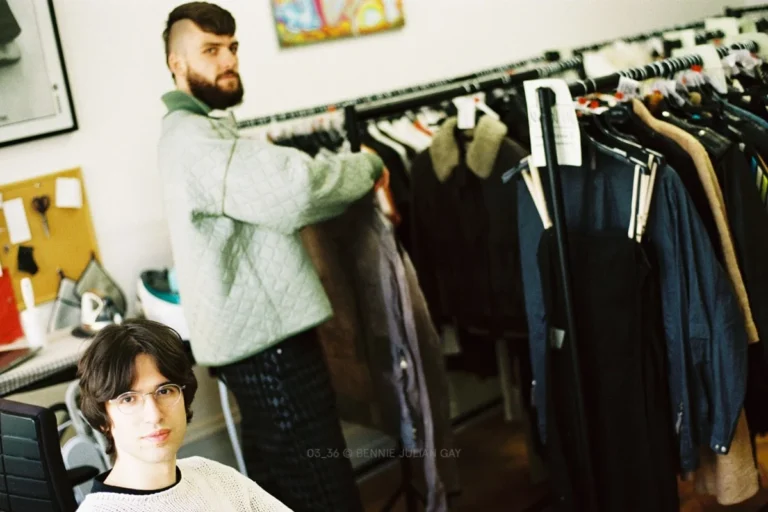
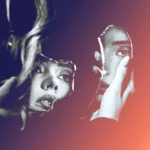
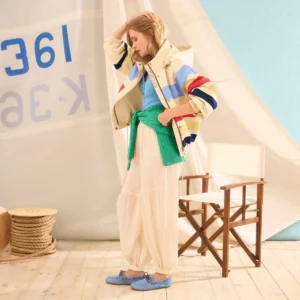
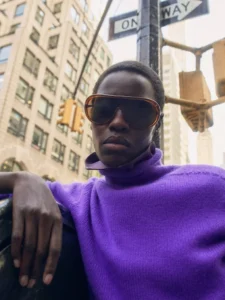
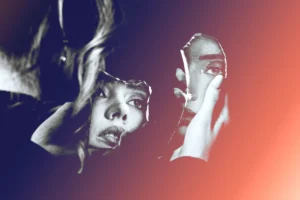
Published by Alep, Pulp moves beyond standard documentary photography to offer an intimate look into the private spaces of Londoners during a time of collective stasis. The publication gathers portraits of individuals, siblings, friends, couples, and roommates photographed inside their homes, wearing their own personal wardrobes. Rather than focusing exclusively on the desolate streets or shuttered storefronts that dominated mainstream media coverage of the era, Imbert trained his lens on the human element, capturing the distinct atmosphere of the city through the lives of the people who inhabited it.
For Imbert, the creation of the book was characterized by a profound sense of reciprocity between the photographer and his subjects. Describing the collaborative process as entirely organic, Imbert notes that the portrait sessions frequently evolved into therapeutic exchanges. Spending hours talking about life, sharing meals, and drinking tea transformed the technical act of photography into a deeply human interaction. The cast of subjects represents a diverse cross-section of London society, blending personal acquaintances and models known to Imbert prior to the project with fresh faces introduced through collaborations with London-based casting directors.
These encounters yielded lasting memories and unexpected bonds, even when circumstances rendered them fleeting. Imbert highlights his time spent with a subject named Dominic, a relationship that deepened significantly during the production of Pulp. Through shared dinners, guitar sessions, and candid conversations about lost loves, the two forged a strong connection. Although subsequent circumstances led to them losing touch, the experience underscores the broader emotional resonance of the project, capturing fleeting moments of human solidarity during a period of profound uncertainty.
Defying Isolation: Extravagant Styling in a Time of Hibernation
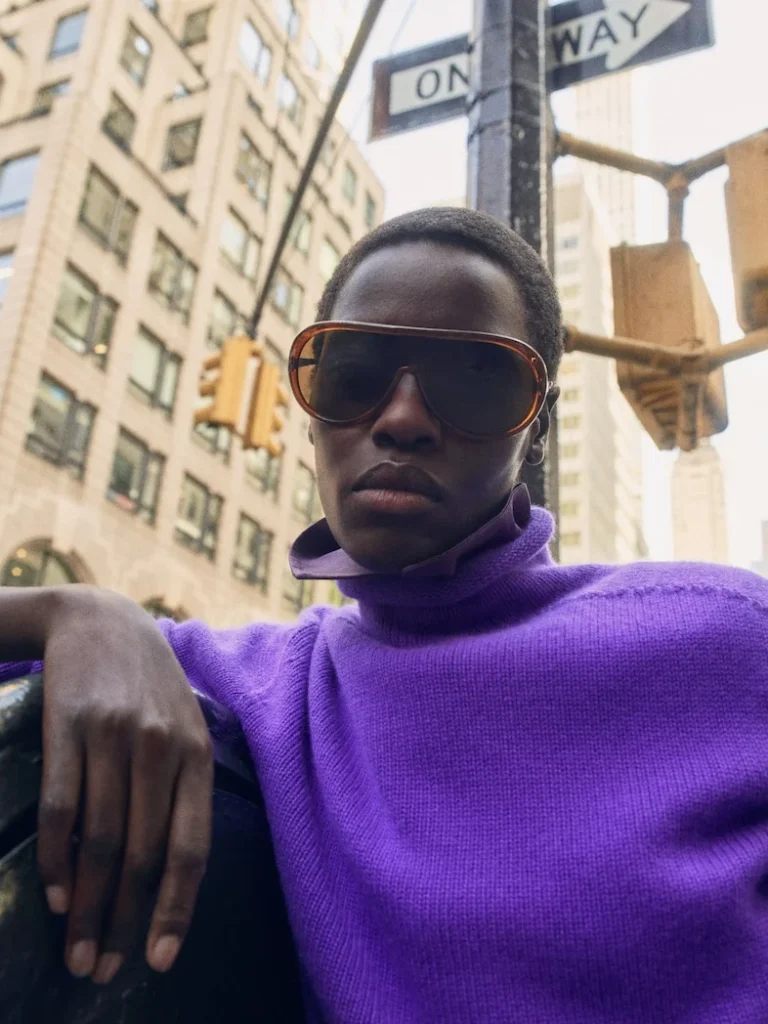
One of the most striking aspects of the Pulp collection is the deliberate sartorial choices made by the subjects. Despite the prevailing cultural narrative of pandemic-era comfort wear—typified by sweatpants, loungewear, and a general retreat into relaxed domesticity—Imbert’s subjects actively rejected anonymity. Rather than shrinking into the background, individuals in the book appear in an array of bold, theatrical, and provocative attire. The portraits feature subjects styled in creative fetish wear, neon bikinis, thigh-high silver boots, and elaborate, avant-garde eye makeup.
This conscious defiance of lockdown drabness carries significant cultural and psychological implications. With nightclubs shuttered, social gatherings restricted to virtual platforms like Zoom and House Party, and traditional public life brought to a halt, physical visibility was at an absolute minimum. Imbert’s photo sessions functioned as a vital outlet for self-expression, offering subjects an opportunity to be seen and validated during a prolonged period of hibernation. By stepping in front of the camera in bold, uncompromising looks, these individuals reclaimed their agency, asserting their identities for an audience that would eventually view the portraits in the future.
Chronology of the Project and Publishing Timeline
The development of Pulp spans several years, transitioning from a localized grassroots artistic endeavor during the height of the COVID-19 pandemic to a formalized published work scheduled for official release in September 2026.
- 2020: The onset of the COVID-19 pandemic leads to strict nationwide lockdowns in the United Kingdom, halting standard social and professional routines. Maxime Imbert, based in London, conceives the idea for a photographic project to re-engage with the city and its residents.
- 2020–2021: Throughout successive lockdowns and transitional periods, Imbert conducts intimate in-home photo sessions across London, collaborating with both known acquaintances and new faces sourced via casting directors.
- 2022–2025: The collected imagery is curated and prepared for publication, capturing the transition of London from lockdown restrictions back to standard urban activity.
- 2026: Alep finalizes the publication of Pulp as a physical photo book, making it available for public acquisition.
- September 18, 2026: The official book launch event is scheduled to take place at Claire de Rouen, located at 11A Kingsland Road, London, running from 6:00 PM to 8:30 PM.
Broader Implications and Cultural Impact
The release of Pulp contributes to a growing body of artistic and sociological documentation examining the long-term effects of pandemic lockdowns on human behavior and urban identity. While many historical analyses of the era focus on epidemiological data, economic downturns, or shifts in remote work policies, projects like Imbert’s preserve the micro-level emotional realities of urban residents.
Art critics and cultural analysts have noted that the pandemic accelerated a re-evaluation of private versus public space. By turning domestic interiors into temporary stages for high-fashion self-expression, Imbert’s subjects blurred the lines between private seclusion and public performance. The book serves as a historical artifact, recording how London’s creative community adapted to physical restrictions without sacrificing individuality or the fundamental human need for connection.
Maxime Imbert’s Pulp is currently available for order through Alep Publishing. The upcoming launch event in East London is expected to draw figures from the city’s photography, fashion, and cultural sectors, marking the official culmination of a project born out of one of the most unusual periods in modern history.