






The arrival of seasonal heatwaves invariably prompts a mass migration toward lightweight, breathable wardrobes, and few textiles command as much loyalty during soaring temperatures as linen. Celebrated for its natural cooling properties, exceptional durability, and comparatively low environmental impact, linen has transitioned from a seasonal resort staple to a focal point of conscious consumerism. As the fashion industry faces mounting scrutiny regarding its ecological footprint, sustainable style advocates are increasingly spotlighting certified linen garments as a viable antidote to fast-fashion consumption. Recent market trends indicate a significant surge in consumer demand for traceable, ethically produced natural fibers, prompting transparent rating organizations and eco-conscious brands to redefine the parameters of summer dressing.
Historical Context and the Evolution of Linen Production
To understand linen’s contemporary resurgence, one must examine its deep-rooted history within textile manufacturing. Derived from the inner stalk fibers of the flax plant (Linum usitatissimum), linen is widely recognized as one of the oldest cultivated fibers in human history, with archaeological evidence dating its use back thousands of years. Unlike conventional cotton—which is notoriously water-intensive and heavily reliant on synthetic pesticides—flax is a remarkably resilient crop. It thrives in poor soil conditions, requires significantly less irrigation, and can often be cultivated successfully without the heavy chemical inputs demanded by other commercial crops.
Despite these inherent agricultural advantages, the modern production lifecycle of linen is not entirely without environmental challenges. While the raw material starts as a sustainable choice, the transformation of stiff flax stalks into soft, wearable fabric involves complex industrial processes. Traditional retting—the method of rotting away the pectin binding the fibers to the stalk—and subsequent bleaching, dyeing, and finishing procedures can introduce chemical pollutants into local ecosystems if not strictly regulated. Consequently, industry experts and sustainability watchdogs emphasize the necessity of third-party certifications, such as the Global Organic Textile Standard (GOTS), to ensure that the entire supply chain adheres to rigorous environmental and social criteria.
Anatomy of a Sustainable Choice: Benefits and Material Considerations
When evaluating the sustainability profile of a linen garment, consumers must look beyond raw fiber sourcing to consider fabric composition, chemical treatments, and end-of-life biodegradability. In its purest form, 100% untreated linen is entirely biodegradable, returning safely to the earth without leaving persistent synthetic microfibers behind. However, modern commercial garments frequently incorporate chemical treatments, synthetic dyes, or finishes that can impede this natural decomposition process.
Furthermore, consumers often encounter linen blended with other fibers, such as cotton, viscose, or synthetic polyester, designed to mitigate linen’s natural propensity to wrinkle or to achieve a softer drape. While these blends can enhance day-to-day wearability, they present severe complications at the end of the garment’s lifecycle. Multi-fiber blends are notoriously difficult—and in many cases currently impossible—to recycle efficiently through existing infrastructure. Therefore, sustainability analysts strongly advocate for investing in pure, 100% linen pieces whenever feasible, ensuring that the garment remains compatible with circular economy models.
Another vital dimension of linen’s sustainability is its physical durability. High-quality linen fibers are exceptionally strong, often growing softer and more lustrous with each successive wash. This longevity directly counters the fast-fashion ethos of disposable trends, encouraging a "buy less, buy better" mindset. When consumers purchase a well-constructed linen dress, they are acquiring a versatile asset designed to withstand years of regular wear, provided it receives appropriate care.
Evaluating Transparency and Ethical Brand Ratings
As greenwashing becomes increasingly prevalent in the retail sector, consumers require reliable, objective metrics to distinguish genuinely responsible brands from those merely engaging in clever marketing. Independent evaluation organizations, such as Good On You, play a critical role in this ecosystem by assessing fashion brands across three core pillars: environmental impact, labor practices, and animal welfare. By examining supply chain transparency, carbon management, fair living wages, and chemical reduction policies, these rating systems provide shoppers with the empirical data needed to make informed purchasing decisions.
Industry leaders and emerging independent labels alike are responding to this demand for accountability by integrating transparent supply chains into their core business models. Brands that prioritize organic flax cultivation, fair-trade manufacturing facilities, and closed-loop water systems are setting a new benchmark for the apparel industry. This shift reflects a broader consumer movement demanding systemic change rather than superficial sustainability gestures.
Curated Selection: Ethical Linen Dresses for the Modern Wardrobe
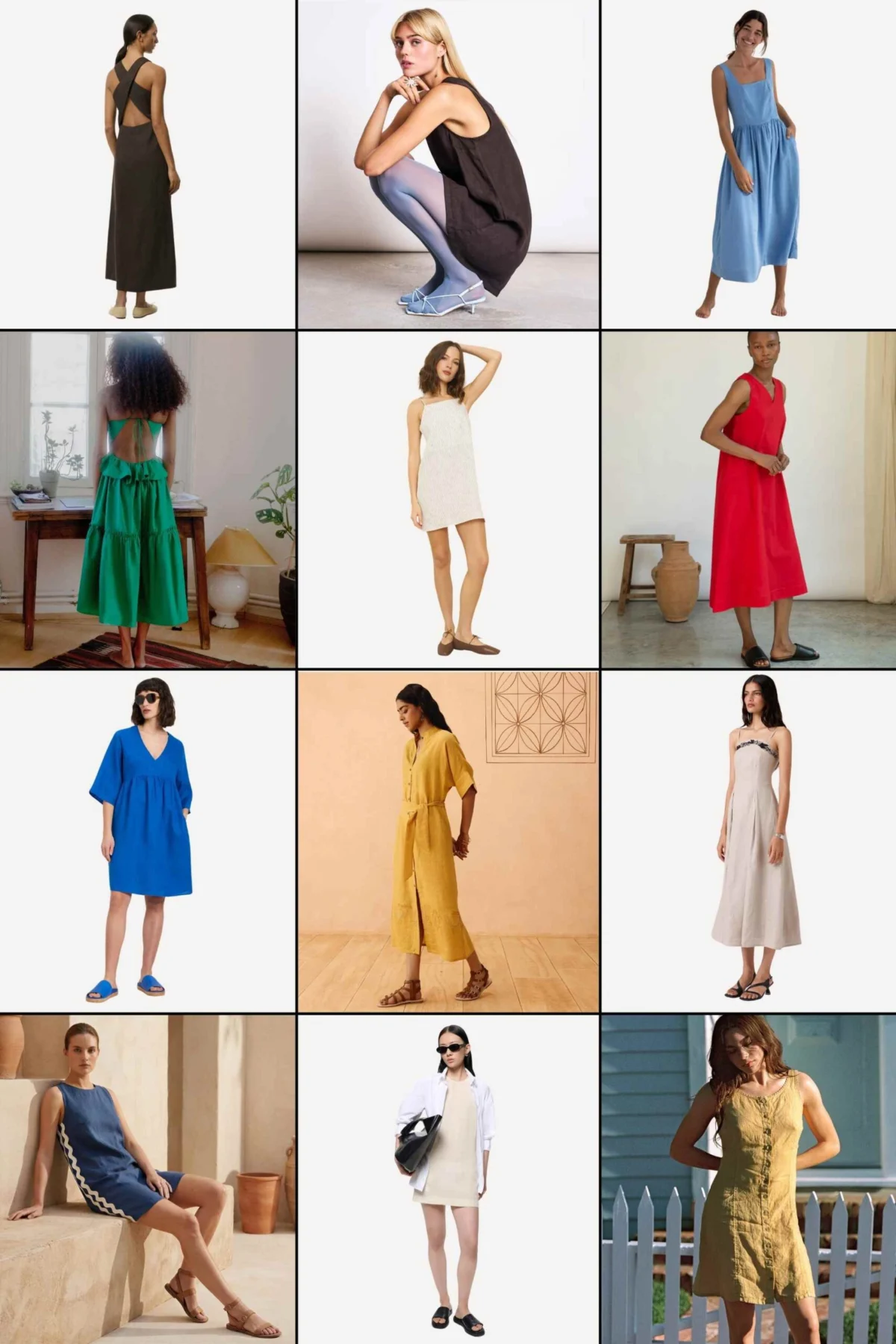
To assist consumers in navigating the vast landscape of conscious fashion, editorial curation teams frequently evaluate top-rated brands to highlight exceptional garment design coupled with rigorous sustainability credentials. The following curated selection showcases a diverse array of silhouettes—ranging from airy maxis and structured shirt dresses to minimalist mini lengths and versatile slip styles—produced by brands recognized for their positive impact and transparency.
- Artknit Studios The Linen Twill Special Back Dress: Crafted with meticulous attention to supply chain traceability, offering a sophisticated silhouette rooted in slow-fashion principles.
- JAN N JUNE Linen Mini Dress: A contemporary, resource-conscious option emphasizing minimalist design and certified organic materials.
- TWOTHIRDS Formentera Linen Dress: Reflects a deep commitment to ocean protection and sustainable European manufacturing practices.
- OhSevenDays Holly Linen Dress: Exemplifies urban circularity by utilizing deadstock fabrics and ethical local production methods.
- Whimsy + Row Lainey Striped Linen Mini Dress: Produced in limited runs locally to minimize waste and support fair labor standards.
- Beaumont Organic Cotton and Linen-Blend Dress: Combines the breathability of linen with the soft hand-feel of organic cotton, produced under strict fair-trade guidelines.
- Lanius Organic Linen Dress: Certified by GOTS, this piece guarantees stringent environmental and social criteria throughout its production lifecycle.
- Sui Golden Palm Linen Maxi Shirt Dress: Blends functional utility with artisanal craftsmanship, supporting traditional weaving communities.
- The Summer House Suhjan Embroidered Linen Dress: Features delicate hand-embroidery details, celebrating slow textile traditions and empowering artisan makers.
- SeamsFriendly Contrast-detailed Linen Shift Dress: Tailored for inclusivity, offering conscious fashion solutions across a diverse range of sizing options.
- Pangaia A-line Linen Dress: Utilizes cutting-edge material science and innovative bio-based dyes to reduce the environmental toll of traditional textile coloration.
- LA Relaxed Linen Pinafore: Focuses on local, ethical production in Los Angeles using lower-impact fabrics designed for everyday wearability.
Economic and Environmental Implications of Conscious Consumption
The growing preference for linen dresses during high-temperature seasons is indicative of a wider structural transformation within the global textile market. As climate change accelerates the frequency and intensity of global heatwaves, consumer demand for functional, breathable apparel will only intensify. This climatic shift presents both a challenge and an opportunity for the fashion industry.
If scaled responsibly, the expansion of flax cultivation and linen manufacturing could help diversify agricultural economies in regions suited for flax growth, reducing reliance on ecologically damaging crops like conventional cotton. However, industry analysts caution that soaring demand must be met with proportional investments in sustainable agricultural practices and transparent supply chain auditing to prevent over-cultivation and environmental degradation.
Furthermore, the economic implications for brands are clear: transparency is no longer a niche marketing angle but a fundamental prerequisite for long-term consumer trust. Brands that fail to substantiate their sustainability claims face mounting regulatory pressure and consumer skepticism, particularly in key markets across Europe and North America where greenwashing legislation is tightening.
Conclusion and Future Outlook
Ultimately, investing in a sustainable linen dress transcends mere seasonal trend-following; it represents a deliberate choice to support circularity, ethical labor, and environmental stewardship. By prioritizing pure flax compositions, seeking out credible third-party certifications, and supporting brands with verified ratings for transparency and impact, consumers can effectively navigate summer heatwaves while contributing to a more resilient and responsible global fashion ecosystem. As the industry continues to evolve, the enduring appeal of linen serves as a timeless reminder that style and sustainability can—and must—coexist.