








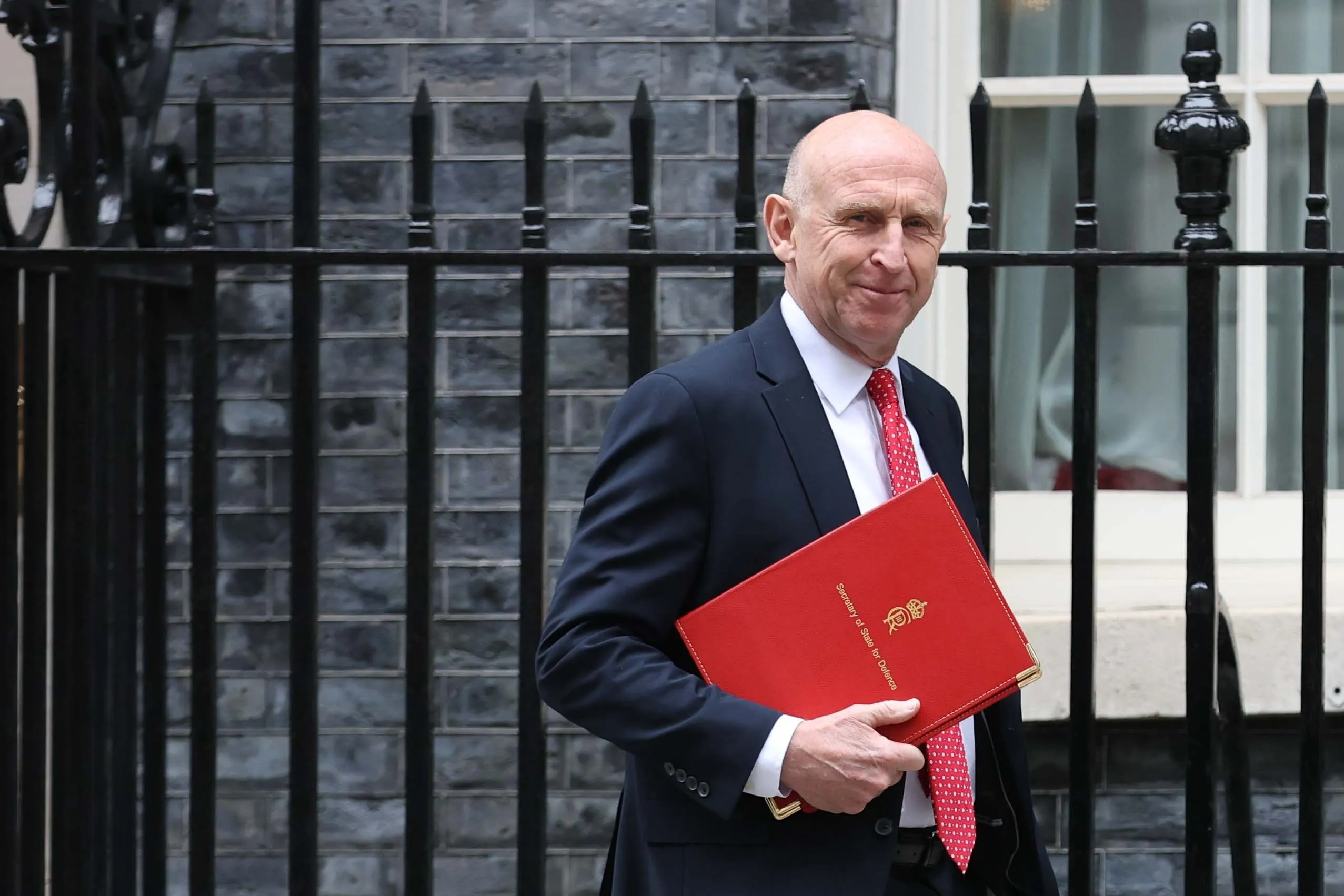
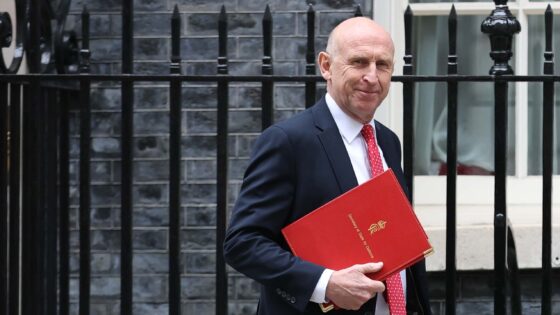
Chancellor of the Exchequer John Healey is set to host a high-level summit on Tuesday, 13 October, inviting a significant cohort of leaders from the UK’s retail, hospitality, and leisure sectors to Downing Street. The meeting, which precedes his inaugural Budget statement scheduled for 28 October, represents a critical juncture for the British economy. As the Chancellor prepares to outline his fiscal strategy for the coming year, industry titans from retail giants including Marks & Spencer, Sainsbury’s, and Tesco are expected to participate in direct, closed-door negotiations regarding the structural challenges facing the high street.
The summit signals an attempt by the Treasury to bridge the gap between government fiscal policy and the practical realities of a sector grappling with persistent inflationary pressures, shifting consumer habits, and an evolving tax landscape. Sources close to the Treasury indicate that the dialogue will focus on the "cost of doing business," a primary concern for firms that have faced significant overhead increases in energy, logistics, and labor over the past eighteen months.
A Chronology of Economic Engagement
The upcoming talks are the latest in a series of strategic engagements between the new government and the private sector. Since the Labour Party Conference last month, Chancellor Healey has faced mounting pressure from trade bodies and industry leaders to provide clarity on future taxation and regulatory frameworks.
- September 2026: At the Labour Party Conference, Chancellor Healey pledged to prioritize both the easing of cost-of-living pressures for households and the reduction of operational costs for businesses, acknowledging that the two are inextricably linked.
- Early October 2026: Following the conference, reports emerged regarding a joint commitment between the government and over 40 major retailers to create 100,000 new jobs by 2029, a project designed to tackle youth unemployment.
- 13 October 2026: The Chancellor’s scheduled summit with retail and hospitality executives to finalize priorities for the 28 October Budget.
- 28 October 2026: The formal delivery of the inaugural Budget, which is expected to serve as the definitive roadmap for the administration’s economic agenda.
The Fiscal Landscape: Retail and Hospitality Challenges
The retail and hospitality sectors represent a significant portion of the UK’s GDP and provide employment to millions. However, these sectors are currently operating under a "triple threat" of economic conditions: high business rates, increased wage bills, and cautious consumer spending.
Industry analysts note that for major retailers like Tesco and Sainsbury’s, the primary concern remains the burden of business rates. While previous administrations have implemented temporary relief measures, the industry is calling for a more permanent, systemic reform of the rates system, which many argue is currently tethered to obsolete property valuations that do not reflect the dominance of online commerce.
For the hospitality sector, which includes pubs, restaurants, and leisure operators, the situation is even more acute. Many businesses in this space are still managing debt accrued during the pandemic years. Furthermore, the rising cost of goods and the necessity of attracting talent in a competitive labor market have squeezed profit margins to historically low levels. Industry leaders at the Tuesday summit are expected to push for a continuation of specific VAT reliefs or a freeze on the national insurance contributions that would otherwise increase the cost of maintaining their current workforce.
The Youth Unemployment Initiative
One of the more constructive agenda items for the Tuesday meeting is the government’s commitment to youth employment. The initiative to generate 100,000 new roles in retail by 2029 is a flagship policy aimed at integrating young people into the workforce through apprenticeships, training programs, and entry-level positions.
Retailers are generally supportive of this initiative but will likely leverage the meeting to demand support in the form of reduced training levies or tax incentives for businesses that invest heavily in the upskilling of their staff. By linking the fiscal health of the retail sector to social mobility and job creation, the Chancellor is attempting to reframe the relationship between the Treasury and the high street as a collaborative effort rather than a transactional one of taxing and spending.
Analyzing the Implications of the 28 October Budget
The 28 October Budget is widely expected to be a "balancing act" budget. The Treasury faces a difficult task: it must stimulate economic growth to fund public services while maintaining fiscal discipline to reassure international bond markets.
Economists suggest that the Chancellor’s approach will likely be one of "targeted intervention." Rather than broad, across-the-board tax cuts, which are viewed as inflationary, the government may favor sector-specific relief. This could include targeted investment allowances for companies that automate their supply chains or invest in sustainable, energy-efficient store infrastructure.
If the Chancellor fails to offer substantive relief for the retail and hospitality sectors, there is a risk of a "cliff-edge" effect in early 2027. Businesses that have held on through the winter months may find themselves unable to meet their fiscal obligations if there is a sudden increase in business rates or if consumer spending remains dampened by high interest rates.
Industry Perspectives and Official Reactions
While the Treasury has remained tight-lipped regarding the specific details of the upcoming discussions, spokespeople for various trade associations—such as the British Retail Consortium (BRC) and UKHospitality—have been vocal about their expectations.
The BRC has repeatedly emphasized that the retail industry is the "first line of defense" against inflation. By lowering the cost of doing business, the government can, in theory, enable retailers to keep prices lower for consumers, thereby directly addressing the cost-of-living crisis.
Conversely, some fiscal hawks argue that the government has limited room for maneuver. They contend that any concessions made to the retail sector must be offset by spending cuts elsewhere, which could create political friction within the Cabinet.
The inclusion of major supermarket chains in this week’s meeting suggests that the Chancellor is particularly concerned about food inflation. As a central pillar of the weekly household budget, the price of groceries is a key metric by which the public judges the success of the government’s economic management. By meeting with the CEOs of Tesco and Sainsbury’s, Healey is sending a message that the government is actively monitoring the supply chain to prevent unnecessary price volatility.
Future Outlook: Beyond the Budget
The outcome of the 28 October Budget will define the economic trajectory for the remainder of the fiscal year. Beyond the immediate relief measures, industry leaders are looking for long-term stability. The uncertainty surrounding the UK’s fiscal regime has, according to several investment reports, delayed capital expenditure by major firms.
The summit on 13 October is an essential step in restoring investor confidence. If the Chancellor can successfully negotiate a package that balances the needs of the Treasury with the operational realities of the retail and leisure giants, it could provide the stability required for businesses to resume long-term investment.
However, the challenge remains significant. The UK economy is currently navigating a period of stagnation, and there is no "silver bullet" for the high street. The reliance on physical retail spaces is being challenged by digital transformation, and the labor market remains tight. The government’s willingness to listen to the concerns of business leaders is a positive sign, but it is the policy implementation that will ultimately determine whether the high street experiences a period of renewal or a continuation of its recent decline.
As Tuesday approaches, the focus remains on whether the Chancellor will prioritize immediate electoral relief through consumer-facing measures or long-term structural reform that favors business viability. For the executives attending the meeting, the goal is simple: a regulatory environment that allows them to remain profitable, employ the next generation of workers, and contribute to the national economic recovery without being stifled by an unmanageable tax burden.
The Treasury has yet to release a statement on the specific outcomes expected from the meeting, maintaining that the dialogue is part of a "constructive and ongoing engagement" with the nation’s industry leaders. As the clock ticks down to the 28 October Budget, the eyes of the financial markets, the retail sector, and the British public will be fixed on Downing Street, waiting to see if these high-stakes negotiations translate into meaningful economic policy.