




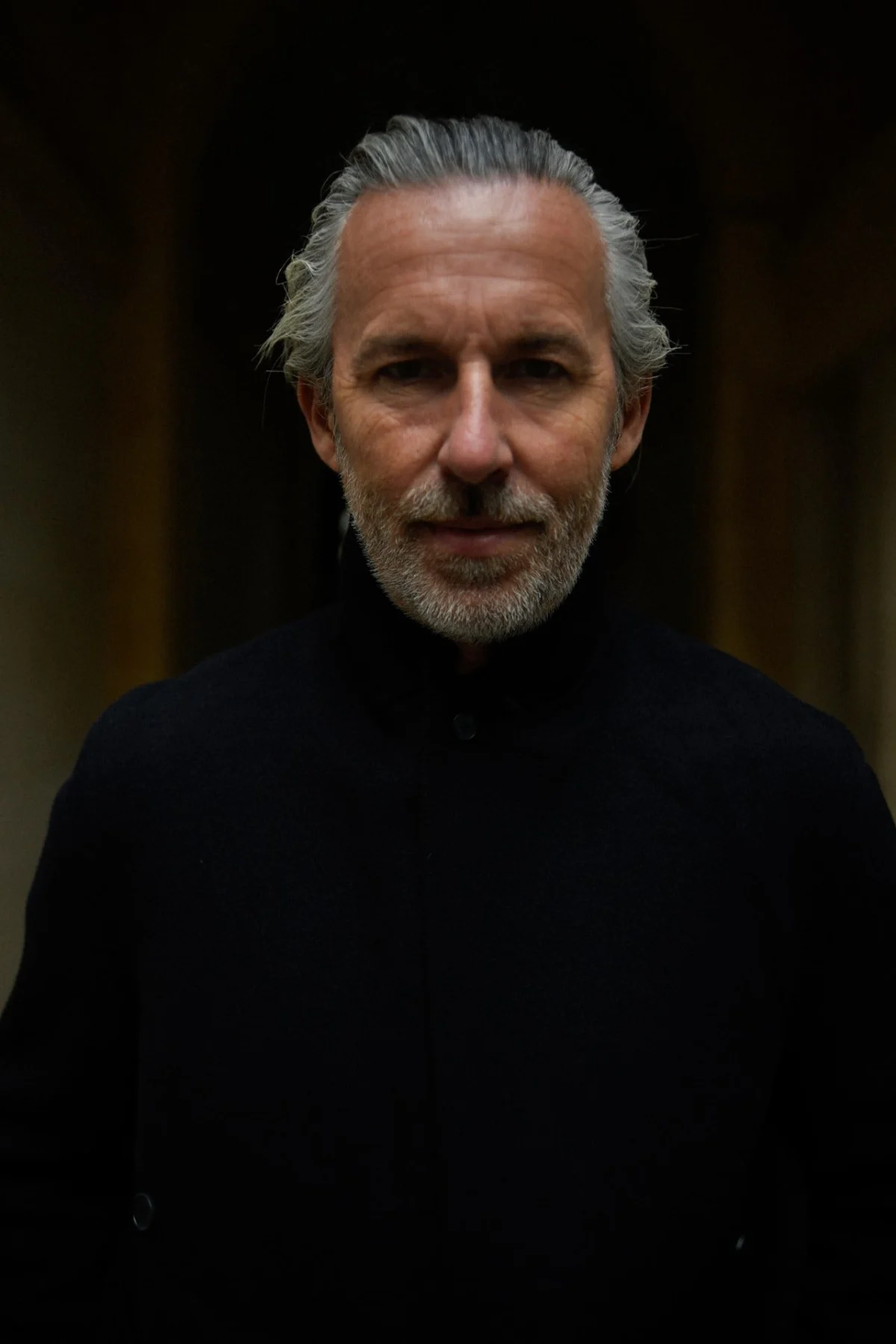
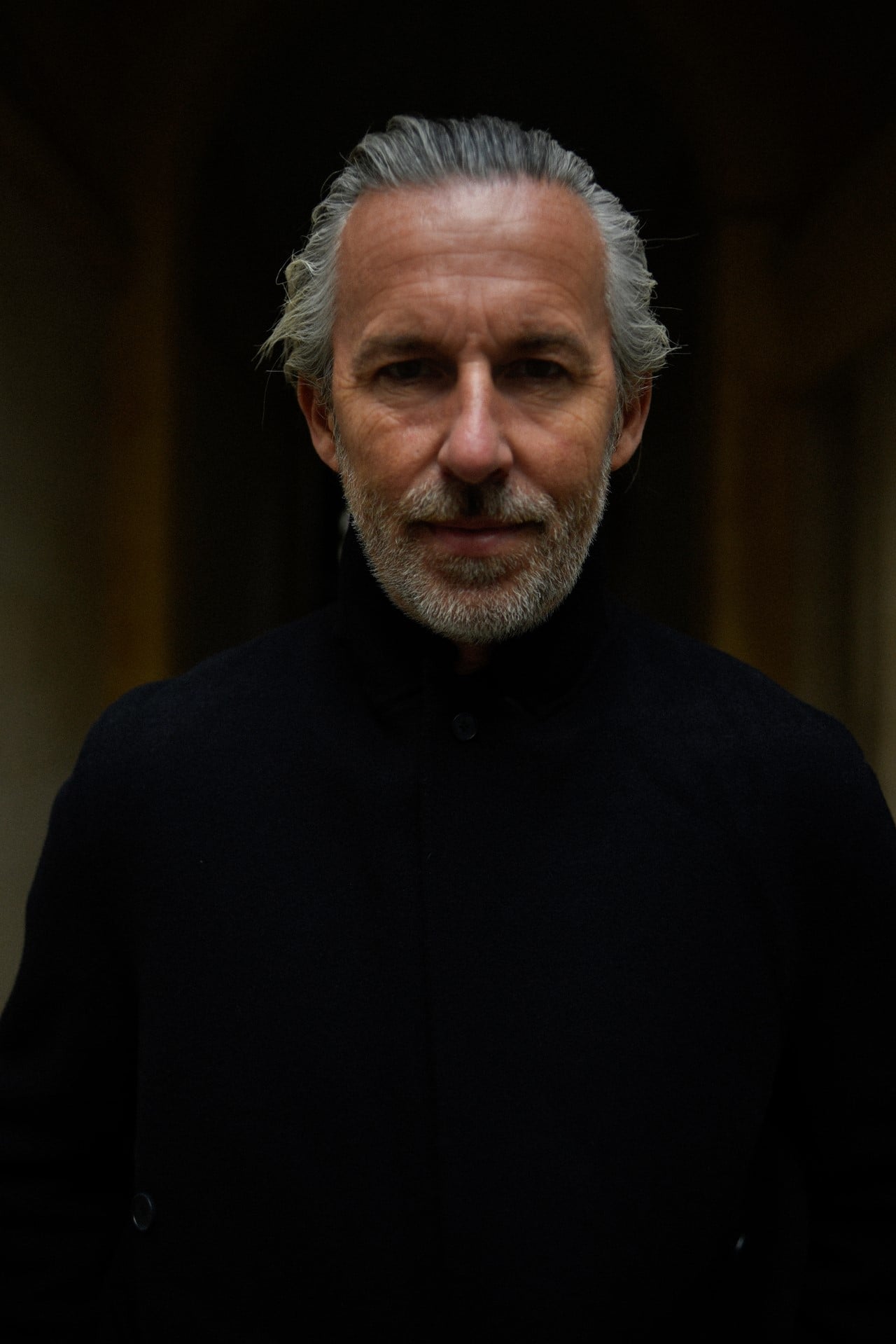
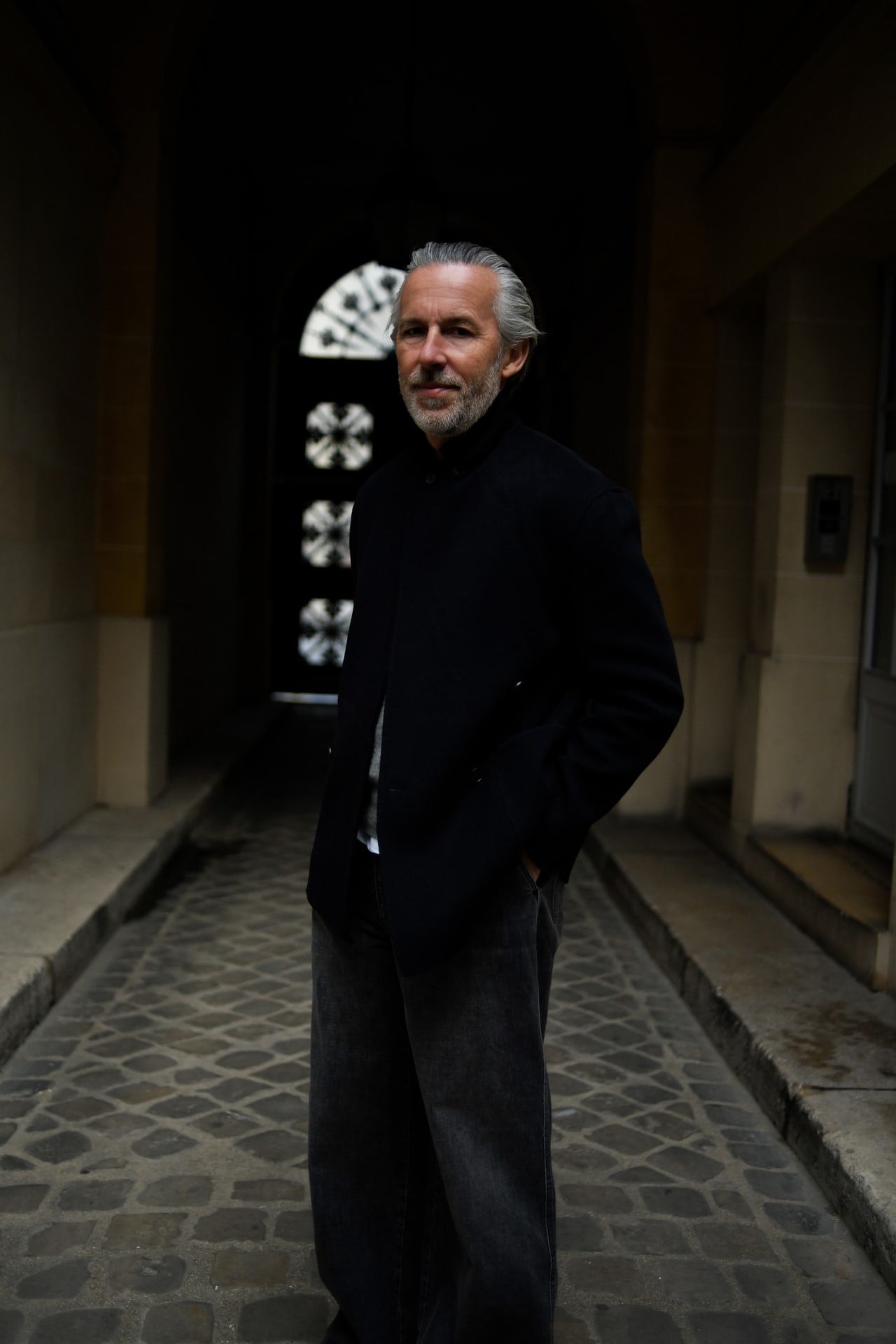
Pierre Mahéo loves flannel, yet he can no longer wear traditional iterations of it. As the founder and creative director of the Parisian contemporary menswear label Officine Générale, Mahéo admits a deep admiration for the classic English fabric, even as he rejects its practical limitations. While he still wears the tailored jackets from his traditional flannel suits, he finds the matching trousers far too heavy for a standard day in a modern office environment.
This personal contradiction highlights a quietly innovative shift within the Paris-based fashion label: the engineering of a hybrid flannel that captures the substantial, visual weight of the English original while shedding its physical burden. The resulting fabric looks thick and warm, yet feels remarkably soft, fluid, and light. In a detailed discussion, Mahéo discussed the technical development behind this fabric, his skepticism toward the fashion industry’s obsession with heritage, and how his brand navigated an unexpected heatwave during the presentation of a summer collection.
Engineering Fabric from the Hand Outwards
For Mahéo, the design process invariably begins with tactile sensation rather than visual sketching. In the competitive landscape of contemporary retail, the initial interaction a consumer has with a garment is physical. If the hand feel fails to meet his standards, the concept does not advance to the production phase.
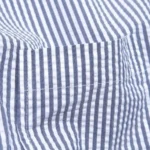
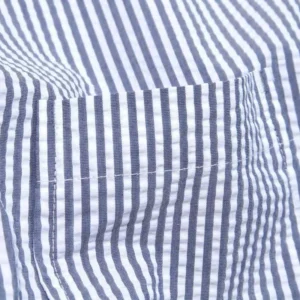
The brief handed to his development team was a deliberate textile contradiction: to create a fabric featuring the heavy, distinguished visual aesthetic of traditional English flannel, paired with the touch and weight profile of a much lighter material. Traditional flannel is widely known for its density, structural rigidity, lack of drape, and notoriously harsh hand feel. Mahéo had no interest in preserving these traditional characteristics. His objective was purely visual.
The primary hurdle in developing this textile was not breathability, but weight management. Achieving a heavy visual profile on a lightweight cloth required a meticulous three-step procedure: selecting specialized yarns, precisely engineering the warp and weft plies, and applying specialized post-weave finishing techniques. This innovation was forged in collaboration with one of Officine Générale’s primary Italian mills. True to his pragmatic design philosophy, Mahéo downplays the technical complexity of the project, viewing it less as groundbreaking research and more as an intentional shift in perspective.
Fabric development invariably commands the first step in the brand’s production cycle due to rigid lead times. Because designing an exclusive textile or reworking an existing quality requires months of preparation, the fabric must be finalized long before the silhouettes are drawn. Frequently, these developments begin with pre-existing qualities that are systematically deconstructed and rebuilt.
Expanding the Boundaries of Modern Menswear
By reducing the weight of the fabric without compromising its visual depth, Mahéo unlocked new possibilities for monochromatic dressing. Describing himself as intensely focused on color harmony, he sought to deliver comprehensive navy, grey, and brown looks for the brand’s Essentialism collection that remained commercially viable rather than serving as mere runway novelties.
Traditional flannel restricts garments to structured outerwear and heavy tailoring, making a cohesive monochromatic look stifling. Lighter flannel successfully removes these barriers. The innovation enables the production of fluid flannel shirts that drape naturally against the body, alongside scarves that can be wrapped multiple times without adding bulk or discomfort. This technical achievement allows wearers to adopt a unified color palette from collar to hem using a single fabric family, eliminating the stiffness historically associated with cold-weather tailoring.
Authenticity Versus the Industry’s Heritage Preoccupation
The broader menswear market remains intensely preoccupied with heritage fabrics, a term Mahéo approaches with notable caution. He questions whether heritage is the most accurate descriptor for contemporary design, suggesting that authenticity and modern adaptability are far more relevant metrics for today’s consumer. While adapting historical textiles to contemporary life is straightforward in some instances, it remains a consistent challenge across broader collections.
Mahéo maintains an equally direct perspective regarding the industry’s continuous appetite for historical revivals. Most of the defining fabrics utilized in contemporary menswear were engineered decades ago. Simply bringing them back in their original formats or applying minor updates represents a cultural exercise rather than genuine innovation. Instead of relying on nostalgia, Officine Générale continuously tests incremental adjustments to yarn qualities and garment shapes to refine its offerings.
Navigating Climate Volatility on the Runway
This pragmatic approach to garment construction was tested during the presentation of the Spring-Summer 2027 collection, titled Crossing Paths. The runway show was hosted at the Port de l’Arsenal in Paris—a venue that had never previously staged a fashion show. Mahéo selected the location for its proximity to the water and the crisp, lingering chill of early spring, evoking memories of railway stations and maritime hubs where travelers hurry toward disparate destinations. The envisioned collection aimed to be elegant yet relaxed, generous in volume, and light in spirit.
Shortly before the presentation, however, an unexpected heatwave descended upon Paris, introducing a severe environmental contrast to the seasonal collection.
This unexpected weather event highlighted a defining philosophy of the brand. While commercial pressures might have tempted a designer to sever the sleeves from jackets and shirts or convert tailored trousers into shorts to mirror immediate weather conditions, Mahéo resisted the impulse. Such reactive adjustments would have compromised the core ethos of Officine Générale, which is committed to providing reliable wardrobes for unpredictable weather patterns throughout an entire season.
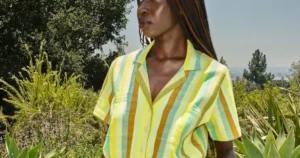
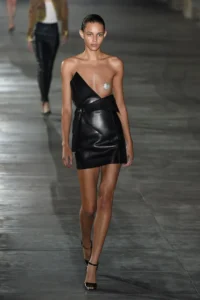
Consequently, the collection debuted as a complete, cohesive wardrobe comprising tailored pieces crafted from traditional suiting fabrics, structured poplins, denim, fine knits, and premium leather. Notably, only commercially viable pieces that would ultimately be made available to consumers were included in the presentation. As global climate shifts render spring and summer increasingly complex seasons characterized by wild temperature swings over a six-month span, the modern wardrobe must adapt accordingly.

When examined side by side, the lightweight flannel and the broader Spring-Summer collection embody the same underlying design principle: fabrics that project visual substance while wearing remarkably light, forming a seasonal wardrobe that refuses to chase daily meteorological anomalies. In both instances, Mahéo focuses resolutely on how garments perform during active, everyday wear rather than how they photograph under controlled studio conditions.
Strategic Implications for Contemporary Retail
The trajectory of Officine Générale under Mahéo’s leadership offers a compelling case study in modern product evolution. By declining to market the modified flannel as a revolutionary technological breakthrough, the brand underscores a pragmatic shift occurring across independent European menswear labels. Designers are increasingly prioritizing human ergonomics and changing workplace environments over historical accuracy and stiffness.
As office dress codes continue to evolve toward relaxed professionalism, the demand for traditional, heavyweight tailoring fabrics will likely contract further. Brands that successfully bridge the gap between classic sartorial aesthetics and modern comfort stand to capture significant market share among consumers who refuse to sacrifice personal comfort for formal presentation. Ultimately, Mahéo’s philosophy serves as a practical reminder for consumers and designers alike: when evaluating a garment, the tactile experience should always precede the visual impression.